How to Clean Rusty Cast Iron Pan Fast
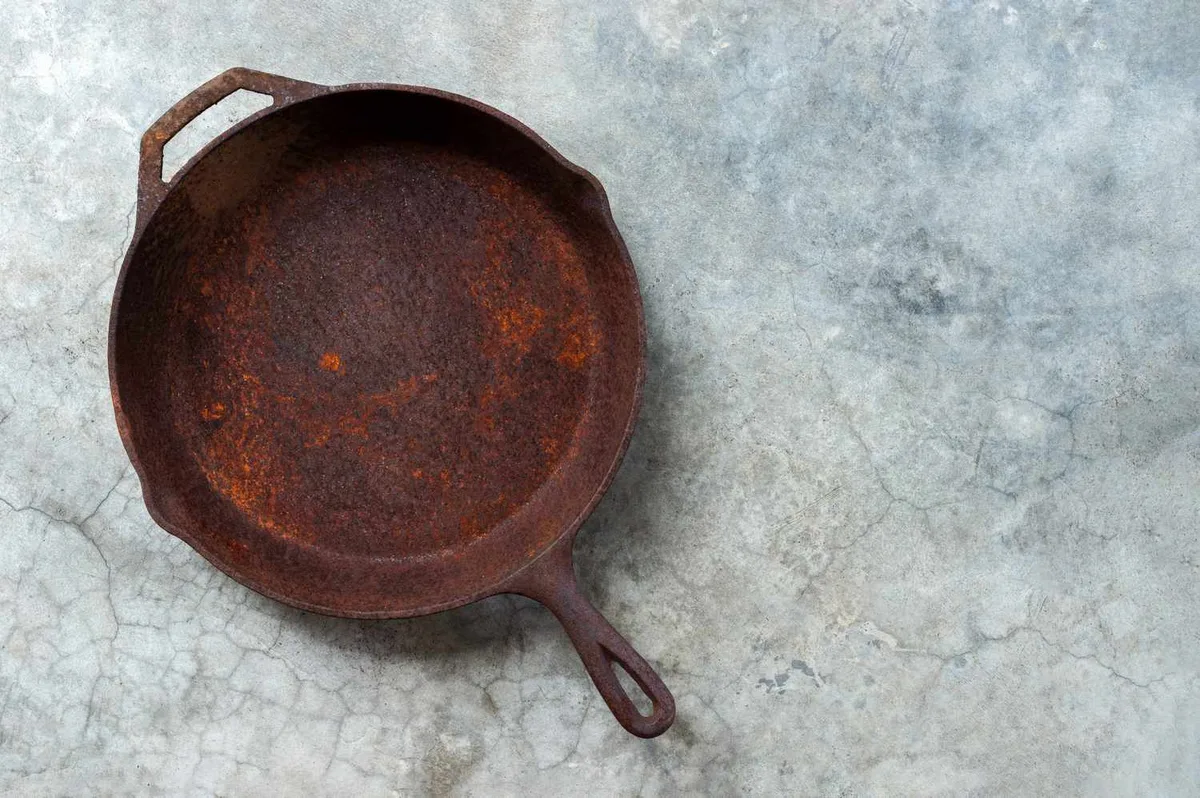
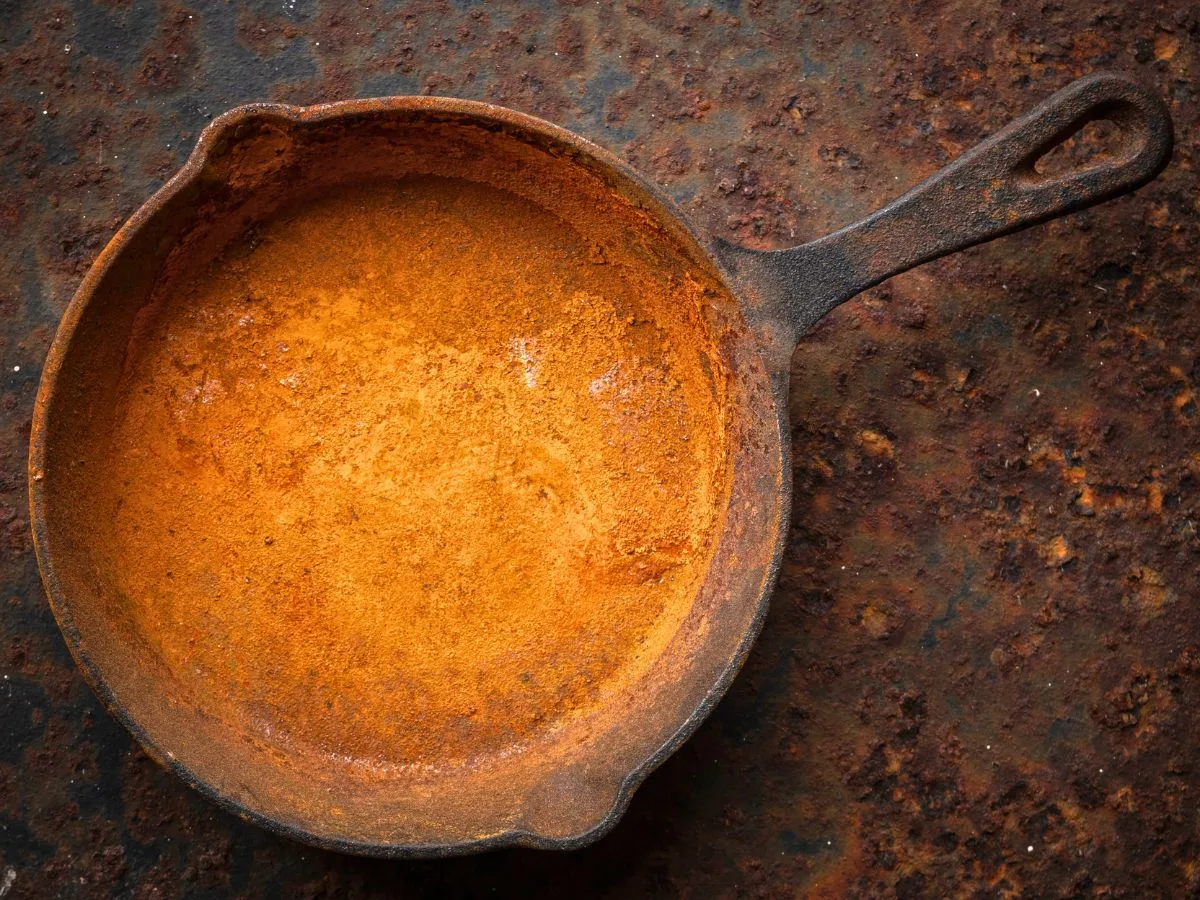
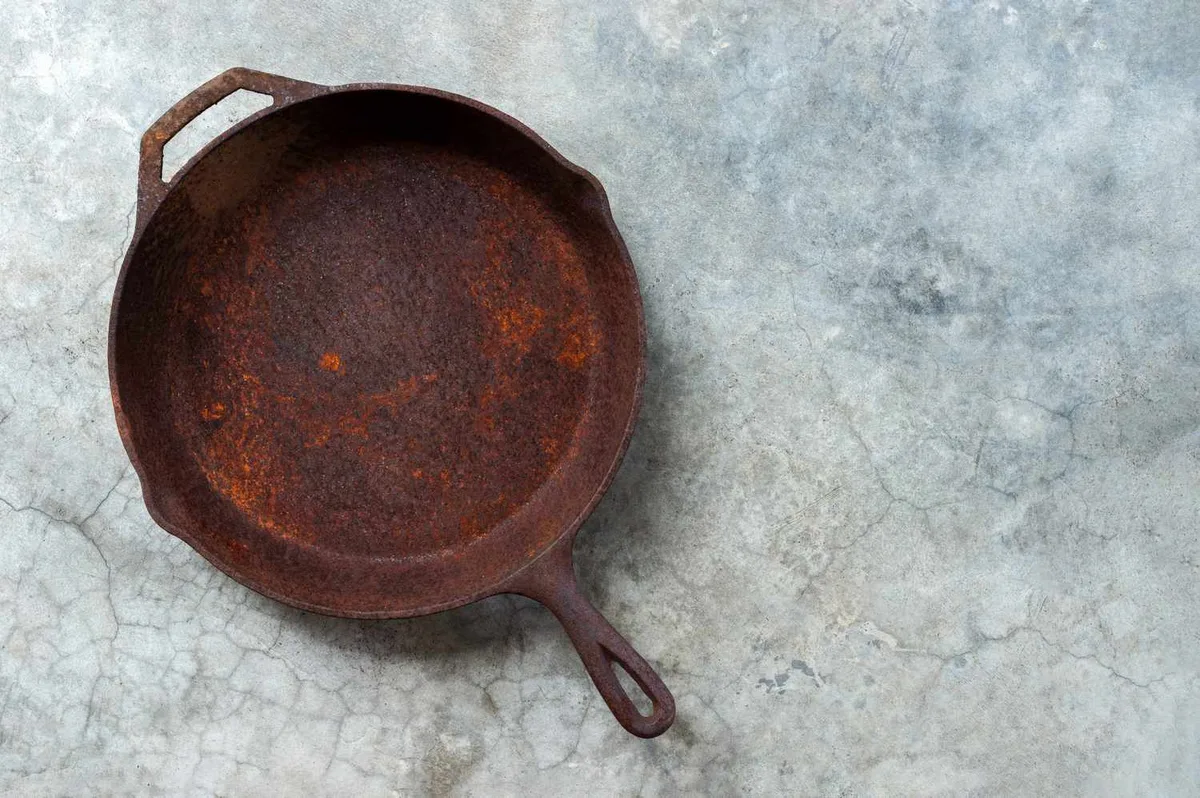
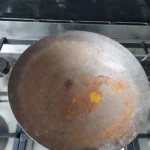
If you’ve ever searched for how to clean cast iron pan from rust, you already know the frustration. You pull that pan from the back of the cupboard or pick it at a thrift store, and it’s covered in orange. You wonder if it’s ruined or if it can still be saved for cooking.
The good news is that in most cases, you can bring it back to life. Per industry guidance from America’s largest cast iron cookware manufacturer, surface rust is almost always cosmetic rather than structural damage. The actual metal beneath stays intact unless corrosion has gone deep enough to cause pitting.
The approach you take depends on two things: what kind of pan you have and how bad the rust is. Let’s walk through it step by step.
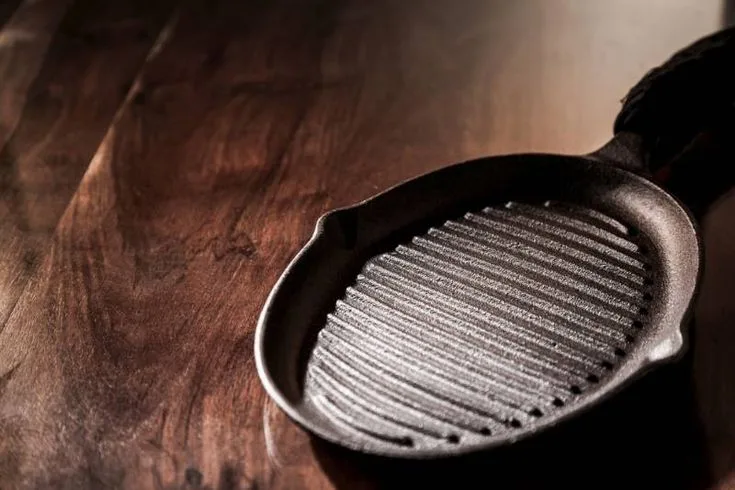
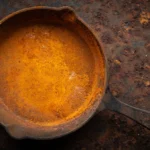
Image source: Web (Bing) / southernliving.com (Web image (fair-use with source credit))
Quick Answer
Scrub light rust with coarse salt and a little oil. For tougher rust, soak in equal parts white vinegar and water for up to one hour. Scrub with steel wool or a chainmail scrubber.
Dry the pan completely on the stove. Re-season with a thin coat of oil baked at 450°F for one hour.
First, Check Your Pan Type: Bare Iron vs. Enameled Cast Iron
This first decision determines everything else. If you mix up the methods, you can permanently damage a good pan.
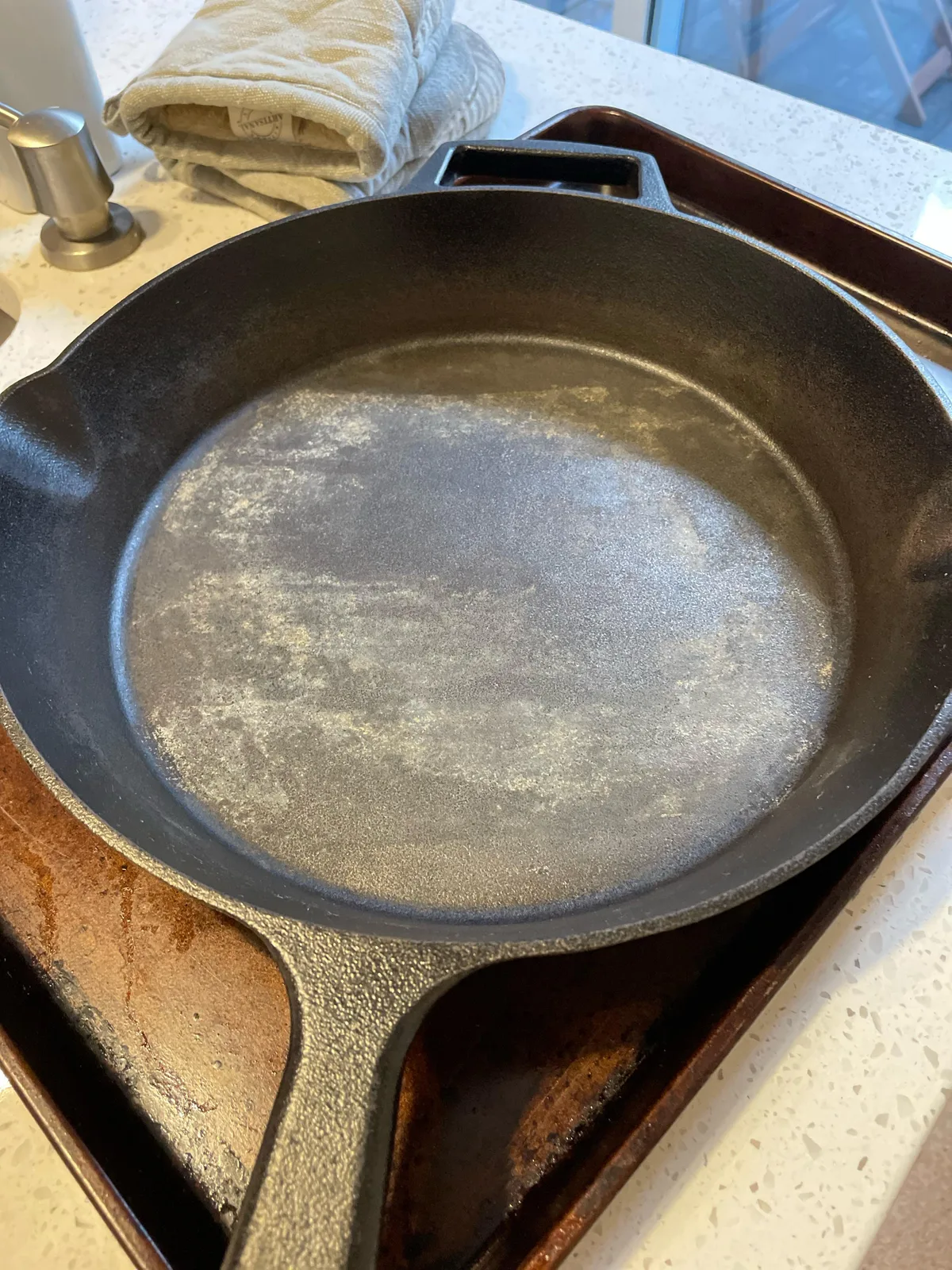
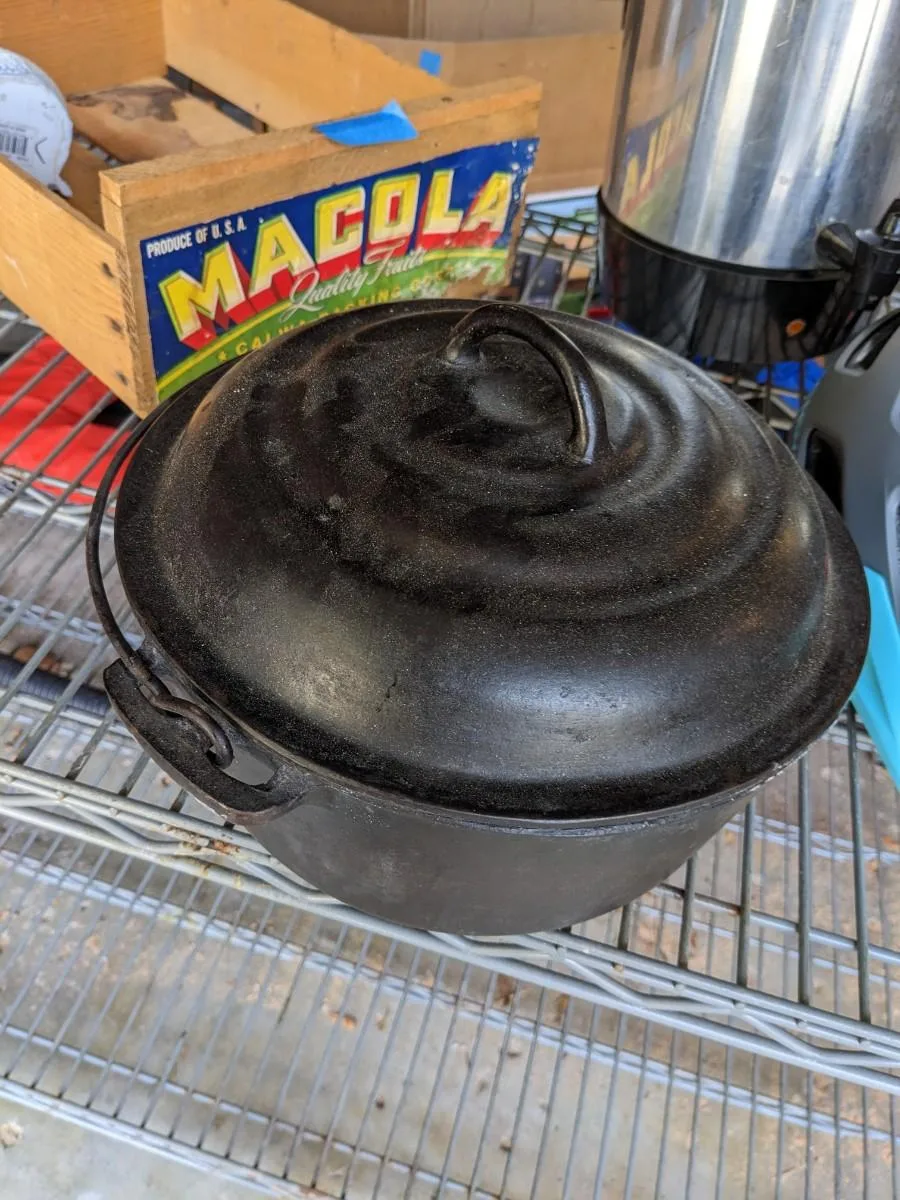
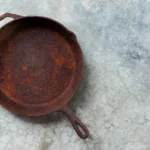
Bare cast iron has a raw, matte surface. It feels rough or slightly bumpy to the touch. You season it yourself with oil, and the coating is part of the pan’s performance.
Rust forms directly on the iron, and you can scrub it off without hurting the metal.
Enameled cast iron has a glossy, glass-like coating fused to the iron. It’s usually white or cream on the inside and colored on the outside. You do not season enameled pans.
The enamel is the finish. If you scrub it with steel wool or soak it in vinegar, you can scratch or dull the coating permanently. Rust on an enameled pan means the enamel has chipped or cracked, and moisture reached the iron underneath.
To tell them apart, look at the rim. Bare cast iron has an unfinished, rough edge. Enameled cast iron has a smooth, coated edge that matches the color of the rest of the pan.
Our research across user reports confirms that mistaking an enameled pan for bare iron leads to the most common restoration errors.
If you have a bare iron pan, go to the next step. If you have an enameled pan with chipped enamel inside the cooking surface, discarding the pan is the safest choice. Cooking on exposed iron where enamel has chipped can produce glass fragments in your food.
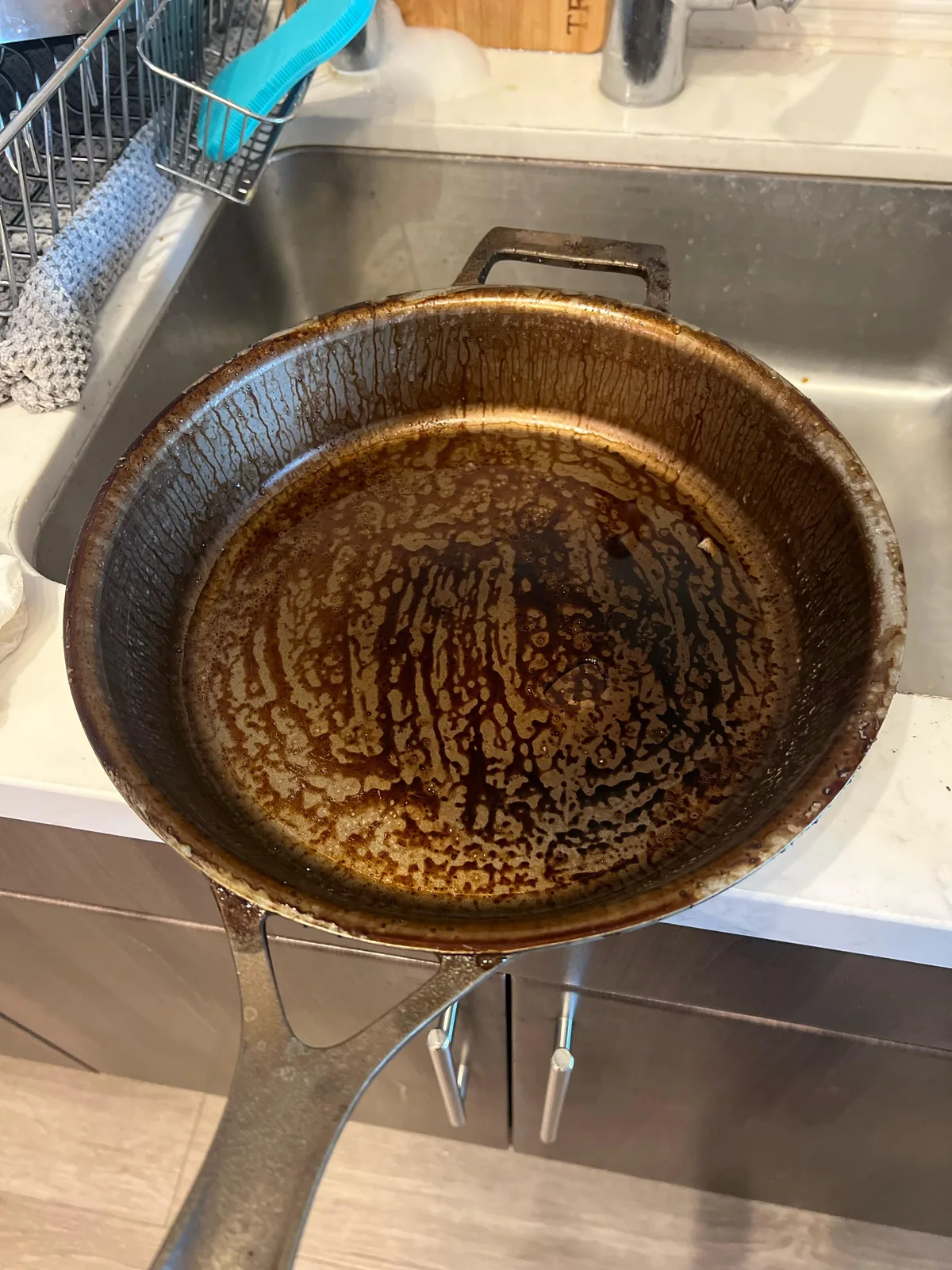
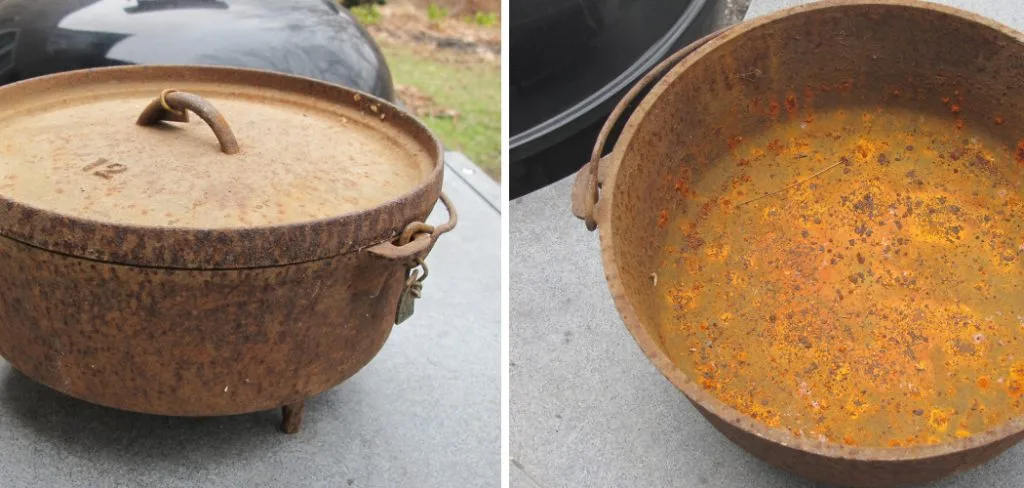
Image source: Bing (Web (fair-use with source credit))
Next, Judge the Rust Severity: Light, Moderate, or Deep
Now that you know your pan type, you need to look at the rust itself. This is the second decision point. The severity decides how aggressive your cleaning method should be.
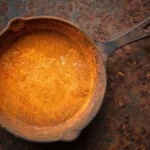
Light rust looks like orange dust or a thin powder on the surface. It comes off easily when you rub it with a dry paper towel or a bit of oil. You can feel a rough texture, but there are no deep pits or black spots.
This is the most common type and the easiest to fix.
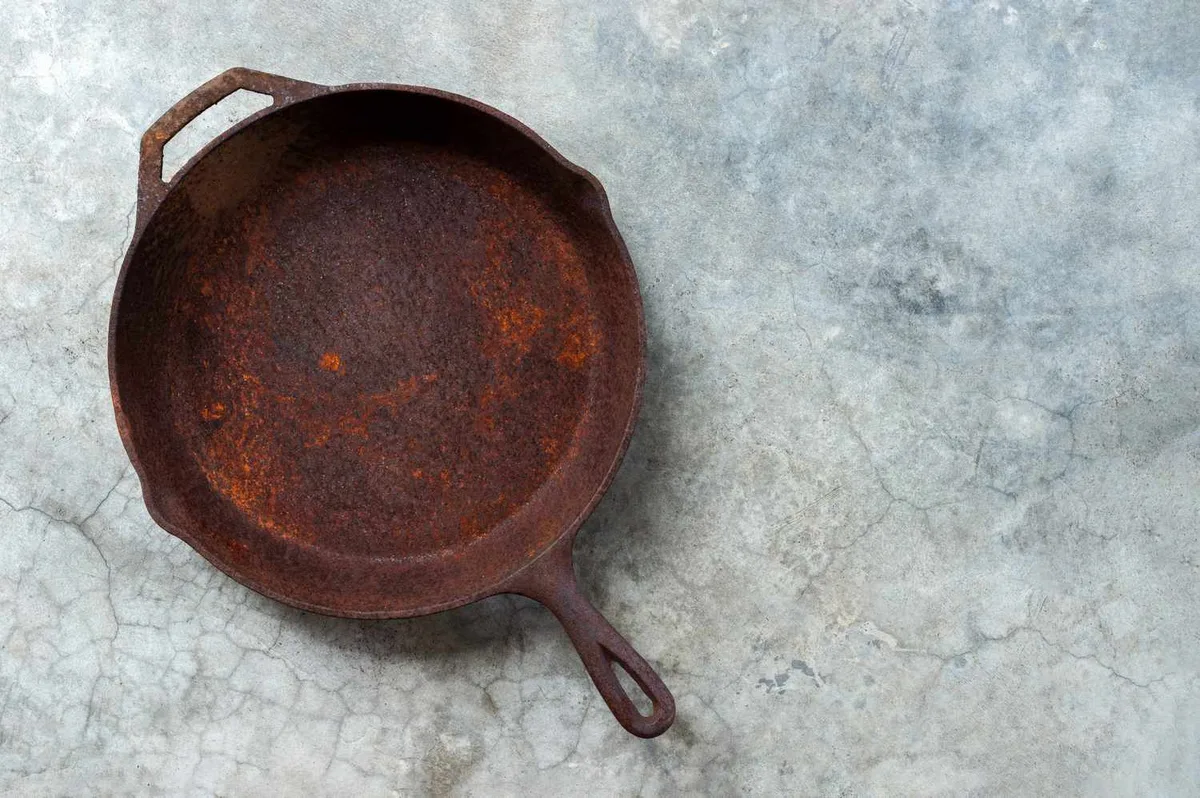
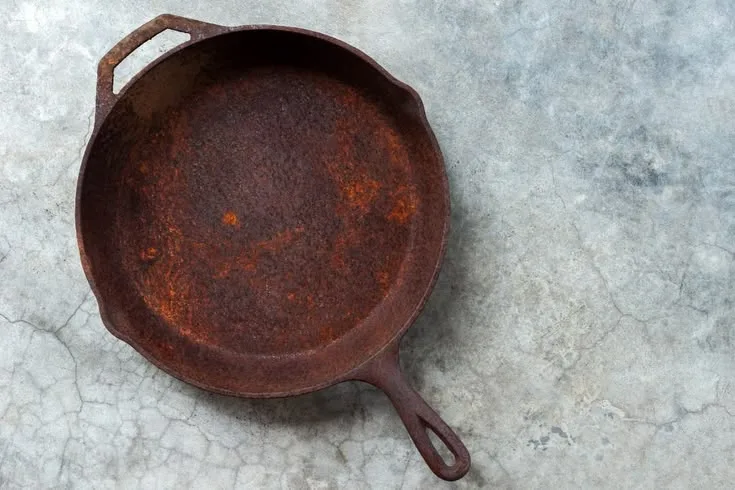
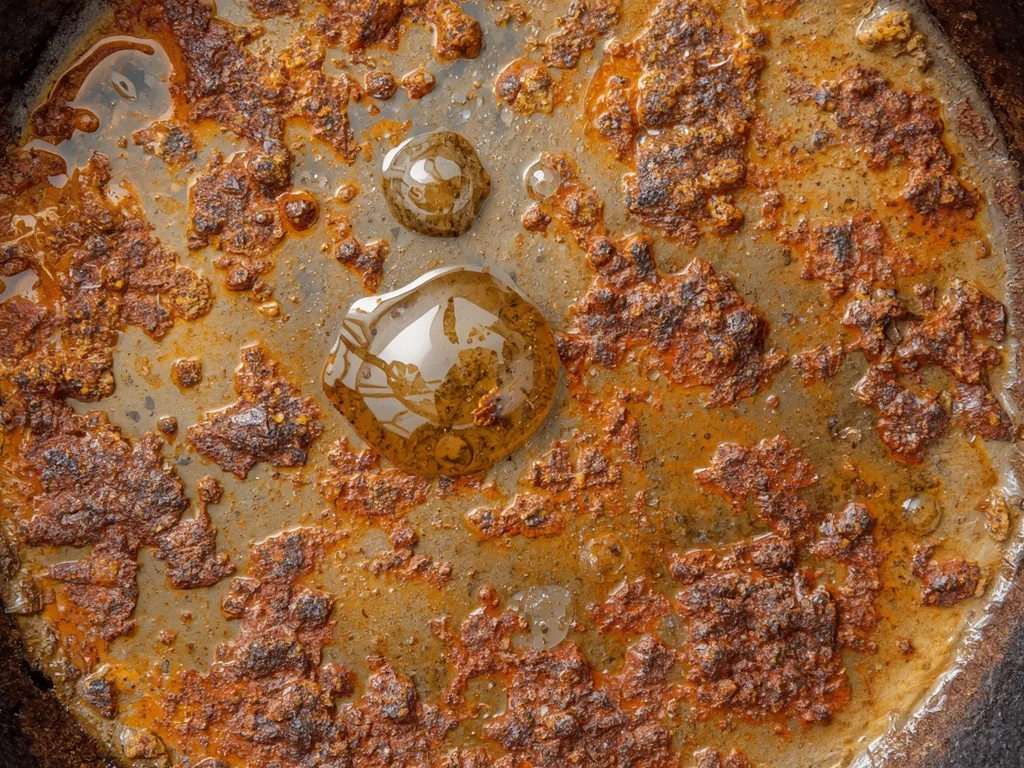
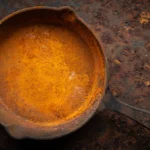
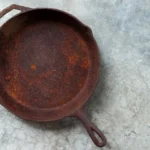
Moderate rust appears as brown or orange flaking patches. The rust has formed a visible layer that doesn’t come off with a dry wipe. You can scratch it with a fingernail, but the surface underneath still feels relatively smooth.
This type needs a chemical soak or a more abrasive scrub to fully remove.
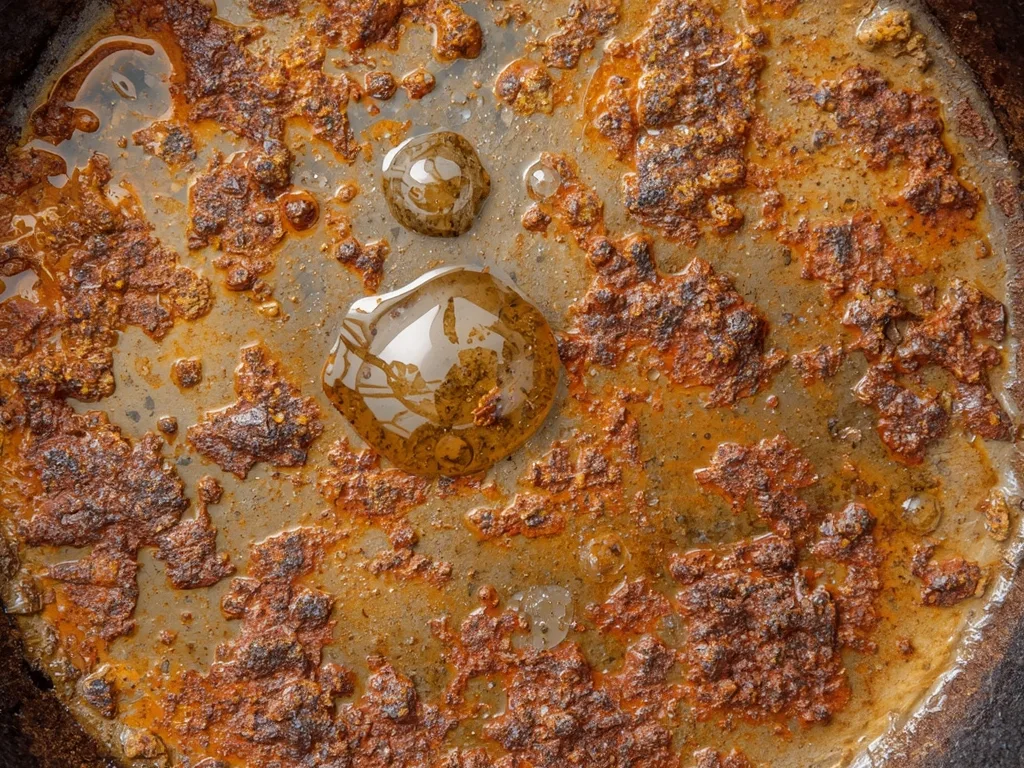
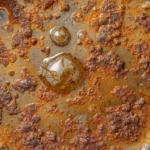
Deep rust looks red or dark brown with crusty raised spots. The metal underneath may feel rough or pitted. You might see small holes or divots in the surface.
This type requires the most aggressive methods and sometimes multiple rounds. In severe cases with large pitted areas, the pan’s structural integrity can be compromised.
If you see black rust under the orange layer, that indicates old seasoning still clinging in some areas. This is not necessarily damage. It just means you have a mix of rust and seasoning that needs a targeted approach.
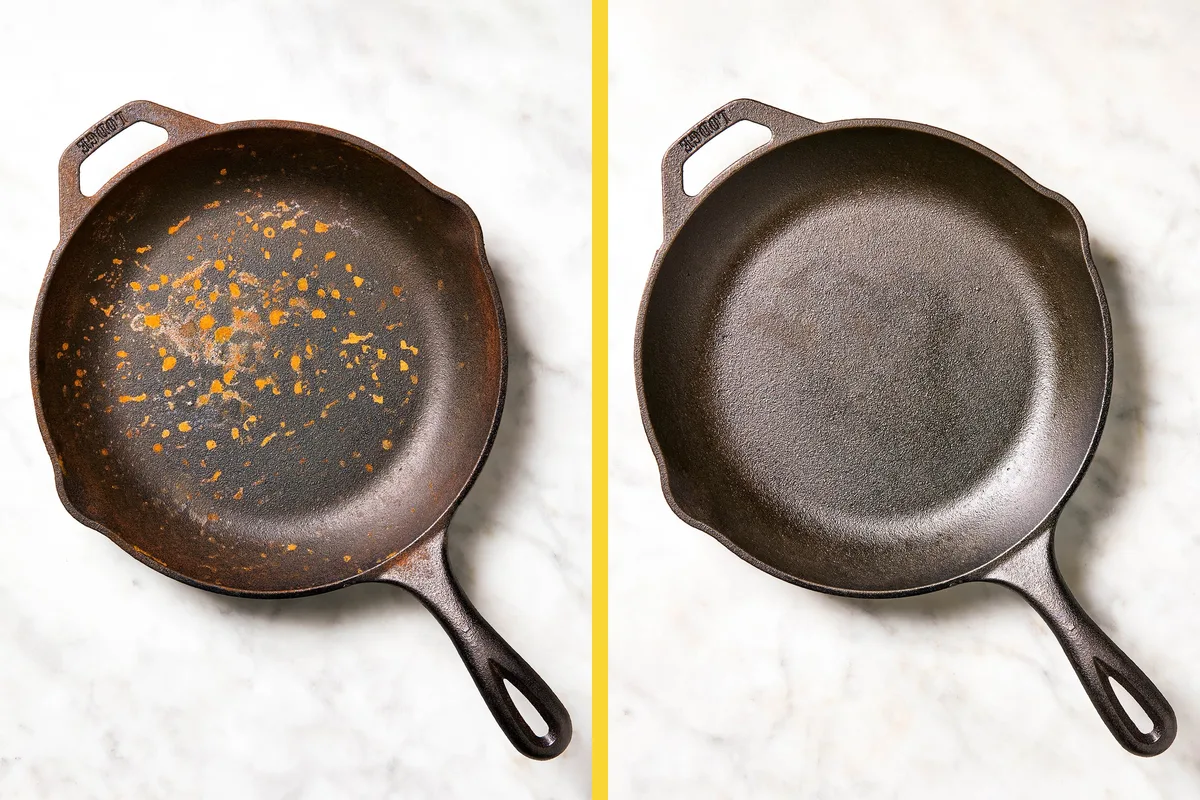
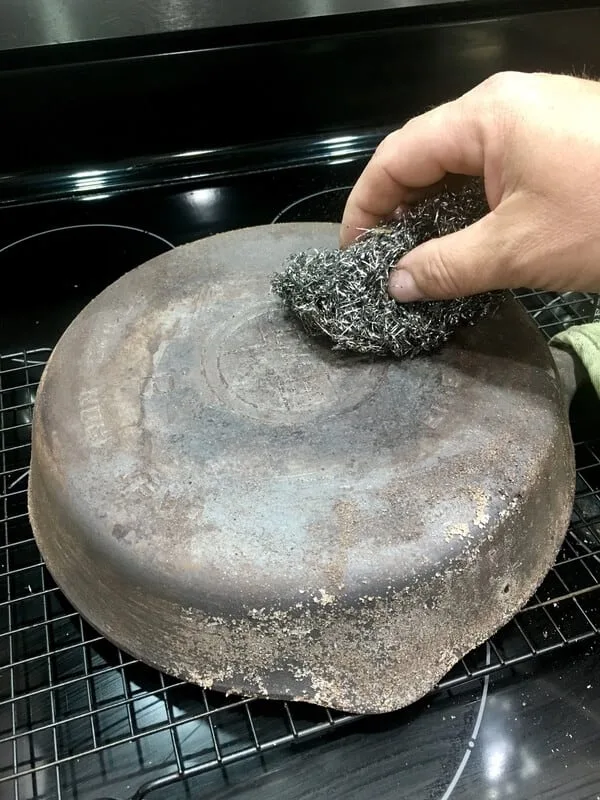
Image source: Bing (Web (fair-use with source credit))
| Rust Severity | Appearance | What to reach for |
|---|---|---|
| Light | Orange dust, wipes off with oil | Coarse salt, oil, paper towel |
| Moderate | Flaking brown or orange layer | 50/50 vinegar and water soak |
| Deep | Crusty red spots, pitting below | 50/50 vinegar soak, steel wool, repeat |
The Best Rust Removal Method for Each Situation
Now we move from assessment to action. Pick the method that matches your rust severity.
For light rust
This is the easiest fix. Scrub the rust off with a handful of coarse salt and just enough vegetable oil to make a paste. Use a paper towel or a clean rag.
Rub in a circular motion with moderate pressure. The salt acts as a fine abrasive without damaging the seasoning that is still intact. Rinse the pan with warm water and dry it immediately on the stove over medium heat until no steam rises.
Your pan is now ready for a light oiling step instead of a full re-season.
For moderate rust
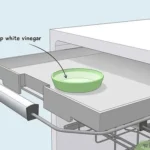
Mix equal parts white vinegar and water in a container large enough to hold your pan submerged. Vinegar is acidic and reacts with iron oxide to loosen it. As of 2026, the industry standard recommendation from manufacturers’ care guides is a soak of no more than 30 to 60 minutes.
Longer than that, the acid starts to etch the iron, creating a rough surface that is harder to season later. After the soak, scrub with steel wool or a chainmail scrubber. Focus on areas where rust remains.
Rinse thoroughly with water and dry on the stove.
For deep rust
Start with the same 50/50 vinegar soak. After one hour, scrub with coarse steel wool (grade 0 or 00). If rust still remains in pits or crevices, repeat the soak for another 30 minutes and scrub again.
Do not exceed 90 minutes total of soak time across both rounds. If pitting is extensive, you may need to apply a baking soda paste, three parts baking soda to one part water, as a final gentle abrasive scrub. Rinse and dry on the stove.
Deeply pitted pans may never look perfect, but they can still cook well if re-seasoned properly.
How to Re-Season Your Pan After Rust Removal
Once the rust is gone, you have exposed bare iron. That iron will flash rust within minutes if you leave it wet or uncoated. This step is not optional, it is the most important part of the whole process.
Start by drying the pan on the stove over medium heat. Heat it until the pan is hot to the touch and any moisture has evaporated. Let it cool just enough that you can handle it with a towel but it is still warm.
Apply about one teaspoon of a high smoke point oil, grapeseed, flaxseed, or canola oil work well. Rub the oil all over the pan, inside and out, including the handle. Then take a clean paper towel and wipe the oil off.
It should look like there is almost no oil left. A thin, even layer is what you want. Thick oil will pool and form sticky spots.
Place the pan upside down in an oven preheated to 450°F. Put a sheet of aluminum foil or a baking sheet on the rack below to catch any drips. Bake for one hour.
Then turn the oven off and let the pan cool inside without opening the door.
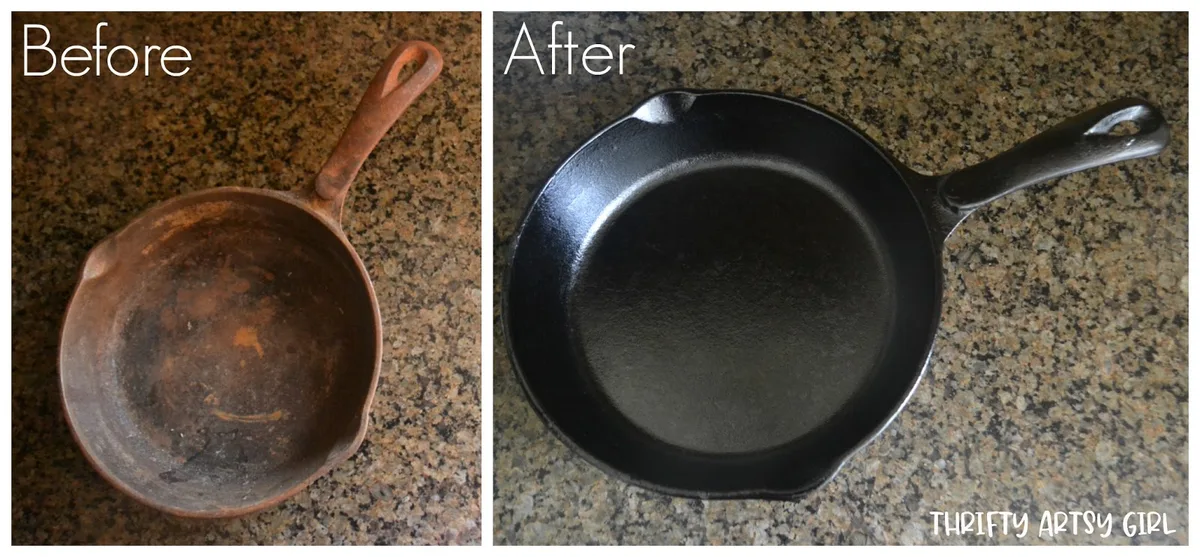
Repeat this oiling and baking step three times for a solid base layer of seasoning. For pans that had deep rust, four to five coats give better coverage. After the last coat, your pan should look dark and have a slight sheen.
It is now ready to cook again.
What NOT to Do With a Rusty Cast Iron Pan
Knowing what to avoid saves you from turning a fixable problem into a ruined pan.
Do not soak enameled cast iron in vinegar or any acid. Vinegar attacks the enamel finish, leaving it cloudy, dull, or damaged. For enameled pans, rust removal is more limited. You can gently scrub light rust with a baking soda paste.
If the enamel is chipped and rust is underneath, the pan is not restorable.
Do not leave bare iron in a vinegar soak for more than 60 minutes. The acid eats into the iron over time. Manufacturer specifications from major brands like Lodge Cast Iron confirm that extended acid exposure creates pitting that makes seasoning harder and the cooking surface rougher.
Do not use the oven’s self-cleaning cycle to burn off rust or seasoning. This is a common online tip, but we do not recommend it. The extreme heat (800°F or higher) can warp the pan, damage its temper, and even cause permanent cracking. Stick to vinegar soaks and steel wool.
Do not skip the immediate dry and oil step. Even a few minutes of air drying after cleaning can cause flash rust on bare iron. Dry it on the stove while it is still warm, then apply a thin oil coat before storing.
Do not use soap on a newly re-seasoned pan. Modern mild soaps are safe for established seasoning, but a fresh seasoning layer is still fragile. During the first few cooking sessions, use only oil or fat and avoid acidic foods like tomatoes or wine. Let the seasoning bond fully through repeated use.

Similar Posts