Remove Rust from Cast Iron Griddle Easily
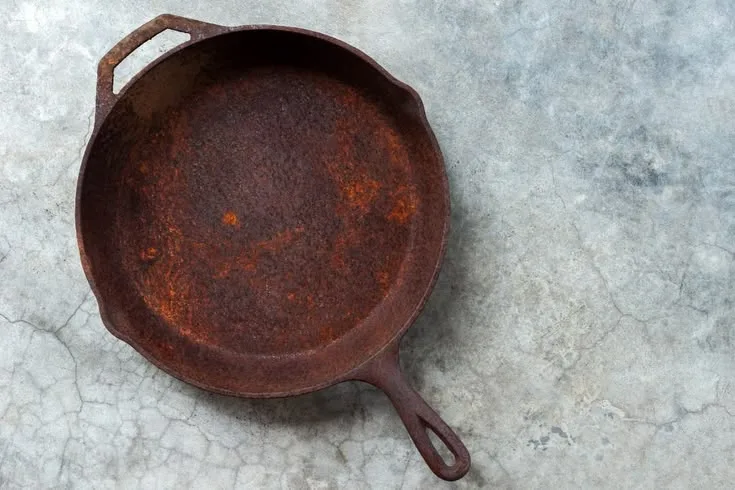
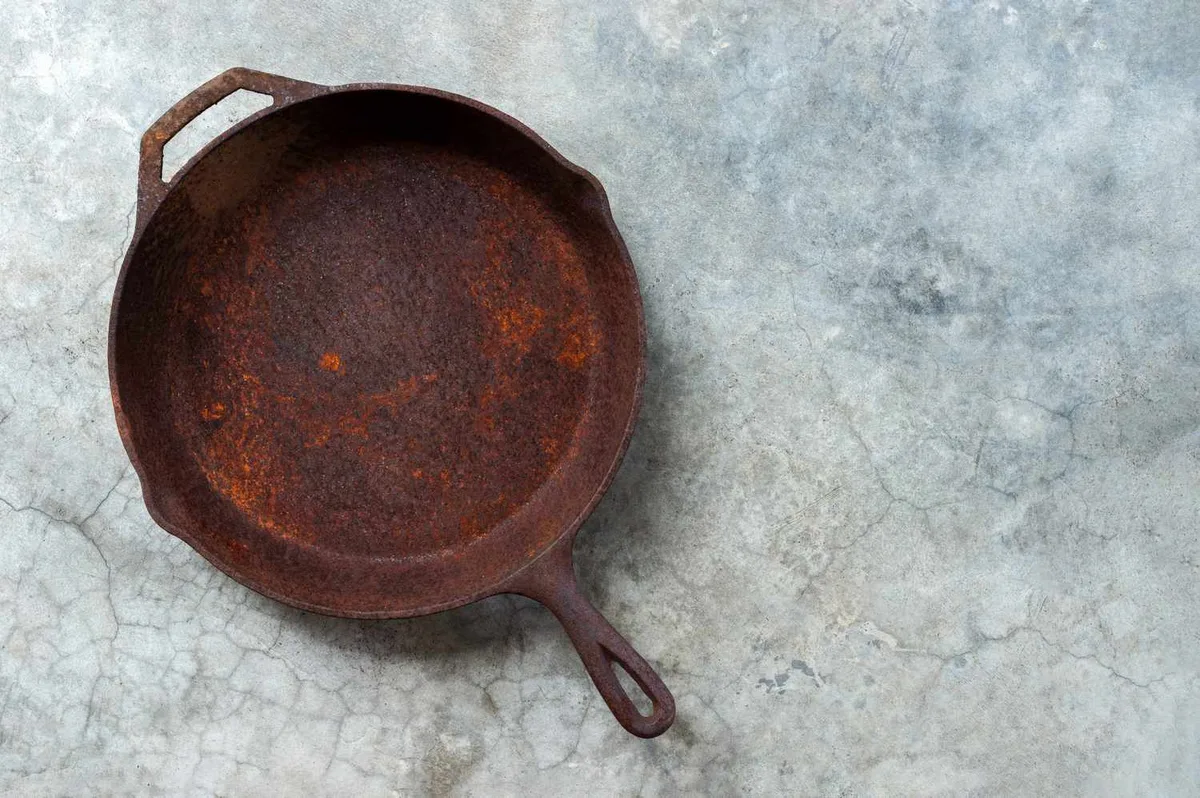
You look at your cast iron griddle and there it is: rust. Maybe just a few orange specks. Maybe a full patch of brown crust.
It feels like you ruined it.
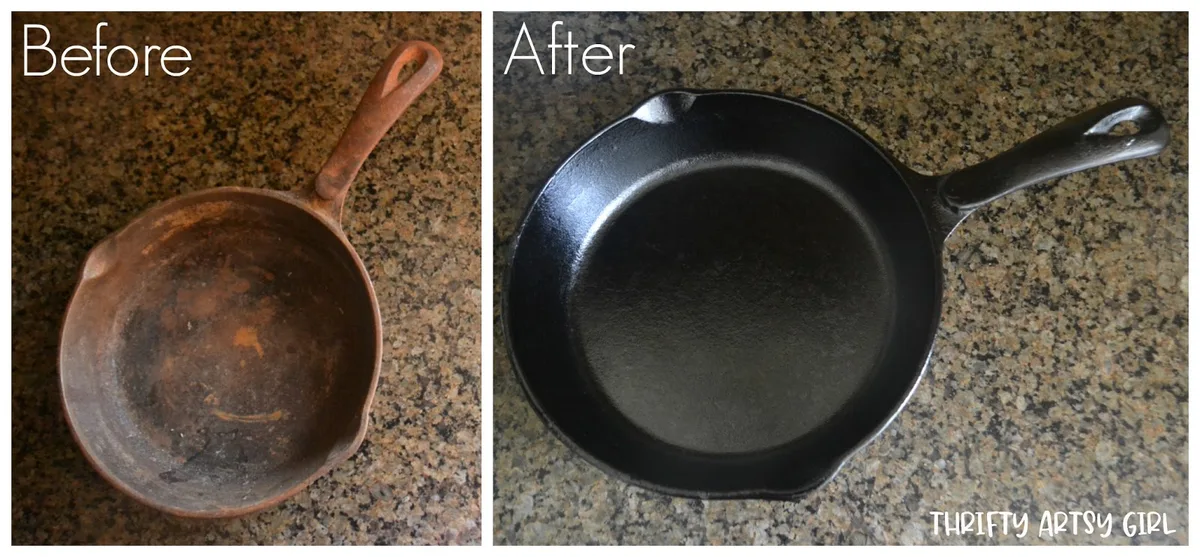
The good news is that rust on cast iron is almost always fixable. Learning how to clean cast iron griddle with rust is straightforward once you understand what you are working with. According to manufacturer specifications from the leading US cast iron producer, Lodge, surface rust on seasoned cookware is common and almost always reversible as of 2026.
The real trick is matching your cleaning method to the severity of the rust. Let us walk through that decision step by step.
Quick Answer
Scrub light rust off with coarse salt and a paper towel. Soak heavier rust in equal parts white vinegar and water for 30 minutes. Rinse thoroughly.
Dry the griddle immediately on the stovetop. Apply a thin layer of oil. Bake at 450 degrees Fahrenheit for one hour.
Repeat the oil and bake step two or three times.
The Problem: What Kind of Rust Are You Dealing With?
Before you grab steel wool or vinegar, take a close look at the rust. The approach changes based on what you see.
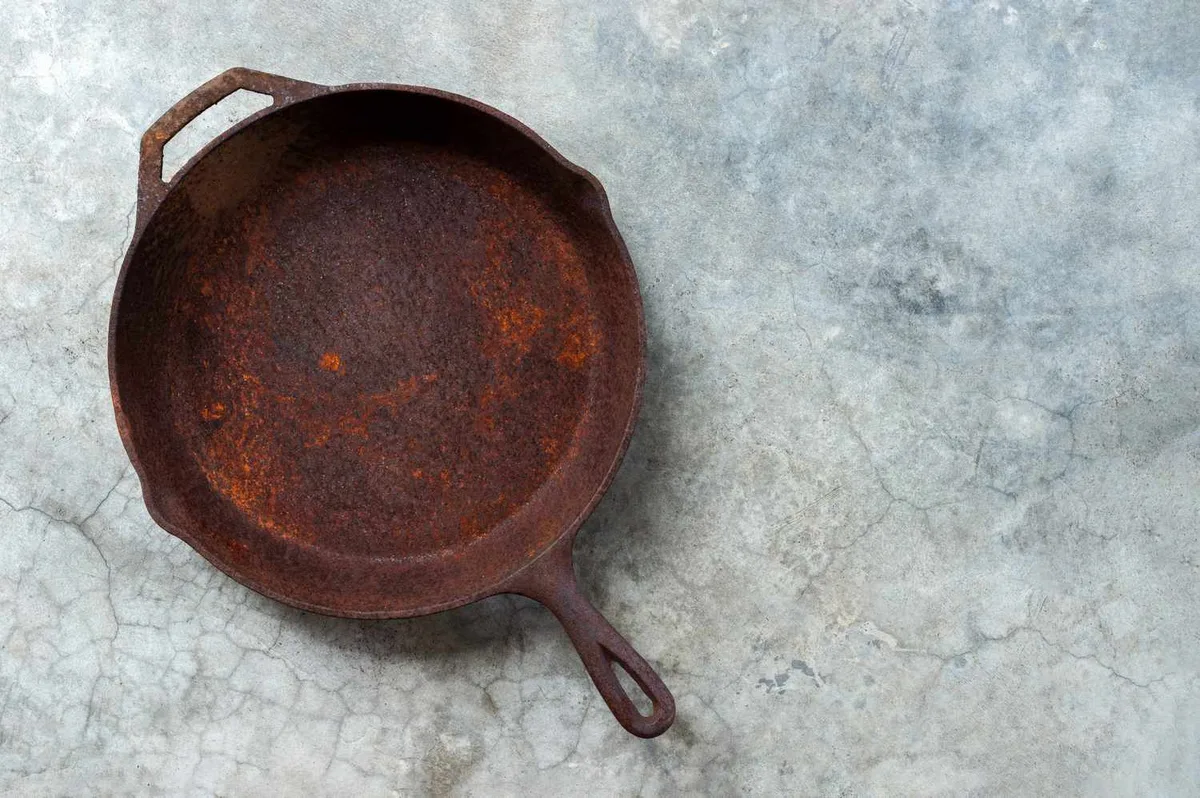
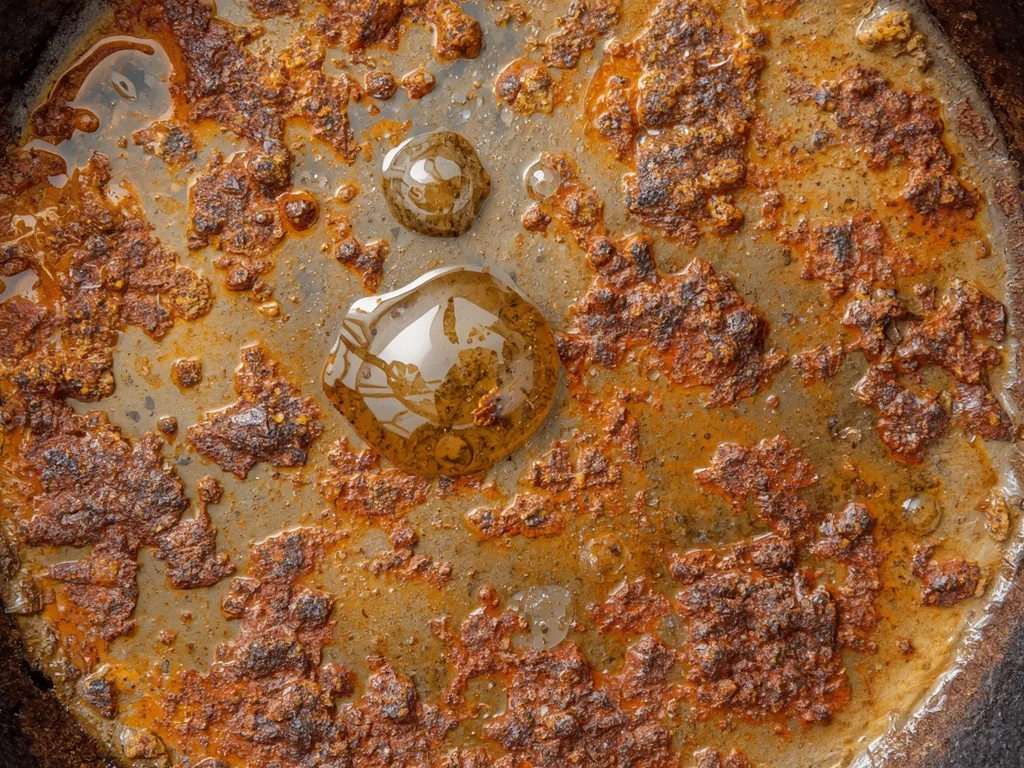
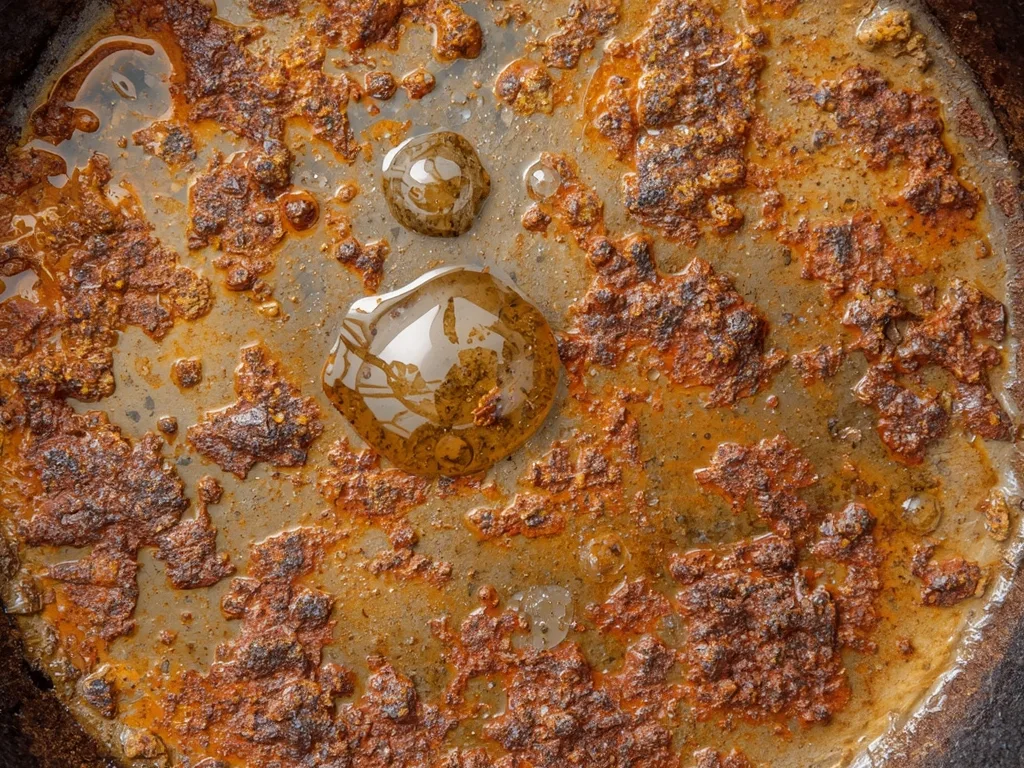
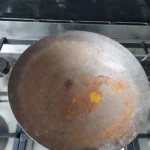
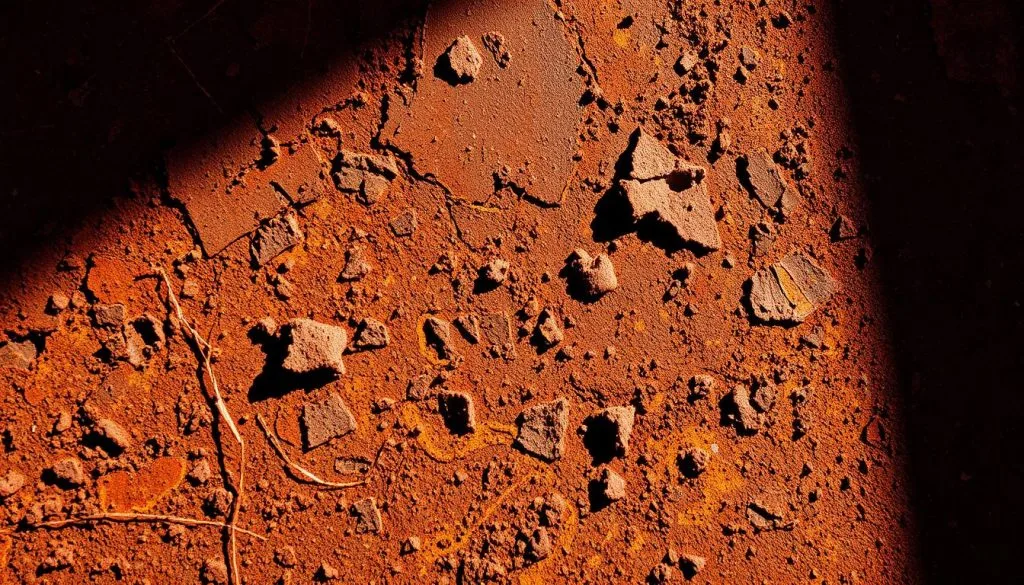
Surface rust looks like orange dust or small speckles. It sits on top of the seasoning. The underlying black layer is still intact.
This is the easiest to fix. You can often scrub it off without stripping the entire griddle.
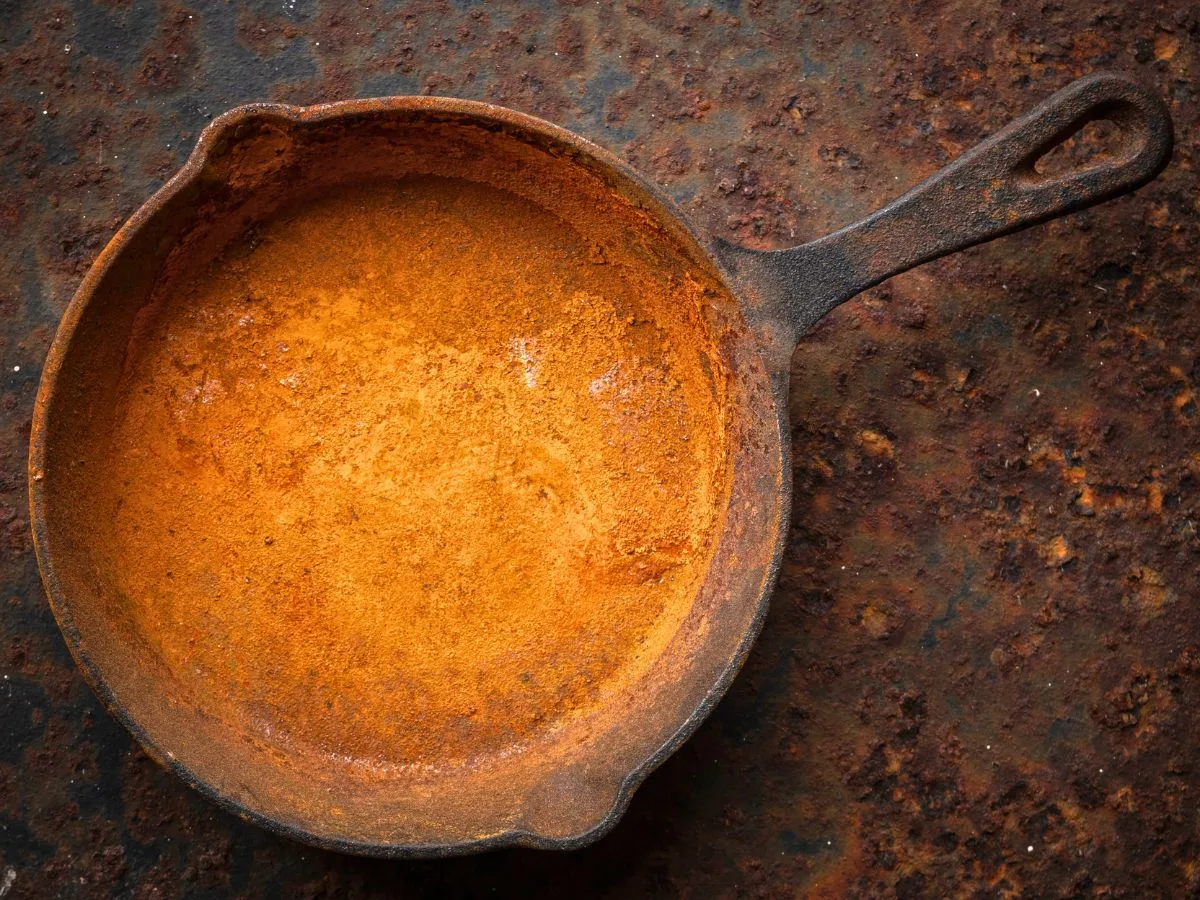
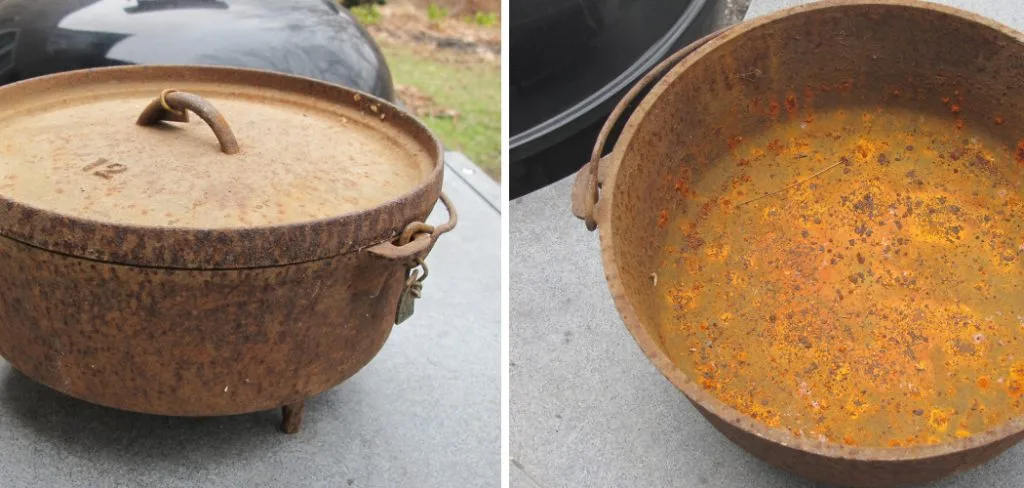
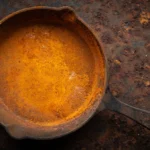
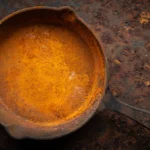
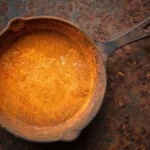
Deep rust looks brown or reddish-brown. It feels rough to the touch. The seasoning beneath it is gone or flaking.
You are looking at bare iron. This requires a full strip and re-season.
Pitting is the worst case. You see small craters or divots in the metal surface. The rust has eaten into the iron itself.
Pitting can sometimes be smoothed out with heavy scrubbing. But deep pitting may be permanent.
Here is a quick assessment checklist before you start:
- Is the rust orange dust or brown crust?
- Can you see black seasoning underneath?
- Does the surface feel smooth or rough?
- Are there any visible pits or holes?
Run through those four questions. Your answers determine which branch of the decision tree you follow. Surface rust with seasoning underneath needs gentle treatment.
Bare iron with heavy rust needs aggressive removal. Pitted iron may need replacement.
One more thing. If the griddle is vintage or antique, test it for lead before you do anything else. Old cast iron was sometimes used for melting lead.
A home lead test kit from a hardware store costs about ten dollars. That is cheap insurance.
The Decision Tree: Choose Your Cleaning Method
Now match your rust level to the right cleaning method. There are three main branches.
Branch A: Light Surface Rust, Seasoning Intact
This is the best-case scenario. The rust is just sitting on top of the seasoning layer. You do not want to strip that seasoning off.
Tools needed: Coarse salt, paper towel or a soft cloth, a small amount of cooking oil.
Steps:
- Pour a tablespoon of coarse salt onto the griddle surface.
- Add a few drops of oil to the salt to make a paste.
- Scrub the salt into the rust using a paper towel or cloth.
- The salt acts as a mild abrasive. It lifts the rust without damaging the seasoning underneath.
- Rinse the griddle with warm water.
- Dry it immediately on the stovetop over medium heat.
- Apply a thin coat of oil and heat it until it smokes slightly.
That is it. You are done in under ten minutes. This method works for about 80 percent of home rust cases.
Branch B: Moderate Rust, Patchy Seasoning
The rust covers a larger area. The seasoning is flaking or worn away in spots. You need something stronger than salt.
Tools needed: White vinegar, water, steel wool (fine grade 0000), baking soda, paper towels.
Steps:
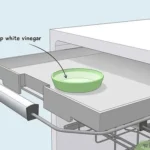
- Mix equal parts white vinegar and water in a container large enough to hold the griddle. Or fill a spray bottle and saturate the rusty areas.
- Soak the griddle or keep it wet for 30 minutes. Check the rust every 15 minutes. Vinegar dissolves iron oxide, so you want to remove the rust, not eat into the iron.
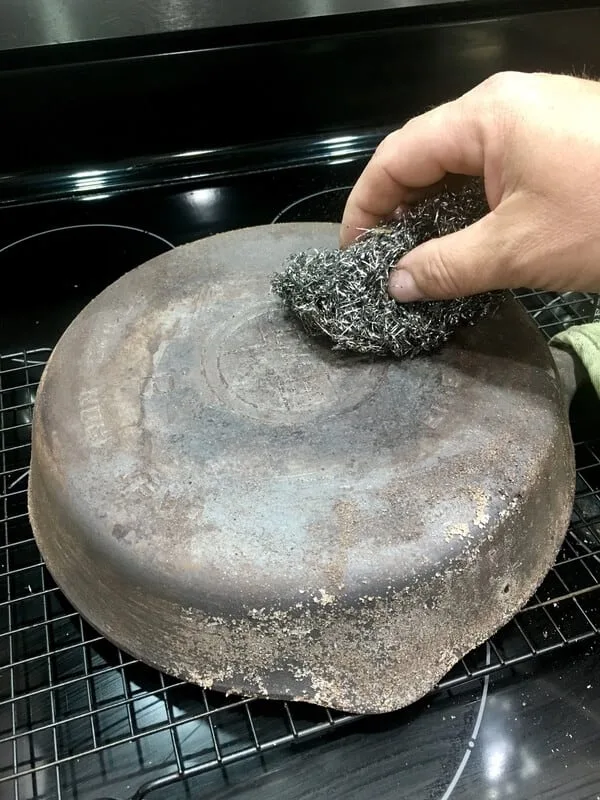
- After 30 minutes, scrub with fine steel wool. Work in circular motions.
- Rinse thoroughly with water mixed with a teaspoon of baking soda. This neutralizes the vinegar and stops the acid action.
- Dry the griddle immediately on the stovetop until no moisture remains.
- Inspect the surface. If rust remains, repeat the soak and scrub cycle.
This branch typically takes 30 to 60 minutes of active work.
Branch C: Heavy Rust, No Seasoning Left
The griddle is mostly brown. Maybe it sat in a damp garage for months. The seasoning is completely gone.
You are starting from bare iron.
Tools needed: Oven cleaner (lye-based), or an electrolysis tank setup, steel wool, vinegar.
Steps:
- Spray the entire griddle with lye-based oven cleaner.
- Place it inside a plastic garbage bag. Seal it shut.
- Let it sit for 24 to 48 hours. The lye eats away seasoning and rust.
- Remove the griddle wearing rubber gloves. Rinse it thoroughly.
- Scrub with steel wool to remove any remaining residue.
- Follow with a vinegar soak if any rust spots remain.
- Rinse, dry, and move immediately to re-seasoning.
This is the most labor-intensive route. But it fully restores the griddle to bare iron. You can build fresh seasoning from scratch.
How to Re-Season Your Griddle After Rust Removal
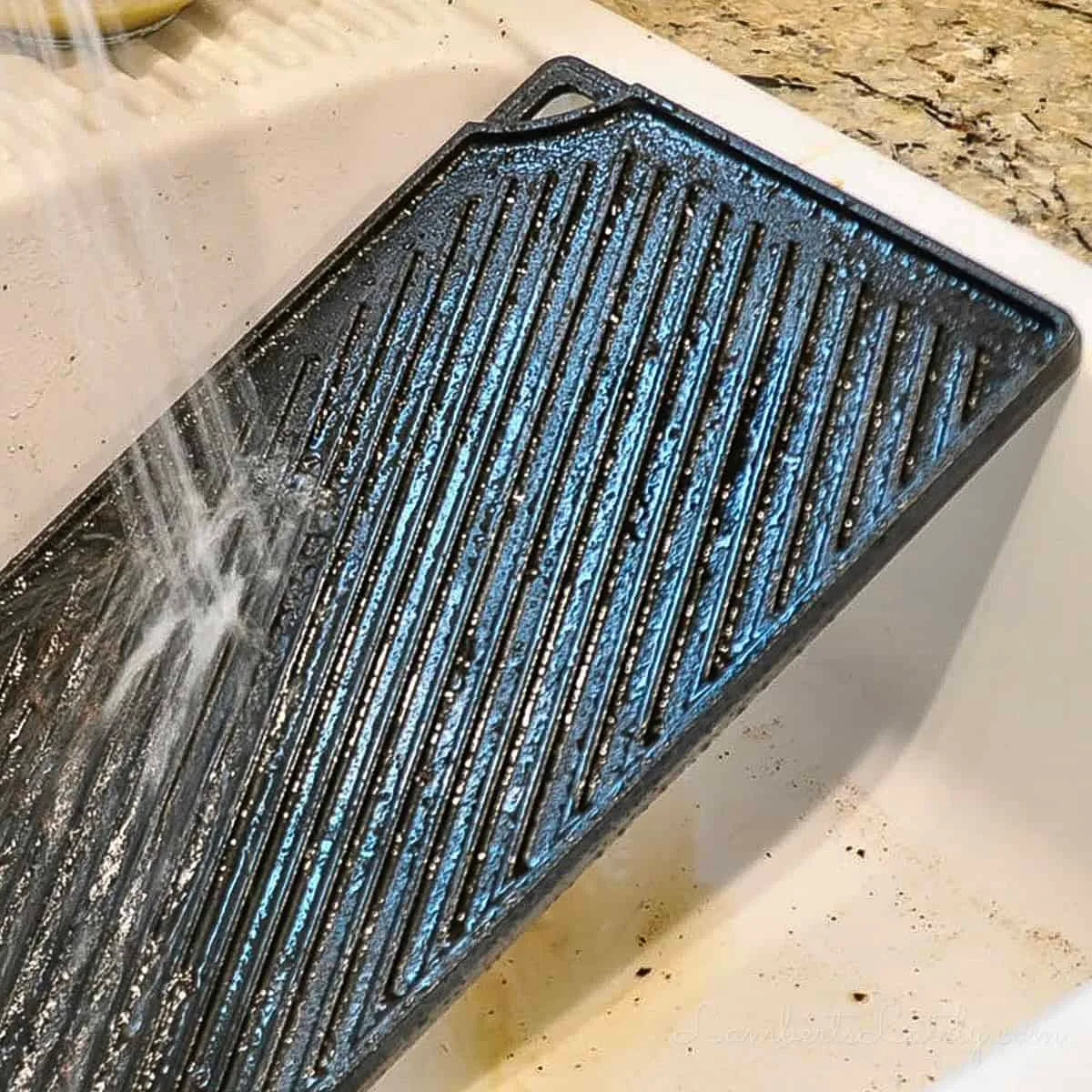
Once the rust is gone, you cannot just put the griddle away. The bare iron will flash rust within minutes if exposed to air and moisture. You need to build a protective seasoning layer immediately.
Oil Selection
Choose an oil with a high smoke point. This creates a hard, durable polymer layer. Good options include:
- Canola oil (smoke point 400 degrees Fahrenheit)
- Vegetable oil (400 degrees)
- Grapeseed oil (420 degrees)
- Crisco shortening (360 degrees, but works well)
Avoid flaxseed oil. It sounds great on paper. It creates a very hard seasoning.
But it is brittle. Aggregate reviews from experienced cast iron users report that flaxseed oil seasoning flakes off within months. Canola or vegetable oil is more forgiving.
The Thin Layer Rule
Most people use too much oil. That is the number one seasoning mistake. A thick layer of oil turns sticky and gummy.
It never hardens properly.
Apply oil to the warm griddle. Then wipe it off with a clean cloth. Then wipe it again.
It should look like there is almost no oil left. That thin invisible layer is what you want. The heat polymerizes it into a hard, slick coating.
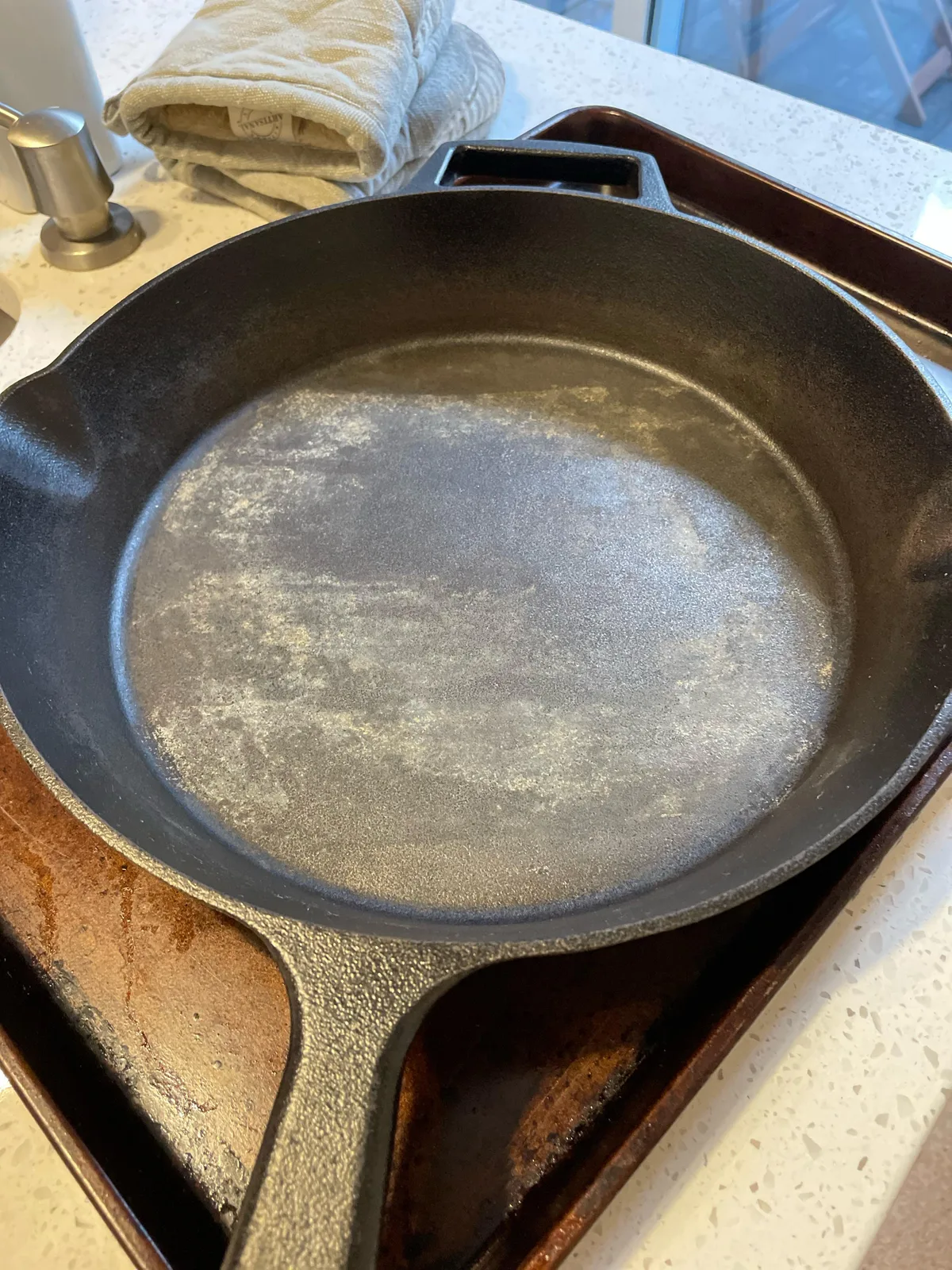
Oven Method
- Preheat your oven to 450 degrees Fahrenheit.
- Place the griddle upside down on the middle rack. Put a baking sheet on the rack below it to catch any drips.
- Bake for one hour.
- Turn the oven off. Let the griddle cool inside the oven.
- Repeat the oil and bake step two to four times. Three layers is the sweet spot for a restored griddle.
Stovetop Method
If the griddle is too large for your oven, you can season it on the stovetop.
- Apply a thin layer of oil.
- Heat the griddle over medium-high heat until it starts smoking.
- Let it smoke for a few minutes. Move the griddle around to heat all areas evenly.
- Turn off the heat. Let it cool.
- Repeat the process two or three times.
The stovetop method works. But the oven method gives more even heat and consistent results.
Common Mistakes That Ruin a Cast Iron Griddle
Knowing what not to do is just as important as knowing the steps. Here are the biggest mistakes people make.
Over-scrubbing. You scrub and scrub to remove every trace of rust. But you also remove the smooth surface of the iron. Cast iron is porous.
The seasoning needs those tiny pores to grip onto. Over-scrubbing with coarse tools can leave the iron too smooth. Seasoning will struggle to stick.
Use fine steel wool, not sandpaper or a wire brush.
Skipping the neutralization step. After a vinegar soak, the iron is still acidic. If you rinse with plain water and dry it, residual acid can continue eating the iron. Mix a teaspoon of baking soda into your final rinse water.
That stops the acid action cold.
Allowing flash rust. Bare iron exposed to air and moisture rusts in minutes. You rinse the griddle. You walk away to answer the phone.
When you come back, there is a thin layer of orange rust already forming. The fix is simple. Dry the griddle on the stovetop immediately after rinsing.
Then apply oil right away. Do not let air hit bare wet iron.
Storing while damp. This is how rust starts in the first place. After washing, dry the griddle on the stove until all water evaporates. Then apply a thin coat of oil before storing.
Store it in a dry place. If you stack multiple pans, put a paper towel between them to absorb moisture.
Washing in the dishwasher. Cast iron should never go in the dishwasher. The high heat and harsh detergents strip seasoning. The moisture promotes rust.
Hand wash only, with minimal soap if needed.
When to Replace Instead of Restore
Not every rusty griddle is worth saving. Some damage is permanent.
Warping. If the griddle does not sit flat on your stove, heat will not distribute evenly. Warping happens from rapid temperature changes, like running cold water on a hot griddle. You cannot fix a warped griddle.
Replace it.
Cracks. Cast iron is brittle. A crack means the metal is compromised. Heating a cracked griddle can make the crack grow.
It can even cause the griddle to split. Do not cook on cracked cast iron. Throw it out.
Deep pitting. Small surface pits from rust can be smoothed out with heavy scrubbing. But deep pitting creates places where food and bacteria can hide. If the pits are more than a millimeter deep, the griddle may never cook evenly again.
Replace it.
Cost comparison. A bottle of white vinegar costs two dollars. A box of steel wool costs three dollars. A container of salt costs one dollar.
Oil costs three dollars. Total restoration cost: about nine dollars. A new Lodge cast iron griddle costs between thirty and fifty dollars.
If your restoration supplies plus an hour of labor are worth that difference, go for it. If the griddle is heavily damaged, buy new.
Vintage pieces. Old cast iron from brands like Griswold or Wagner is often worth saving. The metal is thinner and smoother than modern cast iron. It heats more evenly and is lighter to handle.
Even deep rust on a vintage piece is usually worth restoring because the finished griddle is better than what you can buy new today. But only if there are no cracks or warping.

Similar Posts