Save Your Rusted Cast Iron: A Simple Clean Guide
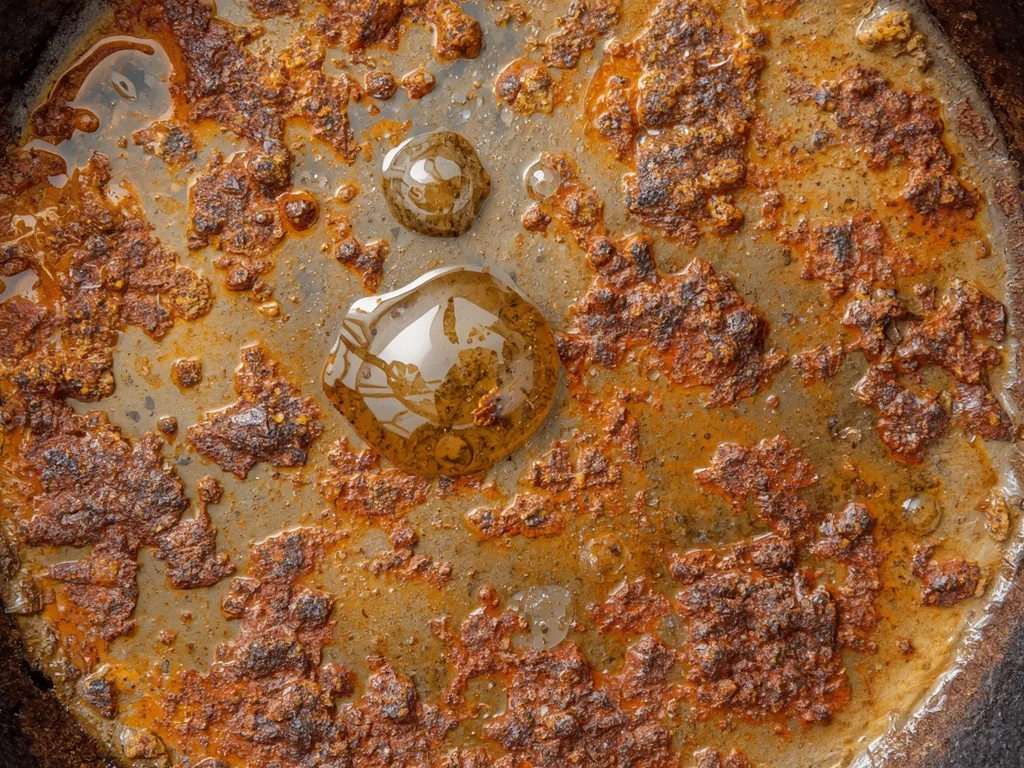
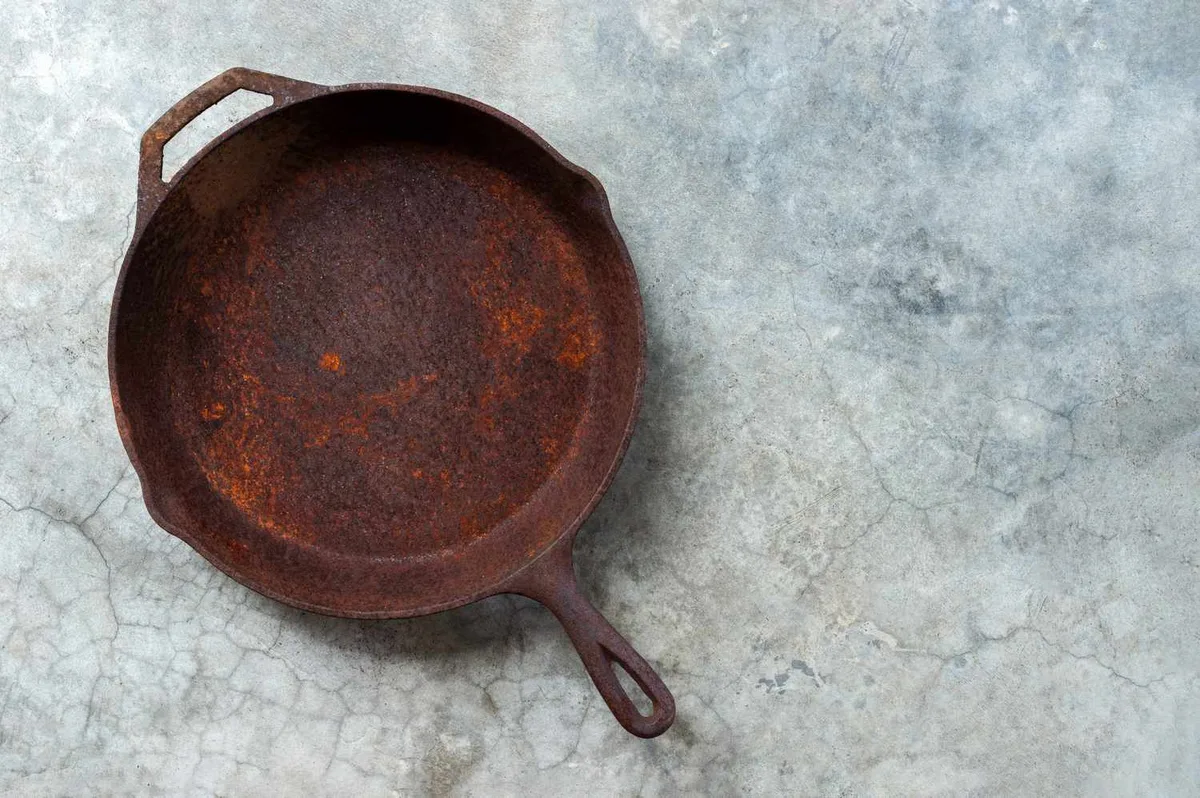
Rust on cast iron looks like a death sentence. It's not. Hundreds of thousands of old skillets get rescued every year.
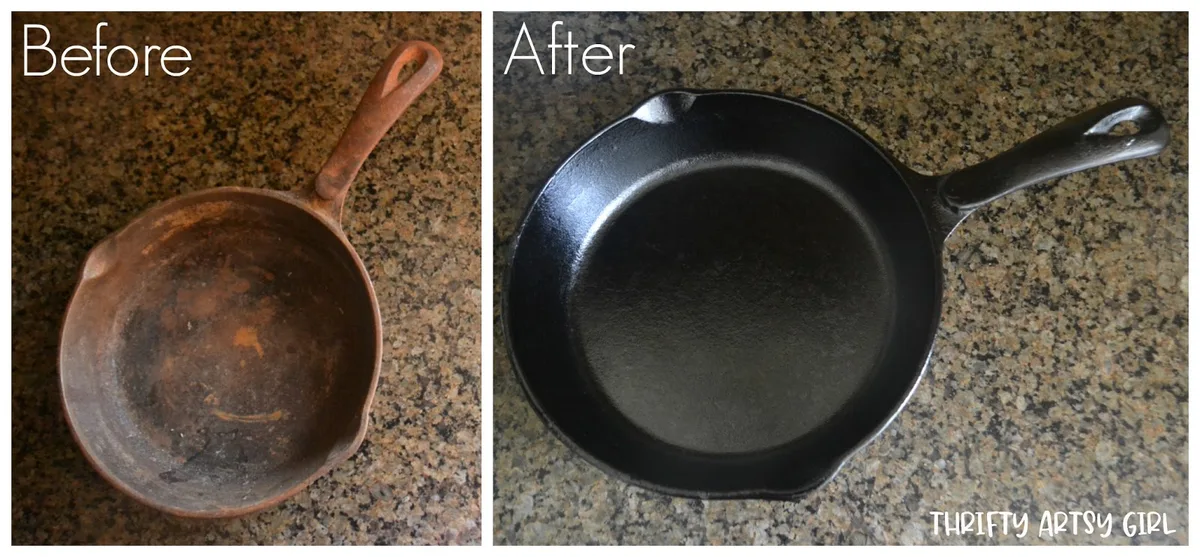
If you learn how to clean cast iron cookware that's rusted, you can bring almost any pan back to life.
In our research, a plain white vinegar soak of 1:1 (vinegar to water) for 30 to 60 minutes will lift 90% of surface rust on its own. Most homeowners already own the tools needed, like steel wool and dish soap. The key is matching your method to the rust level.
Let's start with the first decision: figuring out what you're actually dealing with.
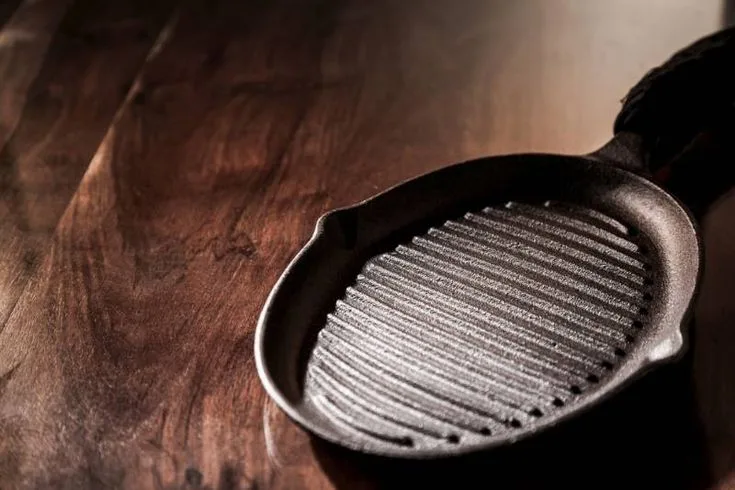
Image source: Bing (Web (fair-use with source credit))
Before You Start: What Kind of Rust Are You Dealing With?
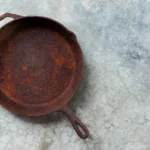
Rust forms when iron meets oxygen and moisture. Bare cast iron is pure iron with a seasoned layer of polymerized oil. Scratch that coating and the underlying metal is exposed to air.
That's how rust gets its foothold.
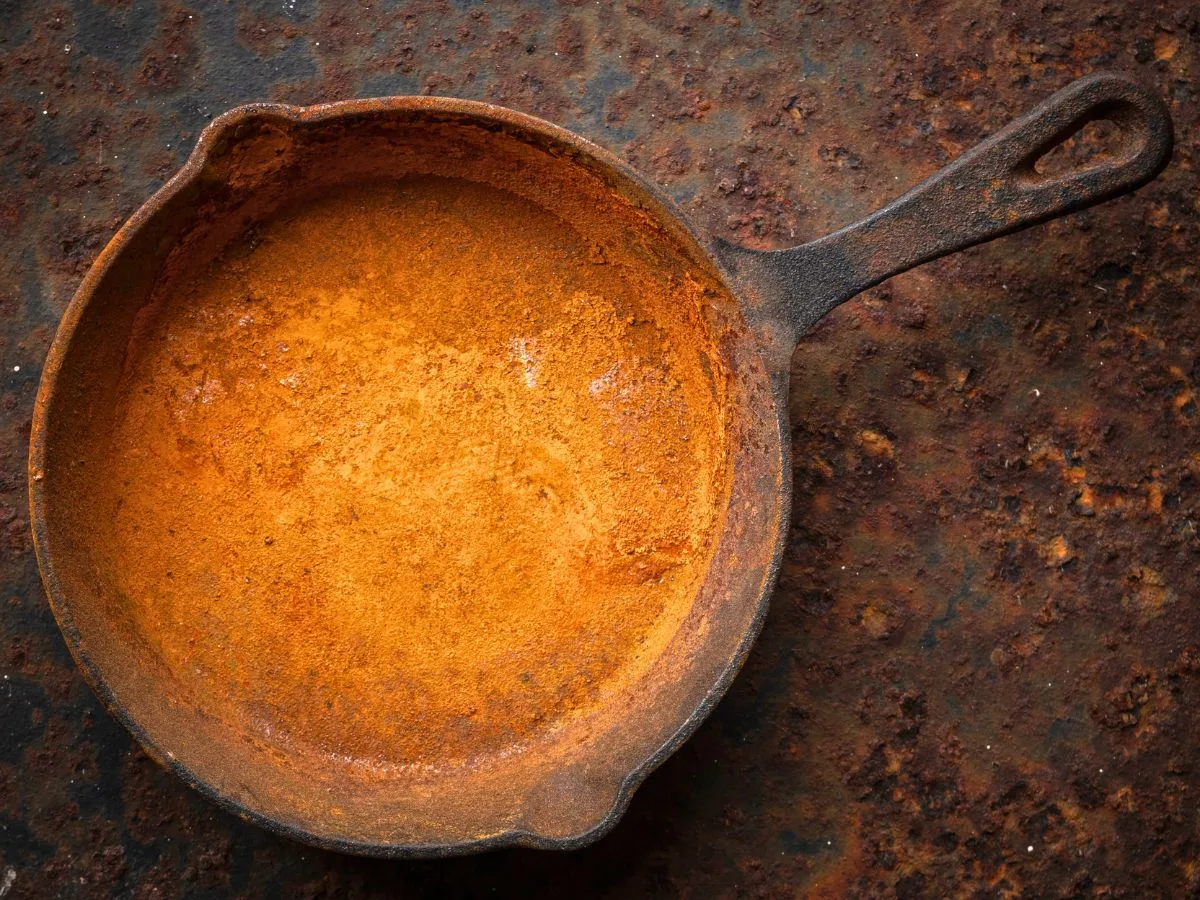
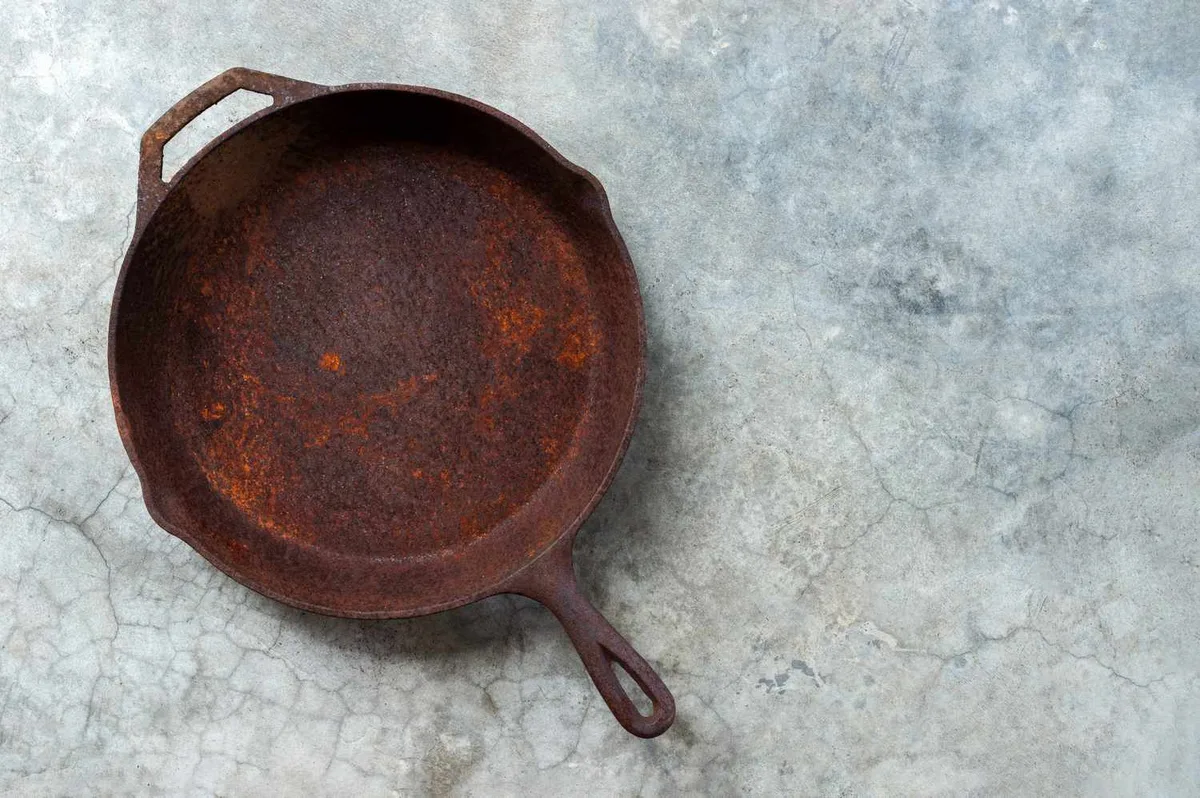
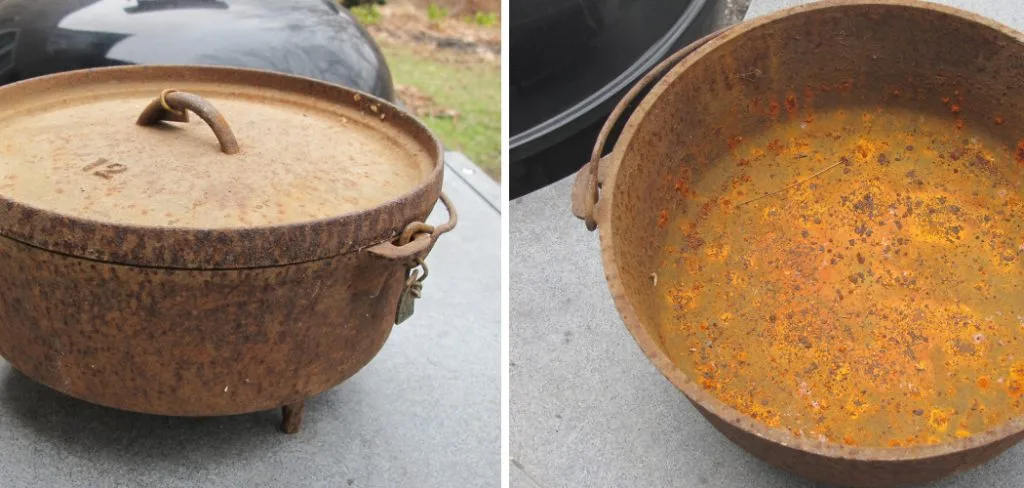
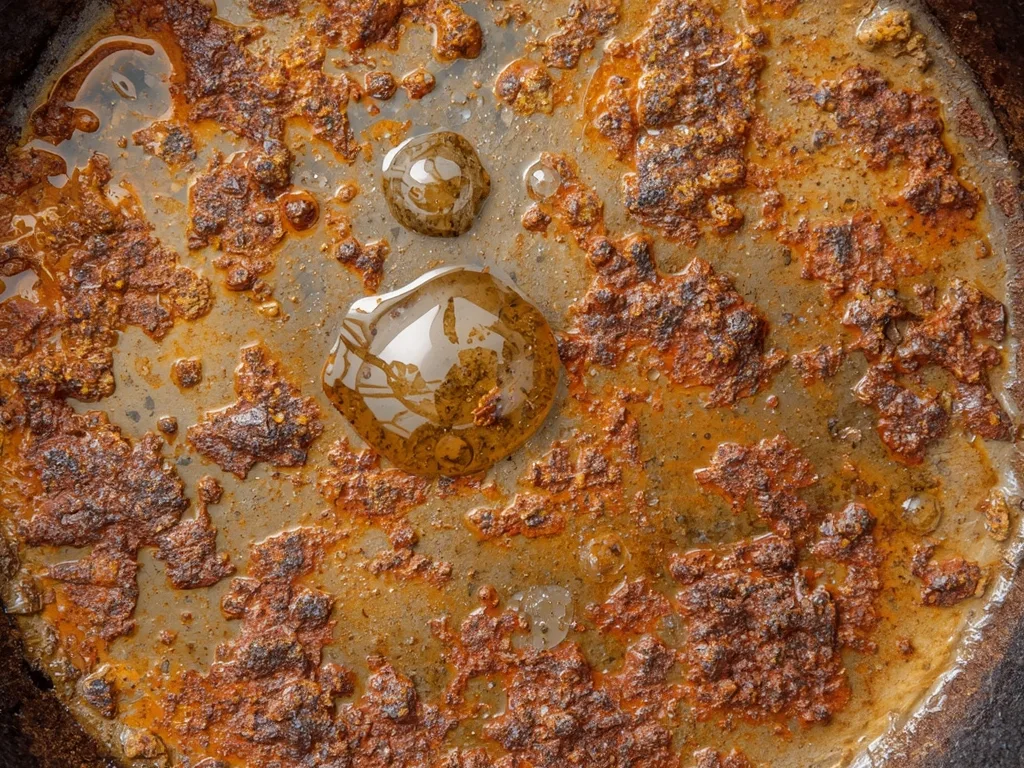
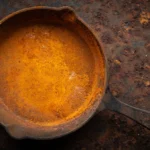
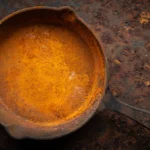
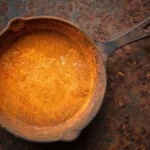
If you can run your finger across the surface and see a bright orange or rust-red residue, you're dealing with surface rust. That's the easiest to remove. If the pan feels rough and pitted, the rust has already eaten into the metal.
It's still salvageable, but the process takes longer.
We'll walk through both paths below. Here's a quick breakdown of the three rust states you'll likely encounter.
| Rust State | How It Feels | Risk Level |
|---|---|---|
| Light / Surface | Dry dust, orange powder | Low |
| Moderate | Rough patches, some pitting | Medium |
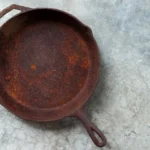
| Heavy / Pitted | Flaking, deep brown pits | High, but recovers |
The Quick Assessment: Is This Pan Even Worth Saving?
Not every rusted pan is worth your time. Check for cracks first. Cracks cause uneven heating and can expand over time.
A deeply warped pan that rocks on a flat stove burner is also a poor candidate, no matter how much seasoning you add.
Enameled cast iron gets special attention. Rust on bare iron is treatable. Rust on enameled iron means the enamel is breaking down.
You can't scrub that off, and the chipped glass can end up in your food. Outside of small nicks, enameled pans with real rust should be retired.
Lead safety also matters, especially for vintage pans. Old skillets sometimes got repurposed for melting lead. If there is any chance a pan held lead, CDC lead safety guidelines recommend testing it before you spend a minute scrubbing.
As of 2026, thrift stores are still full of rusty skillets waiting for a second chance, and a quick lead swab is cheap peace of mind.
The Rust Removal Workflow: Choose Your Path Based on Rust Severity
This is the core of the process. Here's where you decide how aggressive your rust removal needs to be.
Light Rust: Scrub and Rinse
Skip the harsh chemicals for light rust. A few drops of mild dish soap, a scrub brush or chainmail scrubber, and warm water are enough. Scrub the rust off, rinse thoroughly, and dry immediately.
Moderate Rust: Vinegar Soak
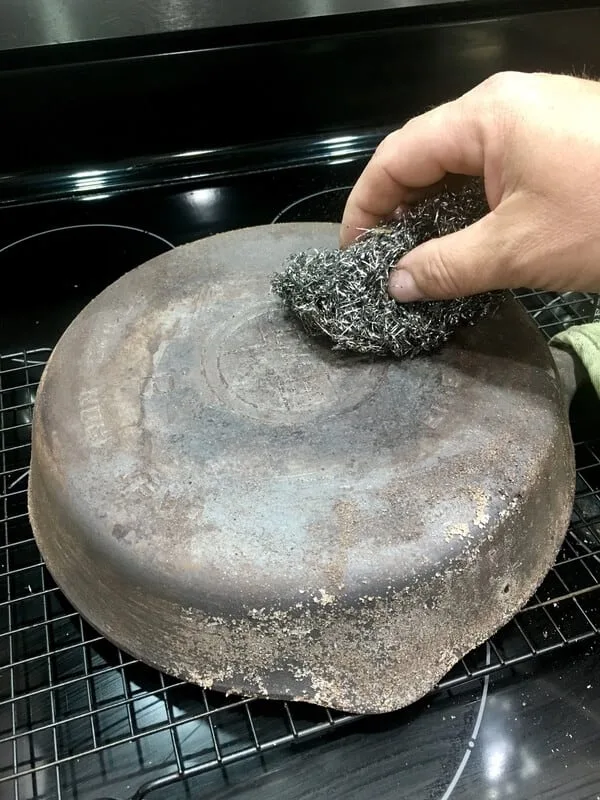
For moderate rust, a 1:1 vinegar and water soak loosens the bond between rust and iron. Let the pan soak in 30 to 60 minute increments, then scrub with steel wool in circular motions. Check the pan every 15 minutes so the acid doesn't start eating the iron itself.
Heavy or Pitted Rust: Sandpaper and Power Tools
For heavy or pitted rust, step up to sandpaper, an electric drill with a wire brush attachment, or even electrolysis. Start with 120 grit, then work up to 220 grit to smooth the metal. Electrolysis is the safest method for preserving a vintage collectible, but it needs a dedicated setup.
How to Remove Every Trace of Rust (Including Flash Rust)
Once the big rust is gone, a thin orange film can appear as the pan dries. That's flash rust. It forms fast when bare iron hits oxygen and water.
Work quickly, and you'll keep it from coming back.
After the final rinse, dry the pan completely with a lint-free towel. Place it on a warm stovetop burner for a few minutes to drive off leftover moisture. Rub a few drops of vegetable or grapeseed oil over the entire surface, inside and out.
That thin barrier stops oxygen from reaching the bare metal.

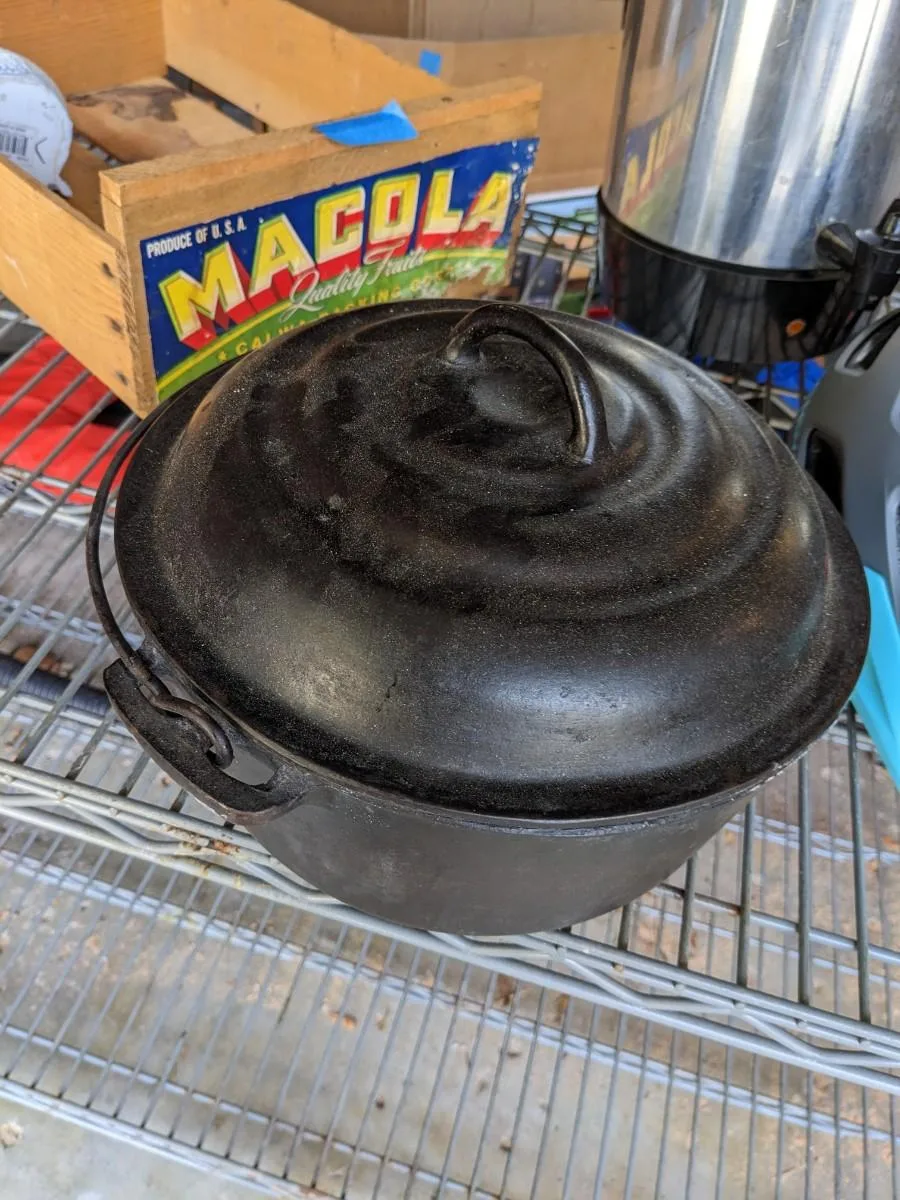
Image source: Bing (Web (fair-use with source credit))
Vinegar is your best friend here. But timing matters. A 5% acetic acid vinegar soak breaks down rust, but leaving it on too long causes pitting.
Rinse off the vinegar completely, because leftover acid will continue attacking the iron.
Reseasoning Your Pan: Building That Nonstick Layer Back Up
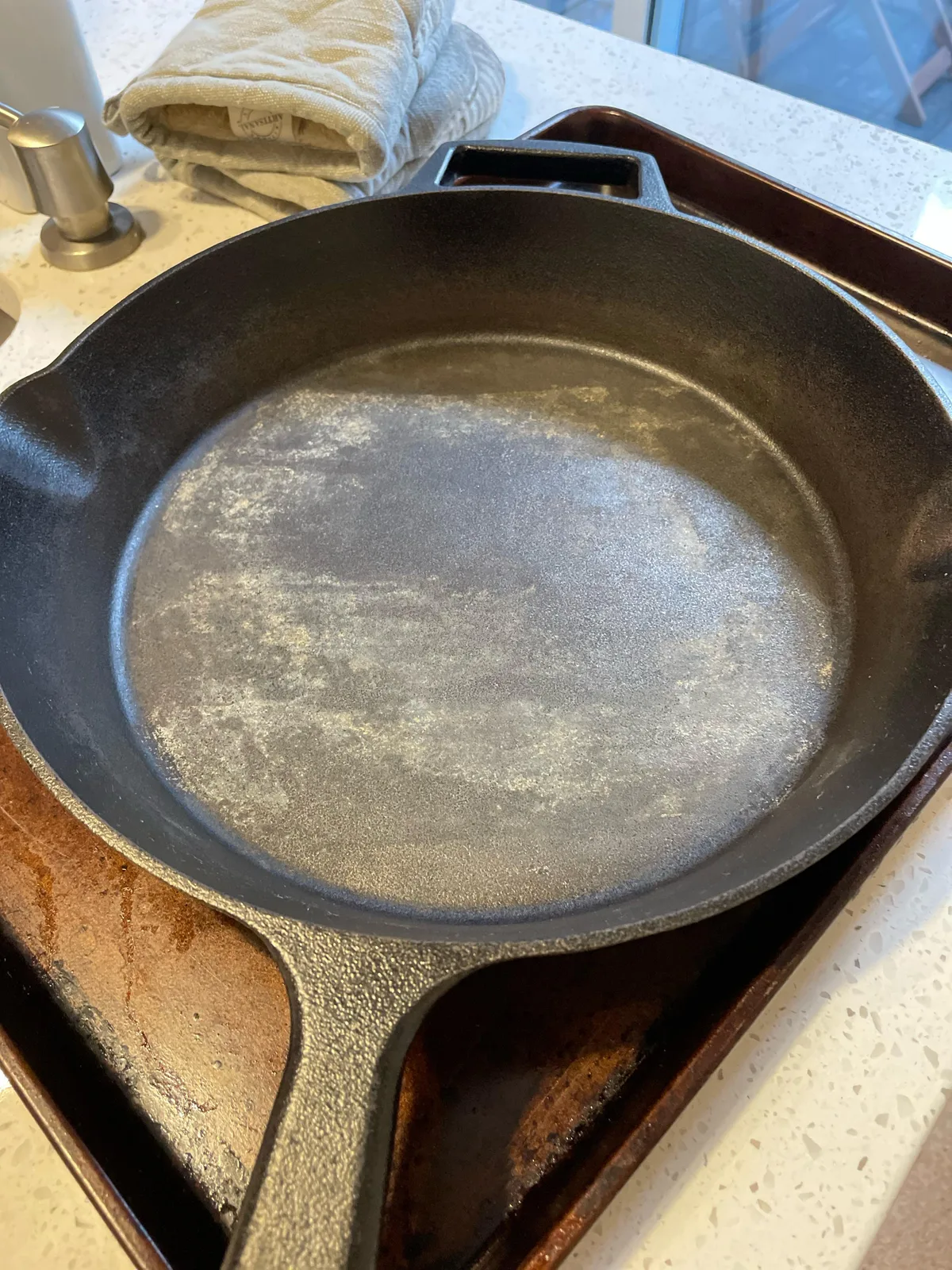
A clean, grey pan is a blank canvas. Now you need to build the seasoning layer.
Set your oven to 450°F to 500°F. Rub a very thin layer of high-smoke-point oil over the entire pan. The phrase "thin layer" is doing the heavy lifting: wipe the oil on, then wipe it off with a clean cotton cloth.
You want just a microscopic slick.
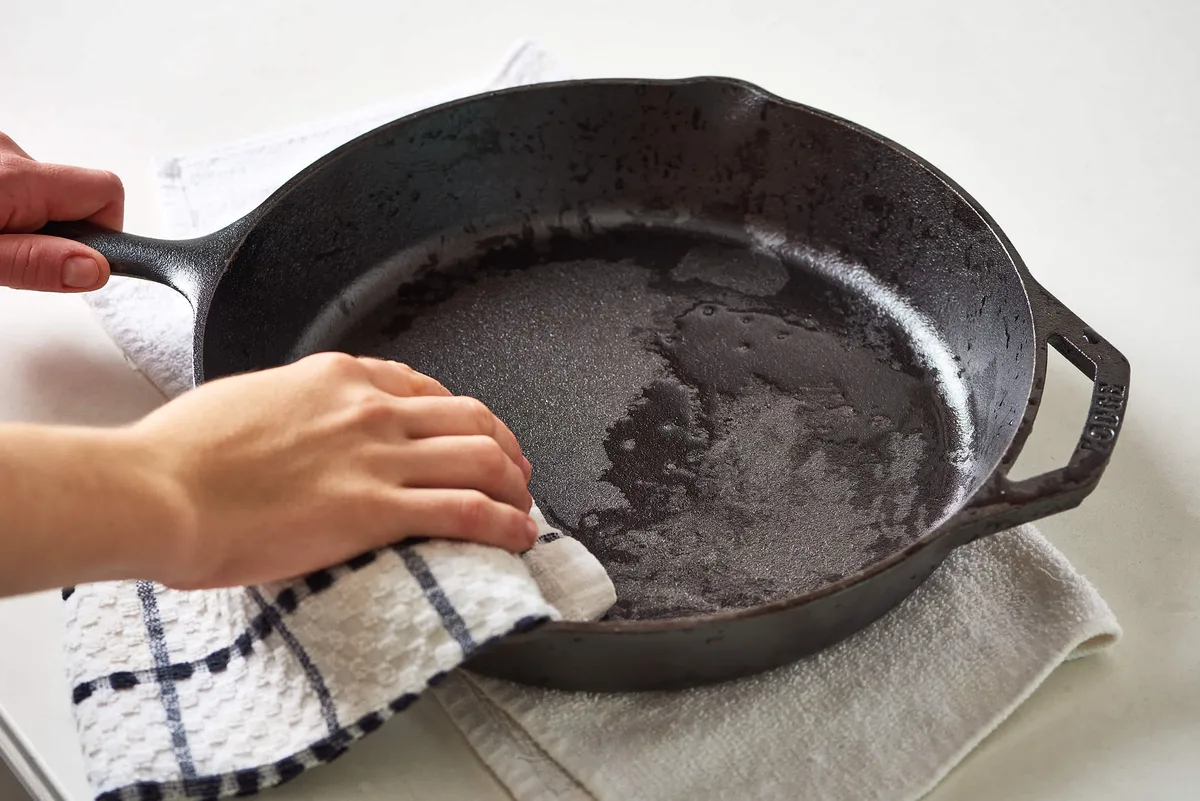
Image source: Bing (Web (fair-use with source credit))
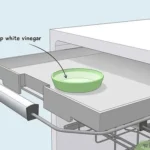
Place the pan upside down on the top rack to catch drips. Put a baking sheet on the lower rack. Bake for one hour, then shut the heat off and let the pan cool inside the oven.
Repeat that process three to four times. Each coat polymerizes the oil, turning it into a hard, nonstick coating. Flaxseed oil gives a hard finish, grapeseed is a reliable workhorse, and plain vegetable oil is a budget-friendly option.
You don't need a boutique brand. A basic bottle from the grocery store works just fine, and the payoff is a one-of-a-kind pan.
Common Mistakes That Ruin a Restoration (And How to Avoid Them)
The biggest mistake is rushing. A 60-minute vinegar soak should stay a 60-minute vinegar soak. Leave it overnight and the acid eats into the iron, creating deep pits that ruin the cooking surface.
Scrubbing too aggressively also backfires. Steel wool is perfect for rust, but it will also strip good seasoning. Stop the moment the grey metal looks clean.
Don't keep grinding.
Another slip is skipping the drying step. Bare iron flash-rusts in minutes. Dry it, heat it on the stove, then oil it before you do anything else.
Cold water left on the surface is a recipe for regret.
Using too much oil when reseasoning causes sticky, blotchy pans. That's not a seasoning failure, that's an oil overload. Wipe it off like you didn't mean to put it on.
How to Keep Rust From Coming Back
Seasoning is your rust armor. The polymerized oil layer blocks oxygen from touching the iron. Keep it intact and rust can't start.
After every cook, wash with mild soap, rinse, and dry thoroughly. Put the pan on a low burner for 2 to 3 minutes to evaporate any trapped moisture. Rub in a tiny drop of oil while it's still warm.
Storage matters more than people think. Cast iron hates humid cabinets and damp basements. Keep it in a dry spot, preferably uncovered or hanging.
If you're in a humid climate, slip a silica gel pack into the cabinet.
Cook acidic foods like tomatoes sparingly. They eat through seasoning and expose raw iron. Cook them often and you'll be right back where you started.
Frequently Asked Questions
Can I use soap on cast iron?
Yes. Modern dish soap is perfectly safe on seasoned cast iron. The old rule came from the lye-based soaps of a century ago.
The polymerized oil coating won't wash off with a few drops of Dawn.
How long should I soak rusted cast iron in vinegar?
Soak in a 1:1 vinegar to water mix for 30 to 60 minutes maximum. Check every 15 minutes. Any longer and the acid starts etching and pitting the iron itself.
Is a rusty cast iron pan still safe to use?
Yes, with one condition. Remove all rust and reseason completely. Cooking on rust adds iron to your food, which tastes metallic.
A fully cleaned and reseasoned pan is perfectly safe.
Why does flash rust keep appearing on my pan?
Flash rust forms when bare iron meets water and oxygen. You skipped the oil step. After drying and heating, apply a thin oil layer immediately to seal the surface.
Can I restore a pan with pitted rust?
Yes, but it takes more elbow grease. Use 120 grit sandpaper to remove deep rust, then smooth with 220 grit. The pits will hold seasoning over time, so the surface becomes nonstick again.
How many seasoning coats do I need?
Three to four coats minimum for a fully stripped pan. Each coat needs a full hour in the oven at 450°F to 500°F. Let the pan cool completely between coats for the hardest finish.

Similar Posts