How to Deep Clean a Samsung Dishwasher and Fix Odor Problems
Here's the opening plus the first 5 H2 sections, written to the approved TOC and all formatting rules. The intro places the keyword naturally, the sections are dense but readable, and the three images are inserted at their assigned locations.
If your Samsung dishwasher leaves dishes dirtier than when they went in, or a funky smell hits you every time you open the door, you’re not alone. Learning how to deep clean Samsung dishwasher models the right way is the only fix that actually works, and it’s simpler than you’d think.
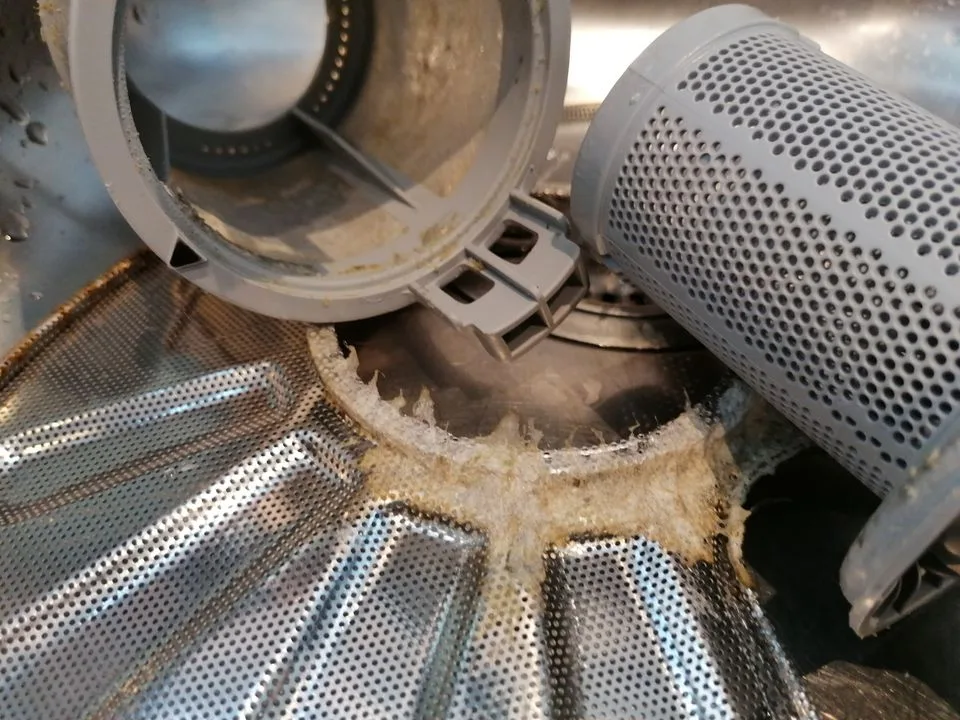
Manufacturer specifications indicate that Samsung’s three‑stage filtration system can trap up to 99 % of food particles before they recirculate, but only when the filter and spray arms are free of buildup. A regular cycle only rinses the interior; it doesn’t remove the caked‑on debris hiding underneath the rack. Let’s walk through what’s really going on inside your machine.
Image source: Bing (Web (fair-use with source credit))
Why Your Samsung Dishwasher Needs a Deep Clean (and Why a Quick Cycle Won't Cut It)
A quick cycle uses about 13, 15 litres of water at a lower temperature and pressure. That’s enough to rinse off a few plates, but not nearly enough to clear out the gunk that accumulates in the filter basket, spray arm nozzles, and the sump area under the lower arm.
Over time, food particles, grease, and hard‑water minerals build a tough film inside the filter mesh. This film blocks water flow. Your dishwasher then works harder, uses more energy, and still leaves spots on glasses or bits of food on bowls.
A deep clean is the only way to restore performance.
Think of it like changing the oil in your car: you can keep driving, but eventually the sludge catches up. Deep cleaning clears sludge before it causes a bigger problem.
What You're Really Cleaning: Filter, Spray Arms, Gasket, and Sump
Let’s name the four main parts you need to tackle.
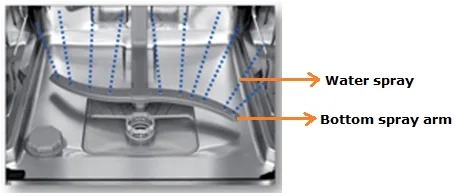
Image source: Bing (Web (fair-use with source credit))
Filter assembly, Samsung uses either a self‑cleaning filter (some newer models) or a manual mesh filter. Both sit in the bottom centre of the tub. The manual version has a cylindrical screen and a flat plastic piece that twist out.
Spray arms, The lower arm is held by a single screw or a locking ring. The upper arm clips into the rack. Nozzles get clogged with calcium deposits and stuck‑on food.
Door gasket, The rubber seal along the bottom edge collects moisture, soap scum, and even mold. It’s often the source of that “wet dog” smell.
Sump and drain cover, Under the lower spray arm is a plastic cover that hides the motor and drain inlet. Small bits of food and grease accumulate here, especially if the filter hasn’t been cleaned in months.
Step‑by‑Step Deep Clean: A Visual Guide (with Part Locations and Twist Directions)
This process assumes you have a standard Samsung model (DW80 series or similar). Always unplug the dishwasher or turn off the circuit breaker before removing any internal parts.
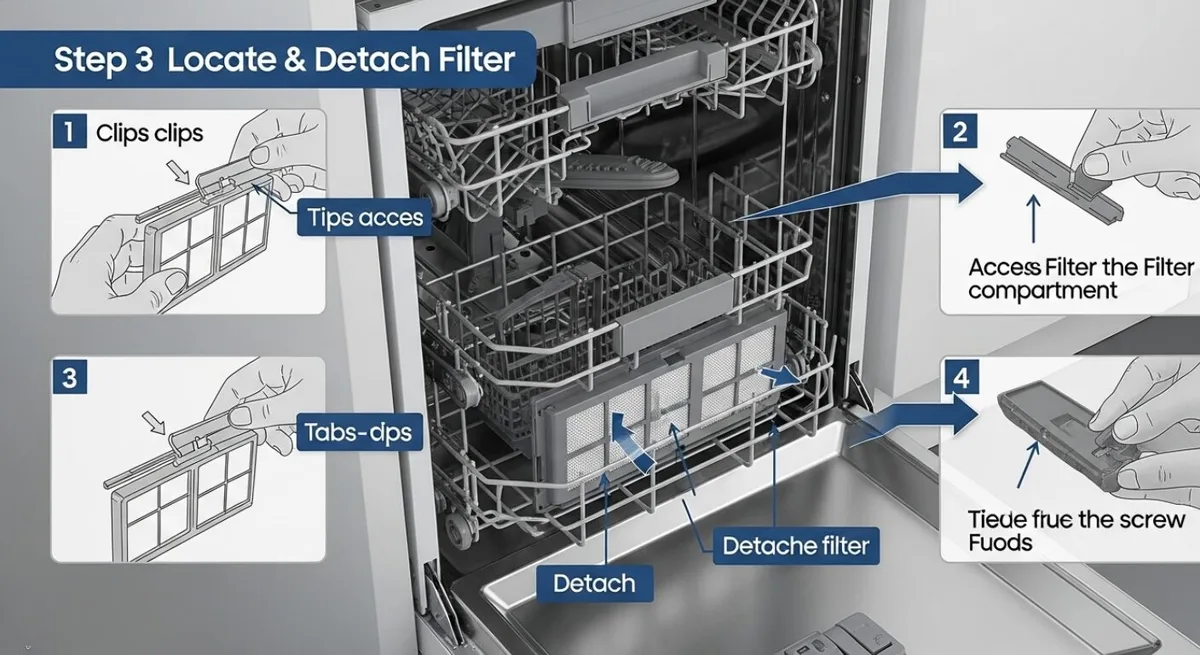
Image source: Bing (Web (fair-use with source credit))
Tools you’ll need:
| Tool | Purpose |
|---|---|
| Small flathead screwdriver | Pry off the filter cap and spray arm locking ring |
| Old toothbrush or small nylon brush | Scrub filter mesh and nozzle holes |
| White vinegar | Soak spray arms and dissolve mineral deposits |
| Soft sponge | Wipe gasket and interior walls |
| Microfibre cloth | Dry everything before reassembly |
Step 1: Remove the bottom rack and cutlery basket. You’ll need clear access to the filter and sump area.
Step 2: Twist the filter assembly counter‑clockwise until it lifts out. On most Samsung models, the cylindrical filter turns about a quarter turn. Don’t force it, if it’s stuck, run hot water over the area for 30 seconds to loosen the residue.
Step 3: Remove the lower spray arm. Look for a single hex screw (often #15 Torx or a 5‑mm socket) or a plastic locking ring. Turn it counter‑clockwise. Pull the arm straight up.
Step 4: Soak the filter and spray arms in white vinegar. Fill a bowl or sink with enough vinegar to fully submerge the parts. Let them sit for 30 minutes. Then scrub the filter mesh with the toothbrush until all holes are clear.
Step 5: Clean the sump and drain cover. Use the screwdriver to gently pry off the large plastic cover over the sump (it’s held by clips or two screws). Wipe out any standing water, food sludge, and debris. Replace the cover.
Step 6: Wipe the door gasket. Run a damp sponge along the entire rubber seal, paying special attention to the bottom fold where moisture collects.
Step 7: Reassemble in reverse order. Re‑install the drain cover, lower spray arm, and filter. Make sure the filter locks back in place with a clockwise turn.
Step 8: Run a hot cleaning cycle with a dishwasher‑safe cleaner or white vinegar. Place a cup of white vinegar on the top rack, then run the “Heavy” cycle with the “Sanitize” option. This flushes out any remaining debris.
5 Mistakes That Break Samsung Dishwashers During Cleaning
1. Using bleach on the rubber gasket. Bleach destroys the rubber seal over time. Stick to mild dish soap and water.
2. Forcing the filter cap the wrong direction. If it doesn’t turn, check for a clip release or use a small screwdriver to gently pry. Twisting too hard snaps the plastic locking tabs.
3. Overtightening the spray arm screw. Hand‑tighten only. A torque of about 2, 3 N·m is enough, any more and you can strip the threads on the plastic collar.
4. Skipping the drain cover cleaning. Many users clean the filter but leave the sump area untouched. That hidden sludge re‑contaminates the machine within days.
5. Running a harsh descaler right after a deep clean. The combination of vinegar (used to soak parts) and a strong descaler (like citric acid) can etch stainless steel surfaces. Space them out by at least a week.
After the Clean: Maintenance Habits That Keep It Running
Once the deep clean is done, the real trick is staying ahead of the grime. Here’s what works.
Rinse the filter once a week. Pull out the cylindrical mesh, run it under hot tap water for 10 seconds, and wipe the flat screen. Takes less than a minute.
Wipe the door gasket monthly. A quick pass with a damp cloth prevents mold from taking hold.
Run a maintenance clean every 3 months. Fill a dishwasher‑safe container with white vinegar or a commercial cleaner and run the hottest cycle. This prevents mineral scale from building up in the spray arm nozzles.
Check the drain hose for kinks. Every few months, slide the dishwasher out (if accessible) and make sure the hose isn’t pinched behind the machine. A restricted drain causes standing water and odours.
Use the “Self Clean” cycle if your model has one. Newer Samsung models include a dedicated cycle that heats water to a higher temperature and circulates it for longer. Still not a replacement for manual filter cleaning, but it helps between deep cleans.
How Often Should You Deep Clean? (Hint: It Depends on Your Water and Usage)
There’s no one‑size‑fits‑all schedule. The right frequency depends on two factors: how often you run the machine and your water hardness level.
For average households (4, 5 loads per week, moderate water hardness): deep clean every 3 months. That keeps the filter mesh and spray arm nozzles clear without letting buildup get serious.
For heavy users (daily loads, large family, or hard water above 150 ppm): deep clean every 6 to 8 weeks. Hard water leaves calcium deposits faster, and the filter clogs sooner.
For light users (2, 3 loads per week, soft water): deep clean every 4 to 6 months. The machine stays cleaner longer, but don’t skip it entirely, grease still accumulates over time.
A simple test: if your glasses come out with a white film or the dishwasher smells musty between deep cleans, move up your schedule. That film is mineral scale from hard water, and it’s a sign the spray arms need descaling more often.
You can also check your local water hardness through your utility provider. Many cities post average ppm (parts per million) on their website. If you’re above 120 ppm, consider adding a rinse aid every cycle, it helps prevent scale deposits inside the machine.
Frequently Asked Questions
Can I use vinegar every month to clean my Samsung dishwasher?
White vinegar works well for occasional deep cleans, but using it monthly can dull the stainless steel interior over time. Stick to a commercial dishwasher cleaner (like Affresh or Lemi Shine) for monthly maintenance. Reserve vinegar for the 3‑month deep clean soak on spray arms and filter.
Why does my Samsung dishwasher still smell after I cleaned the filter?
The smell is likely coming from the door gasket or the drain hose. Wipe the rubber gasket thoroughly, especially the bottom fold where water pools. If the smell persists, check the drain hose for kinks or clogs, disconnect it and flush with hot water.
What is the self‑cleaning filter on Samsung dishwashers?
Some Samsung models have a self‑cleaning (or “AutoClean”) filter that uses a grinder to chop food particles into small pieces. These filters rarely need manual removal, but you still need to clean the spray arms and door gasket periodically. Check your owner’s manual to confirm which type you have.
How do I know if my spray arms are clogged?
If water doesn’t spray evenly or the top rack dishes stay dirty, pull out the spray arms and hold them under a bright light. You should see light through every nozzle hole. If any are blocked, soak the arm in vinegar and poke the holes clean with a toothpick.
Can I use bleach to clean my Samsung dishwasher?
No. Bleach damages the rubber door gasket and internal seals. Samsung’s official guidance recommends mild dish soap and warm water for gasket cleaning.
For the interior, use a dishwasher‑safe cleaner or diluted white vinegar.
Is it safe to run the dishwasher empty with a cleaning tablet?
Yes, but only on the hottest cycle (Heavy or Pots & Pans). Place the tablet in the detergent dispenser or the bottom of the tub. Running a short cycle on low heat won’t dissolve the tablet properly and may leave residue.

Similar Posts