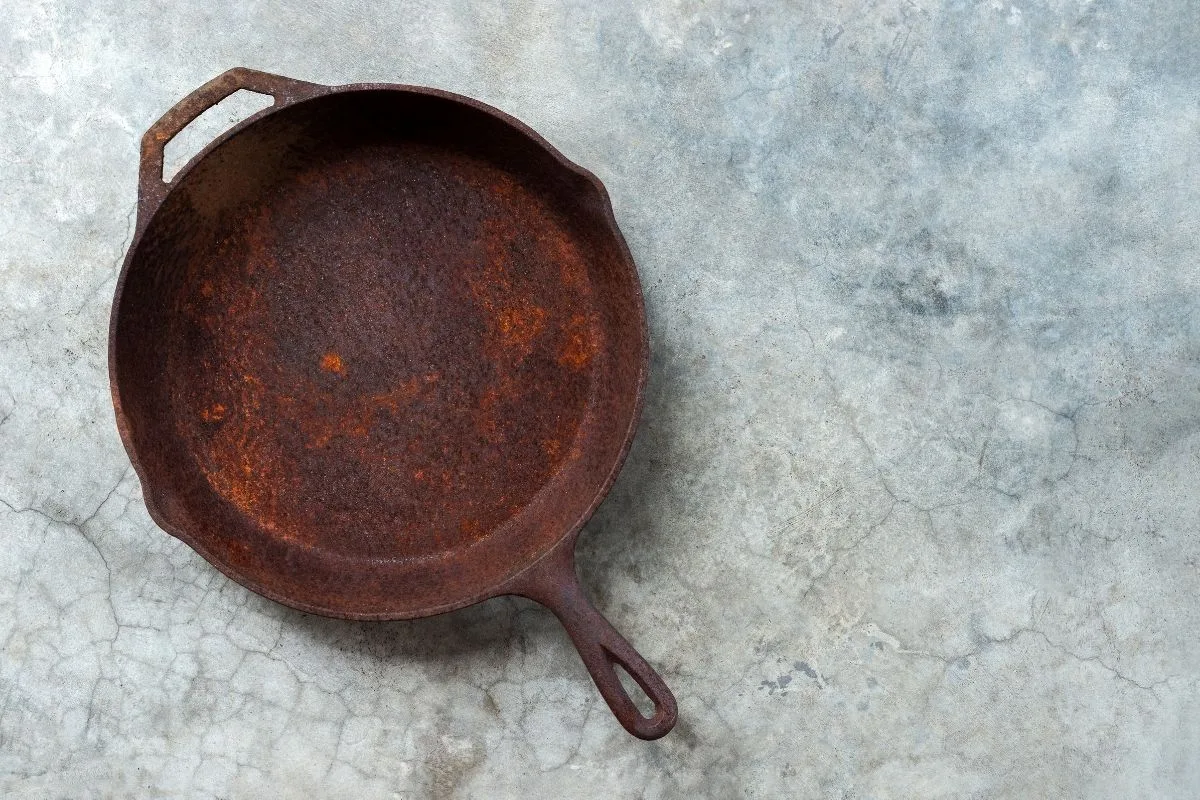
How to Clean a Rusty Cast Iron Skillet Fast
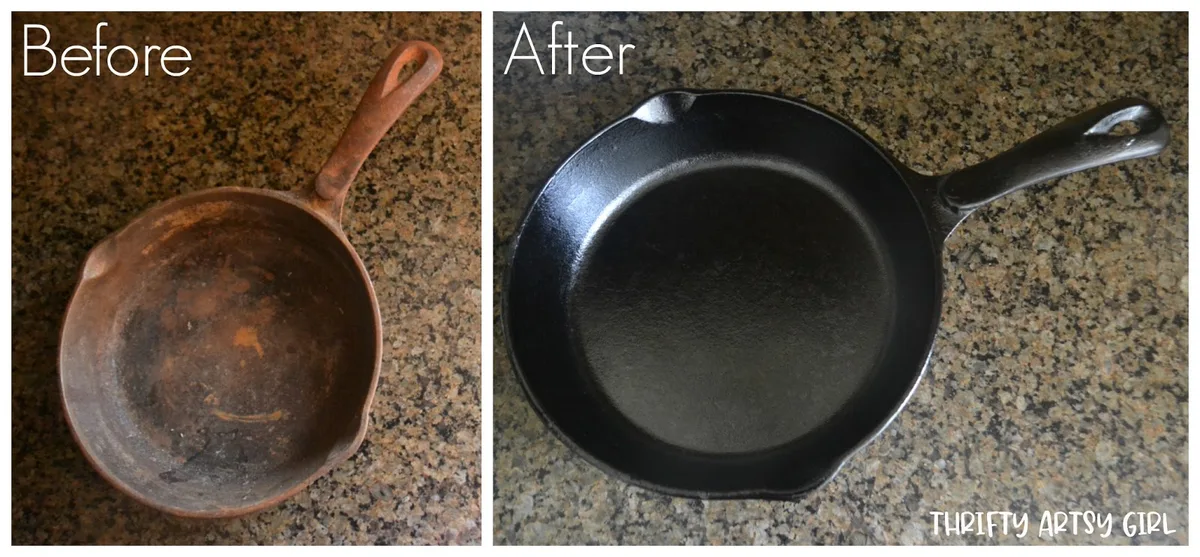
If you're staring at a rusty cast iron skillet, wondering if it's worth keeping, here's the good news: it almost certainly is. The simple answer to how to clean my rusty cast iron skillet comes down to one rule: strip the rust, dry the pan fast, and re-season a thin layer of oil. Cast iron is famously forgiving, and a little surface rust won't ruin a pan that's built to last generations.
A light dusting of surface rust takes roughly 15 to 30 minutes to remove, while a deep soak in a 1:1 vinegar-water mix can start causing pitting if you leave it past about two hours. That's why the first step is always diagnosis, not scrubbing. Once you know which level you're dealing with, the cleanup is methodical, cheap, and usually doable with supplies already in your kitchen.
Let's walk through it.
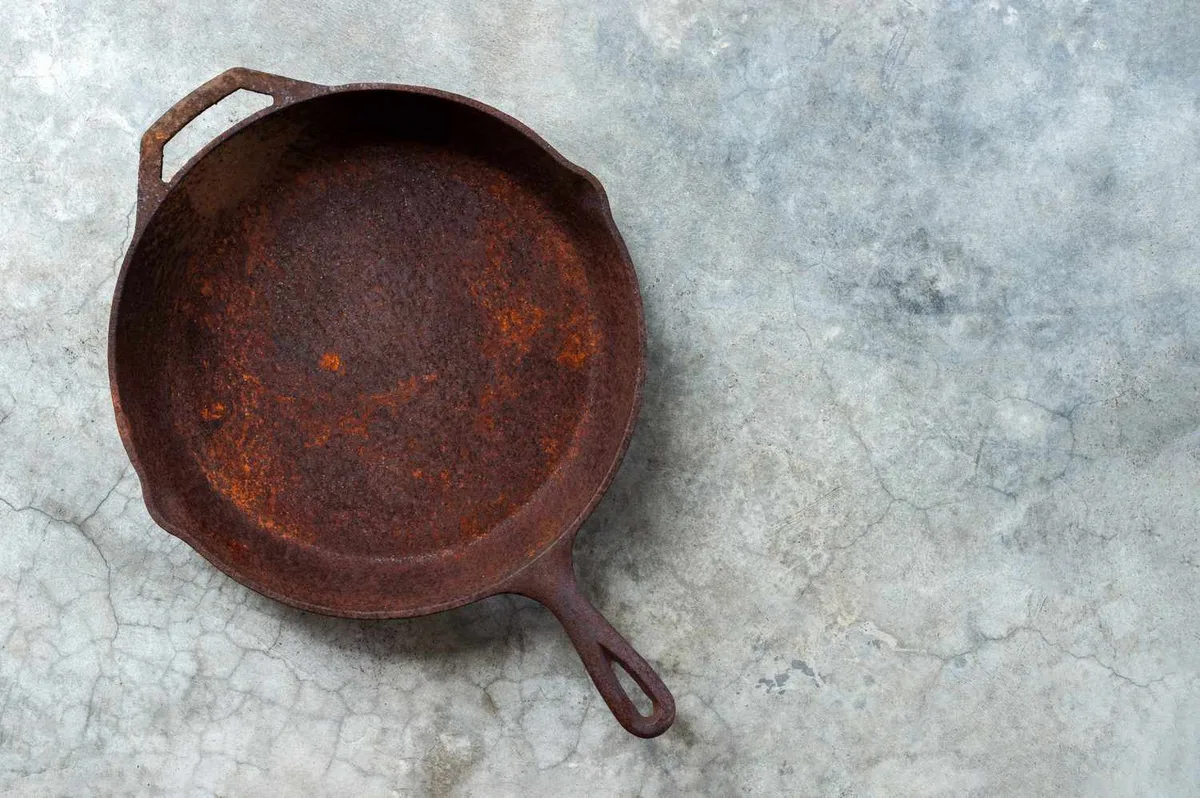
Image source: Web (Bing) / thekitchn.com (Web image (fair-use with source credit))
How Bad Is Your Rust? Diagnose Before You Touch Anything
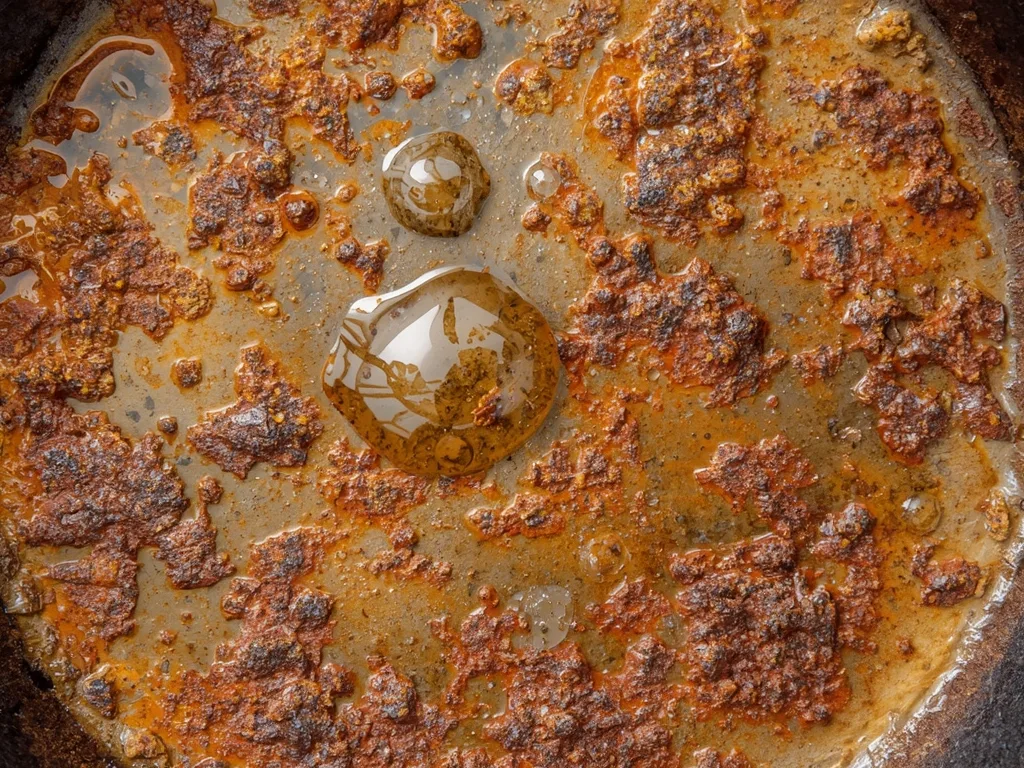
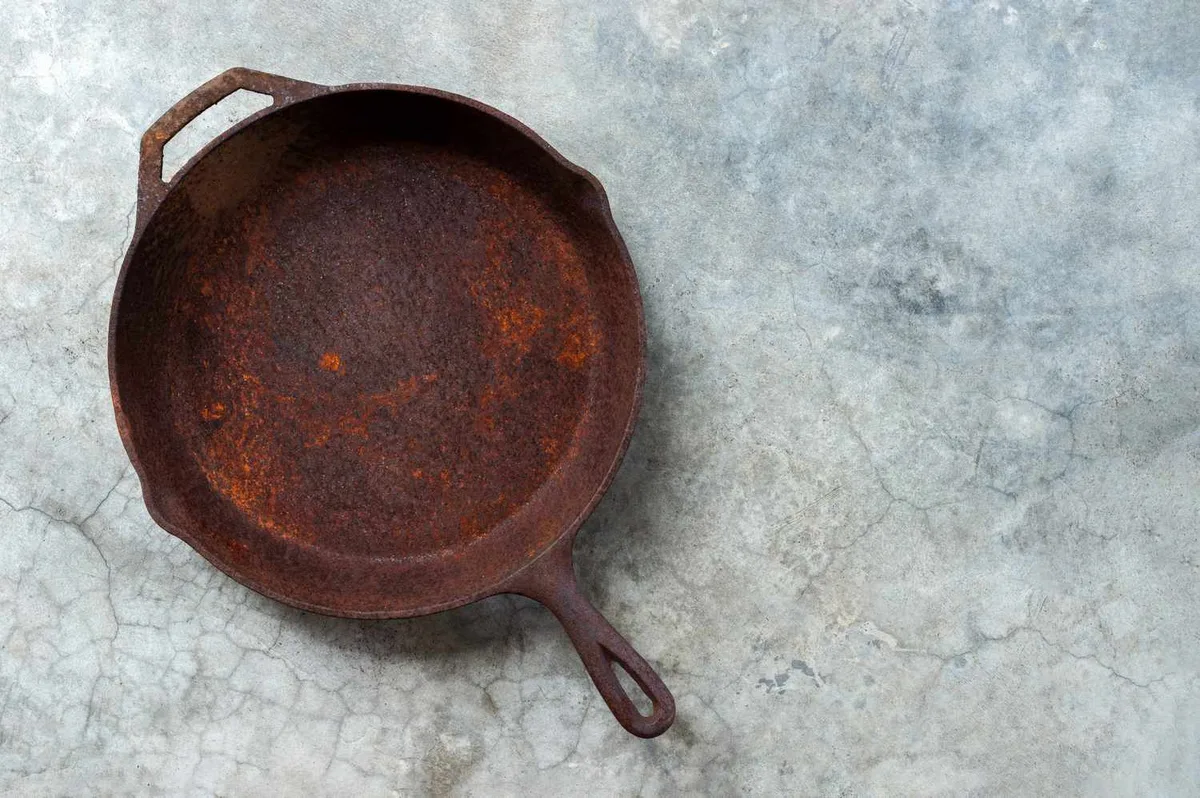
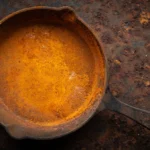
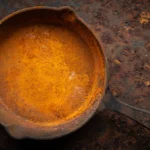
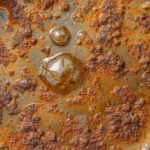
Rub a dry paper towel over the rusted surface. If it picks up orange-brown powder, you're looking at flash rust, a light surface layer caused by moisture sitting on the iron overnight. If the rust feels rough and leaves a dull mark, call it moderate.
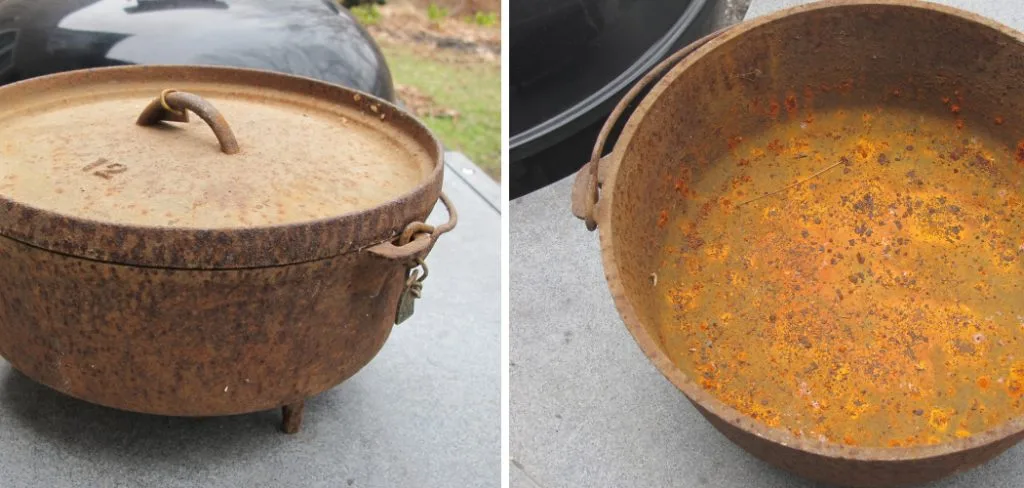
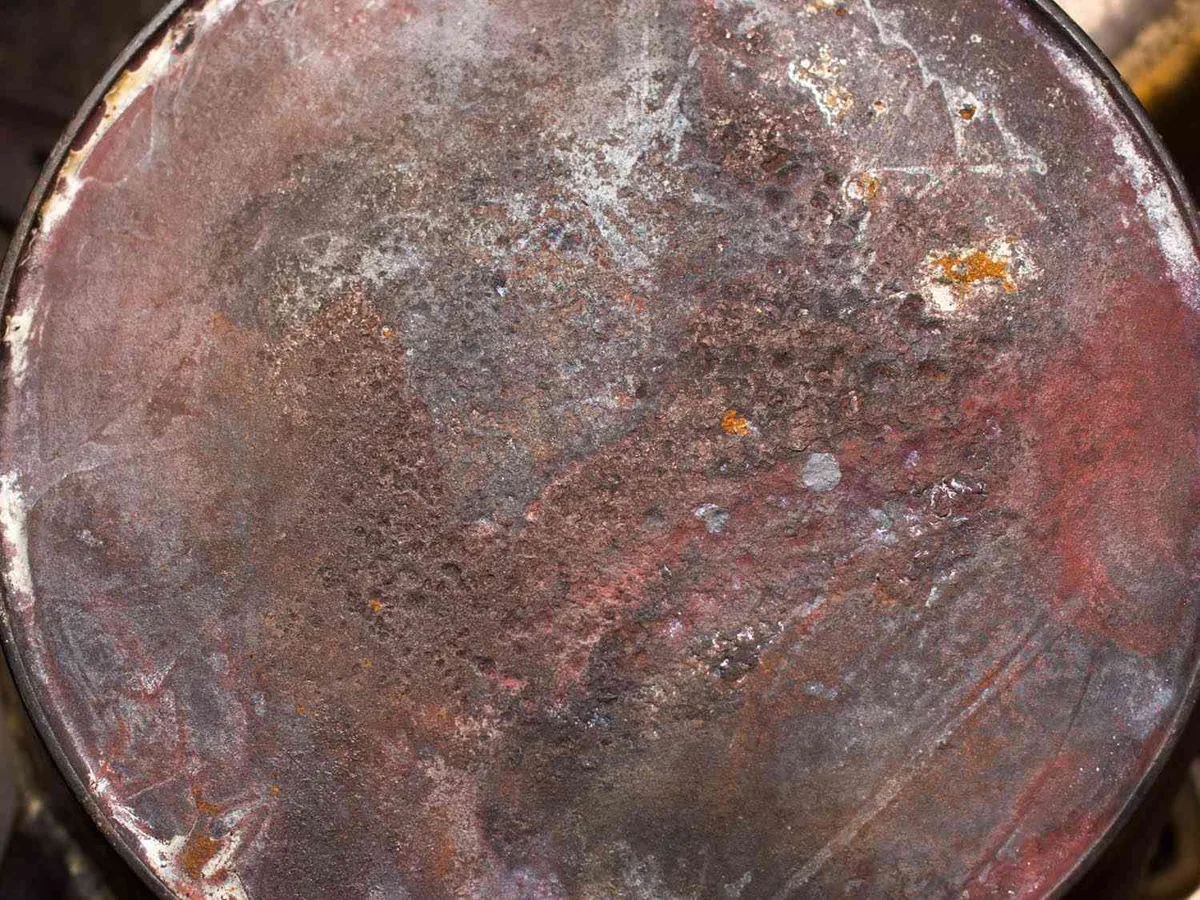
Pitting, where you see small craters in the metal, means the rust has gone deeper and will need a slower approach.
If the rust is light and powdery, scrub it off with fine steel wool and move straight to re-seasoning. If it's thick or flaky, you need a vinegar soak, not just scrubbing. If the surface is pitted, plan on multiple short soaks over a few hours.
One universal rule applies to every case: never leave a cast iron skillet soaking unattended while you do something else.
Before we go further, check whether your skillet is bare iron or enameled. Enameled cast iron, like Le Creuset, has a glossy, glassy coating over the metal. That coating can't handle vinegar, steel wool, or high heat.
Aggressive rust cleaning on an enameled pan will scratch or chip the glass, and chipped enamel is a safety hazard in food. If your skillet has that glossy coat, stop here and use a gentle non-abrasive cleaner instead.
| Rust level | Look and feel | Safest fix |
|---|---|---|
| Light / flash | Powdery orange dust | Steel wool + re-season |
| Moderate | Rough, dull red-brown | Vinegar soak in 15-minute intervals |
| Heavy / pitting | Visible craters | Repeated short vinegar soaks or electrolysis |
Manufacturer guidance from Lodge's official cast iron care page confirms that most home rust can be fixed without power tools or harsh chemicals. The iron itself stays intact as long as you stop the acid wash in time.
The Quick Answer: What to Use for Each Rust Level
Light rust: scrub with steel wool, dry, and re-season. Moderate rust: soak in 1:1 vinegar and water, scrubbing every 15 to 30 minutes. Heavy rust: soak in short intervals or use electrolysis.
Enameled pans: skip vinegar entirely.
Everything else in this guide is the fine print around those three paths. Bare iron takes the full treatment. Seasoned iron needs only a light touch.
And enameled iron, a whole different material, needs none of the harsh stuff.
If you aren't sure which camp your pan falls into, check the underside. A rough, matte, dark-gray surface means bare iron. A smooth, shiny colored coating means enamel.
One more thing: any pan with chips in the enamel shouldn't be used until the coating is repaired or replaced, since the iron beneath can rust and stray glass chips can end up in food.
For the methods below, you'll want a few items on hand.
- Fine steel wool (grade #0000)
- A stainless-steel chainmail scrubber or stiff nylon brush
- White vinegar
- Baking soda
- A lint-free towel
- A neutral high-smoke-point oil like canola or grapeseed
The rest of this guide walks through the three methods in detail, starting with the lightest fix and moving up.
Step by Step: Cleaning a Lightly Rusted Bare Cast Iron Skillet
Light rust is the easiest problem you'll face with cast iron. It usually shows up as a thin orange dust that wipes off on a paper towel. You don't need stripping or soaking, just a bit of disciplined scrubbing.
Here's the process.
- Wash the skillet in hot water with a drop of dish soap. Soap no longer strips seasoning, so it's safe to use.
- Dry it completely with a towel, then set it over low heat for a minute or two to evaporate every drop of water.
- Sprinkle a little coarse salt on the rusted area. The salt adds friction without gouging the iron.
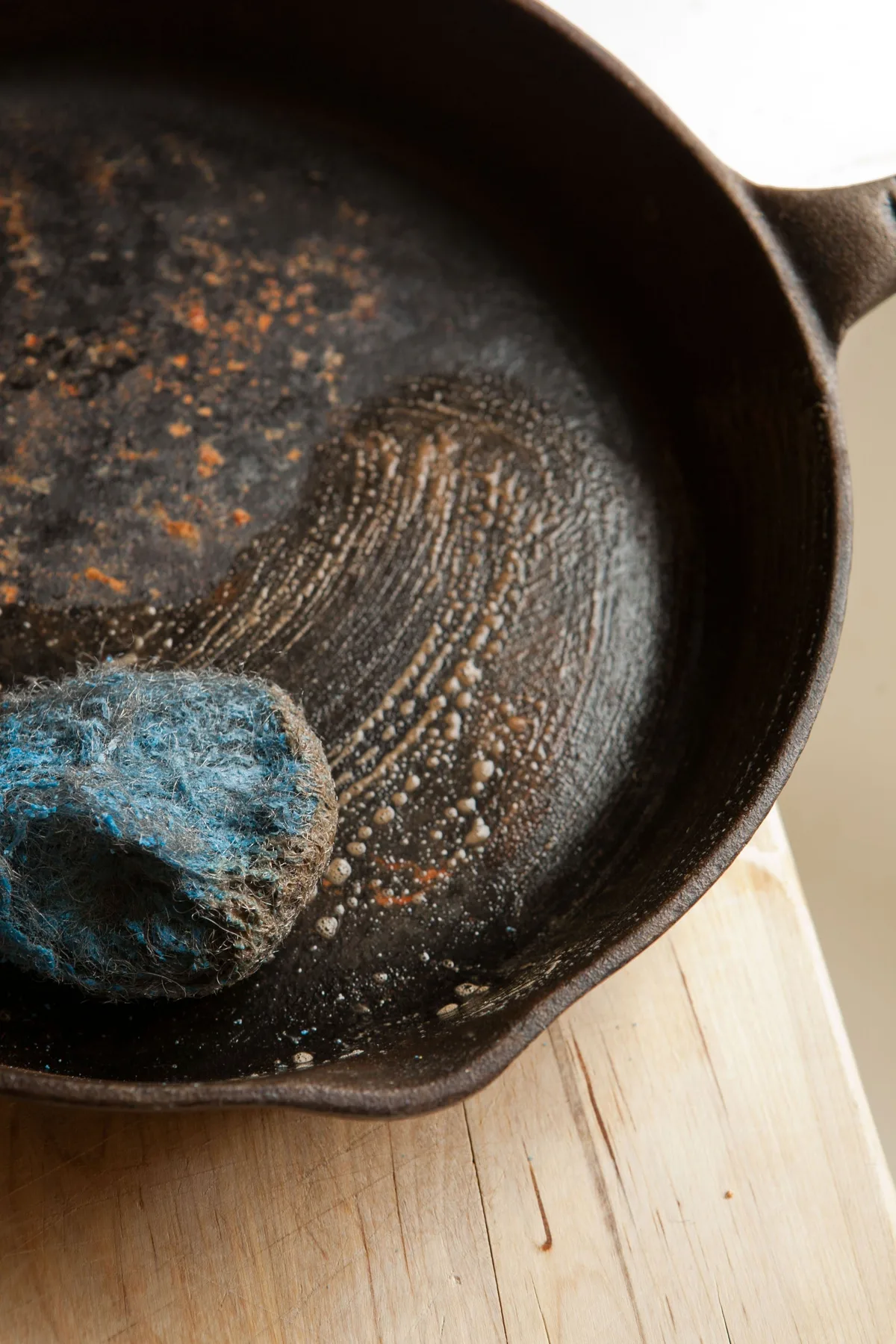
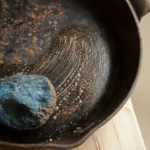
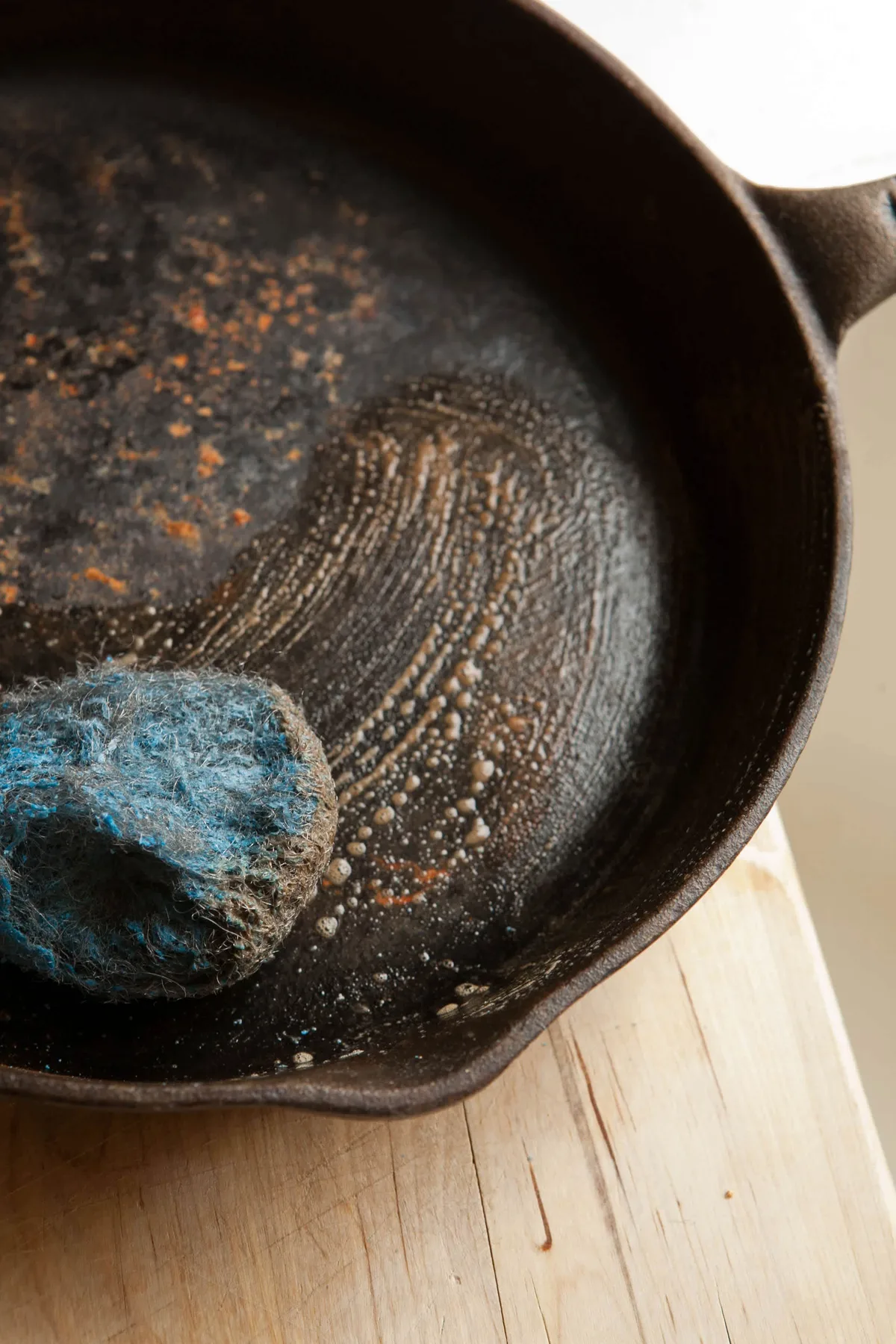
- Scrub with fine steel wool or a chainmail scrubber. Work along the rust, not in circles, until the surface feels smooth.
- Wipe away powder and salt with a paper towel. The metal should look dull gray or seasoned black, with zero orange tint.
- Apply a thin coat of neutral cooking oil to the whole pan.
- Heat it on the stove until the oil just begins to smoke. Then turn off the heat and let it cool.
That's it. You should see a slight sheen across the surface. If rust remains, you're dealing with deeper damage, so jump to the vinegar method below.
Don't press too hard with steel wool on bare spots. Cast iron is durable, but heavy-handed scrubbing can scratch the machined surface and make future seasoning harder.
Heavy Rust and Pitting: When to Do a Vinegar Soak (and When to Stop)
Image source: Web (Bing) / homewisereview.com (Web image (fair-use with source credit))
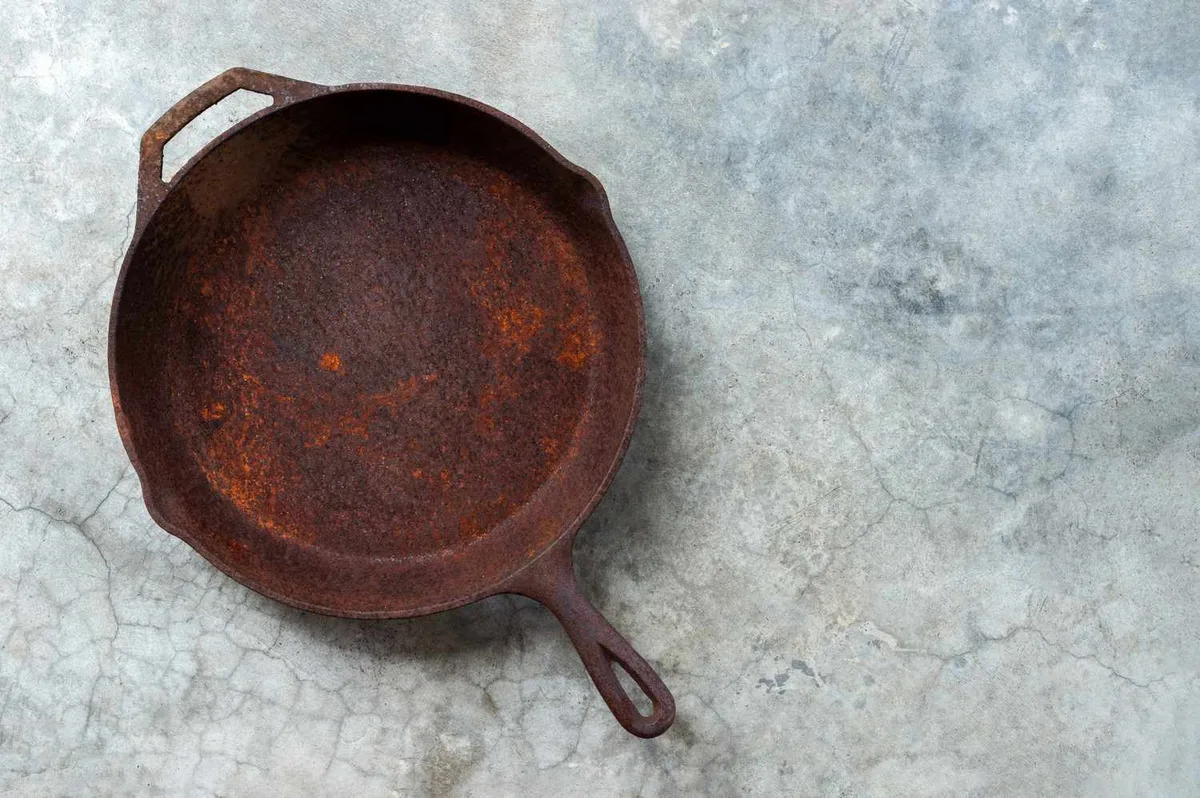
Vinegar is a gentle acid, but it's still acid. The rule of thumb is to soak in 15-minute bursts, then scrub, and repeat until the rust is gone. The maximum total soak time for the entire process is two hours.
After that, the vinegar starts eating the iron itself, and permanent pitting can set in.
Here's the safe sequence.
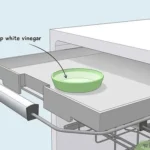
- Mix a 1:1 solution of white vinegar and water in a plastic tub or bucket.
- Submerge the rusted skillet completely. Set a timer for 15 minutes.
- Pull it out, scrub with a stiff nylon brush or steel wool, and assess the progress.
- If needed, put it back in for another 15 minutes. Repeat this cycle until all the flaky rust is lifted.
- Rinse the skillet in clean running water to remove any vinegar residue.
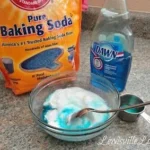
- Make a thin paste of baking soda and water, rub it over the pan, then rinse again. This neutralizes any remaining acid.
- Dry immediately with a towel, then heat it on a stove for a couple of minutes to drive out hidden moisture.
If you see gray metal instead of rust, stop immediately. Gray means the acid has exposed raw iron, and continuing the soak won't help. Scrub away any last rust bits with steel wool, then dry and season the pan quickly to prevent flash rust.
For antique or collectible skillets, skip vinegar altogether. It can etch original machined surfaces, and collectors will spot the loss of patina instantly. Electrolysis, which uses a low-voltage current to lift rust, is the gentler option for museum-worthy pieces.
It takes longer, usually 12 to 48 hours, but it preserves the iron's original surface.
How to Re-Season Your Skillet After Removing the Rust
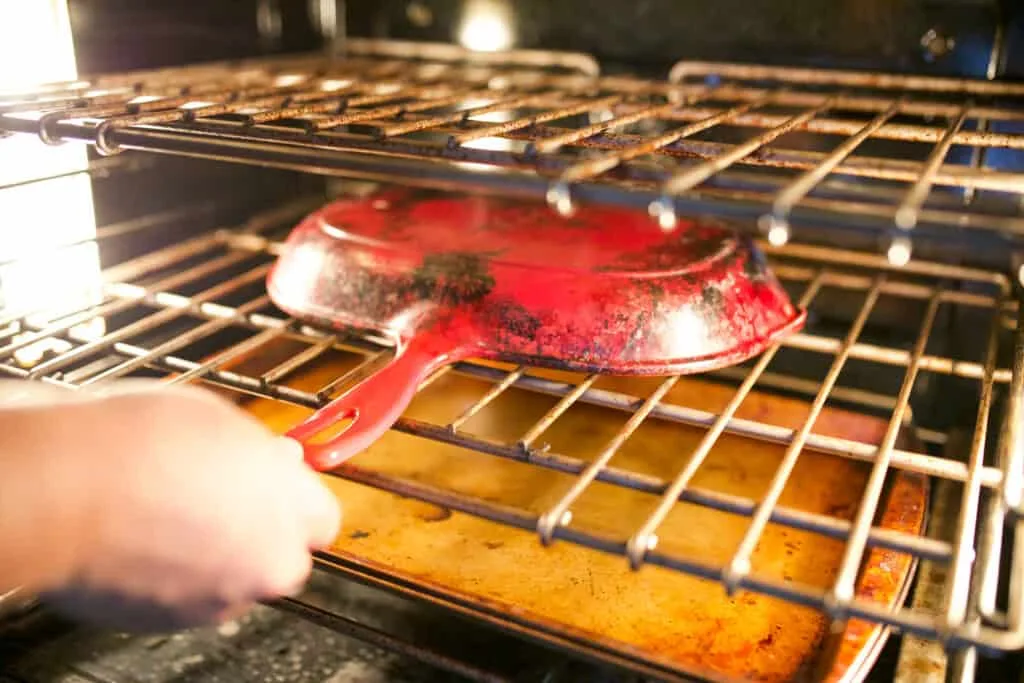
Image source: Bing (Web (fair-use with source credit))
The moment you rinse a rust-free skillet, the race is on. Bare iron oxidizes fast. Within ten minutes in a humid kitchen, you can see a faint orange blush that wasn't there before.
So the window between drying and seasoning matters.
Here's how to seal the job right.
- Dry the skillet with a lint-free towel, then place it on a burner over low heat for five minutes. This gets every trapped drop out of the nooks.
- Add a small teaspoon of high-smoke-point oil. Canola, grapeseed, or vegetable oil all work well.
- Wipe it into every surface, inside and out, including the handle and the bottom.
- Wipe it out like you're trying to remove it. A cast iron pan needs only a whisper of oil, not a puddle.
- Put the skillet upside down in a cold oven. Put a sheet of foil on the rack below to catch drips.
- Set the oven to 400°F to 475°F. Once it reaches temperature, bake for one hour.
- Shut the oven off and leave the pan to cool inside. Resist opening the door.
After one layer, the pan looks warm brown. After two or three, it turns from bronze to satin black and gets more nonstick. Let the layers build over a few weeks of regular cooking.
| Cooking oil | Smoke point |
|---|---|
| Vegetable | 400°F |
| Canola | 400°F |
| Grapeseed | 420°F |
| Crisco | 490°F |
As of 2026, most manufacturer manuals still recommend exactly this method. The oven-seasoning process polymerizes the oil, turning it into a plastic-like layer that blocks moisture and gives cast iron its natural nonstick surface. Store the skillet in a dry place, and if you live somewhere humid, skip the lid toward moisture.
Common Mistakes That Ruin Cast Iron While Cleaning Rust
The restoration process is forgiving, but a few classic errors can turn a simple cleanup into a real repair job. Most of these come from rushing. The rest come from using the wrong tools for the wrong pan type.
- Soaking in vinegar too long. A two-hour cap exists for a reason. Leave a pan overnight and the acid etches permanent pits into the iron, ruining the smooth cooking surface.
- Scrubbing an enameled skillet with steel wool. The abrasive scratches the glass coating, and scratched enamel can chip into food. Enameled pans need gentle nylon scrubbing at most.
- Drying slowly. Bare iron rusts visibly within ten minutes in humid air. Towel dry, then heat the pan briefly on the stove to guarantee every drop evaporates.
- Oiling too thick. A heavy layer dries into a sticky, gummy mess that attracts dust and never polymerizes properly. Wipe the oil off like you're trying to remove it.
- Using the self-cleaning oven cycle on vintage pieces. The extreme heat can warp a thin antique skillet or crack it along hairline flaws. Not worth the risk for a family heirloom.
- Confusing burnt food with rust. Black carbon crud is not rust. No vinegar soak will fix layers of baked-on grease, and acid won't help remove it either.
The common thread is impatience. Rushing a soak, skipping the dry, or piling on oil all come from wanting a finished pan too fast. Slow down and the pan will reward you.
Frequently Asked Questions About Cleaning Rusty Cast Iron Skillets
Can I use vinegar on a cast iron skillet to remove rust?
Yes. Use a 1:1 white vinegar and water solution. Soak in 15-minute bursts, scrubbing between each round.
Never exceed two hours of total soaking time. Vinegar eats rust fast, but it eats bare iron just as easily.
How long should I soak a rusty cast iron skillet?
Soak in 15-minute intervals. Each round loosens rust so you can scrub it away. The absolute maximum is two hours total.
After that, the acid starts etching the iron itself, leaving pits that no amount of seasoning will fully fill.
Why does my cast iron skillet flash rust after cleaning?
Bare iron oxidizes almost instantly in humid air. Moisture touches the metal, and orange rust blooms within minutes. Dry the pan thoroughly, heat it lightly on the stove, then apply a thin oil coat right away.
Delaying even ten minutes invites flash rust.
Can I use dish soap on cast iron after removing rust?
Yes. Modern dish soap won't strip a properly seasoned pan. During restoration, it's safe and useful for washing away rust dust and vinegar residue.
Just re-oil and reheat the pan afterward to protect the bare metal.
Is it safe to cook in a rusty cast iron skillet?
Not really. Small amounts of rust aren't toxic, but they taste metallic and ruin food. Rust also signals that your seasoning layer has failed, which means the pan is vulnerable to more damage.
Clean it off, re-season, and it's safe to use again.

Similar Posts