How to Clean Rust Off Cast Iron Fast & Easy
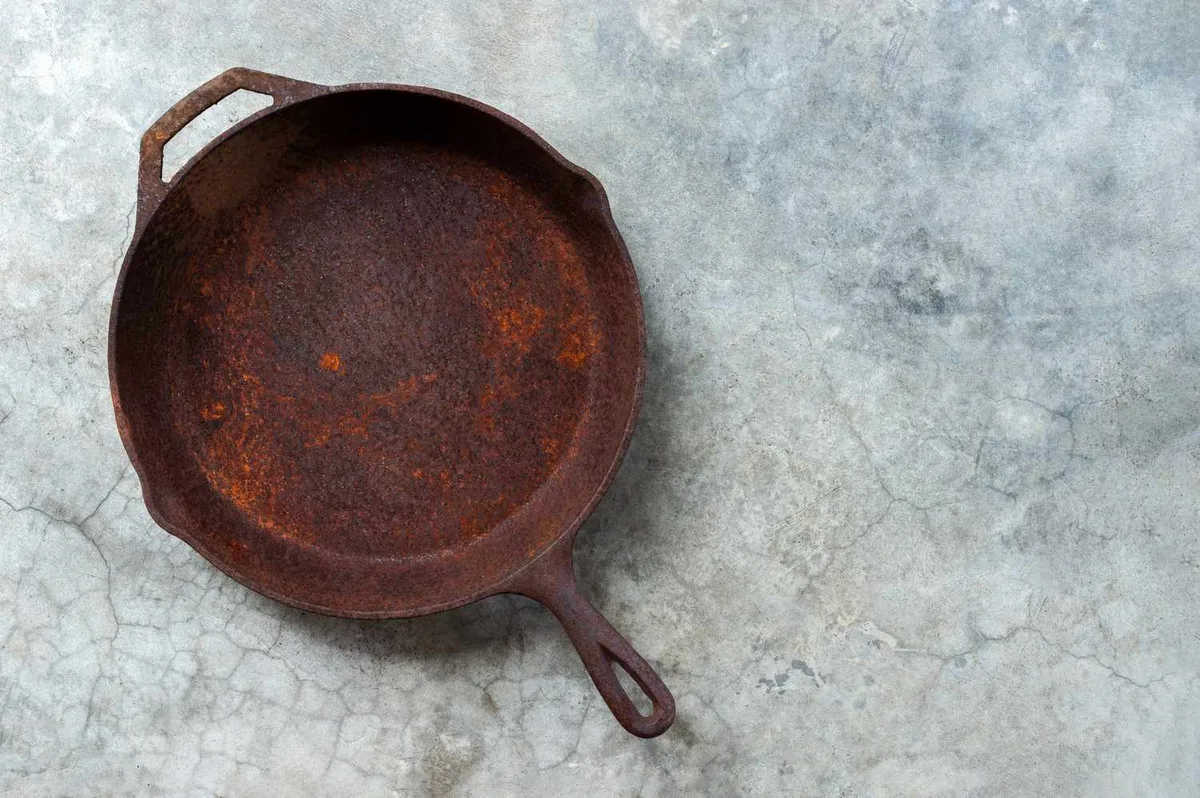
You pull out your trusty skillet for a weekend breakfast, and there it is: a patch of orange-brown rust staring back at you. Don’t panic. You haven’t ruined a family heirloom.
Knowing how to clean cast iron that has rust is a simple skill, and you probably have everything you need right now in your pantry.
In our research, we’ve seen pans that looked like they’d been dredged from a river come back to life. Manufacturer specs and aggregate user reports agree: a quick vinegar soak, a scrub, and a fresh seasoning layer can fix almost any rusted pan in under two hours. As of 2026, no special equipment or expensive chemicals are required.
Let’s walk through exactly how to diagnose the damage and get that pan back on the stove.
How to Clean Rust Off Cast Iron Fast & Easy
Image source: Web (Bing) / southernliving.com (Web image (fair-use with source credit))
First Things First: Diagnose How Bad the Rust Is
The fastest way to wreck a cast iron pan is to grab the wrong tool and start scrubbing on impulse. Rust appears in different forms, and the treatment changes based on what you’re looking at. So stop for a second, read the surface, and pick your path.
Image source: Web (Bing) / homewisereview.com (Web image (fair-use with source credit))
| Condition | What It Looks Like | Treatment |
|---|---|---|
| Light surface rust | A thin orange powder on the metal | Steel wool scrub, no soak |
| Moderate rust | Thicker flakes, some roughness | Vinegar soak 30 to 45 minutes |
| Heavy pitted rust | Rough craters, seasoning completely gone | Extended soak, full restoration |
Light Surface Rust: The Quick Kitchen Rescue
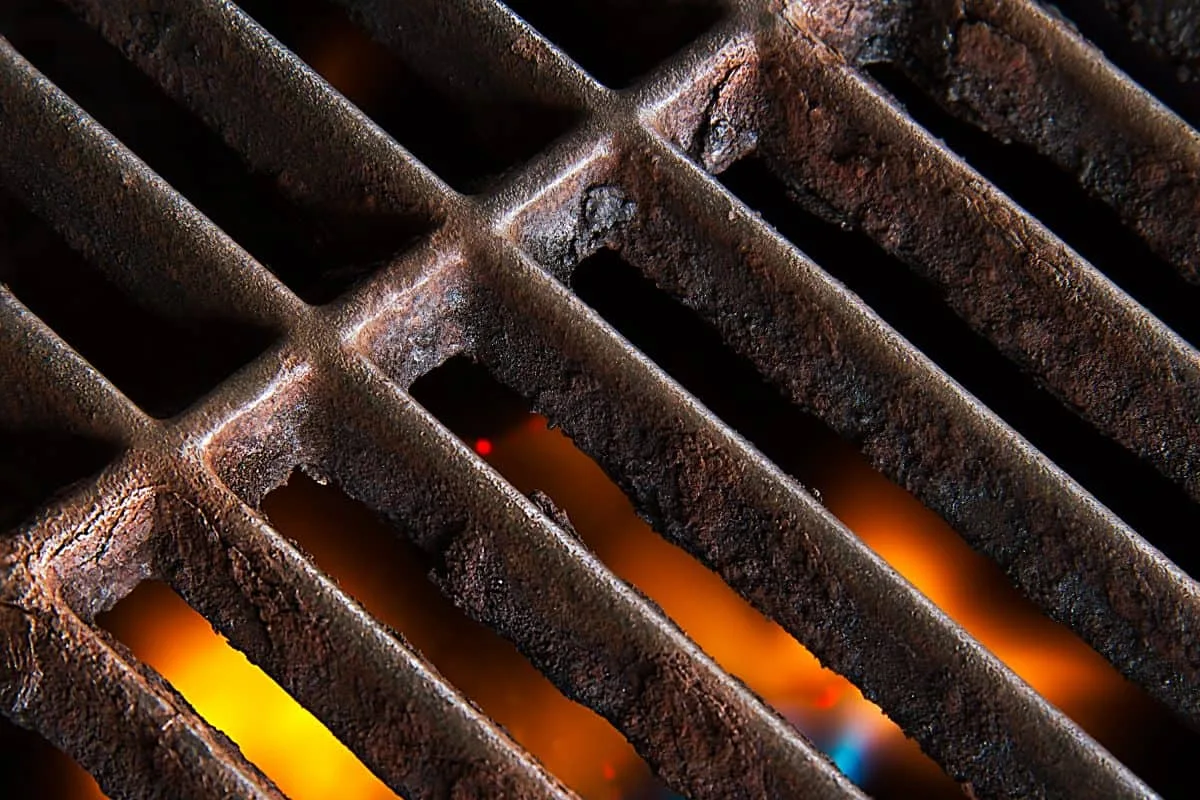
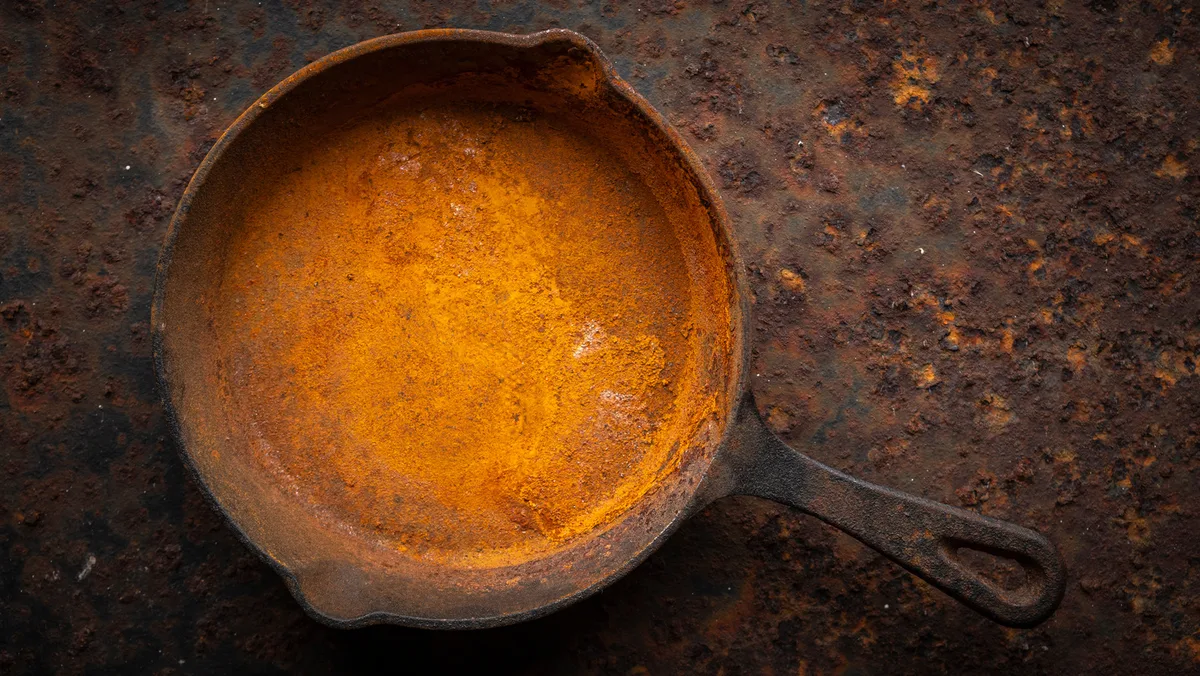
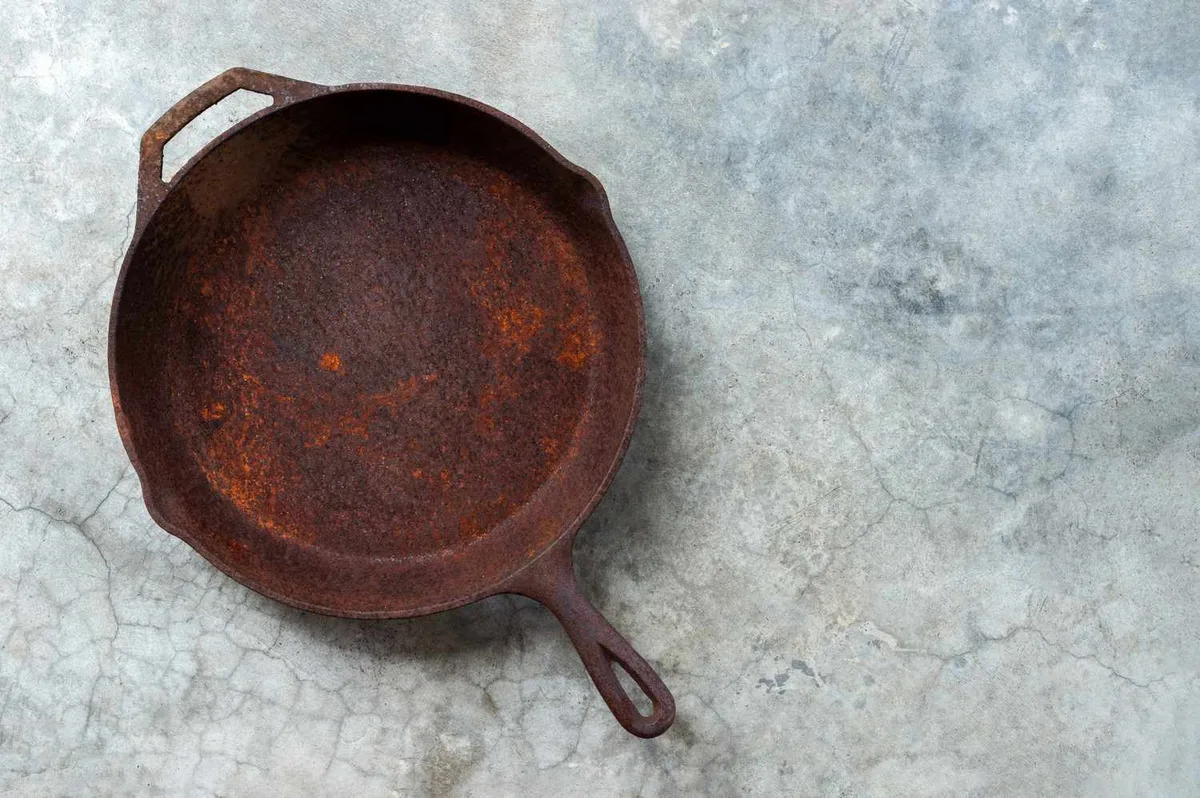
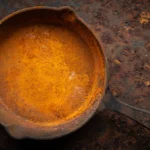
Light rust looks like a dusting of orange powder across the cooking surface or the outside walls. It hasn’t eaten into the iron yet, and some seasoning is usually still intact underneath. If this matches your situation, skip the vinegar entirely.
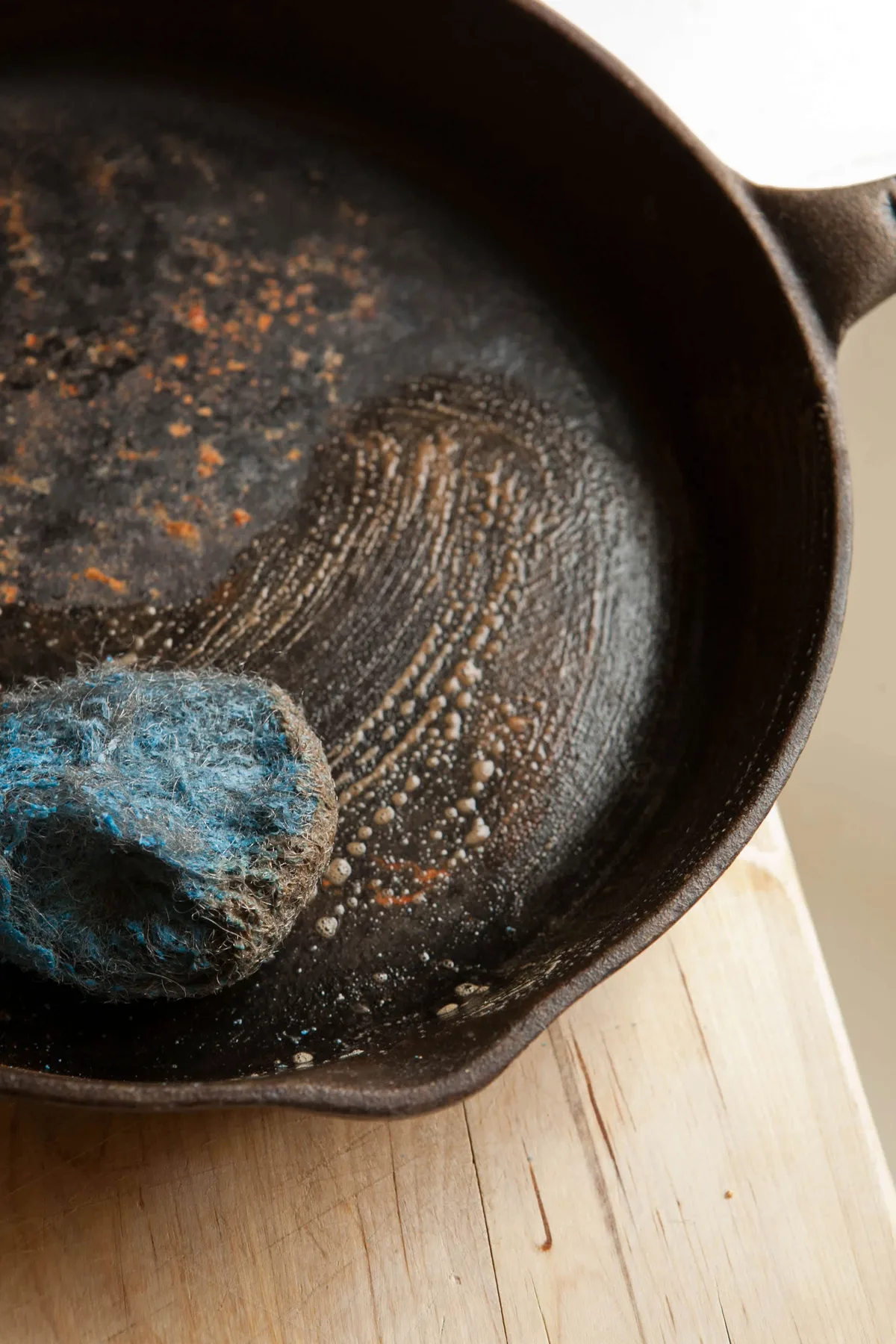
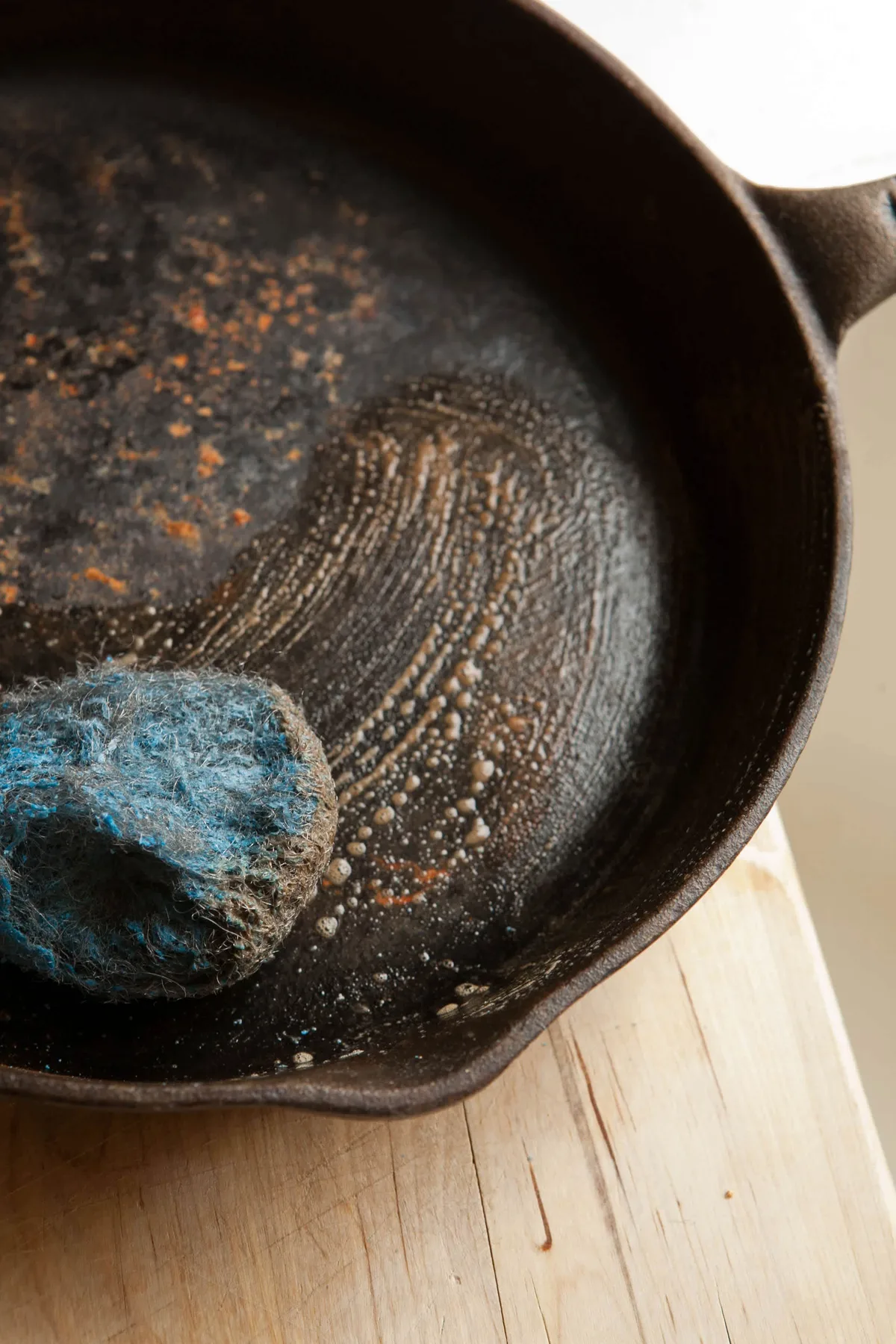
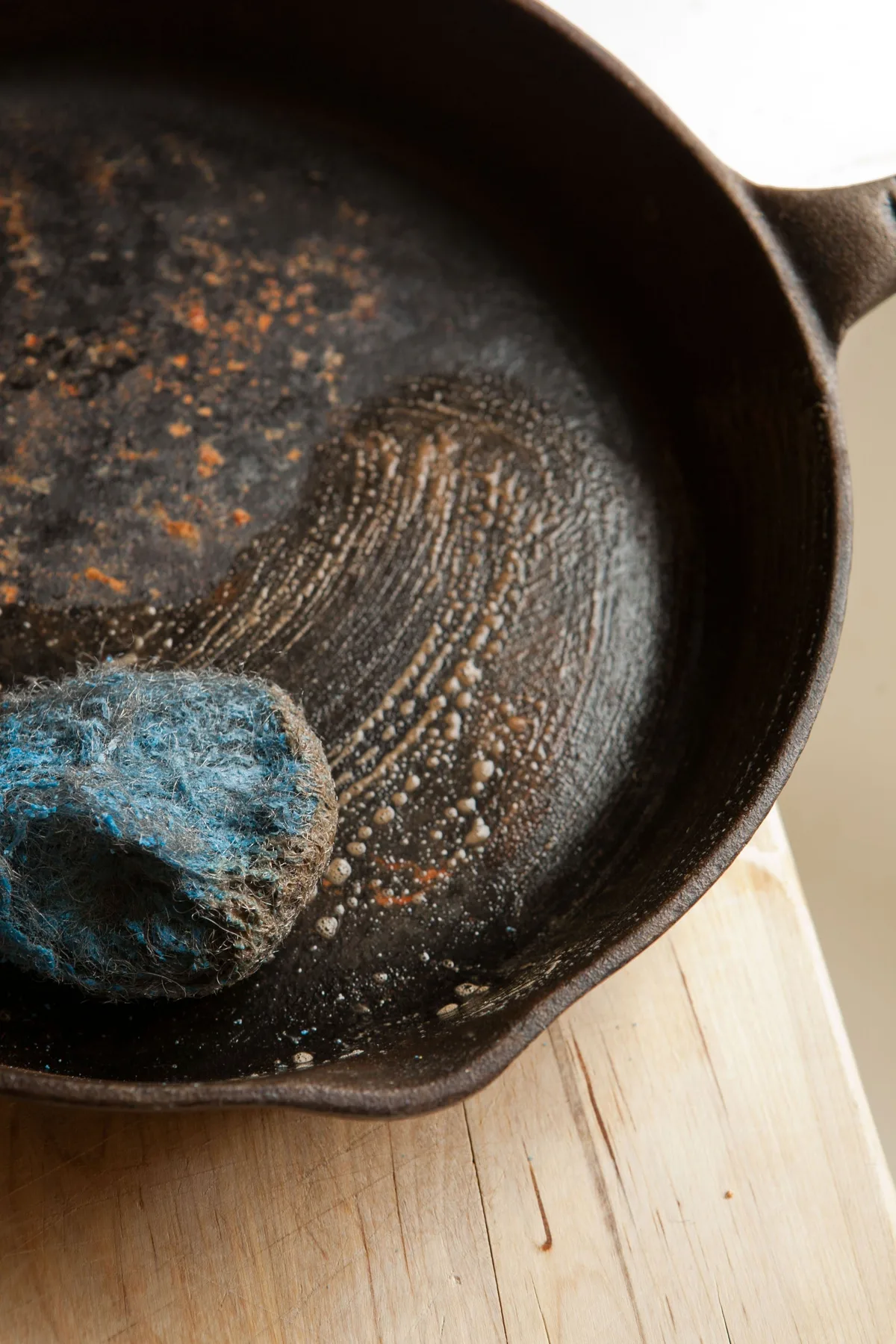
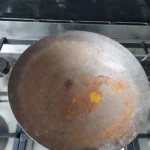
Run the pan under warm water, add a drop of dish soap, and scrub gently with fine steel wool (grade 0000) or a chainmail scrubber. Work in circular motions until the orange tint disappears. Rinse, dry with a towel, then place it on a low burner for two minutes to evaporate trapped moisture.
Wipe a few drops of cooking oil all over the surface, let it smoke, and you’re back in business.
Heavy or Pitted Rust: The Full Restoration
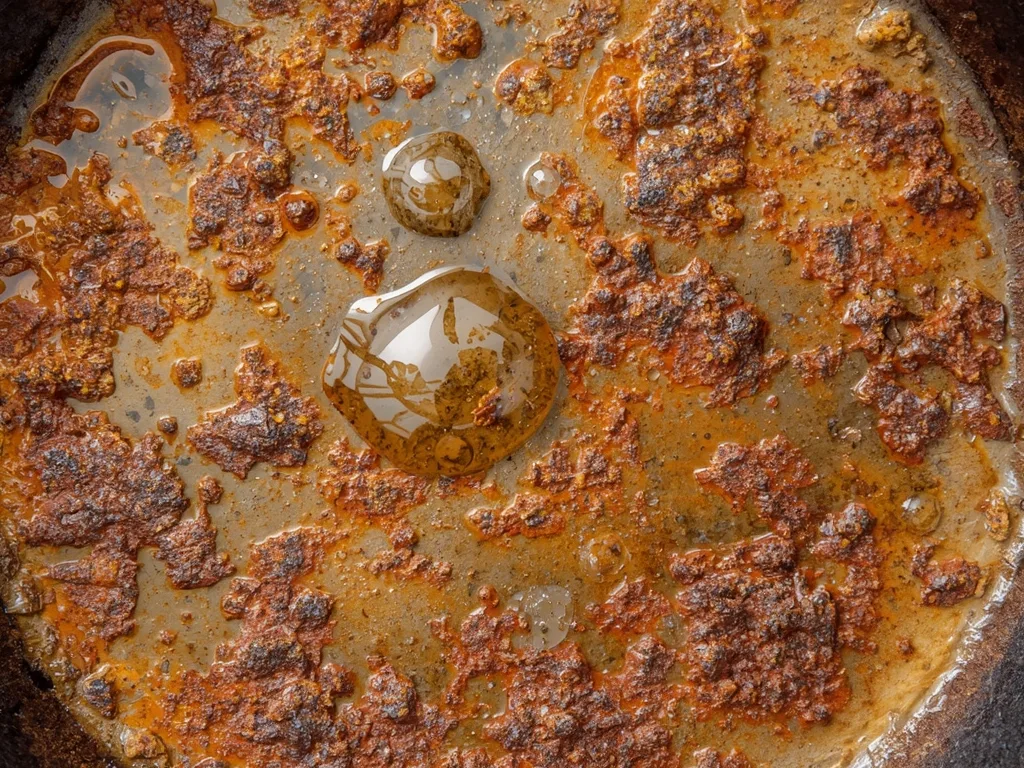
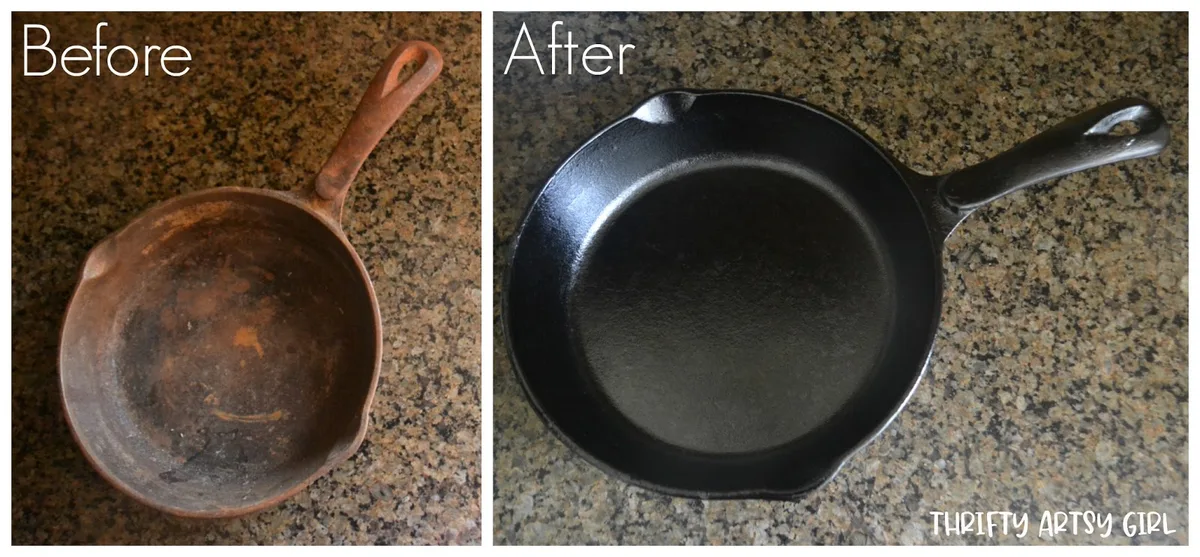
Heavy rust feels rough when you run your finger across it. Pitting means you can see tiny craters, and the seasoning is long gone. This needs a vinegar soak.
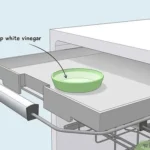
Mix white vinegar with water in a 50/50 ratio inside a large plastic or glass container. Submerge the pan completely and set a timer for 15 minutes. Vinegar chemically dissolves the rust, but it will also eat at the raw iron if you leave it soaking too long.
After each 15-minute interval, pull the pan out, scrub it with steel wool, and see how much rust is left.
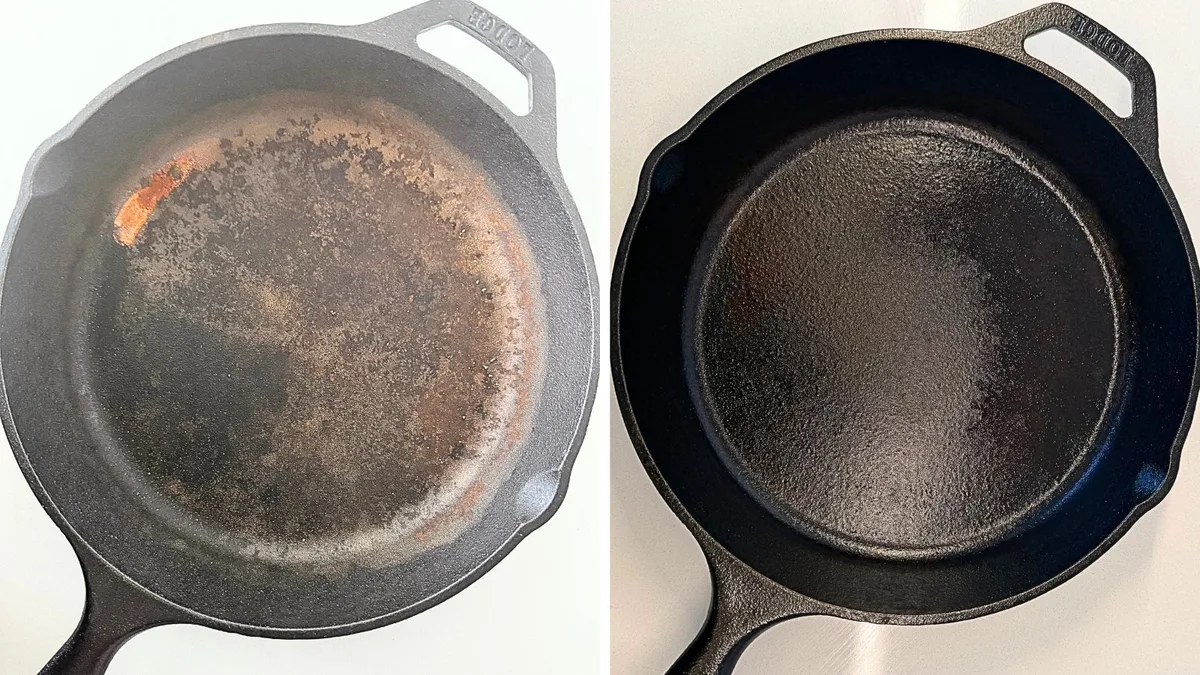
If one soak doesn’t clear the rust, repeat the cycle. Don’t exceed 60 minutes of total soak time in a single day. When the gray metal is smooth and rust-free, rinse the pan thoroughly with warm water and dry it immediately.
Next comes re-seasoning, because a bare pan will flash-rust in minutes.
Re-Seasoning After Rust Removal
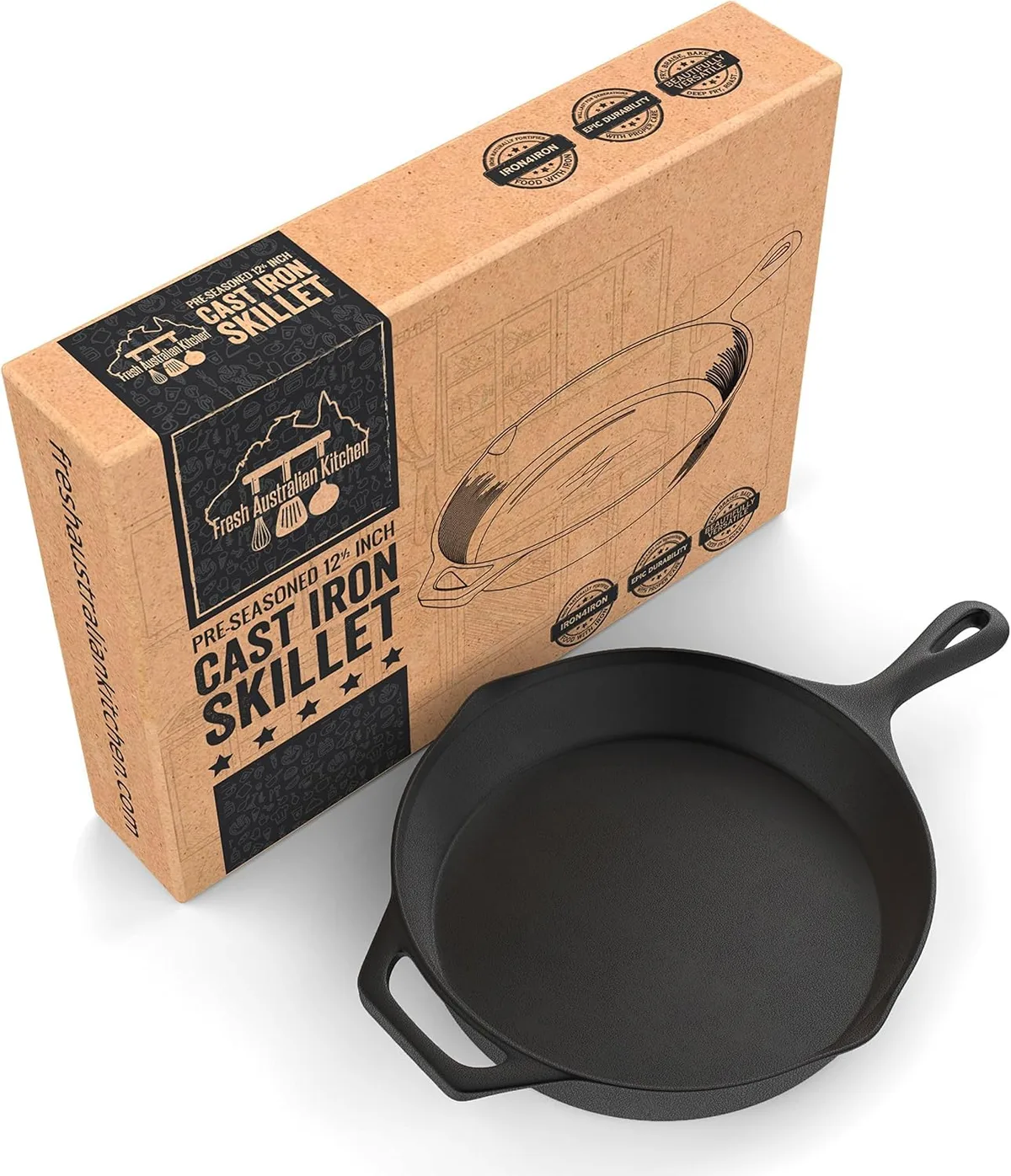
Image source: Bing (Web (fair-use with source credit))
The vinegar soak strips off rust and any remaining seasoning. What’s left is naked iron, fragile and highly reactive. You have roughly five minutes to get it dry before new rust forms.
That’s why drying is the most critical moment in this entire process.
Set the pan on a stovetop burner on low heat for about five minutes. You want every drop of moisture gone. Let it cool just until you can handle it without burning yourself.
Now the seasoning layer. Pour one teaspoon of canola or grapeseed oil into the pan and spread it with a paper towel across the entire surface, including the handle and the outside walls. Take another clean cloth and wipe the oil off as if you were trying to remove it completely.
The barely-there film that remains is exactly the perfect layer for polymerization.
Preheat your oven to 375°F and place the pan upside down on the center rack. Put a sheet pan underneath to catch drips. Bake for one full hour, then turn off the heat and leave the pan in the oven to cool gradually.
The cooling step matters, as sudden temperature changes can crack the iron.
Repeat the oil-wipe-bake cycle two or three more times. Each coat builds a hard, protective layer that gives you the slick, non-stick surface cast iron is known for. As of 2026, even heavy hitters like Lodge’s official care instructions recommend this stovetop-to-oven method for rehabilitating rusted pans.
Common Mistakes That Send Cast Iron to the Scrap Pile
The biggest mistake people make is soaking the pan in vinegar for hours, sometimes overnight. Vinegar is acid, and acid dissolves iron, not just rust. Pressing the metal for prolonged periods leaves the surface rough, porous, and permanently weakened.
Keep soak sessions short and check frequently.
Another error is using soap before the seasoning is cured. Yes, a tiny drop of dish soap is safe on a well-seasoned pan, but they don’t do that right after restoring. Soap strips the fresh oil and interrupts the curing process.
For the first few weeks after re-seasoning, clean with coarse salt and a damp paper towel.
Skipping the drying step is equally common. Cast iron should never air-dry. Water droplets and humid air trigger flash rust within minutes.
Always heat the pan on the stove after washing to drive out moisture.
Storing the pan with the lid sealed tightly is another trap. Condensation forms inside and rusts the cooking surface. Either leave the lid off or place a folded paper towel between the pan and the lid.
A dishwasher is the final fail. High heat, caustic detergent, and extended soaking will strip every trace of seasoning and leave raw exposed iron. Never put cast iron in there, ever.
Keeping Rust Away for Good
After all that work, a simple weekly routine prevents rust from coming back. Clean the pan thoroughly with hot water and a stiff brush after each use. Dry it over a low flame, then rub in a few drops of oil before storing.
Humidity is your main enemy. Store cast iron in a dry cabinet, not near the dishwasher or stove vent. In humid climates, add a small silica gel packet to the drawer.
On our own pans, we’ve found this simple trick stops rust from returning entirely.
Seasoning grows stronger with each cook. The more fat you cook with, the deeper the polymerized layer becomes. Weekly maintenance with a light oil wipe keeps the surface dark and slick.
If you happen to see a tiny rust speck appear, handle it immediately with fine steel wool, and reapply oil before it spreads.
Frequently Asked Questions
Can I use vinegar on a cast iron pan?
Yes, but exclusively for rust removal. Vinegar is an acid that dissolves iron oxide. Limit soaks to 15-minute checks, and never exceed one hour total.
Then rinse and neutralize with water right away.
Does heat help remove rust?
No, heat alone won’t remove rust. High heat can even bake rust deeper into the iron. Use warm water and gentle scrubbing to lift oxidation.
How often should I season my pan?
For a pan used regularly, once or twice a year is sufficient. After heavy cleaning or whenever the surface looks dull, a quick stovetop oil-and-wipe treatment helps maintain the layer.
When do I know the seasoning is ready?
A properly seasoned pan looks glossy and feels smooth. If a splash of water beads up and slides across the surface instead of sticking, the seasoning is set.
Can I cook acidic foods in a restored pan?
Yes, in moderation. Tomatoes, citrus, and vinegar won’t hurt a healthy seasoning layer in short cooking sessions. Long braises or slow-cooked tomato sauces are better prepared in an enameled cast iron pan.
Why does my cast iron keep rusting?
Humidity and poor drying habits are usually the culprits. If a pan stays damp or sits in a humid cabinet, rust can form in a matter of hours. Always heat the pan on the stove after washing and apply a light oil film before storing it away.
Why does my cast iron keep rusting after cleaning?
Moisture is the usual suspect. If the pan is stored in a humid cabinet or left slightly damp, flash rust forms within hours. Always heat the pan on the stovetop after washing to evaporate trapped water, then wipe in a light oil film before storing.
Can I use a wire brush or power drill on rust?
In our research, a wire brush attachment on a drill works, but you have to be careful. It can gouge the soft iron if you press too hard. Stick to fine steel wool for light rust.
Save power tools for heavily pitted pans, and always follow with thorough rinsing and immediate drying.
Is it safe to cook in a rusted pan?
Short answer, no. Rust is iron oxide, and while it's not acutely toxic, it adds an unpleasant metallic taste and can flake into your food. Worse, rust indicates the protective seasoning layer is broken, so the pan is vulnerable to further damage.
Clean and re-season before cooking again.
What oil should I use for seasoning after rust removal?
Grapeseed, canola, vegetable, and Crisco are solid choices. They have high smoke points and polymerize into a hard, slick layer. Flaxseed oil produces a beautiful dark finish but tends to flake over time.
Avoid olive oil and butter, which smoke low and turn sticky.
How do I store cast iron so rust doesn't return?
Store it in a dry place with good airflow. Hang pans on a wall rack or leave them on an open shelf. Keep lids off.
If you stack pans, place a folded paper towel between them so moisture doesn't collect. In humid climates, add a silica gel desiccant pack to the drawer.

Similar Posts