How to Clean Rust Off Cast Iron Grill Grates in 5 Steps
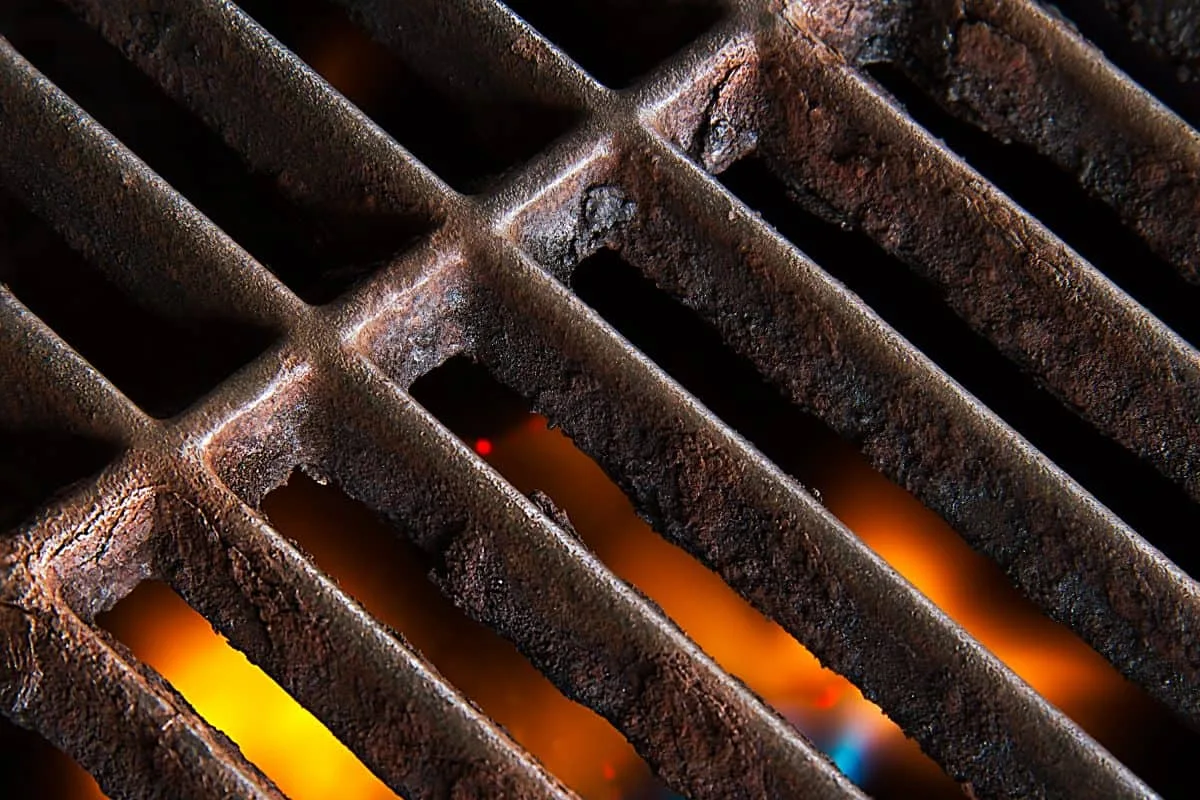
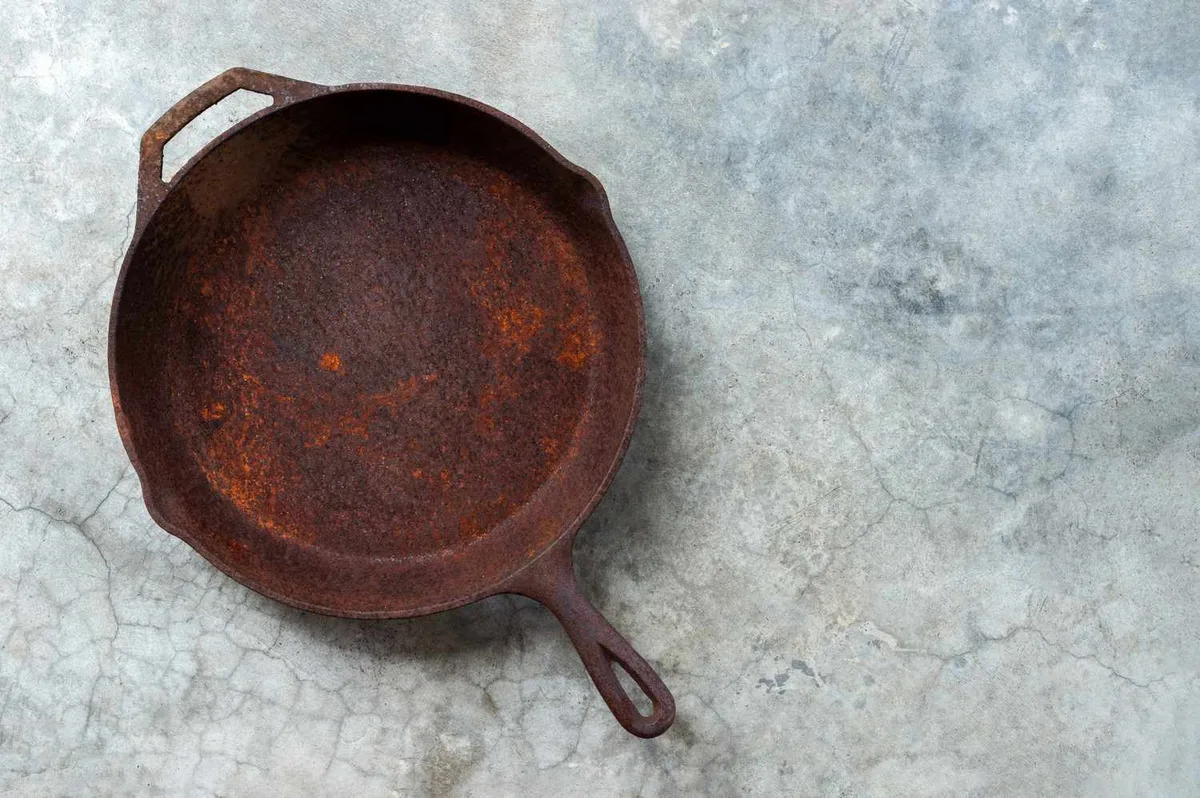
Your cast iron grill grates are looking more like a science experiment than cooking equipment. Rust has taken over, and you're wondering if replacement is the only option. It's not.
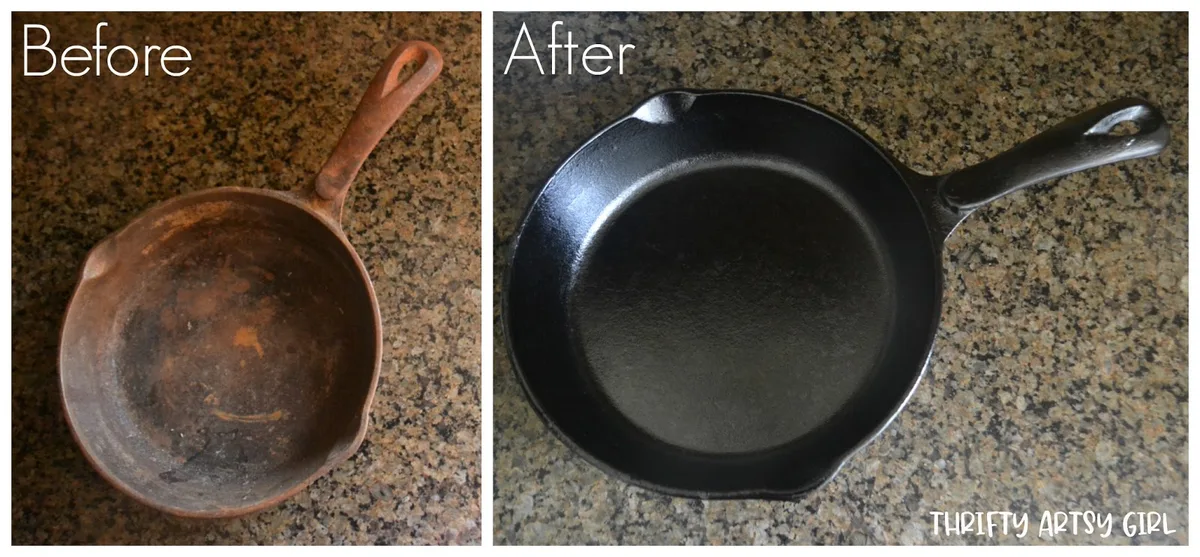
Knowing how to clean cast iron grill grates rust takes about an hour of work and under ten dollars in supplies. Our research shows that bare cast iron grates can be fully restored as long as the metal hasn't corroded through.
The fix is simple chemistry. Acid dissolves rust, friction lifts it away, and a fresh oil layer seals the bare metal from moisture. As of 2026, the methods below work for every common grate style, but you need one detail first.
Are your grates bare cast iron or enameled? That answer determines everything.
Image source: Bing (Web (fair-use with source credit))
Start Here: Bare Cast Iron or Enameled?
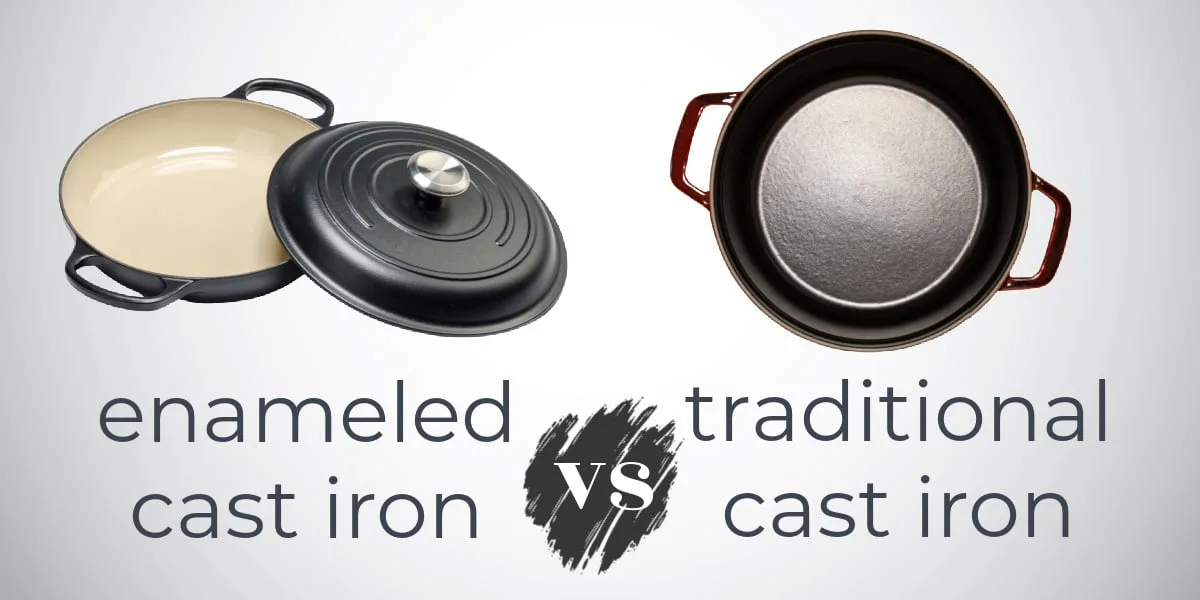
Image source: Bing (Web (fair-usewith source credit))
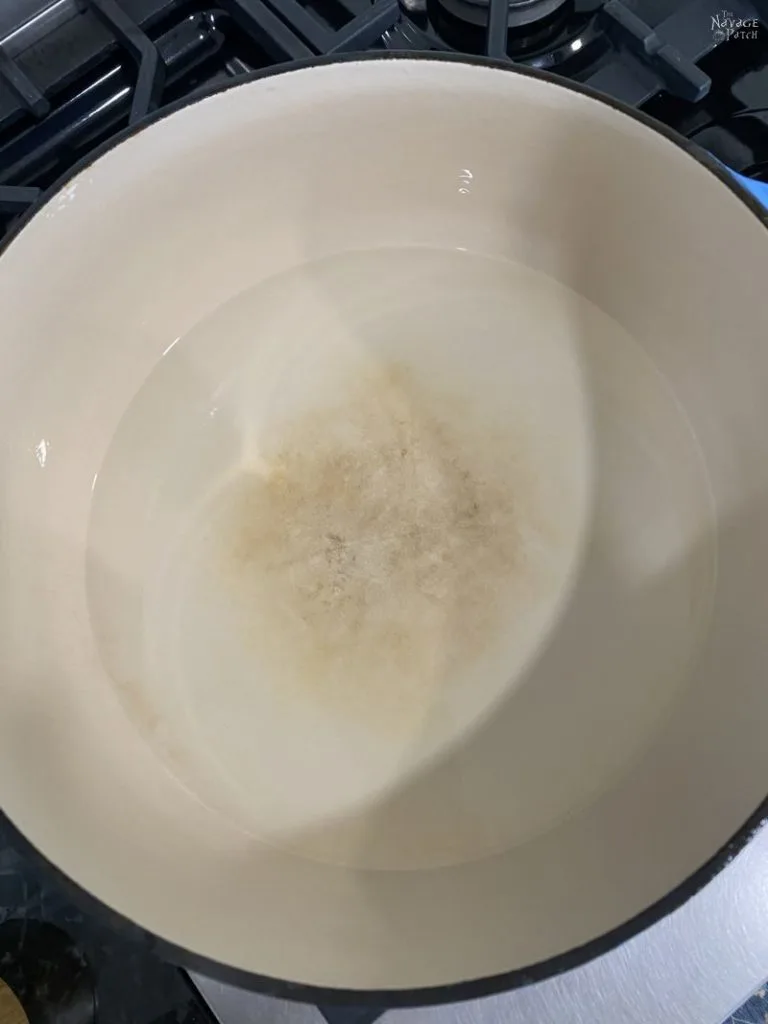
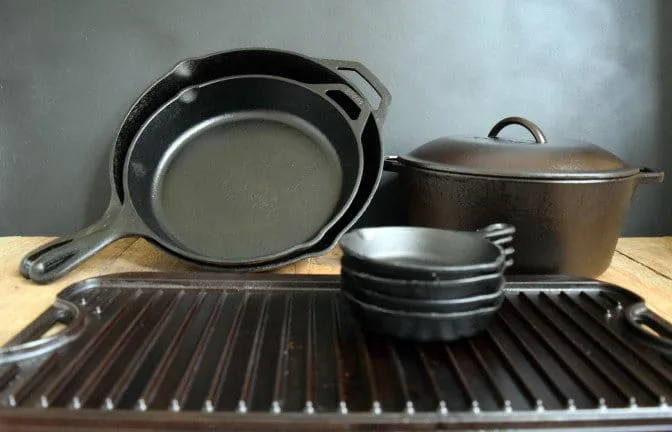
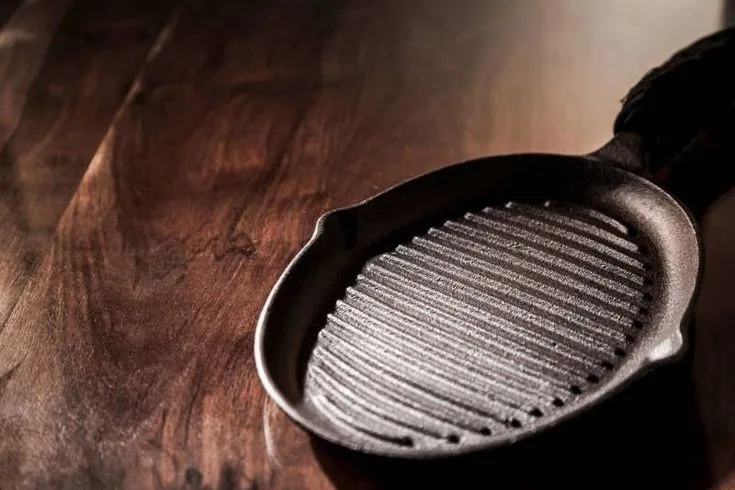
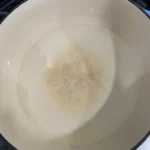
Bare cast iron is dull grey, slightly rough to the touch, and will rust in humid air if left exposed. Enameled cast iron has a smooth, glass-like coating, usually glossy black, cream, or colored. A quick water test settles it: drip a drop on the grate.
If it beads up and rolls off, you have enamel. If it soaks in and leaves a dark spot, you're working with bare metal.
This matters because enameled grates cannot tolerate acid soaks or aggressive abrasives. Vinegar will etch the coating, steel wool will scratch it, and the rust you thought you'd removed becomes permanent damage underneath. Bare cast iron, on the other hand, handles vinegar, salt, and heavy scrubbing just fine.
You just need to match the method to the material.
If you're still unsure, check the manufacturer's stamp on the side or underside. Brands like Lodge and Weber etch "cast iron" or "enameled cast iron" into the cooking surface, while porcelain-coated grates often have a visible lip of bare iron at the ends where the coating stops.
Light, Moderate, or Heavy Rust? Pick Your Cleaning Route
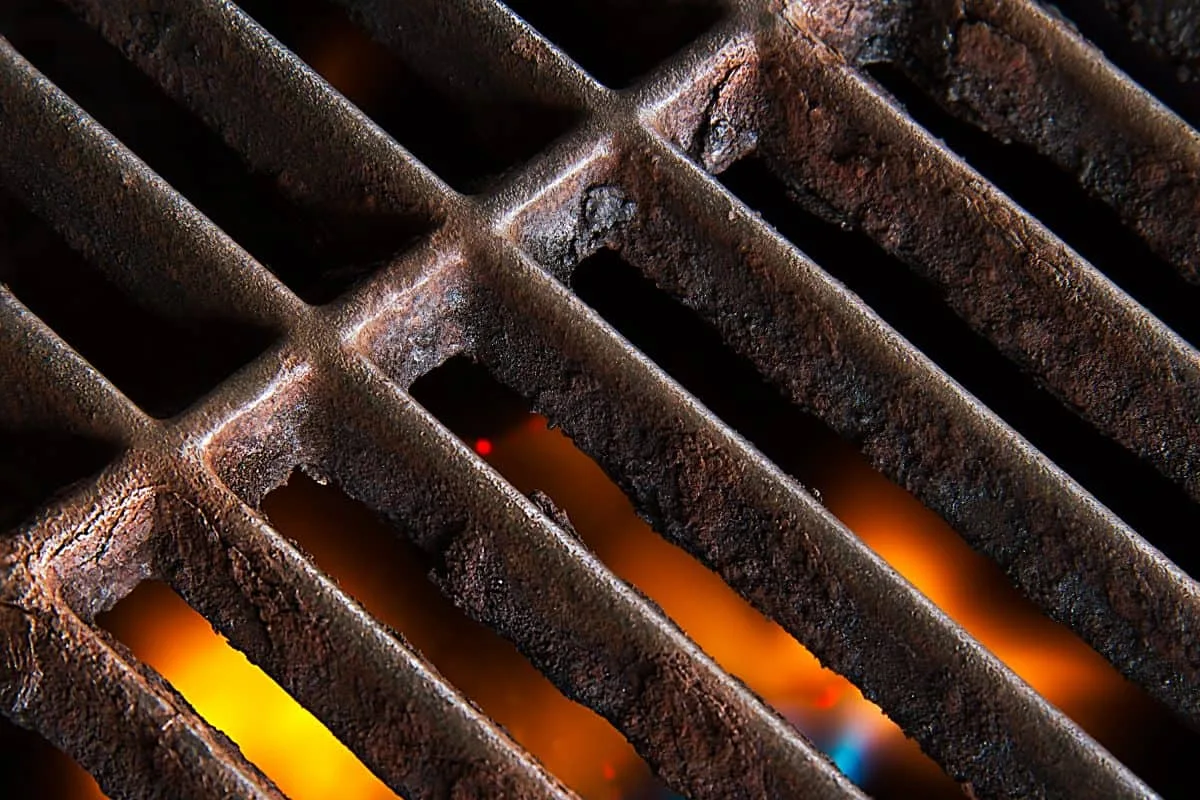
Image source: Bing (Web (fair-use with source credit))
Not all rust is the same problem. A light dusting wipes away in minutes. A thick crusted layer eats into the metal and takes real elbow grease.
Match your attack plan to the severity before breaking out any tools.
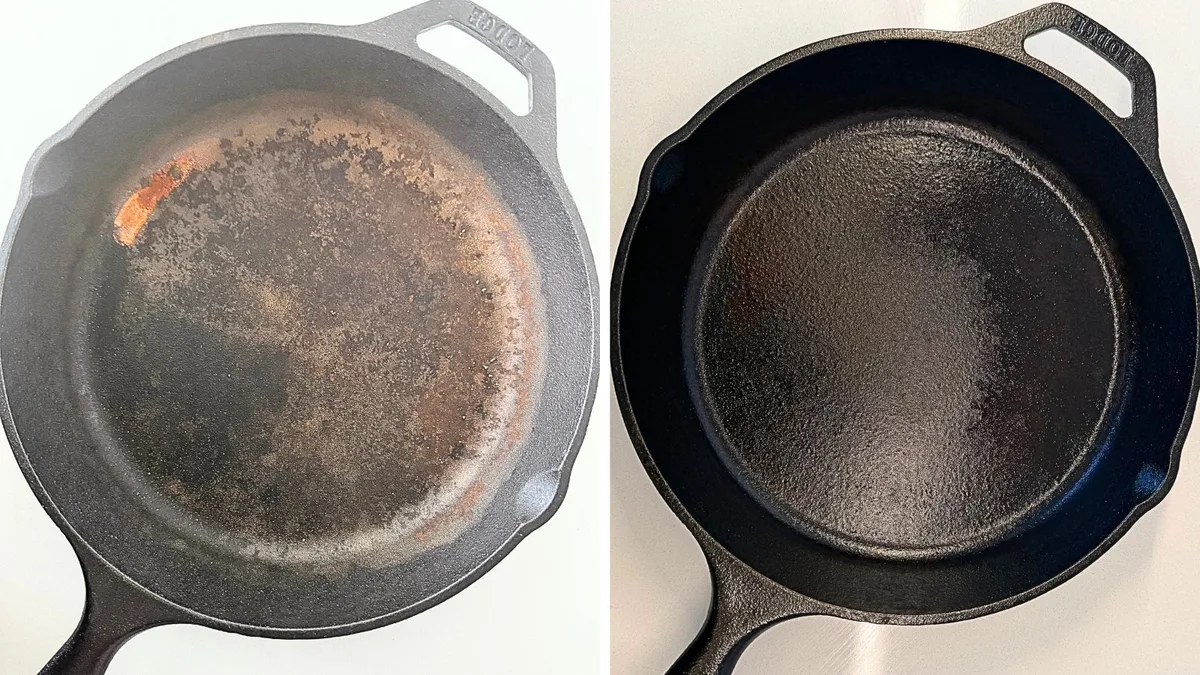
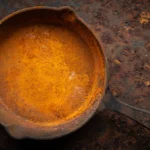
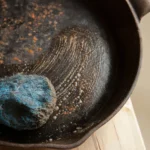
Light rust looks like orange powder sitting on the surface. The metal underneath is still smooth and intact. A paste of coarse salt and a little canola oil, rubbed with a paper towel or chainmail scrubber, lifts it right off without chemicals.
Scrub in circles, rinse, and dry.
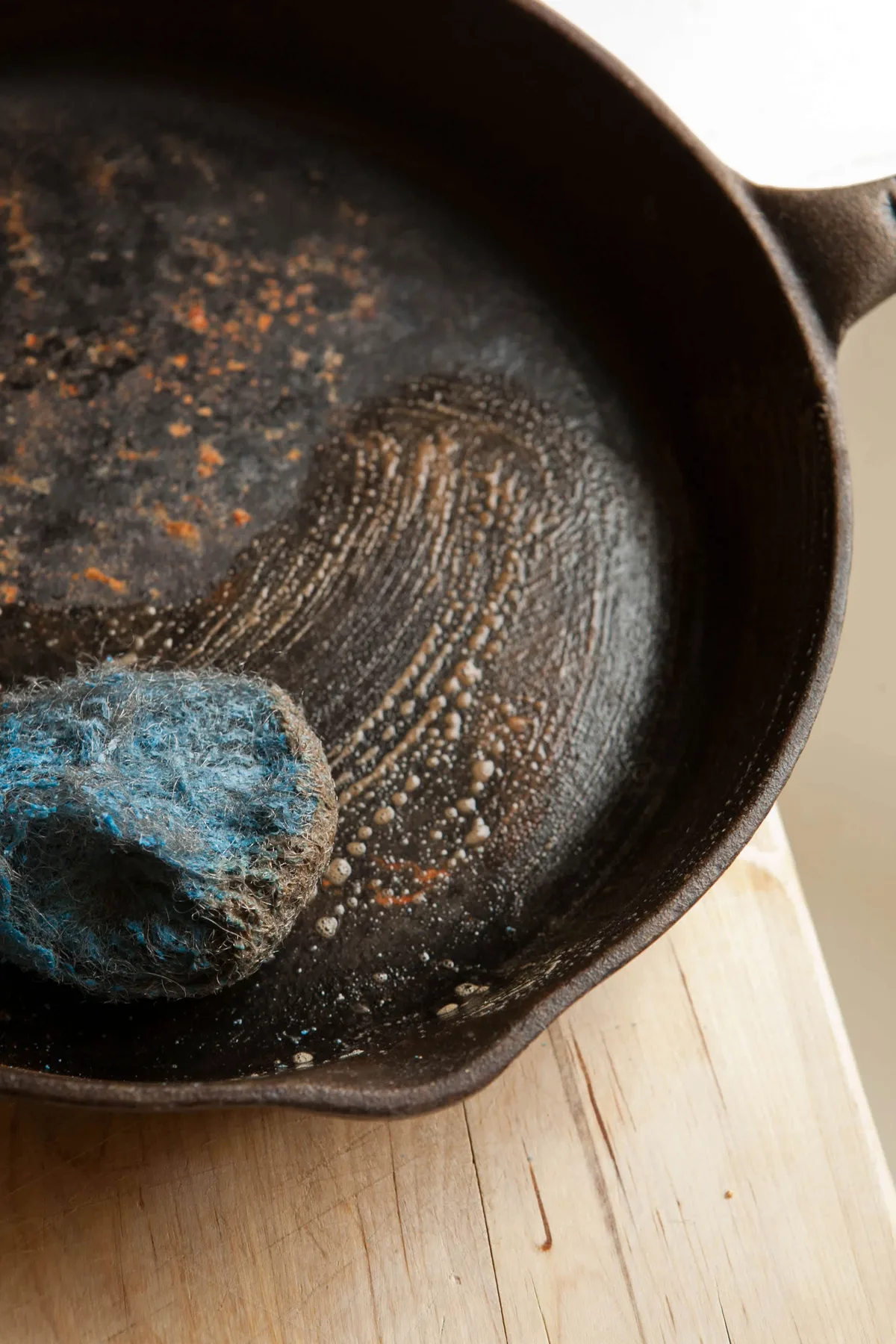
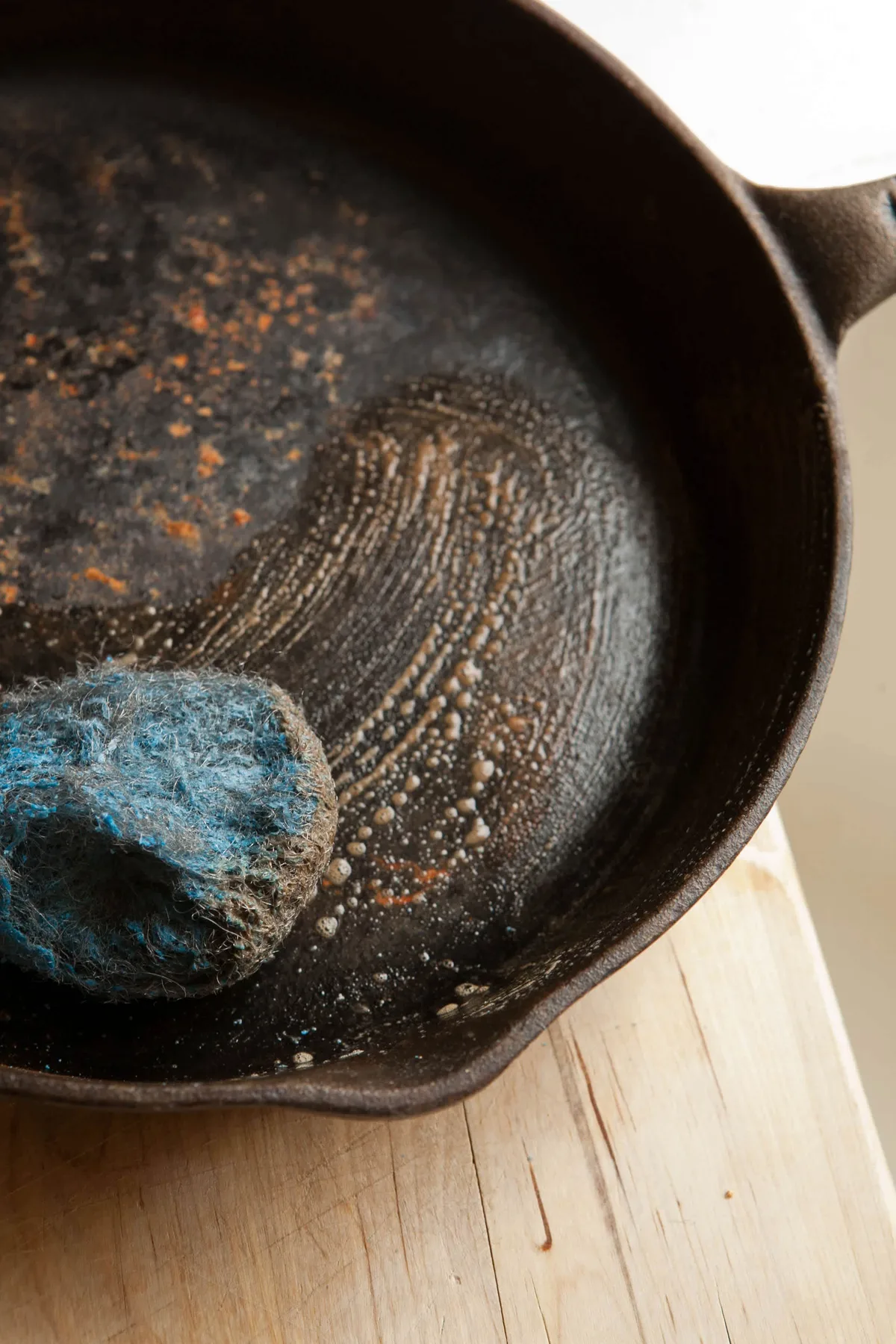
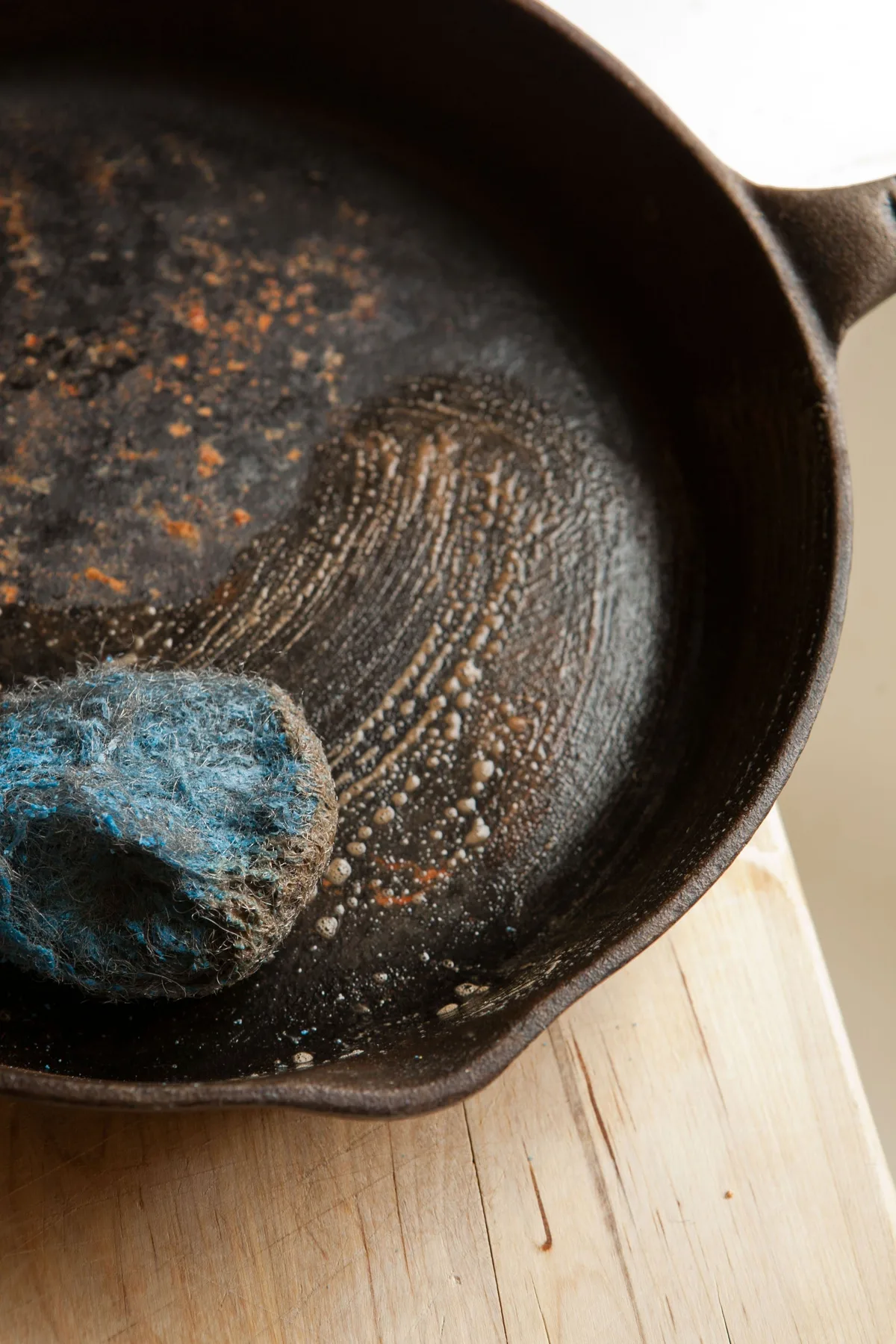
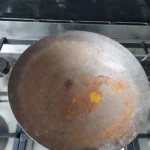
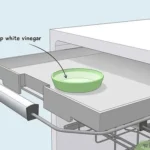
Moderate rust shows flaking patches and a rough, sandpaper-like texture. The metal still has its shape, so soaking in white vinegar works. Mix equal parts vinegar and water in a tub, submerge the grates for thirty minutes, then scrub with steel wool.
Bare cast iron only. Rinse thoroughly after.
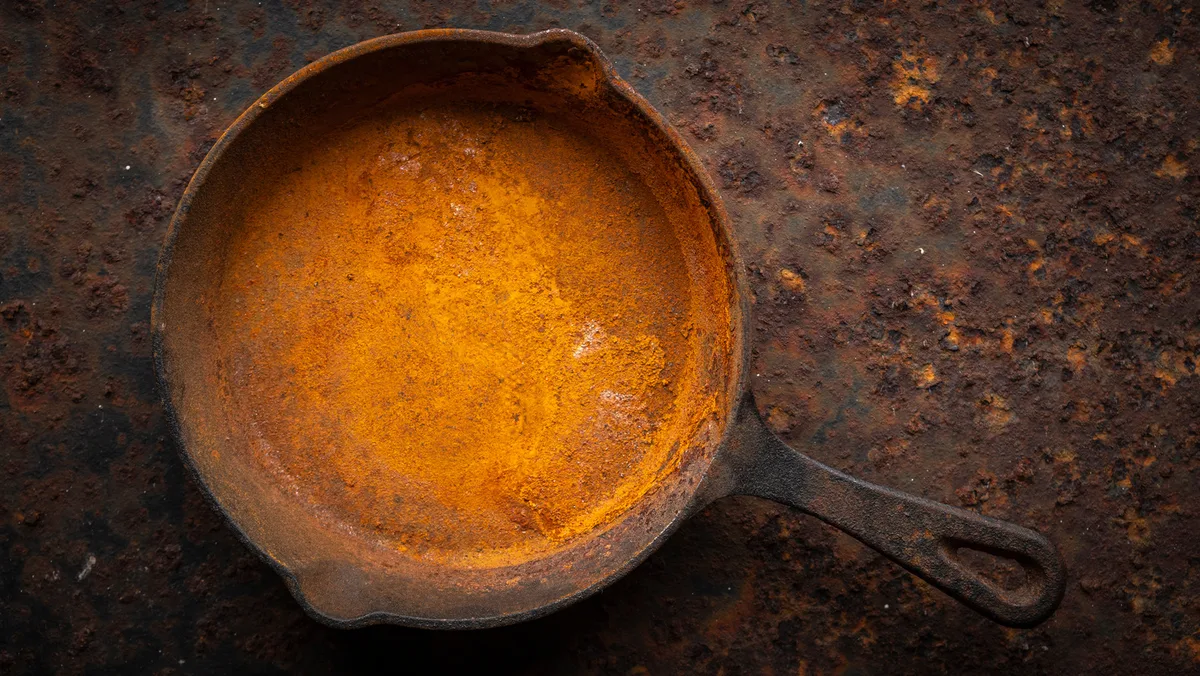
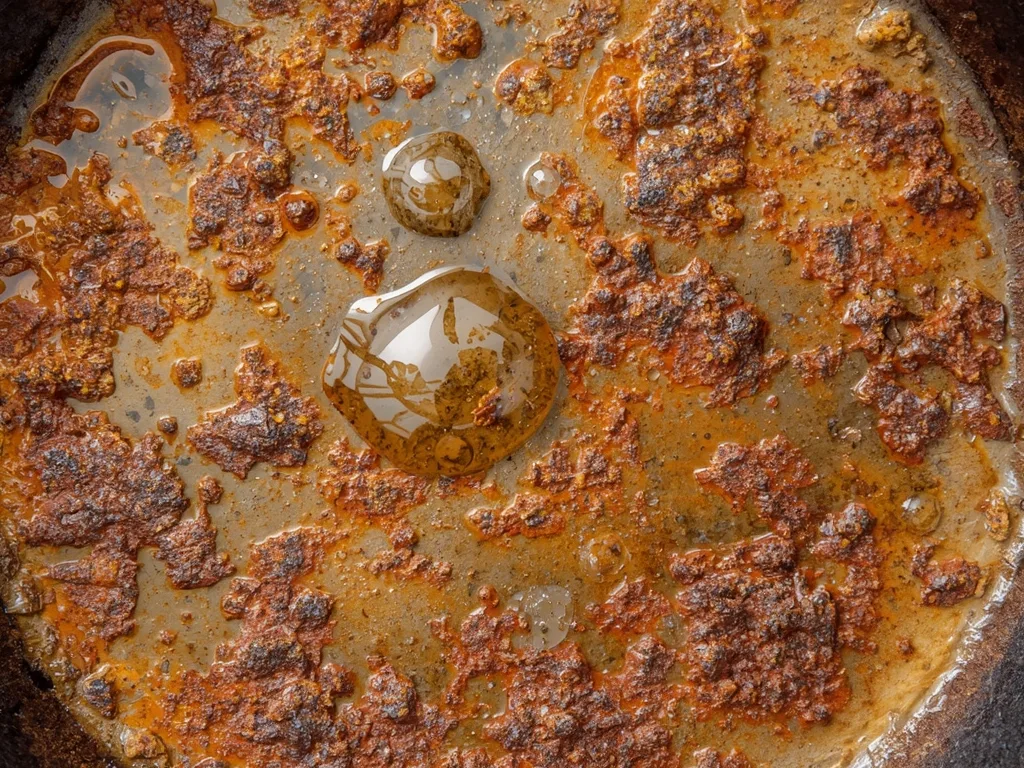
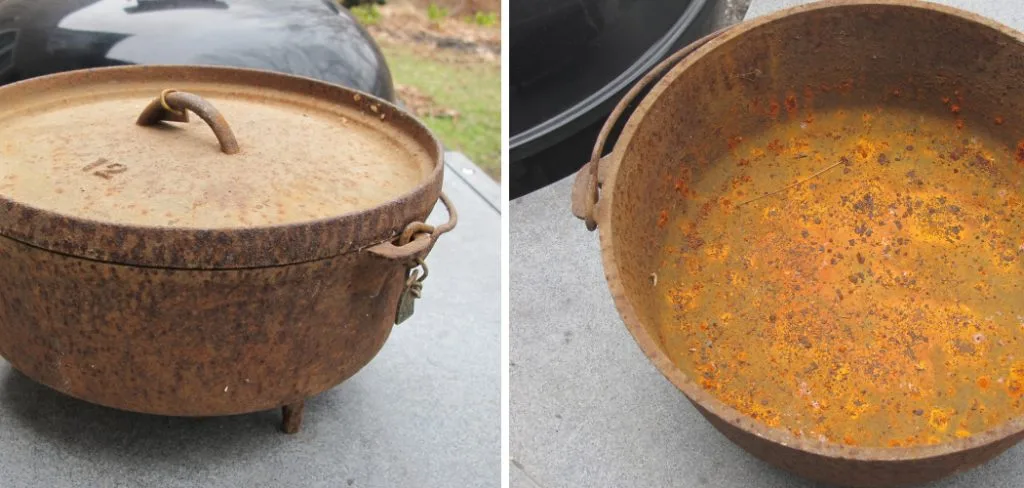
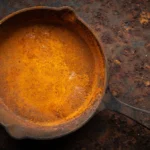
Heavy rust means thick crust, scaling, and soft pits in the metal. A single soak won't cut it. You'll need repeated vinegar soaks, a stiff wire brush, and possibly a drill-mounted wire wheel for the stubborn spots.
Expect to repeat the soak and scrub cycle several times until bare metal shows through.
| Rust Severity | What You See | Best First Method |
|---|---|---|
| Light | Orange powder, smooth surface | Salt and oil scrub |
| Moderate | Flaking patches, rough texture | 30-minute vinegar soak, then steel wool |
| Heavy | Thick crust, pitting, scaling | Repeated vinegar soaks or wire wheel |
Take your time here. Rushing past a rust patch means seasoning over a weak spot, and the whole cycle restarts within weeks.
The Right Way to Dry and Season After Rust Removal
Cleaning removes rust, but drying and seasoning prevent it from coming back tonight. In our research, the number one cause of regrated rust is skipping the dry step. Bare cast iron exposed to air and water will flash rust in under two minutes.
Dry the grates with a clean towel first. Then heat them slowly on your grill or in the oven at 200°F for ten minutes to drive out trapped moisture. Don't skip this.
Residual water inside the metal's pores creates the exact conditions rust loves.
Once fully dry, apply a thin coating of seasoning oil. Use flaxseed, canola, grapeseed, or vegetable oil. Rub it all over with a paper towel, then wipe it off as if you'd made a mistake.
The oil layer should be nearly invisible. Thick oil turns sticky and attracts grime.
Preheat your grill to between 400°F and 500°F. Place the grates on the heat and leave them for one hour. The oil will smoke, that's fine.
Ventilate your kitchen if you're using an oven. After the hour, shut off the heat and let the grates cool naturally inside. Do not spray them with water, that undoes everything.
The result is a polymerized layer of fat that repels moisture and gives you a naturally non-stick surface. Repeat this seasoning step after every heavy cleaning.
5 Mistakes That Ruin Cast Iron Grates After Rust Removal
You can do everything right, then undo it with one bad habit. Here's what to avoid.
1. Using soap. Dish soap strips the seasoning oil you just worked to build. After rust removal, keep soap away.
Hot water and a stiff brush handle ninety-nine percent of residue.
2. Soaking vinegar too long. Vinegar dissolves rust, but it also attacks the base iron after about an hour. Stick to thirty minutes max, then scrub.
A longer soak doesn't help, it just pits the metal.
3. Drying with a towel and stopping. Moisture hides in the metal's microscopic pores. Touching a towel to the surface doesn't reach it.
Always heat dry as well, or flash rust sneaks in within hours.
4. Coating with too much oil. A heavy oil layer bakes into a sticky, uneven mess. Worse, it burns into carbon that's a headache to remove.
The right amount, again, is the thinnest coat you can manage.
5. Storing in a humid spot. Cast iron and moisture are arch-enemies. Leaving grates on the grill between summer rainstorms, or in a damp basement, reopens the rust door.
Store them in a dry place or keep a protective oil layer between uses.
Avoid these five and your restored grates will outlast the grill itself.
How to Keep Rust Off Your Grates for Good
Prevention is easier than restoration. Once your grates are clean and seasoned, get into a simple after-use routine that takes three minutes.
Scrape food residue while the grates are still warm, right after cooking. A grill brush or wooden scraper works. Don't use soap.
Then wipe the surface with a paper towel dipped in a little oil. This leaves a fresh protective sheen. Close the lid and let the heat bake it in as the grill cools.
If you're storing the grill for weeks or over winter, bring the grates inside. A dry garage, basement corner, or broom closet works. Toss in a desiccant pack if your storage area has any dampness at all.
Season twice a year, even if you grill weekly. A quick maintenance season on a hot grill takes twenty minutes and restores the non-stick layer. And always empty your grill's ash tray or drip tray.
Standing moisture from old rain or grease traps is a quiet rust factory.
Aggregate reviews from long-time cast iron owners consistently point to the same pattern: grates that rust aren't failing because of bad metal. They fail because they're left wet and unseasoned. You've already done the hard part.
A little routine on the back end keeps the work from ever needing a repeat.
Frequently Asked Questions
Can I use vinegar to remove rust from enameled cast iron grill grates?
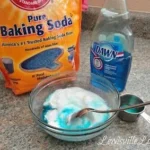
No. Vinegar will etch and dull the enamel coating, and that damage is permanent. For enameled grates, use a paste of baking soda and water with a soft sponge.
Let it sit for fifteen minutes, scrub gently, and rinse. The rust you're worried about is usually just stuck-on residue on the enamel, not real corrosion.
How long should I soak cast iron grill grates in vinegar to remove rust?
Thirty minutes is the sweet spot for bare cast iron. Vinegar dissolves rust quickly, but it also attacks the base metal. Anything past sixty minutes starts creating pitting and etching.
If the rust isn't gone after thirty minutes, scrub, rinse, dry, then soak again with fresh vinegar rather than leaving the grate soaking overnight.
Why do my grill grates rust again after cleaning?
The most common cause is skipping the heat-dry step. Moisture hides in the metal's microscopic pores even after toweling off. The second culprit is missing the seasoning layer.
Without a polymerized oil coat, bare iron reacts with oxygen and moisture within hours. Always heat dry and re-oil immediately after any rust removal.
Can I use a wire brush on cast iron grill grates?
Yes, but only on bare cast iron. A stiff brass or stainless steel wire brush works well on moderate rust and cooked-on debris. Avoid wire brushes on enameled grates, because the bristles scratch the glass-like coating.
After brushing, you still need to rinse, dry, and season. And never use a galvanized wire brush, since the zinc coating gives off toxic fumes when heated.
What is the best oil to season cast iron grill grates after rust removal?
Flaxseed oil creates the hardest, most durable seasoning layer, but it can be flaky if not cured perfectly. Canola and grapeseed oils are more forgiving and give excellent results. Vegetable oil works fine too.
Apply the thinnest possible coat, heat to around 450°F for one hour, and let the grates cool slowly. Steer clear of olive oil, since its smoke point is too low and leaves a sticky surface.

Similar Posts