How to Clean Oven Mitts: Easy Steps for Fresh, Safe Mitts
Your oven mitts take a beating. Grease, sauce splatters, burnt bits, and general kitchen grime all pile up on them. So learning how to clean oven mitts properly is the difference between a pair that lasts years and one you toss after a few months.
The wrong method can shrink, melt, or ruin the heat protection built into the fabric. Manufacturer specifications indicate that most cotton mitts lose their fire resistance if washed with fabric softener, and silicone mitts can degrade if dried on high heat. As of 2026, the safest approach depends entirely on what your mitts are made of.
Let's walk through the options so you don't accidentally wreck them.
Quick Answer
Clean oven mitts according to their material. Silicone mitts need hand washing with dish soap and air drying. Cotton or quilted mitts go in the washing machine on cold.
Neoprene gloves get a gentle hand wash. Never use bleach on colored mitts. Never machine dry silicone.
Always check the care label first.
The Core Problem: Why Oven Mitts Get Gross (and What You're Up Against)
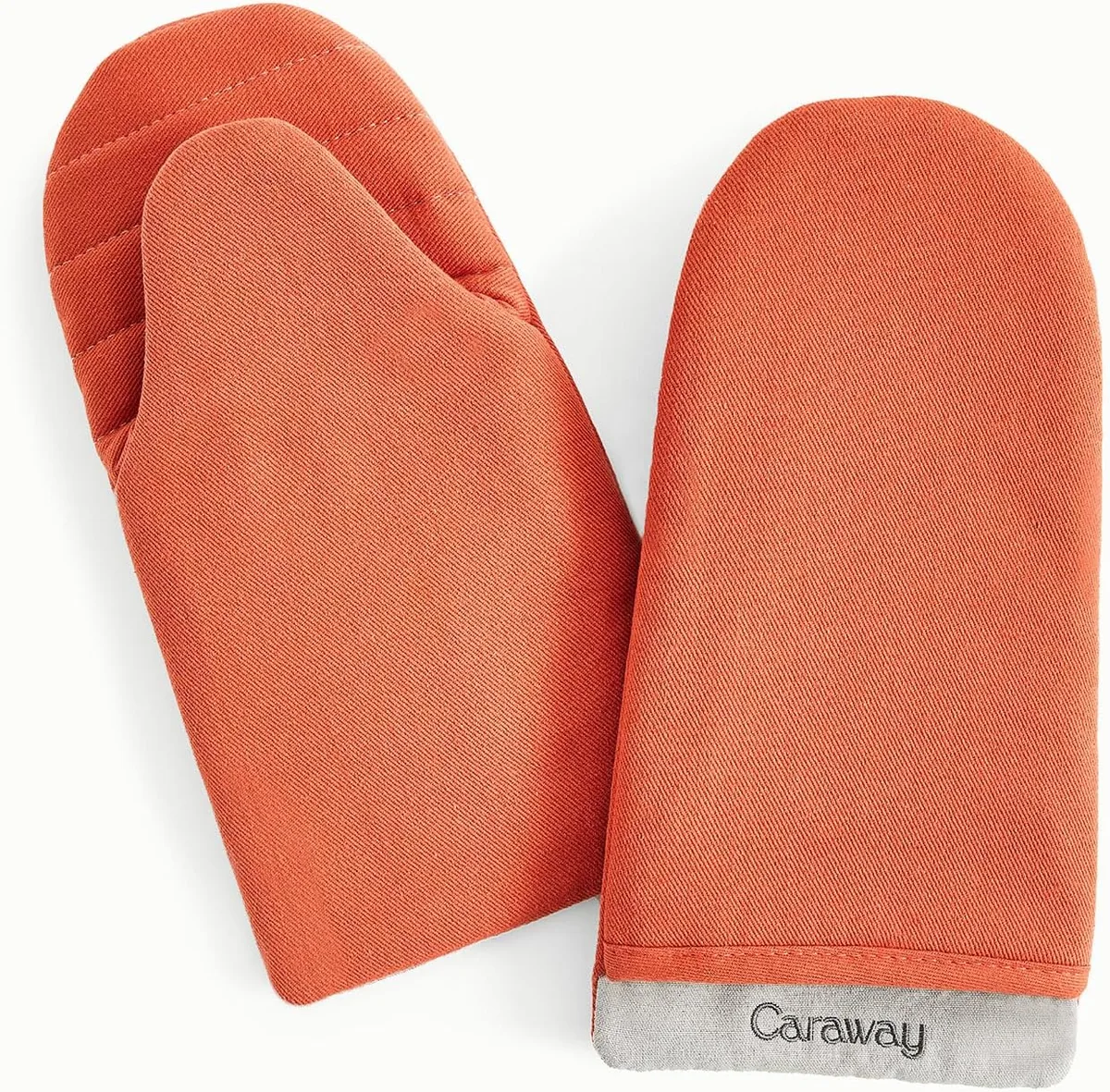
Image source: Bing (Web (fair-use with source credit))
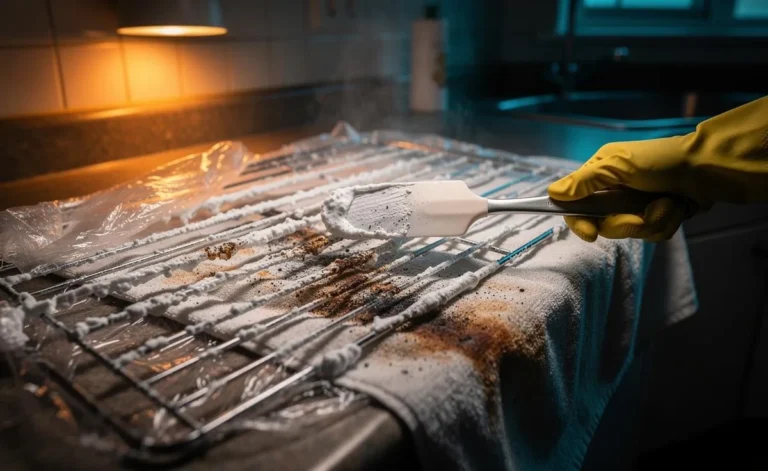
Oven mitts trap more than just heat. Every time you grab a hot pan, you transfer cooking oil, sauce residue, and food particles into the fabric or silicone surface. Over time, that buildup hardens into baked-on stains that smell and compromise grip.
The biggest challenge is material variety. A silicone mitt with a cotton lining is a completely different cleaning beast than an all-cotton quilted mitt. One can handle a soak in hot soapy water.
The other will shrink. And neoprene gloves, often used for grilling, are heat resistant but can't take the heat of a dryer.
Aggregate reviews from home cooks report that grease stains are the number one reason people throw away mitts prematurely. The second is accidental melting from touching a hot oven rack while the mitt is still damp. Both are preventable with the right cleaning workflow.
Decision Tree: What Kind of Mitt Do You Have?
Before you pick a cleaning method, you need to identify the material. Here is a simple way to check:
- Silicone mitts, Flexible, rubbery texture, usually a solid color or two-tone. Often have a cotton or terry cloth lining inside. The outer shell is waterproof and nonstick.
- Cotton or quilted mitts, Thick fabric, often with a diamond stitch pattern. Can be 100% cotton or a cotton-polyester blend. The surface is absorbent.
- Neoprene or heat proof gloves, Smooth, slightly spongy surface, often black or gray. They look like thick wetsuit material. Usually have a textured grip on the palm.
If you are unsure, check the tag. Most manufacturers include a small care label sewn into the cuff or printed on the silicone. Per industry standards, if no tag exists, treat the mitt as if it is cotton and hand wash to be safe.
Silicone Mitts (Hand Wash Only)
Silicone is durable but sensitive to heat and abrasives. You should never put silicone mitts in the dishwasher unless the manufacturer explicitly says so. The high heat can warp the shape and the detergent can dull the surface.
Cotton / Quilted Mitts (Machine Wash Friendly)
Cotton mitts are the most forgiving. They tolerate machine washing on cold or warm, but not hot. Hot water shrinks cotton.
The key is to pre treat stains before washing.
Neoprene or Heat Proof Gloves (Spot Clean or Gentle Hand Wash)
Neoprene is closed cell foam. It does not absorb much liquid, but it can trap odors. Machine washing can break down the foam structure.
Stick to spot cleaning or a gentle hand wash.
Step by Step: How to Clean Each Type Without Ruining It
Now that you know your material, follow the specific instructions below.
For Silicone: Degrease, Scrub, Air Dry
- Fill your sink with warm water and a few drops of dish soap.
- Submerge the mitts and use a soft sponge to scrub the entire surface. Focus on the palm and fingers where grease builds up.
- Rinse thoroughly under running water.
- Squeeze out excess water from the lining, then let them air dry completely. Do not put them in the dryer.
- If stains remain, make a paste of baking soda and water. Apply it to the stain, let it sit for 15 minutes, then scrub again.
Important: Silicone can hold onto odors. To deodorize, soak in a solution of one part white vinegar to three parts water for 30 minutes, then rinse and dry.
For Cotton: Pre Treat Stains, Machine Wash Cold, Low Dry
- Pre treat any heavy stains with a drop of dish soap or a paste of baking soda and water. Rub it in gently.
- Place the mitts in a mesh laundry bag to protect them from snagging.
- Wash on a cold or warm cycle with a mild detergent. Do not use fabric softener. It coats the fibers and reduces heat resistance.
- Tumble dry on low heat or air dry flat. High heat can shrink cotton significantly. Check the mitts halfway through the drying cycle to avoid over drying.
- If the mitts have a cotton lining that is separate from a silicone outer layer, turn them inside out before washing to clean the lining directly.
For Neoprene: Hand Wash with Mild Soap, Drip Dry
- Fill a bowl or sink with lukewarm water and a small amount of mild soap. Avoid harsh detergents.
- Dip the gloves and gently rub the surface with your hands or a soft cloth. Do not scrub aggressively.
- Rinse thoroughly. Neoprene can hold soap residue, which can cause skin irritation later.
- Squeeze out water gently. Do not wring, twist, or fold the gloves.
- Hang them to drip dry away from direct heat or sunlight. Do not machine dry.
Common Mistakes That Destroy Oven Mitts (and How to Avoid Them)
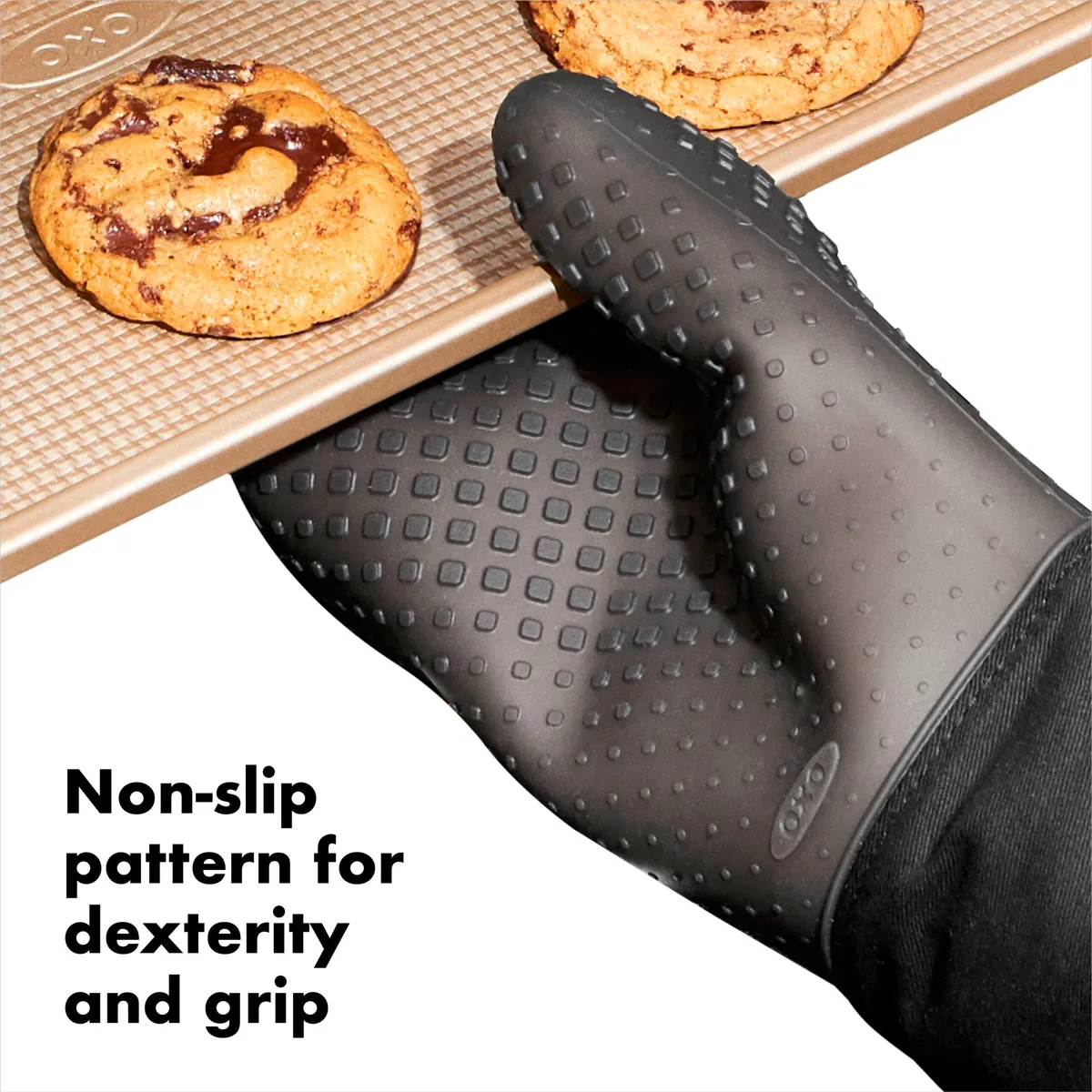
Image source: Bing (Web (fair-use with source credit))
The biggest mistake people make is treating all mitts the same. Here is a quick list of what not to do:
- Using bleach on colored mitts, Bleach weakens the fabric and fades colors. It can also damage the silicone coating.
- Machine drying silicone, The high heat can melt or warp the silicone. Always air dry.
- Washing cotton on hot, Hot water shrinks cotton by up to 10 percent. Use cold or warm only.
- Using fabric softener, It coats the fibers and reduces breathability and heat resistance. Manufacturer care labels specifically warn against it.
- Not pre treating grease stains, Grease bakes on in the wash. You need to break it down with soap or baking soda first.
- Putting wet mitts back in the drawer, Moisture leads to mildew and odors. Always dry completely before storing.
One more mistake: ignoring the care label. According to the U.S. Consumer Product Safety Commission, following manufacturer instructions is the safest way to preserve protective gear.
If the label says "hand wash only," trust it.
When to Toss Them: Signs It's Time for a New Pair
Even with perfect cleaning, oven mitts don't last forever. Heat exposure degrades the protective materials over time. Knowing when to replace them keeps your hands safe.
Look for these warning signs:
- Melted or warped spots, Silicone mitts with melted areas lose their grip and their heat barrier. Toss them immediately.
- Burned or singed fabric, Any charred spot on cotton or quilted mitts means the insulation is compromised. A small burn can turn into a full burn-through on the next hot pan.
- Thin or threadbare patches, If you can see light through the fabric or feel heat when you grab a warm dish, it is time.
- Loose or frayed stitching, The seams hold the insulation layers together. When they start unraveling, the mitt is no longer reliable.
- Persistent odor that won't wash out, A smell that stays after multiple washes usually means mold or bacteria has set into the inner lining.
- Stiff or crusty spots, Baked on grease that won't dissolve can harden and create a heat conduction bridge. That defeats the whole purpose of a mitt.
Aggregate user feedback indicates that most oven mitts last between six months and two years with regular use. If you cook daily, check your mitts every few months for these signs.
Frequently Asked Questions
Can I put oven mitts in the dishwasher?
Only if the manufacturer explicitly states they are dishwasher safe. Most silicone mitts with cotton linings are not. The high heat and strong detergent can warp the silicone and damage the lining.
Hand washing is safer for nearly all mitts.
How do I get grease stains out of oven mitts?
Pre treat the stains with a paste of baking soda and water or a drop of dish soap. Let it sit for 15 minutes. Then wash according to the material instructions.
For cotton mitts, machine wash on cold. For silicone, scrub with a soft sponge and rinse well.
Can I use bleach to whiten my oven mitts?
You can use bleach on white cotton mitts only. Never use it on colored or silicone mitts. Bleach weakens fabric fibers over time and can damage silicone's surface.
A better alternative for whitening is hydrogen peroxide. Soak the mitts in a 3 percent hydrogen peroxide solution for 30 minutes, then wash normally.
How often should I clean my oven mitts?
Clean them every two to four weeks if you cook regularly. If you handle greasy or saucy dishes daily, wash them weekly. Spot clean after any major spill to prevent stains from setting.
Can I dry oven mitts in the dryer?
Cotton and quilted mitts can go in the dryer on low heat. Never dry silicone mitts or neoprene gloves in the machine. The heat can melt or warp them.
Air drying is the safest option for all types.
Why do my oven mitts smell even after washing?
The smell is usually trapped grease or moisture. To deodorize, soak cotton mitts in a solution of one part white vinegar to three parts water for 30 minutes before washing. For silicone, scrub with a baking soda paste.
Always dry completely before storing.
Final Verdict: Your Quick Decision Guide
Here is the simplest way to remember the right approach:
| Material | Cleaning Method | Drying Method | Lifespan |
|---|---|---|---|
| Silicone | Hand wash with dish soap | Air dry only | 1-2 years |
| Cotton / Quilted | Machine wash cold, pre treat stains | Low heat dryer or air dry | 6-18 months |
| Neoprene | Hand wash with mild soap | Drip dry away from heat | 1-2 years |
Match your mitt type to the table above. Follow the steps for that material. Check for damage every few months.
That routine will keep your mitts clean, safe, and working well for as long as possible.
When in doubt, hand wash with mild soap and air dry. That method is safe for nearly every type of oven mitt. It takes a few extra minutes but it extends the life of your gear significantly.
And if your mitts show any signs of melting, burning, or thinning, do not risk it. Replace them. A clean mitt does you no good if it cannot protect your hands.