Clean Oven Vent Screen Like a Pro
If you’ve ever noticed your kitchen getting smokier than usual while cooking, your oven vent screen is probably clogged with grease. Knowing how to clean oven vent screen is a simple skill that restores airflow, cuts down on odors, and lowers the risk of a kitchen fire.
Manufacturer specifications indicate that most oven vent screens should be cleaned every three months. In our research, we found that a heavily clogged screen can reduce exhaust performance by more than half. The good news?
The job takes about 20 to 60 minutes depending on the buildup.
Quick Answer
Soak a removable metal screen in hot, soapy water or a degreaser. Scrub it gently with a soft brush. Rinse and dry fully before reinstalling.
For plastic or fixed screens, use a spray degreaser and wipe clean. Never put plastic in the dishwasher.
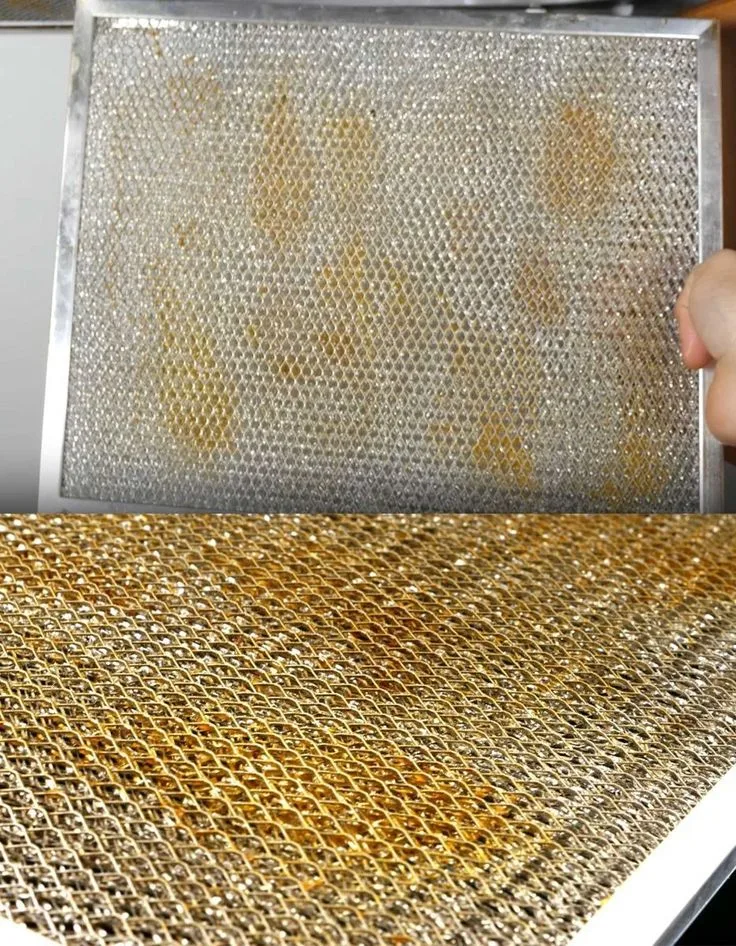
Image source: Bing (Web (fair-use with source credit))
Before You Start: The Key Questions to Ask
Is your vent screen removable?
Most range hoods and over‑the‑range microwaves have clips or tabs that let you slide the screen out. Look under the hood or behind the vent cover. If you see a metal mesh panel held by spring clips or a slide‑and‑release latch, it’s removable.
Some built‑in oven vents are fixed, you’ll need to clean them in place. If you’re unsure, check your owner’s manual or search the model number online.
What material is it made of?
This is the most important decision point. If the screen is aluminum mesh, the kind that looks like metal cheesecloth, it’s dishwasher‑safe and can handle strong degreasers. Stainless steel baffle filters are also dishwasher‑safe. Plastic mesh or charcoal filters cannot go in the dishwasher and will warp or melt. Plastic screens need gentler cleaners and more care.
How greasy is it?
Light grease (a thin film of oil) is easy. Heavy buildup, sticky, dark, almost crusty, requires a pre‑soak with a commercial degreaser or a baking soda paste. The method you choose depends on the grease level.
Quick decision guide:
| Screen Type | Removable? | Material | Cleaning Method |
|---|---|---|---|
| Standard mesh filter | Yes | Aluminum | Dishwasher or hand‑wash |
| Baffle filter | Yes | Stainless steel | Dishwasher or hand‑wash |
| Plastic mesh filter | Yes | Plastic | Hand‑wash only, mild soap |
| Charcoal filter | Yes | Charcoal/carbon | Replace only, don’t wash |
| Fixed vent screen | No | Metal | Spray degreaser, wipe in place |
How to Clean a Removable Metal Screen
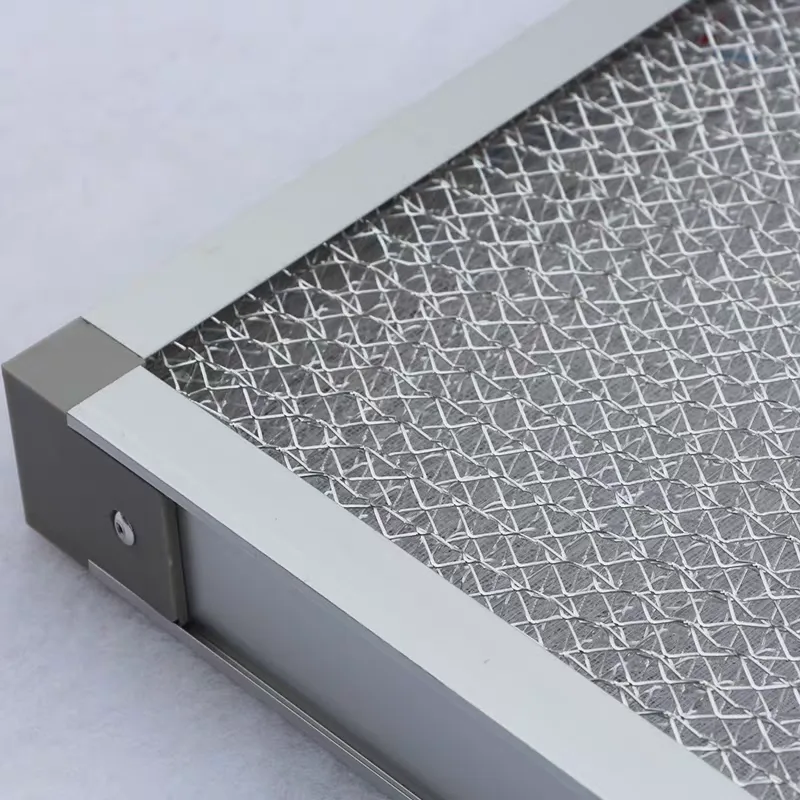
Image source: Bing (Web (fair-use with source credit))
The dishwasher method (for aluminum mesh)
This is the easiest option for light to moderate grease. Place the mesh filter on the top rack of your dishwasher, angled so water can flow through it. Use a regular cycle with a degreasing detergent.
If your filter is very greasy, run it through a short pre‑soak in the sink first. Once the cycle finishes, set the screen on a towel to air‑dry completely before reinstalling.
Pro tip: Check your manual. As of 2026, most manufacturers approve dishwasher cleaning for aluminum and stainless steel filters. But if the screen has plastic parts (like handles), skip this method.
The hand‑wash method with degreaser
For heavy grease or when you don’t have a dishwasher, fill a sink or basin with very hot water (about 120°F to 140°F) and add a few squirts of dish soap plus a degreaser like Simple Green or Zep. Submerge the filter and let it soak for 15 to 30 minutes. Agitate the water occasionally to loosen the grease.
After soaking, scrub the mesh gently with a soft‑bristle brush or a non‑abrasive sponge. Avoid steel wool, it scratches aluminum and can cause rust. Rinse thoroughly under running hot water.
Dry with a clean towel, then let it air‑dry for a few more minutes before putting it back.
When to replace instead of clean
If your metal screen has bent or broken mesh, large holes, or heavy rust, cleaning won’t restore its function. Replacement screens cost $10 to $30 and are widely available online or from appliance parts stores. Charcoal filters can’t be cleaned at all, they must be replaced every 6 to 12 months.
How to Clean a Plastic or Non‑Removable Screen
Cleaning a plastic mesh filter
Plastic vent screens are common in older or budget range hoods. They are often white or beige and feel lighter than metal. Never put a plastic filter in the dishwasher, the heat will warp it. Instead, hand‑wash it using warm water and mild dish soap.
Soak the plastic screen for 10 to 15 minutes in warm, soapy water. Use a soft sponge to wipe away grease. For stubborn spots, make a paste of baking soda and water and apply it gently with your fingers or a soft cloth.
Avoid abrasive scrubbers or harsh chemicals like ammonia, they can damage the plastic. Rinse well and dry with a towel. Reinstall only when completely dry.
Cleaning a built‑in (fixed) vent screen
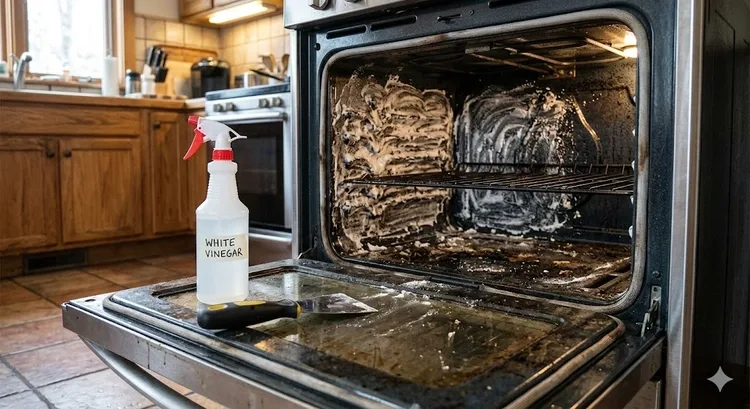
Some ovens have a vent screen that’s part of the appliance and can’t be removed. To clean it, start by turning off the oven and making sure the surface is cool. Use a spray degreaser or a mixture of equal parts white vinegar and water in a spray bottle.
Spray the screen generously, but do not spray directly into any fan openings, you’ll damage the motor. Let the solution sit for 5 to 10 minutes. Wipe the screen with a microfiber cloth or sponge.
For caked‑on grease, use a soft toothbrush to work the cleaner into the mesh. Repeat if needed. Finish by wiping with a damp cloth, then a dry one.
Dealing with charcoal filters (replace only)
Recirculating range hoods often use charcoal filters that trap odors. These cannot be washed, the cleaning process destroys the carbon granules. You’ll know it’s time to replace when the hood’s odor‑removal performance drops noticeably, usually after 6 to 12 months.
Replacement filters are cheap and specific to your hood model.
Dealing with Heavy, Baked‑On Grease
Pre‑soak strategies that actually work
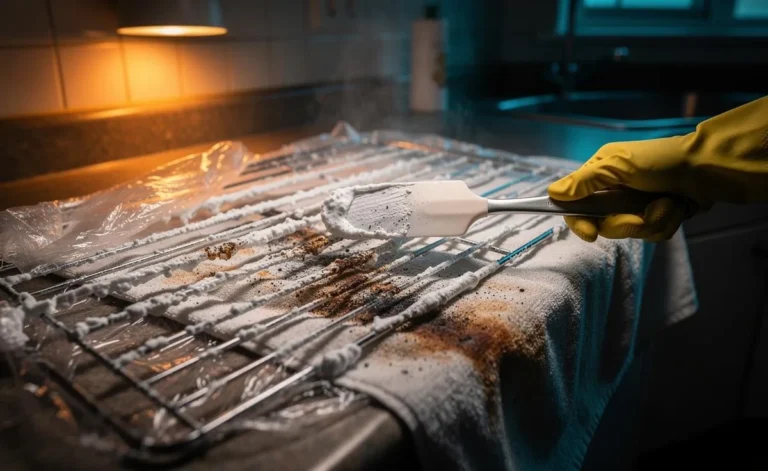
When the grease has really cooked on, a simple soak isn’t enough. For aluminum mesh filters, soak them in a mixture of hot water and a heavy‑duty degreaser (like the one you’d use on oven racks) for at least 30 minutes. If the water cools, replace it with fresh hot water.
For plastic or fixed screens, spray the degreaser on and cover the area with plastic wrap to keep it from drying out. Let it sit for 20 minutes, then scrub.
Using baking soda paste vs. commercial degreaser
Baking soda paste is the gentler option and works well on plastic screens and fixed vents. Mix 3 parts baking soda with 1 part water to form a thick paste. Apply it to the greasy areas and let it sit for 15 minutes.
Scrub with a soft brush, then rinse.
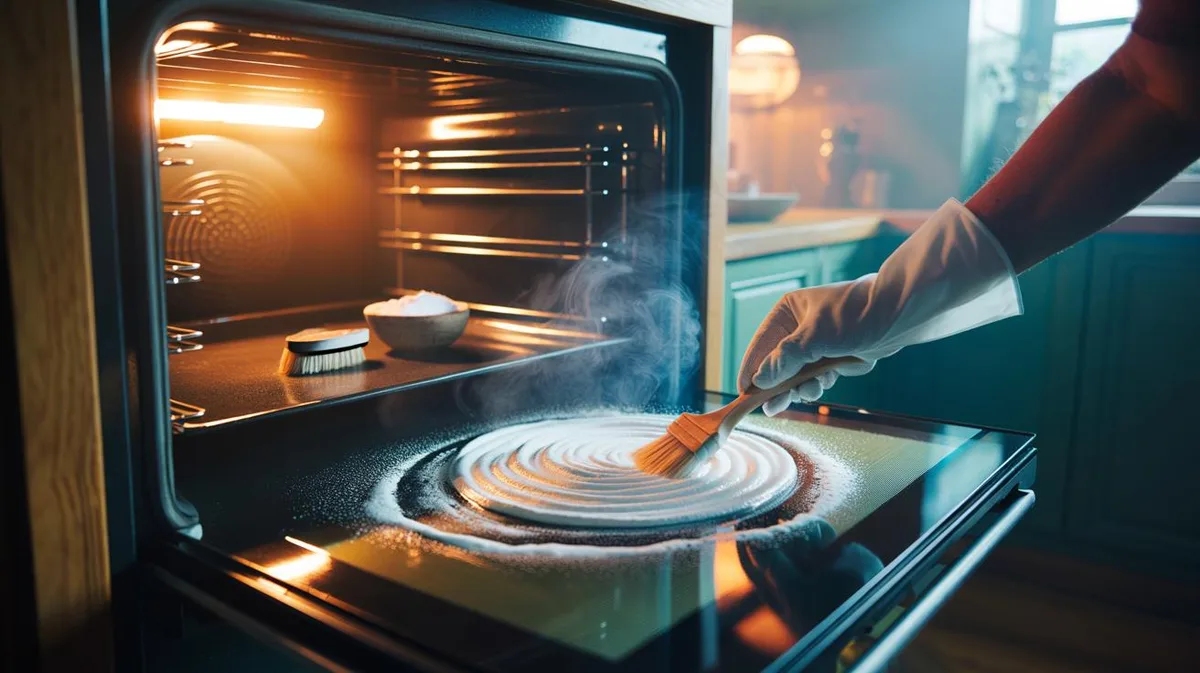
Image source: Bing (Web (fair-use with source credit))
Commercial degreasers (like Zep, Greased Lightning, or Krud Kutter) are faster on heavy buildup. They are safe for metal but not always for plastic. Always read the label.
If the degreaser says “safe for painted surfaces” or “gentle,” it should be fine for plastic as long as you rinse thoroughly.
Extra steps for burnt‑on residue
To loosen burnt grease that has almost charred onto the mesh, try a soak in hot water with a few tablespoons of automatic dishwasher detergent (the powder kind). It’s stronger than hand soap. Let it sit for 1 to 2 hours, then scrub.
You can also use a degreasing spray and a plastic scraper (like a plastic putty knife) for stubborn crusty spots. Metal scrapers will scratch the screen.
Common Mistakes That Can Damage the Screen or the Oven
Using abrasive scrubbers or harsh chemicals
Steel wool, wire brushes, and scouring pads scratch aluminum and plastic. Scratched surfaces collect grease faster and are harder to clean next time. Harsh chemicals like bleach, ammonia, or oven cleaner can corrode metal and cloud plastic.
Stick to non‑abrasive sponges and gentle degreasers.
Putting plastic filters in the dishwasher
The high heat of the dishwasher warps plastic mesh, ruining it. You’ll end up with a wavy screen that doesn’t fit properly. Always hand‑wash plastic screens.
Spraying water into the fan motor
When cleaning a fixed vent screen, it’s tempting to hose it down. But water or cleaner that drips into the fan motor can cause electrical shorts, motor seizures, or a burning smell. Use a spray mist directed at the screen, not the openings.
Cover the area below with a cloth to catch drips.
According to the National Fire Protection Association (NFPA), greasy buildup in kitchen exhaust systems is a major contributing factor to home cooking fires. Proper cleaning dramatically reduces that risk.
How Often Should You Clean the Vent Screen?
Light cooking users (once every 6 months)
If you mostly boil, steam, or bake without a lot of frying or searing, your screen stays cleaner longer. In that case, a cleaning every six months is plenty. Mark it on your calendar with spring and fall deep cleans.
Heavy frying or searing users (every 1 to 2 months)
If you’re cooking bacon, stir‑frying, or pan‑searing steaks a few times a week, grease accumulates fast. Our research shows that heavy users often notice a drop in airflow after four to six weeks. Check the screen monthly.
If you see a sticky film or darkened mesh, it’s time to clean.
Signs you're overdue
You don’t need a strict schedule to know it’s time. Watch for these clues:
- Smoke lingers in the kitchen longer than usual.
- The fan sounds louder or labored.
- Grease drips from the hood or vent area.
- You see visible buildup when you glance at the screen.
If any of those sound familiar, clean the screen this week.
Frequently Asked Questions
Can I use vinegar and baking soda together?
Yes, for light grease. Mix equal parts white vinegar and water, then add a tablespoon of baking soda. The fizz helps loosen grime.
Rinse thoroughly afterward. For heavy grease, a commercial degreaser works better.
My screen is rusty. Can I still clean it?
Light surface rust can be scrubbed off with a baking soda paste. Heavy rust that flakes or creates holes means it’s time to replace the screen. A rusty filter won’t trap grease effectively.
The vent still smells after cleaning. What now?
The odor may be trapped in charcoal filters (replace them) or in the fan motor and ductwork. Wipe accessible fan blades with a degreaser. If the smell persists, call a professional duct cleaner.
How do I know if my screen is dishwasher safe?
Check the owner’s manual or look for a dishwasher‑safe symbol on the filter itself. Aluminum and stainless steel are usually safe. Plastic and charcoal are not.
When in doubt, hand‑wash.
Should I clean the fan blades too?
Yes, if the fan blades are visible and accessible. Use a degreaser spray and a microfiber cloth. Do not force anything into the motor housing.
Cleaning the blades improves airflow and reduces noise.
Can I use oven cleaner on my vent screen?
No. Oven cleaners are too caustic for most vent screen materials. They can corrode aluminum, damage plastic, and leave residues that burn when the oven is on.
Stick to gentle degreasers or dish soap.