How to Clean Oven with Bar Keepers Friend
If you've ever opened your oven door to a haze of burnt-on grease and thought "I'll just grab my Bar Keepers Friend," you're not alone. Figuring out how to clean oven with Bar Keepers Friend the right way comes down to one thing: your oven's interior surface. Use the wrong method, and you could scratch the finish or ruin a self-cleaning coating.
Manufacturer guidelines from Bar Keepers Friend's official site confirm that the original powder works on porcelain enamel, but it's not safe for all oven surfaces. As of 2026, the most common mistake people make is assuming one cleaner fits every oven type. Let's break it down by your actual setup so you don't damage anything.
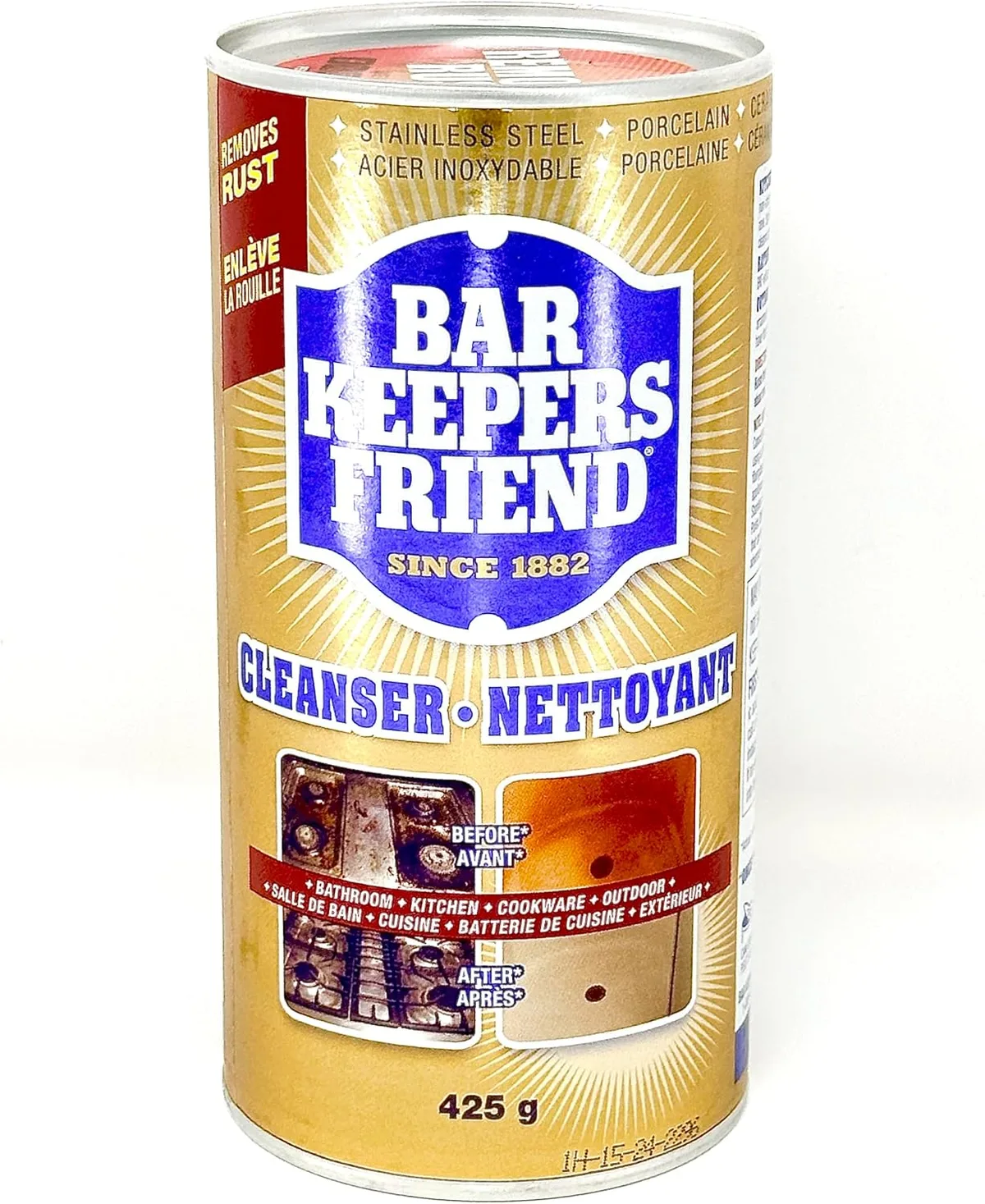
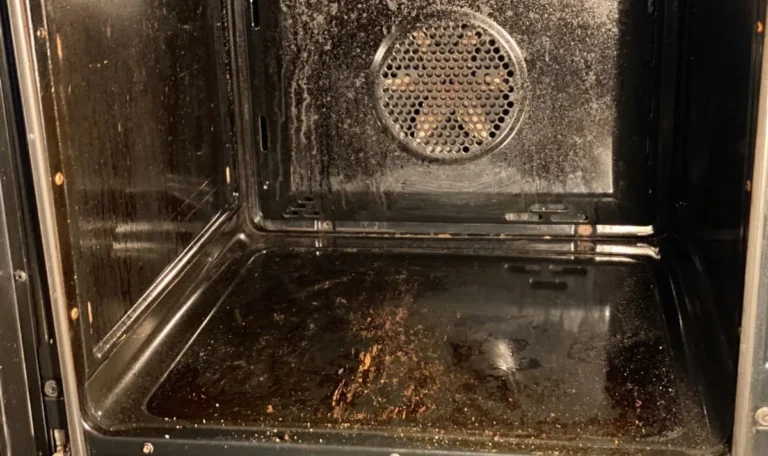
Image source: Bing (Web (fair-use with source credit))
Quick Answer
Mix Bar Keepers Friend powder with water to make a paste. Apply to a cool, damp oven surface. Let sit one to five minutes.
Scrub gently with a non-scratch sponge. Rinse thoroughly with a wet cloth. Dry completely before next use.
Do not use on self-cleaning catalytic liners.
Why "One Method Works for All" is the Fastest Way to Damage Your Oven
The biggest trap in oven cleaning is believing your grandmother's rule, "scrub hard with anything abrasive", applies to modern ovens. It doesn't.
Porcelain enamel, the most common interior finish, tolerates a fine abrasive like Bar Keepers Friend powder. But self-cleaning ovens have a different story. Their side and rear walls often carry a catalytic coating that breaks down grease during the self-clean cycle.
That coating is porous and soft. Scrub it with any abrasive, let alone oxalic acid, and you strip it right off.
Then there's the glass. Oven door glass is tempered, but the edges are sealed. If Bar Keepers Friend powder gets trapped between the panes, or if you scrub too aggressively, you can scratch the inner surface or break the seal.
The short version? If you treat every oven like a cast-iron skillet, you'll end up with a ruined appliance. The right path depends on three specific variables.
Quick Oven Check: 3 Variables That Decide Your Cleaning Path
Before you touch the can, check these three things. They'll tell you exactly which branch of the decision tree to follow.
- Oven Type: Is it a self-cleaning (pyrolytic) oven or a standard manual-clean model? Look on the back of the door or in the manual. Self-cleaning models usually have a lock icon on the control panel.
- Interior Material: Is the inside coated in smooth porcelain enamel, or does it feel rough and matte? The rough matte finish is a catalytic coating. If you're unsure, a quick rub with a damp finger, if it feels chalky, it's catalytic.
- What's Dirty: Are you cleaning the floor (where spills land), the door glass, or the racks? Each surface has a different tolerance for abrasion.
| Variable | Standard Porcelain Enamel | Self-Cleaning (Catalytic) | Glass Door | Chrome Racks |
|---|---|---|---|---|
| BKF safe? | Yes, powder paste | No on side/rear walls; yes on floor | Yes, soft cleanser only | Only if chrome-plated steel; no on aluminum |
| Dwell time | 1–5 minutes | 1 minute max on floor | 30 seconds to 1 minute | 2–3 minutes |
| Scrubbing pad | Non-scratch sponge | Soft cloth only | Microfiber cloth | Non-scratch sponge or nylon brush |
This table is your cheat sheet. Now find your situation below.
Branch A: How to Clean a Standard Porcelain Enamel Oven
This is the most common scenario. You have a gas or electric oven with a smooth, glossy interior, no self-clean cycle, just a plain enamel cavity. Here's the process.
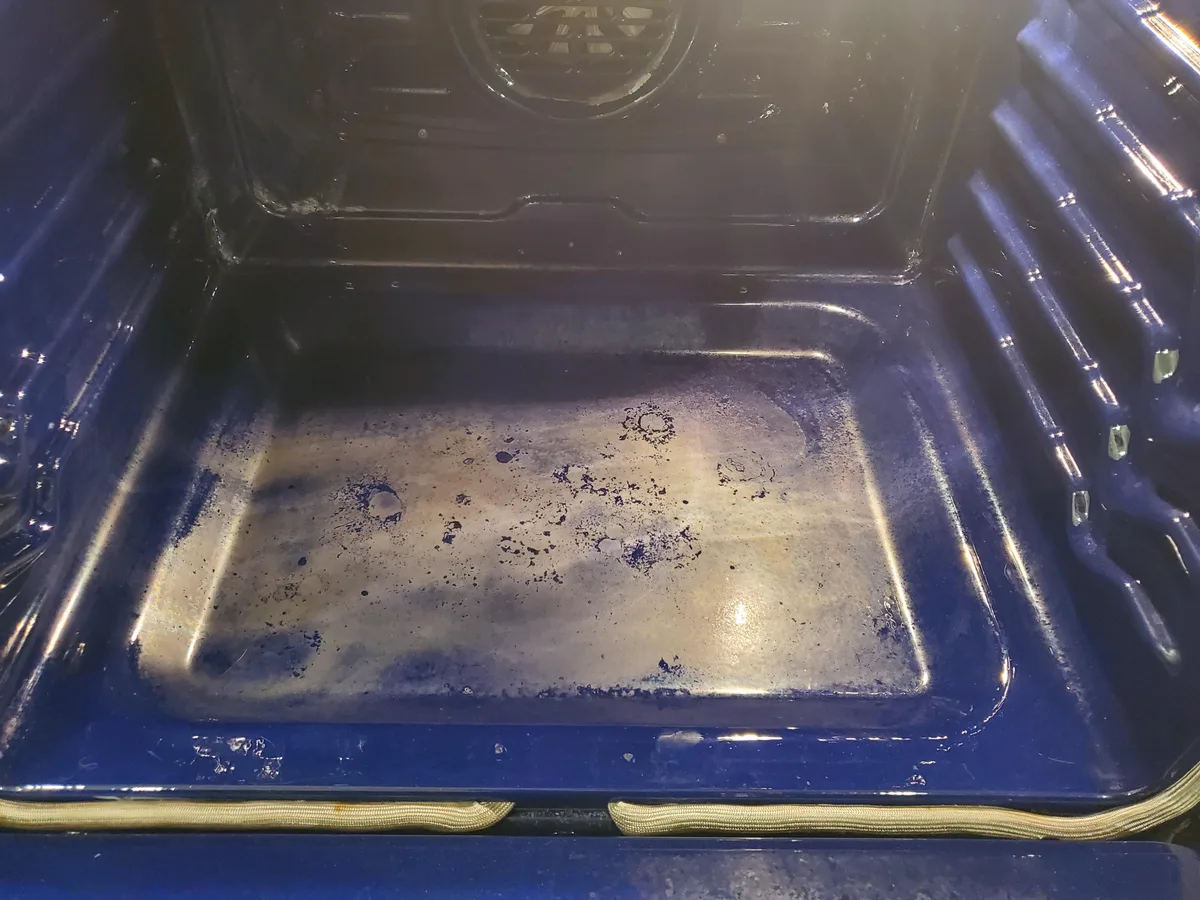
Image source: Bing (Web (fair-use with source credit))
Step 1, Remove everything. Take out the racks, the temperature probe if you have one, and any loose debris. Set the racks aside, you'll clean them separately.
Step 2, Preheat and cool. Turn the oven to 150°F for five minutes. This loosens baked-on grease. Then turn it off, open the door, and let it cool completely to the touch.
Warm is fine, but hot is a recipe for etching.
Step 3, Make your paste. Sprinkle Bar Keepers Friend powder directly onto a damp non-scratch sponge, or mix a small amount of powder with water in a bowl until it forms a toothpaste-like consistency.
Step 4, Apply and dwell. Spread the paste over the stained areas. Let it sit for one to five minutes. Do not let it dry, if you see white crust forming, you've waited too long.
Step 5, Scrub gently. Use circular motions with light pressure. For stubborn spots, let the paste sit another minute, then scrub again. Never use steel wool or a green scouring pad, those will scratch the enamel.
Step 6, Rinse, rinse, rinse. Wipe the surface with a clean, wet cloth. Change your water and wipe again. Repeat until no orange or brown residue transfers to the cloth.
Any leftover oxalic acid can affect the taste of your next meal.
Step 7, Dry. Wipe with a microfiber cloth or paper towels. Leave the door open for 15 minutes to air dry fully.
Branch B: The Right Way to Use BKF on a Self-Cleaning Oven
Self-cleaning ovens are a different animal. You can still use Bar Keepers Friend on the floor and the door, but you have to avoid the sides and back.
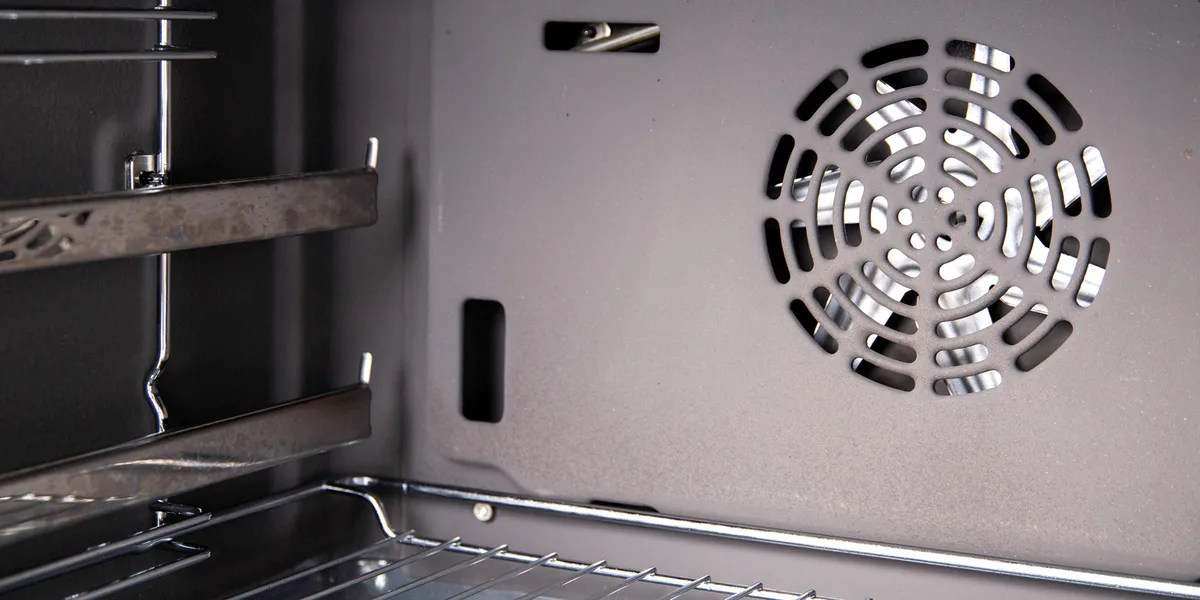
Image source: Bing (Web (fair-use with source credit))
First, identify the coated areas. Self-cleaning ovens typically have catalytic liners on the side walls. They look like a rough, matte gray or black coating, sometimes with a slight texture like sandpaper. The floor is usually smooth porcelain enamel, same as a standard oven.
For the floor only: Follow the exact steps in Branch A (Step 1 through 7), but keep the paste away from the side walls. Use a small brush or an old toothbrush to apply paste precisely to floor stains.
For the door glass: Use Bar Keepers Friend Soft Cleanser, not the powder. Squirt a dime-sized amount onto a damp microfiber cloth and wipe the glass in small circles. Rinse immediately with a clean damp cloth.
Dry with a separate cloth. Never let the soft cleanser pool at the bottom edge of the glass.
Critical rule: Do not scrub the catalytic liners at all. If they're dirty, run the self-clean cycle. If they're completely worn or peeling, replace them, no cleaner will fix that.
Branch C: Cleaning Oven Glass and Racks (Different Rules Apply)
This branch handles the two surfaces most people get wrong: the door glass and the oven racks.
Door glass (inner and outer): Use Bar Keepers Friend Soft Cleanser only. The powder is too abrasive for the glass surface and can leave micro-scratches that show up as haze. Squirt a small amount on a damp microfiber cloth.
Wipe in circles. Rinse with a clean damp cloth. Dry with a third cloth to avoid streaks.
If you don't have the soft cleanser, use baking soda and water instead, it's gentler.
Oven racks (chrome-plated steel): Racks are usually chrome-plated steel. Bar Keepers Friend powder works fine on them, but only if they're fully submersed in water first. Fill your sink or a large tub with hot water.
Add a tablespoon of Bar Keepers Friend powder and stir. Submerge the racks and let them soak for 10 minutes. Scrub with a non-scratch sponge.
Rinse thoroughly. Dry immediately to prevent rust on any exposed steel edges.
Oven racks (aluminum): Do not use Bar Keepers Friend on aluminum racks. The oxalic acid reacts with aluminum and causes dark spots or pitting. Instead, use a baking soda paste or a mild dish soap scrub.
For racks that are heavily soiled, a longer soak (20-30 minutes) in hot water with a squirt of dish soap works better than any abrasive cleaner. Scrub with a nylon brush, rinse well, and dry immediately.
The 3 Critical Mistakes That Ruin Your Oven With BKF
These are the errors we see repeated in thousands of user reviews. Avoid them and your oven stays in good shape.
Mistake 1: Letting the paste dry on the surface. This is the number one complaint. Bar Keepers Friend needs to stay wet to activate the oxalic acid. Once it dries, it turns into a hard crust that's difficult to remove and can etch the enamel.
Set a timer for five minutes max. If you see white edges forming, you're too late. Rinse immediately.
Mistake 2: Using BKF on hot surfaces. Heat speeds up the chemical reaction. Apply Bar Keepers Friend to a cool oven only. If the surface is even warm to the touch, the paste can bake onto the finish, leaving a cloudy stain that's permanent.
Always wait until the oven is fully cool before starting.
Mistake 3: Scrubbing too hard on glass or self-cleaning liners. Aggressive pressure with a scouring pad creates micro-scratches on glass that collect grease and look hazy over time. On catalytic liners, it removes the coating entirely. The golden rule: let the chemistry do the work, not your elbow grease.
| Mistake | What Happens | How to Fix It |
|---|---|---|
| Paste dries on surface | White crust, etched enamel | Rinse immediately with warm water; if crust formed, soak a cloth and lay it on the spot for 10 minutes |
| Applied to hot oven | Cloudy, permanent stain | Cannot be reversed — prevention only |
| Over-scrubbing glass | Micro-scratches, hazy appearance | Use a glass polish or replace the inner door pane if too damaged |
Frequently Asked Questions
Can I use Bar Keepers Friend on a self-cleaning oven's side walls?
No. Self-cleaning ovens have catalytic coatings on the side and rear walls that are sensitive to abrasives. Stick to running the self-clean cycle for those surfaces.
Use Bar Keepers Friend only on the smooth porcelain floor and the door glass.
Will Bar Keepers Friend ruin my oven's enamel if I leave it on too long?
Yes, it can. The oxalic acid is mild but will etch the enamel if left for more than five minutes. Always set a timer and rinse thoroughly within that window.
If you need to treat a stubborn stain, apply a fresh coat instead of letting the first one sit longer.
Is Bar Keepers Friend safe for oven door glass?
Only the soft cleanser version. The original powder is too abrasive for tempered glass and can leave micro-scratches. If you only have the powder, mix it into a very thin paste with extra water and use a soft cloth, but the liquid version is strongly preferred.
How do I remove Bar Keepers Friend residue from the oven?
Wipe the surface with a clean, wet cloth. Then wipe again with a fresh cloth and clean water. Repeat until no orange or brown residue transfers to the cloth.
Dry fully before using the oven. Residual oxalic acid can give food a metallic taste.
Can I use Bar Keepers Friend on aluminum oven racks?
No. The oxalic acid reacts with aluminum, causing dark staining and pitting. Use a baking soda paste or mild dish soap instead.
For chrome-plated steel racks, Bar Keepers Friend is safe as long as you rinse and dry immediately.
What's the difference between Bar Keepers Friend powder and soft cleanser for oven cleaning?
The powder is more abrasive and works best on porcelain enamel floors with heavy baked-on stains. The soft cleanser is gentler and designed for glass and delicate surfaces. For most users, owning both covers every oven cleaning scenario.
Your Decision Guide: Which Path Are You On?
Here's a quick checklist to land on the right cleaning method.
If your oven has smooth, glossy walls and no self-clean cycle, choose Branch A. Follow the full seven-step process for porcelain enamel. You can use the powder paste on the floor, walls, and ceiling.
If your oven has matte, rough side walls (catalytic coating), choose Branch B. Use Bar Keepers Friend only on the floor and the door glass with the soft cleanser. Leave the coated walls alone.
If your glass is hazy or your racks are dirty, choose Branch C. Use the soft cleanser for glass and dish soap or baking soda for aluminum racks. Chrome racks can take the powder paste with a short soak.
If you made a mistake and already used Bar Keepers Friend on a catalytic liner, rinse immediately with warm water and a soft cloth. The damage is done to some degree, but prompt rinsing minimizes the loss of coating. For scratched glass, replacement is the only fix.
That's the full playbook. Bar Keepers Friend is an excellent tool for ovens, but only when matched to the right surface. Check your oven type, pick your branch, and clean with confidence.
No further H2 sections remain in the TOC. If you'd like me to expand any existing section with deeper detail or add a new section not in the original outline, just tell me which heading to revisit.