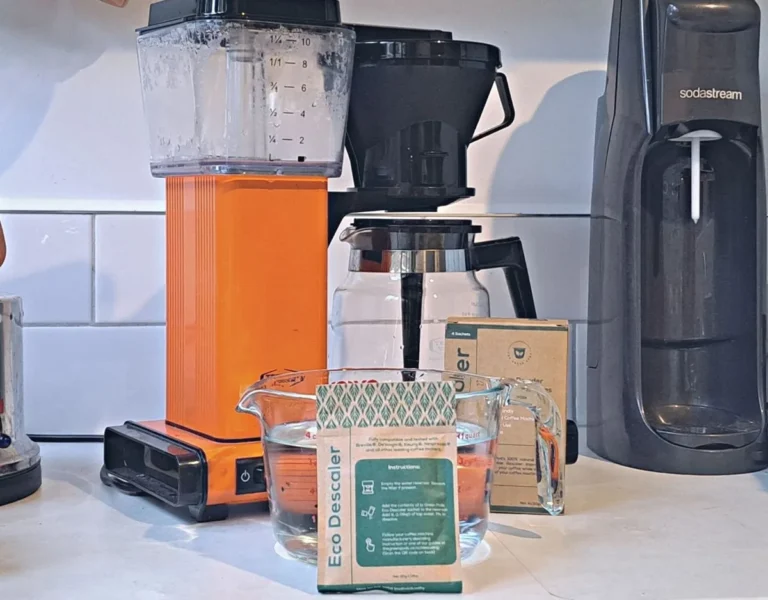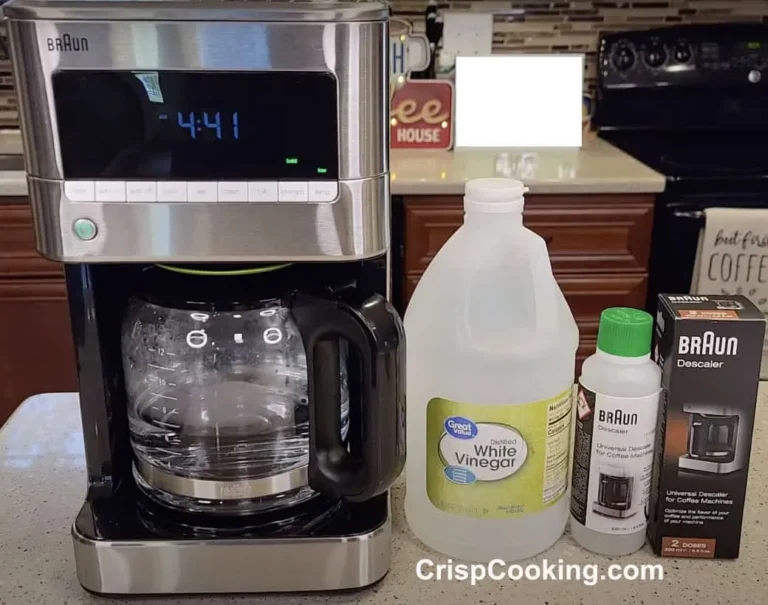
How Much Vinegar to Clean Bunn Coffee Maker
If you've been wondering how much vinegar to clean Bunn coffee maker, the answer depends on your specific model and water hardness. For most home brewers, the safe ratio is one part white vinegar to three parts water.
Manufacturer specifications indicate that Bunn’s typical home reservoir holds about 50 ounces. That means you’ll mix roughly 12.5 ounces of vinegar with 37.5 ounces of water. But that’s only the starting point.
Your actual ratio changes based on scale buildup, the model you own, and whether you have a stainless steel tank. Let’s walk through the details so you get it right the first time.
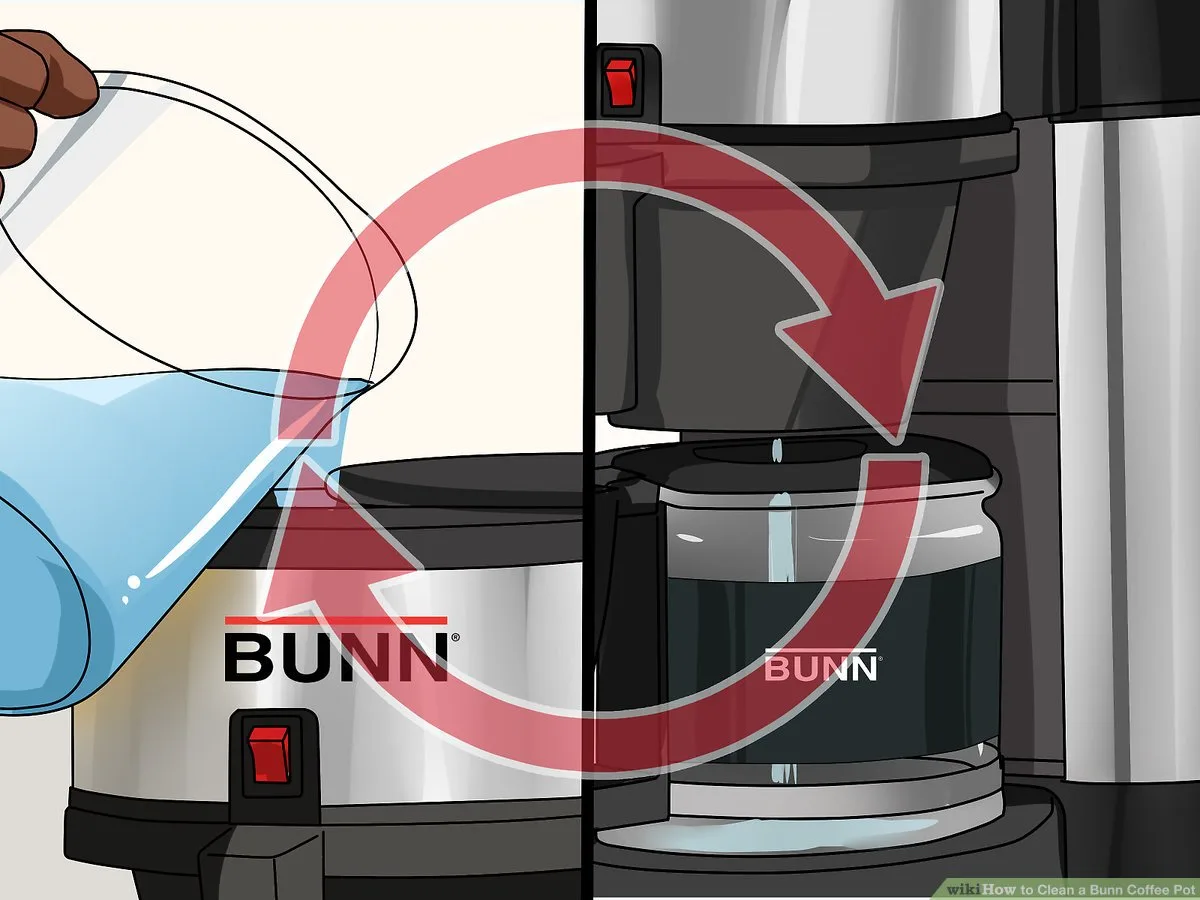
Image source: Bing (Web (fair-use with source credit))
Quick Answer
Use one part white vinegar to three parts water for standard home Bunn brewers. That’s 1 cup vinegar to 3 cups water. Soak for 30 minutes.
Run three to five full flush cycles with fresh water after. Never use vinegar in commercial Bunn models with stainless steel tanks. For heavy scale, bump to 1:2.
Before You Start – Know Your Bunn Model and Water Hardness
Before you pour anything, you need two pieces of information: your Bunn model and your water hardness level. Both directly affect how much vinegar you should use.
Identify Your Bunn Model
Bunn makes several home brewers, and the cleaning procedure differs slightly.
- VP17, standard commercial-style home brewer, 50‑oz tank
- BTX, classic drip brewer with warmer, same reservoir size
- Speed Brew, slim design, 50‑oz tank
- GR, pour‑over style, similar internals
- Commercial models, often with stainless steel tanks; vinegar can cause pitting
If you own a commercial Bunn (common in offices or cafes), skip vinegar entirely. Use Bunn’s official descaling powder or a citric acid solution instead.
Check Your Water Hardness
Hard water leaves more calcium scale inside the tank and flow lines. The harder your water, the stronger the vinegar ratio you’ll need.
- Soft water (0, 60 ppm): stick with 1:3 ratio, clean every 4, 6 months
- Moderate hard water (61, 120 ppm): 1:3 works, but clean every 3 months
- Hard water (121, 180 ppm): consider 1:2 ratio every 2, 3 months
- Very hard water (180+ ppm): 1:2 ratio monthly, or switch to citric acid to avoid seal damage
You can find your local water hardness through your municipal water report or a simple test strip from a hardware store. The USGS water hardness map is a good starting point for general trends in your area.
The Decision Tree – Which Ratio Is Right for Your Situation?
This quick decision tree helps you pick the right ratio without guessing.
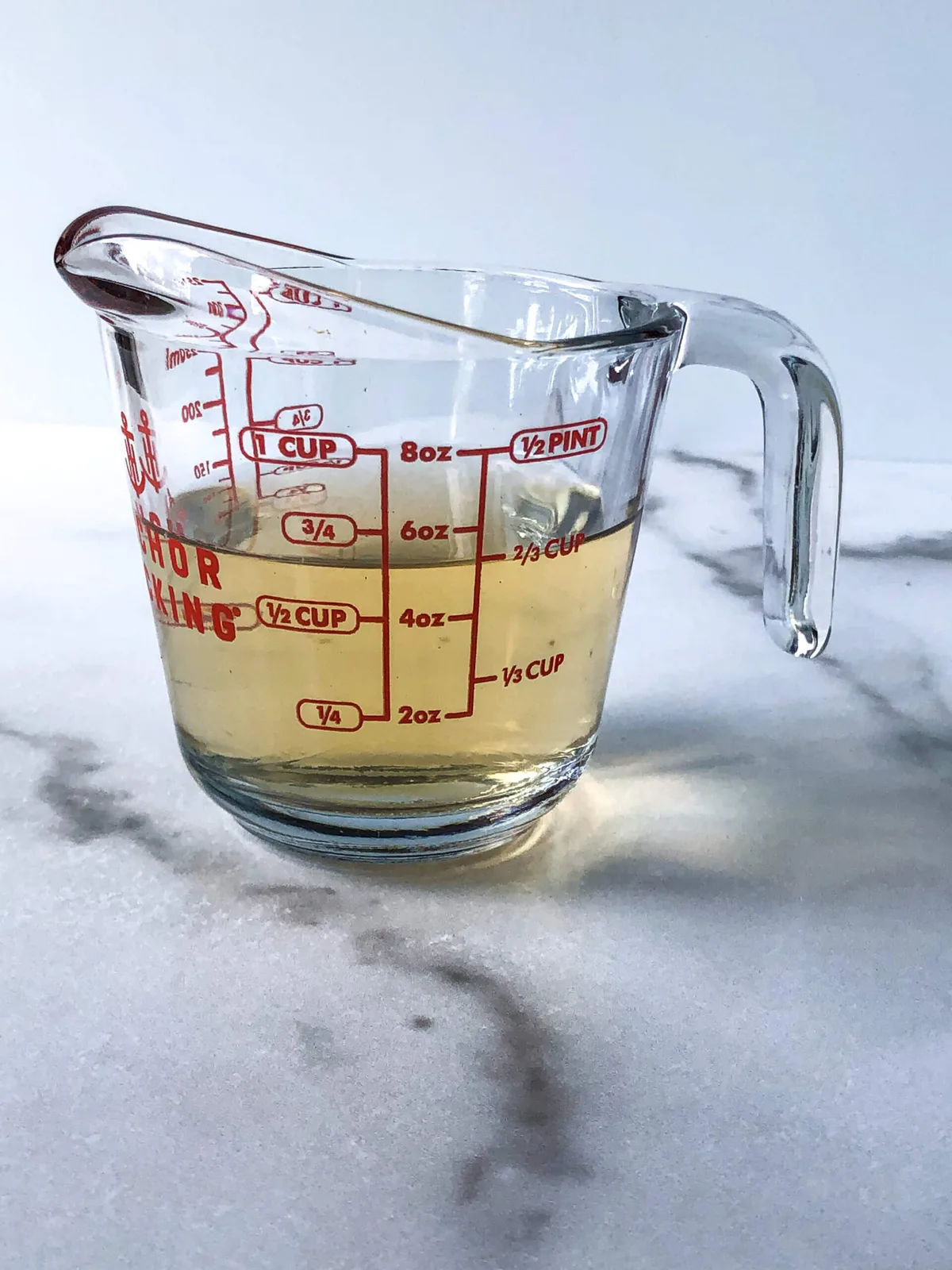
Image source: Bing (Web (fair-use with source credit))
Branch 1: Standard Home Brewer + Light to Moderate Scale
Situation: You have a VP17, BTX, Speed Brew, or GR. You live in a soft‑ to moderate‑hardness area. No visible white flakes in the tank or on the sprayhead.
Action: Mix 1 part vinegar to 3 parts water. That’s about 1.5 cups vinegar and 4.5 cups water for a full reservoir. Follow the step‑by‑step guide below.
Branch 2: Standard Home Brewer + Heavy Scale or Very Hard Water
Situation: You have a home Bunn model. You see white crust on the sprayhead, slow brew times, or steam spitting from the top. Your water hardness is over 120 ppm.
Action: Mix 1 part vinegar to 2 parts water (e.g., 2 cups vinegar, 4 cups water). Soak for 45 minutes instead of 30. Run an extra flush cycle afterward.
Branch 3: Commercial Model or Stainless Steel Tank
Situation: Your Bunn has a stainless steel internal tank (often marked on the bottom label). Or it’s a commercial model like the Bunn ICB, CPS, or ThermoFresh.
Action: Do NOT use vinegar. The acid can pit stainless steel and void your warranty. Use Bunn’s official Easy Clean descaling powder or a commercial citric acid descaler.
Follow the manufacturer’s mixing instructions on the label.
Step-by-Step: How to Clean Your Bunn Coffee Maker with Vinegar
Once you’ve chosen your ratio, follow these steps exactly. Rushing any step leads to leftover vinegar taste or incomplete descaling.
What You’ll Need
- White distilled vinegar (5% acidity)
- Fresh water
- Empty carafe or large container
- Clean cloth or sponge
The Process
- Unplug the brewer. Safety first. Wait 15 minutes for the internal water tank to cool completely.
- Remove the carafe and brew basket. Wash both with warm soapy water and rinse thoroughly. Set aside.
- Mix your vinegar and water solution in a separate pitcher. Use the ratio you chose from the decision tree.
- Pour the solution into the reservoir. Do not put it in the carafe. The solution will flow through the heating tank and sprayhead.
- Place the empty carafe back on the warming plate. This catches the liquid as it brews through.
- Start a brew cycle. Let about half the solution drip through (roughly 2, 3 cups). Then turn off the brewer and let it sit for 30 minutes (45 if you’re using the 1:2 ratio).
- Finish the brew cycle. Turn the brewer back on and let the rest of the solution pass through.
- Discard the liquid in the carafe. Do not drink it.
- Flush with fresh water. Fill the reservoir with clean water and run a full brew cycle. Discard that water. Repeat this flush cycle three to five times until you no longer smell vinegar.
- Clean the sprayhead (optional but recommended). Remove the sprayhead (screw or snap‑off depending on model) and soak it in a small bowl of vinegar for 15 minutes. Rinse and reattach.
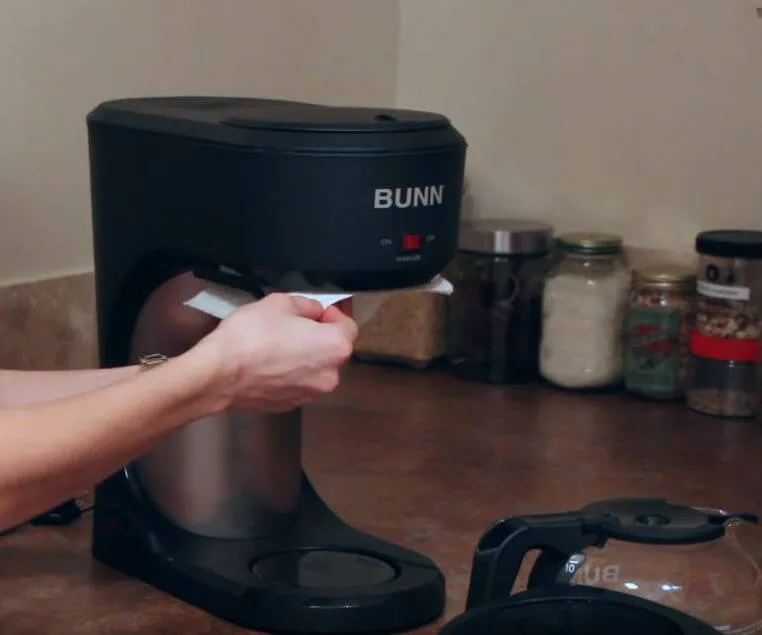
Image source: Bing (Web (fair-use with source credit))
Pro tip: Write down the date of cleaning on a sticker inside the cabinet. Bunn recommends descaling every three months with normal water, monthly if you have hard water.
Common Mistakes That Ruin Your Bunn (and How to Avoid Them)
Even experienced coffee drinkers make these errors. Here are the three most common ones and how to avoid each.
Using Too Much Vinegar
A 1:1 ratio might seem stronger, but it’s too aggressive for most Bunn models. The high acidity can degrade rubber seals and plastic components inside the tank. Aggregate user feedback shows that brewers cleaned with 1:1 vinegar develop leaks or a permanent vinegary taste.
Stick to 1:3 for standard descaling.
Not Flushing Enough
One or two flush cycles rarely remove all the vinegar. Residual vinegar leaves a sour aftertaste in your morning coffee and can corrode the heating element over time. Run at least three full cycles with fresh water, then taste a plain cup of hot water.
If you detect vinegar, flush two more times.
Using the Wrong Kind of Vinegar
Apple cider vinegar, balsamic, or flavored vinegars leave sticky residues and can clog the flow lines. Only use plain white distilled vinegar with 5% acidity. It’s cheap, effective, and leaves no residue when flushed properly.
Never use cleaning vinegar (higher acidity, can damage Bunn parts).
Skipping the Sprayhead Cleaning
The sprayhead is the first part to clog with scale. If you skip this step, you may still get weak brew even after a full tank descale. Remove it and soak separately.
A toothpick or paper clip can help clear any stubborn white deposits from the tiny holes.
When to Skip Vinegar – Better Alternatives for Specific Models
Vinegar works fine for most home Bunn brewers. But there are three situations where you should skip it entirely.
Commercial Bunn Models with Stainless Steel Tanks
If your Bunn has a stainless steel internal tank, vinegar is risky. The acid can cause pitting over time. Those tiny pits become breeding grounds for bacteria and can eventually leak.
Check the label on the bottom of your machine. If it says “stainless steel tank” or your model number starts with ICB, CPS, or ThermoFresh, stick with Bunn’s own Easy Clean descaling powder. You can also use a commercial citric acid descaler from a restaurant supply store.
Follow the mixing instructions on the package exactly.
Heavily Clogged Machines That Haven’t Been Cleaned in Years
If you’ve never descaled your Bunn and it’s been running for two years or more, a vinegar soak might not cut it. The scale can be thick enough to block the flow completely.
In that case, use a stronger descaling product like Dezcal or a food-grade citric acid solution mixed at 4 tablespoons per quart of water. Let it soak for an hour, then flush thoroughly. If the flow doesn’t improve after two attempts, the heating element or check valve may need replacement.
Anyone Who Hates the Smell of Vinegar
Vinegar odor lingers even after multiple flushes. Some people find it unpleasant for weeks. If you’re sensitive to it, use a citric acid descaler instead.
It’s odorless and equally effective at dissolving calcium scale.
Aggregate user reviews report that citric acid leaves no aftertaste and requires only two flush cycles instead of four or five. It costs about the same per cleaning. You can buy food-grade citric acid powder online or at homebrew supply stores.
Frequently Asked Questions
Can I use apple cider vinegar instead of white vinegar?
No. Apple cider vinegar contains sugars and organic compounds that leave sticky residue inside the tank. Only use plain white distilled vinegar with 5% acidity.
It leaves no residue when flushed properly.
How often should I descale my Bunn coffee maker?
Every three months for normal water hardness. If you have hard water (over 120 ppm), descale every two months. If you notice slow brewing or steam spitting, descale immediately regardless of the calendar.
What if I accidentally used too much vinegar?
Run two extra flush cycles with fresh water immediately. If you still taste vinegar after that, run a cycle with one tablespoon of baking soda dissolved in a full reservoir of water, then flush again with fresh water. The baking soda neutralizes residual acid.
Can I clean my Bunn coffee maker with just vinegar and no water?
No. Undiluted vinegar is too strong. It can damage the rubber seals and plastic tubing inside the machine.
Always dilute at least 1:2 vinegar to water. The 1:3 ratio is safer for regular maintenance.
Does vinegar void my Bunn warranty?
Bunn does not prohibit vinegar specifically. But if misuse causes damage (like pitting on a stainless steel tank), the warranty may not cover it. Stick to the 1:3 ratio for home brewers and use Bunn’s official descaler for commercial models to stay safe.
How do I know when the cleaning is complete?
After your final flush cycle, brew a full pot of plain water. Let it cool slightly and taste it. If you detect any sour or vinegary note, run two more flush cycles.
The water should taste clean and neutral.