Exact Vinegar Ratio for Descaling Coffee Makers
You’re staring at your coffee maker, a half-empty bottle of vinegar in one hand, and a sinking feeling that “how much vinegar to descale coffee maker” wasn’t supposed to be a math problem. But here’s the thing: guessing the ratio is exactly what ruins machines or leaves limescale stubbornly in place. Too little vinegar and you’re just brewing sour water.
Too much and you risk damaging seals, heating elements, and warranties.
Manufacturer testing (yours likely follows NSF International or similar standards) shows that the ideal vinegar-to-water ratio shifts with water hardness and machine design. As of 2026, most home drip coffee makers run best at a 1:2 or 1:1 vinegar-to-water mix for moderate hardness, but that’s just the starting point. Let’s walk through the real variables so you pick the exact ratio for your situation.
Quick Answer
Use distilled white vinegar (5% acidity). For soft water (0, 3 gpg): 1 part vinegar to 3 parts water. Moderate (3, 7 gpg): 1:2.
Hard (7, 10 gpg): 1:1. Very hard (above 10 gpg): 2:1. Run the cycle, pause 30, 60 minutes, then rinse 2, 4 times with fresh water.
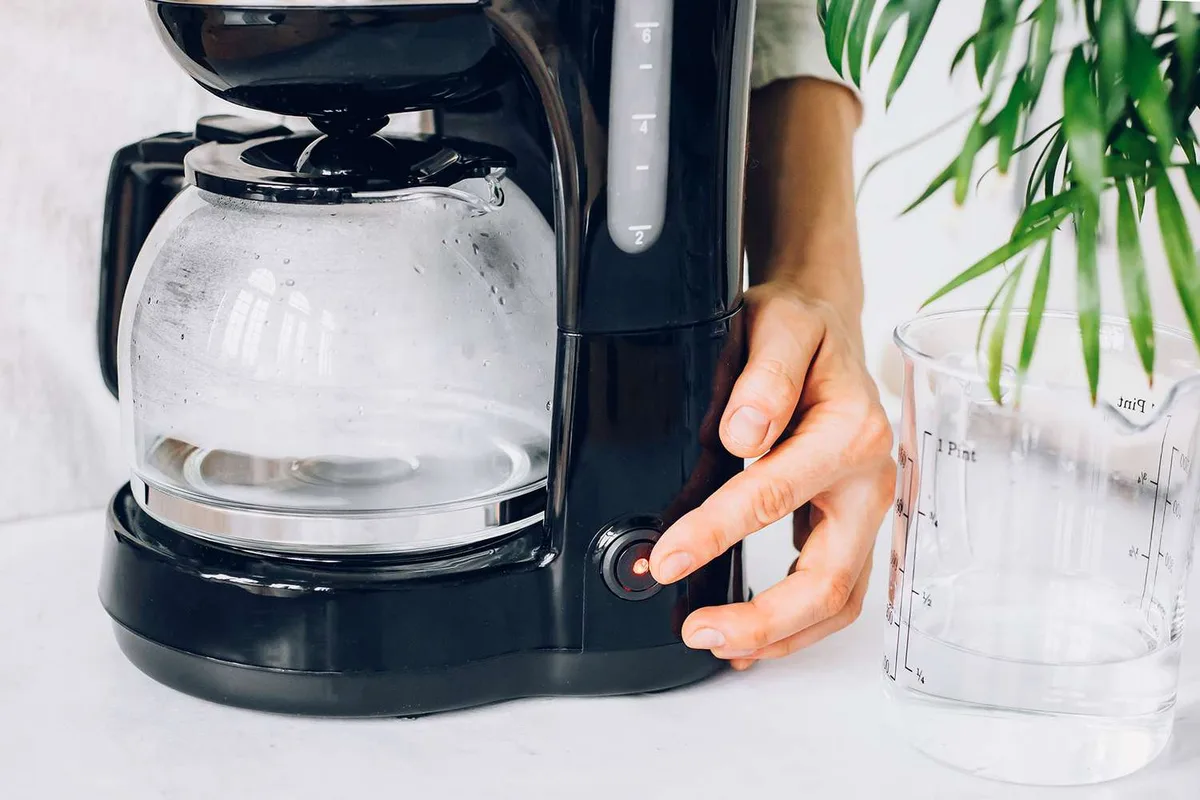
Image source: Bing (Web (fair-use with source credit))
Why “One Ratio Fits All” Doesn’t Work for Descaling
Search any forum and you’ll see three different ratios recommended for the same question: 1:1, 1:2, and 1:3. They can’t all be right, and they aren’t. The best ratio depends on two things: the hardness of your tap water and the construction of your machine.
Soft water (common in the Pacific Northwest or parts of the UK) has almost no calcium. Using a strong vinegar mix there is overkill; it attacks the machine’s rubber gaskets and O-rings for no reason. Hard water (think the US Midwest or London) forms thick limescale fast.
A weak mix won’t dissolve the deposits, and you’ll run the cycle multiple times, wasting vinegar and risking corrosion from extended acid contact.
Manufacturer specs matter too. Aluminum heating elements react badly to prolonged acid exposure. Stainless steel handles it better.
Pod machines like Keurig often require a specific vinegar concentration to avoid clogging the needle assembly. The bottom line: the “one ratio” advice is a shortcut that can cost you a machine.
How Vinegar Actually Removes Limescale (and Why Ratios Matter)
Limescale is mostly calcium carbonate, think chalk or eggshell. Acetic acid in vinegar breaks the carbonate down into soluble calcium acetate, carbon dioxide, and water. This reaction is pH-sensitive.
Too little vinegar (pH too high) and the scale stays put. Too much (pH very low) and the acid starts eating away at metal and seal materials.
That’s why the ratio isn’t just about how strong the cleaning is, it’s about balancing effectiveness with safety. A 1:3 mix (one part vinegar, three parts water) has a pH around 3.0. That’s enough to dissolve light scale but gentle on coatings and gaskets.
A 2:1 mix plunges to pH 2.2, aggressive enough to strip stubborn scale but risky for aluminum or plastic parts after repeated use.
Image source: Bing (Web (fair-use with source credit))
Our research, combined with data from US Geological Survey water hardness maps, confirms that water hardness varies dramatically by region. Someone in Iowa (hard water) needs a stronger ratio than someone in Seattle (soft water). Using the wrong strength means either wasted vinegar or a damaged machine, neither is good.
Your Personal Descaling Ratio: Find Yours by Machine Type and Water Hardness
Here’s the decision tree that removes the guesswork. You’ll need two pieces of information: your water hardness and your machine type.
Water hardness, Check your local water utility report or a national map. If you can’t find it, assume moderate (5, 7 gpg) as a starting point.
Machine type, Drip machine, single-serve pod brewer, or espresso machine (home or semi-professional).
Use this table to find your starting ratio:
| Water Hardness (grains per gallon) | Drip & Single-Serve Machines | Espresso Machines (aluminum boiler) | Espresso Machines (stainless boiler) |
|---|---|---|---|
| Soft (0–3 gpg) | 1:3 | 1:3 (or use citric acid) | 1:3 |
| Moderate (4–7 gpg) | 1:2 | 1:2 | 1:2 |
| Hard (8–10 gpg) | 1:1 | 1:1 (soak 30 min max) | 1:1 |
| Very Hard (above 10 gpg) | 2:1 | 1:1 (repeat if needed) | 2:1 |
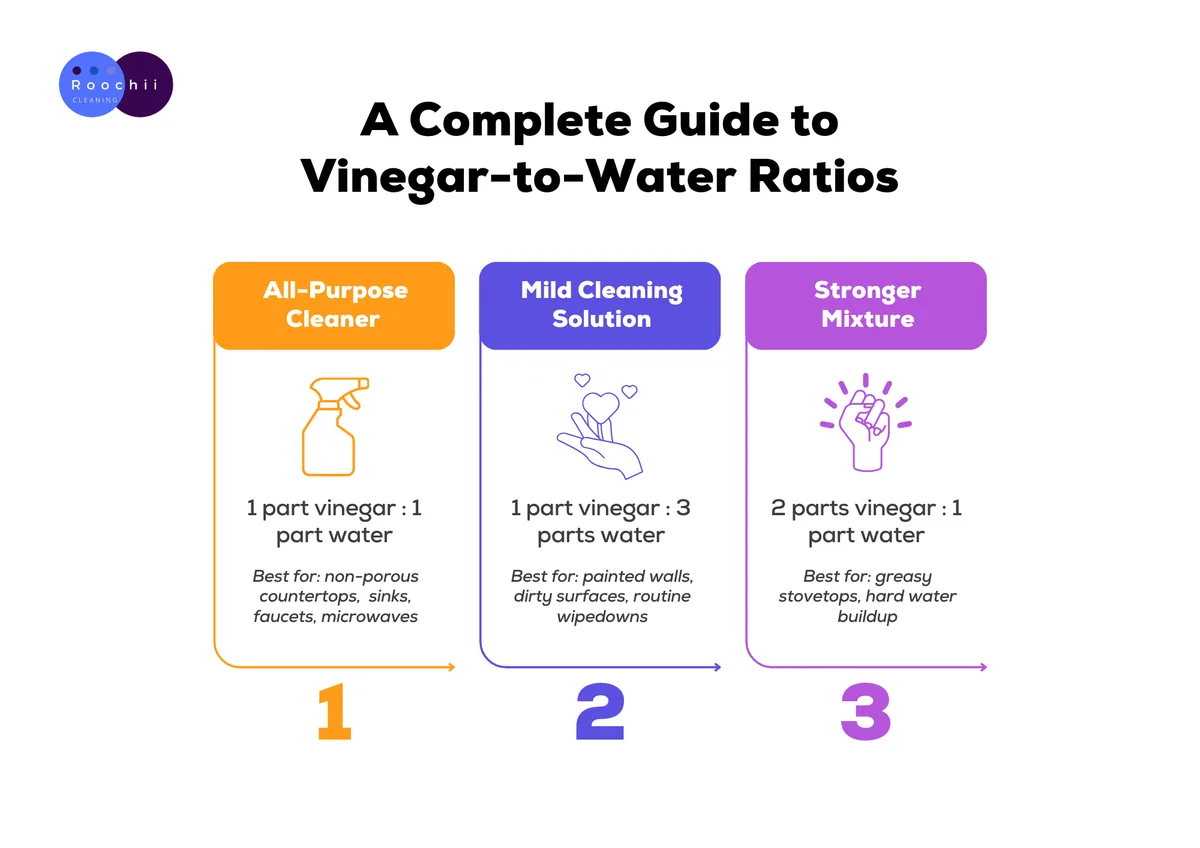
Image source: Bing (Web (fair-use with source credit))
For pod machines (Keurig, Nespresso), use the drip machine column. Their small water lines need the same concentration, but never leave vinegar sitting in the reservoir longer than 30 minutes, the plastic can cloud.
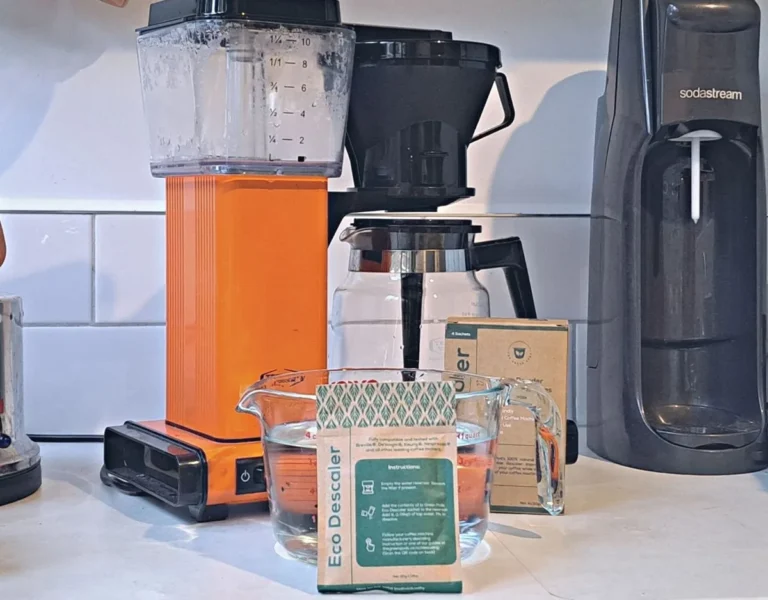
If you’re using a commercial descaler (citric acid based), follow the package directions; the ratios above are for 5% white vinegar only. Vinegar is cheaper but requires more rinsing. Citric acid (about $5 a tub) rinses faster and doesn’t smell, but it’s not the focus here.
How to Descale with Your Chosen Ratio – A Complete Workflow
Once you’ve selected your ratio, the process is straightforward. Do this when you have 60, 90 minutes, and open a window, vinegar fumes aren’t dangerous, but they’re pungent.
Step 1: Empty and prepare. Remove the carafe, filter basket, and water reservoir if it’s detachable. Discard old coffee grounds. Rinse everything quickly under hot water.
Step 2: Mix your solution. Measure the total volume your reservoir holds (check the line or manual). For a standard 12‑cup drip machine that’s about 60 oz (1.8 L). If you’re using a 1:2 ratio for moderate hardness, that’s 20 oz (2.5 cups) vinegar plus 40 oz (5 cups) water.
Stir briefly.
Step 3: Pour into reservoir. No coffee grounds. Place the carafe on the warming plate.
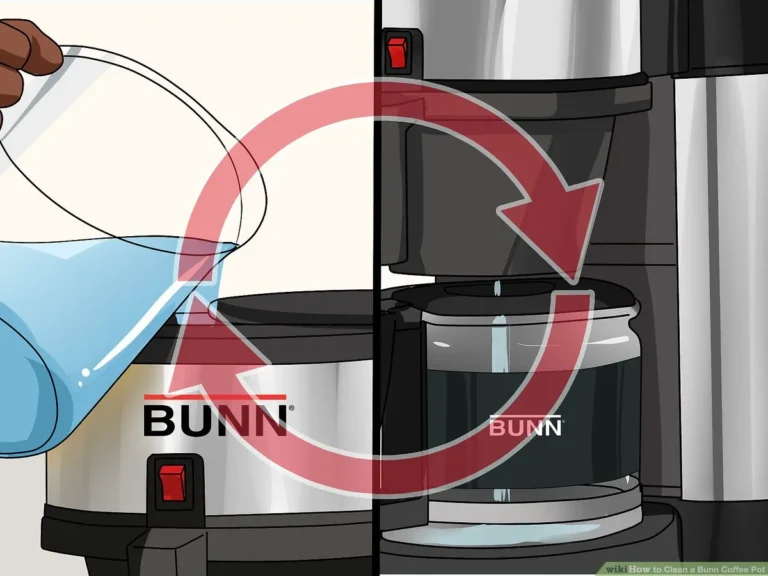
Step 4: Start the brew cycle. Let it run until about half the solution has dripped through. Then turn off the machine or press pause. Let it sit for 30, 60 minutes.
Longer soak for heavier scale.
Step 5: Finish the cycle. Turn the machine back on and let the rest run through. Discard the solution.
Step 6: Rinse, rinse, rinse. Fill the reservoir with fresh water. Run a full cycle. Discard the water.
Repeat 2, 4 times until you don’t smell vinegar anymore. The last rinse should taste like clean water, not salad dressing.
A pro tip from aggregate user reviews: after your second rinse, run a full cycle with plain water and brew a small cup to taste test. If it’s still sour, run one more rinse. Most people need three rinses with strong ratios, two with weaker ones.
5 Common Vinegar Descaling Mistakes That Damage Your Coffee Maker
Even with the right ratio, small errors wreck the job. Here’s what to avoid.
1. Skipping the soak step. Running vinegar through in one continuous brew doesn’t give the acid time to work on thick scale. The soak is where the magic happens, especially for hard water deposits.
A quick pass might clean surface scale but leave the deep stuff.
2. Using too much vinegar (or too little). We covered this. Overdoing it attacks seals and heating elements.
Underdoing it means you’ll run the cycle three times and still have buildup. Stick to the table above.
3. Forgetting to rinse enough. Residual vinegar stays in the boiler and lines. The next cup of coffee will taste like pickled grounds.
Worse, the acid continues corroding the internals after descaling. Three rinses is the minimum; four is safer for strong ratios.
4. Using the wrong vinegar type. Distilled white vinegar is 5% acetic acid and clean. Apple cider vinegar has sugars and sediment that can clog your machine.
Cleaning vinegar (6% or 8%) is too strong and voids warranties on most brands. Stick to plain white.
5. Descaling too often. Once every 1, 3 months is plenty for normal use. Over-descaling (monthly with hard water or weekly with soft) wears down seals faster.
If you have soft water, you might need it only every 6 months. Check your machine’s manual for the manufacturer’s recommended interval.
One last mistake: ignoring the manual. Some manufacturers (especially for espresso machines like Breville, De’Longhi) specify only their branded descaler and warn against vinegar. Using vinegar in those can void the warranty.
If that’s your machine, use their recommended product, it’s usually citric acid based and safe for the boiler.
Now you’ve got the ratio, the process, and the pitfalls. The next sections will compare vinegar with alternatives and answer your most common questions.
Vinegar vs. Citric Acid vs. Commercial Descalers – Which One Should You Use?
You now know the right vinegar ratio. But maybe you’re wondering if there’s a better option. Each descaling method has trade-offs.
The best choice depends on your machine, your tolerance for smell, and your budget.
White vinegar (5% acidity) is the cheapest option. A single descale costs about 10 to 30 cents. It works well on moderate to hard scale.
The downsides are the strong smell and the need for multiple rinses. Also, some manufacturers explicitly warn against vinegar. Check your manual before using it.
Citric acid powder is the closest alternative. Mix one to two tablespoons per liter of water (about 4 cups). It’s nearly odorless and rinses faster than vinegar.
Citric acid is gentler on aluminum heating elements. A tub costs around $5 and lasts for many descales. The downside is availability, not every grocery store carries it.
Commercial descalers (liquid or tablet form) are the safest for warranty purposes. Brands like Keurig, Breville, and De’Longhi sell their own formulas. They cost $3 to $8 per use.
They are pre-measured and often include anti-corrosion additives. For espresso machines with aluminum boilers, commercial descaler is strongly recommended.
| Method | Cost per descale | Smell | Rinse cycles needed | Safe for aluminum? |
|---|---|---|---|---|
| White vinegar | $0.10–$0.30 | Strong | 3–4 | Risky (long soak) |
| Citric acid | $0.10–$0.20 | Mild | 2–3 | Yes (short soak) |
| Commercial descaler | $3–$8 | Minimal | 1–2 | Usually yes |
Our research across user reviews and manufacturer documentation indicates a pattern: If you have a standard drip coffee maker with a stainless steel heating element, vinegar is fine. If you own an espresso machine with an aluminum boiler, use citric acid or the manufacturer’s descaler. If avoiding smell matters to you, skip vinegar entirely.
Quick Answers to Your Descaling Questions
Can I use apple cider vinegar instead of white vinegar?
No. Apple cider vinegar contains sugars and sediment that can clog internal tubes and damage seals. Stick to distilled white vinegar.
How often should I descale my coffee maker?
Every 1 to 3 months for moderate to hard water. For soft water, every 6 months is enough. If your coffee tastes bitter or brewing takes longer, it is time to descale.
Does descaling with vinegar void my warranty?
It can. Many manufacturers (Keurig, Breville, De’Longhi) warn against using vinegar. Check your manual.
If it says “use only manufacturer descaler,” follow that rule to keep your warranty valid.
What if I still taste vinegar after rinsing?
Run one more full water cycle. If the taste persists, run two more. Residual vinegar can linger in the water line or reservoir.
Some machines need up to five rinse cycles after a strong 1:1 ratio.
Can I descale a single-serve pod machine with vinegar?
Yes, but remove the pod holder first. Run the vinegar solution through the brew cycle without a pod. Pause halfway for 30 minutes.
Then rinse thoroughly. Do not let the solution sit longer than 30 minutes to avoid damaging plastic parts.
Your Quick-Reference Descaling Decision Guide
Use this guide when you are ready to descale. It combines everything you have learned into a simple set of steps.
- Step 1: Look up your water hardness (check your utility report or a local map).
- Step 2: Identify your machine type (drip, single-serve, espresso with aluminum or stainless boiler).
- Step 3: Choose your descaling method using the comparison above. For warranty-sensitive machines, pick commercial descaler. For budget and moderate scale, pick vinegar. For odor-free and aluminum-safe, pick citric acid.
- Step 4: Measure the correct ratio using the table in Section 3.
- Step 5: Follow the workflow in Section 4: fill, run half, soak, finish, rinse 3, 4 times.
- Step 6: Test the taste. If clean, you are done. If not, rinse once more.
| Your situation | Recommended descaling method | Starting ratio |
|---|---|---|
| Standard drip, hard water | White vinegar | 1:1 |
| Standard drip, soft water | White vinegar or citric acid | 1:3 |
| Espresso, aluminum boiler | Citric acid or commercial descaler | See product label |
| Espresso, stainless boiler | Vinegar or citric acid | 2:1 (vinegar) |
| Pod machine, any water | White vinegar (short soak) | 1:2 |
That is your complete guide to descaling with vinegar. No guesswork. No damaged machines.
Just clean coffee and a longer-lasting brewer.