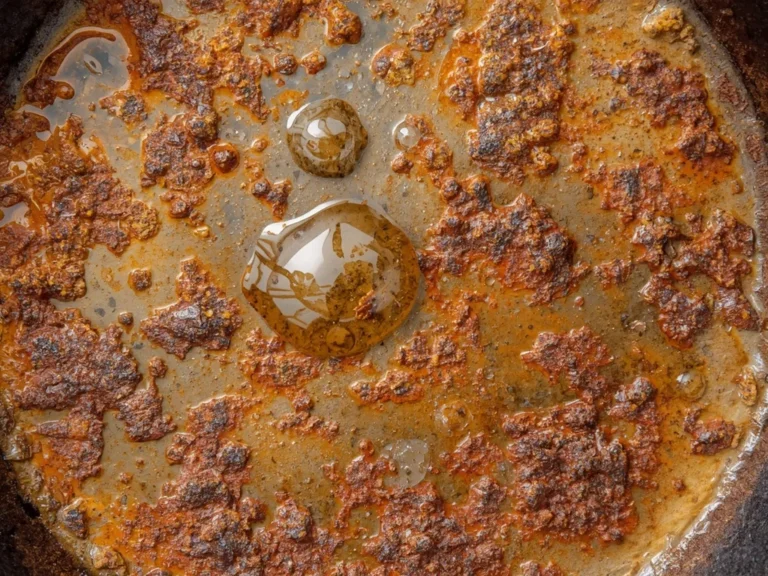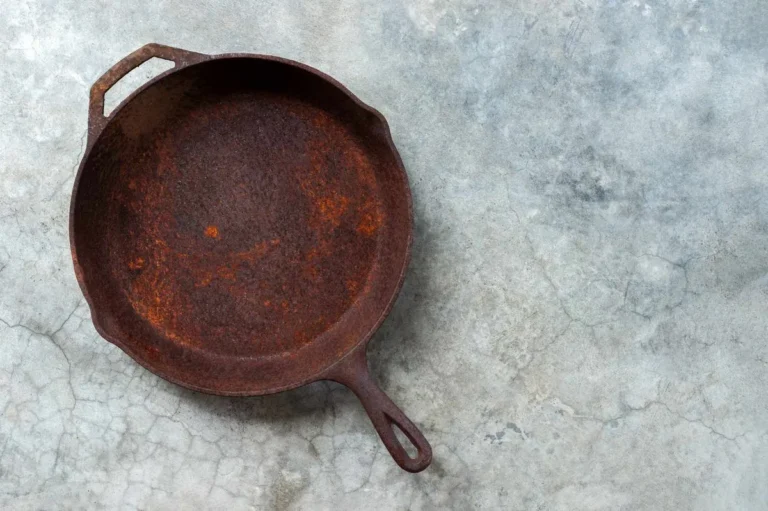
Remove Rust Stains from Cast Iron Quickly
Rust stains on cast iron can feel like a death sentence for a favorite skillet, but they're usually fixable at home. If you've ever wondered how to remove rust stains from cast iron without wrecking the seasoning or the cooking surface, the answer depends on one thing: what kind of pan you have. Bare iron and enameled iron need different approaches, and so do light rust versus deep pitting.
In our research, we looked at manufacturer care guides, vintage pan restoration advice, and common results from home cooks. As of 2026, the safest standard for bare cast iron is still a diluted vinegar soak followed by scrubbing and re-seasoning. Enameled cast iron can't handle that kind of abrasion, so it needs a gentler route.
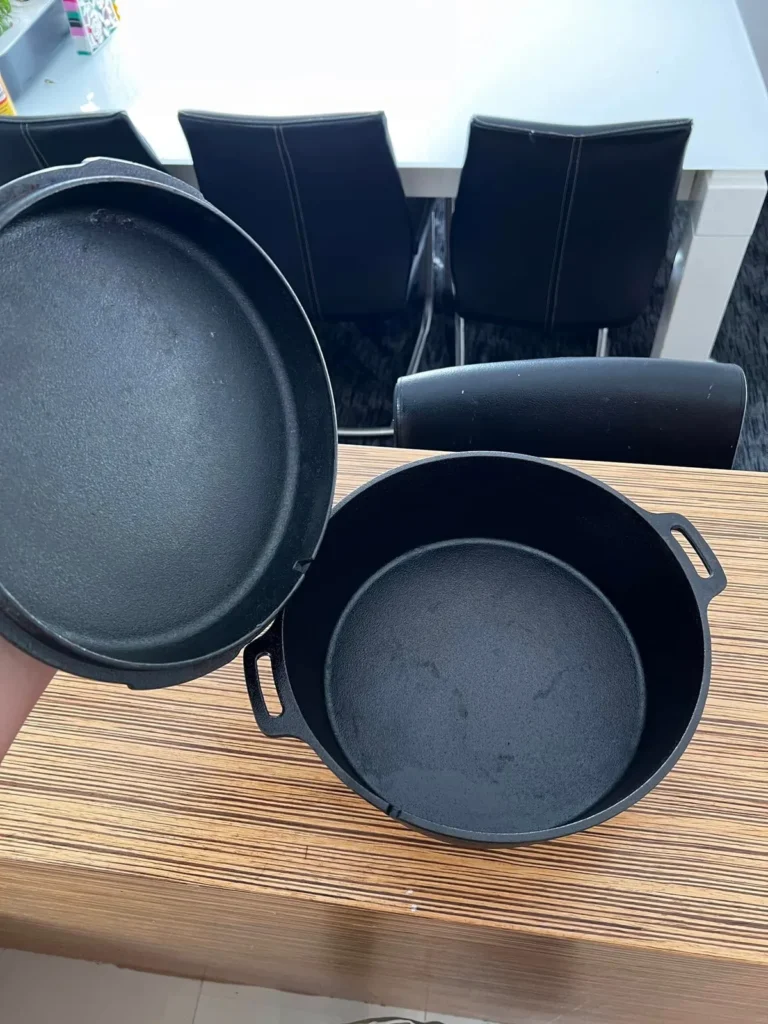
Most manufacturer guides call for a 1:1 vinegar-and-water soak, checked every 15 minutes, for pans without a coating.
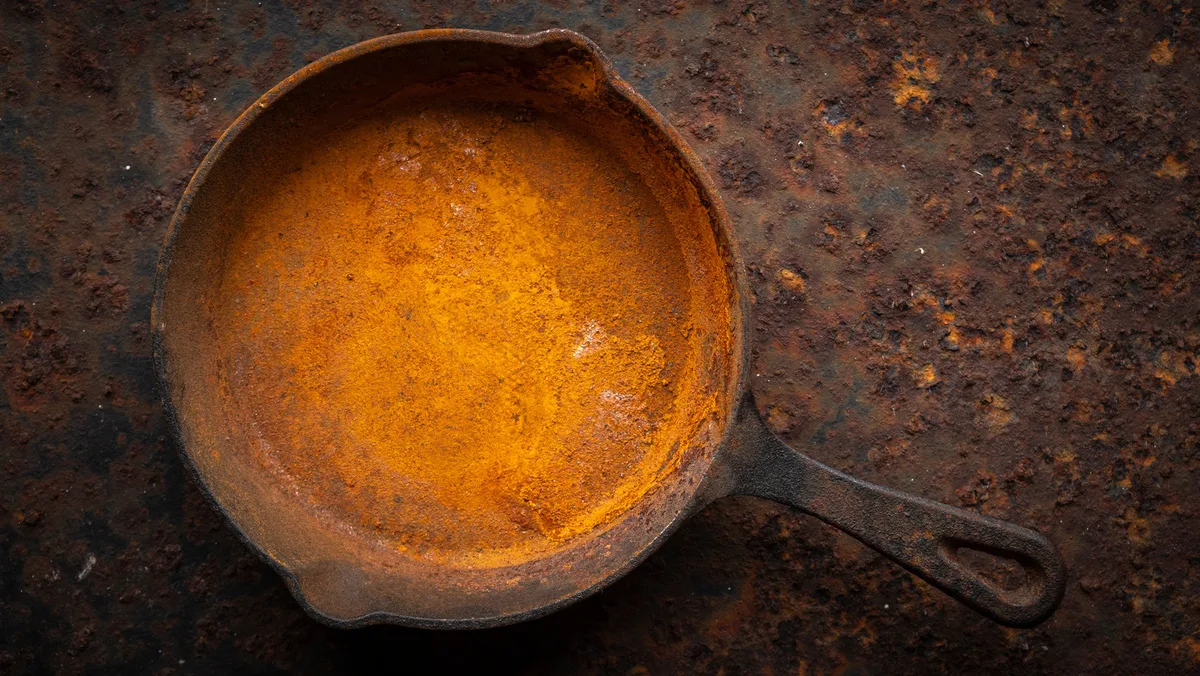
Image source: Web (Bing) / storage.googleapis.com (Web image (fair-use with source credit))
Quick Answer
To remove rust stains from cast iron, start by identifying your pan type. Bare iron gets a diluted white vinegar soak and a scrub. Enameled iron needs a gentler cleaner like baking soda paste.
Then dry, oil, and season. Light rust usually comes off in minutes. Deep rust may need several rounds and a full re-season.
For Bare Cast Iron – The Rust Removal Process
Bare cast iron is the classic skillet you season with oil. This surface can handle abrasive scrubbing, but it still needs patience. If the rust is light, a quick scrub may be enough.
If the rust is active or flaky, use the soak method.
Start by brushing or wiping off loose rust and debris. Then mix equal parts white vinegar and water in a container big enough to hold the pan. Submerge the pan and check it every 10 to 15 minutes.
You'll see the rust soften and lift. Pull it out once the reddish color is gone.
Vinegar is an acid, and it doesn't stop at rust. It will eat into the iron if left too long. Manufacturer specifications suggest keeping the soak under two hours total.
Lodge Cast Iron's official care instructions identify the same mix of vinegar and steel wool for rust repair.
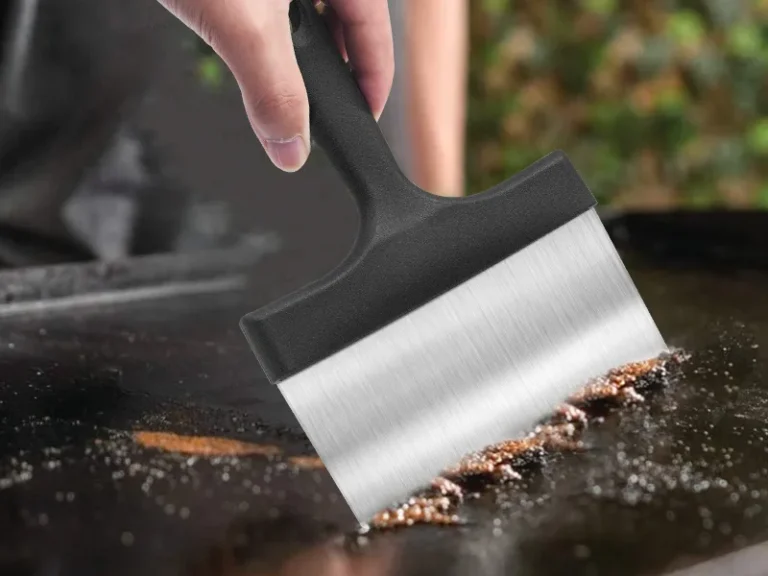
After the soak, scrub with fine steel wool or a chainmail scrubber. Rinse with warm water, then dry the pan immediately. Use a towel, then set it on a warm stovetop for a few minutes to evaporate trapped moisture.
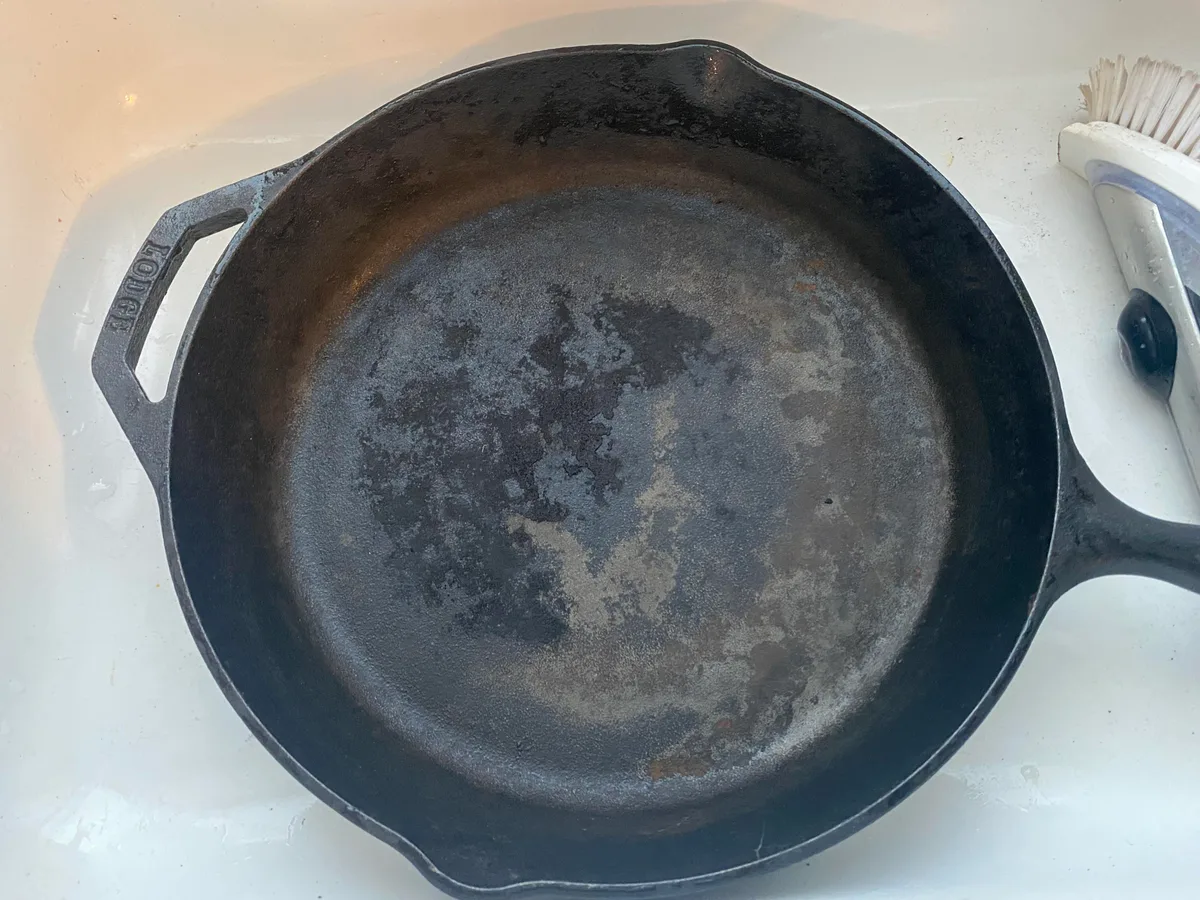
Image source: Web (Bing) / fity.club (Web image (fair-use with source credit))
If you see a thin orange film after drying, that's flash rust. It happens quickly when bare iron meets air and moisture. Just rub it with a little oil and a paper towel, then move straight into re-seasoning.
For Enameled Cast Iron – Handle With Care
Enameled cast iron is the smooth, glossy type, often in bright colors. The coated surface doesn't need seasoning, and it doesn't rust in the same way. Rust on enameled pans usually shows up on the raw cast-iron rim or around chips in the coating.
Those areas need a lighter touch.
Don't use a vinegar soak on enameled pieces. The acid can dull the coating, and steel wool will scratch it. Le Creuset's official care guidance says the same.
Instead, mix a paste of baking soda and water, then rub it gently with a soft sponge or nylon brush.
For stubborn brown stains on the enamel itself, a non-scratch cleaner like Bar Keepers Friend works well. Keep the pressure light and rinse thoroughly. If the rust is under the coating or around a chip, the enamel is compromised.
That pan is hard to save, and it can chip further into your food.
If the pan has a raw iron rim, apply a tiny bit of cooking oil after drying. Wipe off the excess. That thin layer prevents moisture from starting new rust.
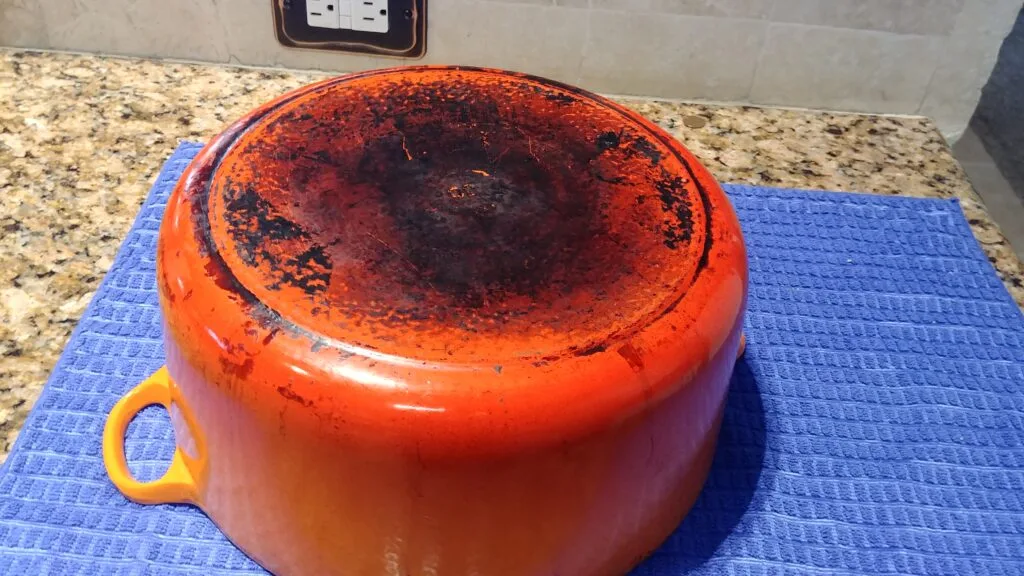
Image source: Bing (Web (fair-use with source credit))
Common Mistakes That Ruin Cast Iron
Several cleaning mistakes turn a small rust spot into a bigger project. Here are the ones we see most often from aggregate user reports and care guides.
- Soaking vinegar for hours. Acid eats iron and leaves pits.
- Running cast iron through the dishwasher. The detergent strips seasoning, and water sits in crevices.
- Scrubbing enameled cast iron with metal tools. That leaves permanent scratches.
- Letting the pan air-dry. Bare iron flash-rusts while it sits.
- Using oven cleaner or chemical rust converters. Those leave residues that aren't food-safe.
If rust keeps coming back after one cleaning, don't panic. You probably dried the pan poorly or skipped a seasoning layer. Rework the affected area and be more careful with moisture next time.
How To Re-Season A Pan After Rust Removal
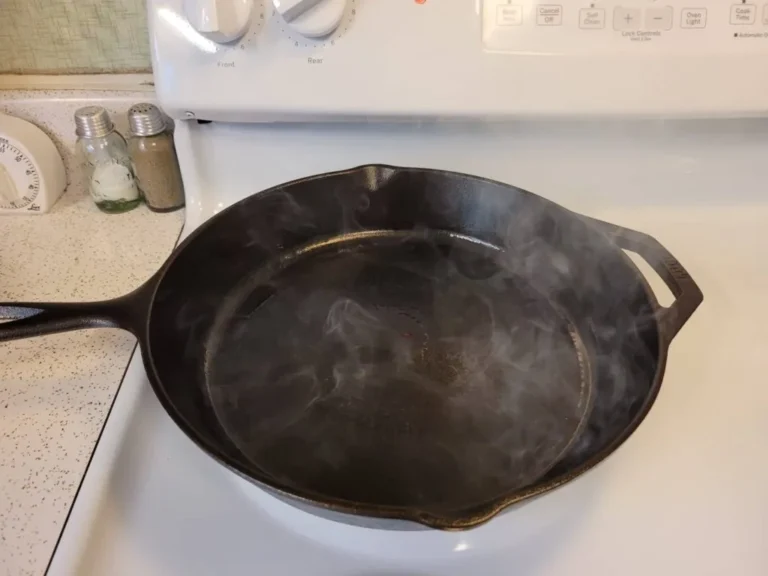
Re-seasoning is what turns a clean, bare surface back into a slick, nonstick cooking surface. After rust removal, wash and dry the pan. Rub a very thin layer of oil over every surface, including the handle and the bottom.
Then wipe it out like you made a mistake.
Your goal is a nearly dry film, not a shiny coat. Any excess oil will polymerize into a sticky residue.
Set the pan upside down on the oven rack and place a sheet of foil on the rack below it to catch drips. Bake at 375°F to 500°F for one hour. The exact temperature depends on the oil's smoke point.
Let the pan cool inside the oven once the hour is up.
| Oil | Smoke Point | Good For Seasoning? |
|---|---|---|
| Canola | ~400°F | Yes, neutral and reliable |
| Grapeseed | ~420°F | Yes, creates a hard layer |
| Flaxseed | ~225°F | Mixed reviews, can flake |
| Olive oil | ~350°F | Not ideal for oven seasoning |
For most people, canola or grapeseed oil is the best starting point. One layer works, but two or three thin coats give better protection. If the iron flashes rust between coats, rub on a drop of oil, buff it off, and continue.
When Rust Is Deep, Pitted, Or The Pan Is Vintage
Deep rust is a different project. If the surface is flaky or rough, a vinegar soak won't fix the pitting. You need a full restoration.
Electrolysis is the safest route for vintage pans. A low-voltage battery charger, washing soda, and a piece of steel scrap lift rust away without losing original iron. It takes 12 to 24 hours but leaves the pan pristine.
Citric acid is a close second. Use one tablespoon per gallon of warm water. Soak overnight, scrub, and re-season.
It's less aggressive than vinegar and works well on stubborn oxidation.
If your vintage pan was a flea market find, test it for lead first. Lead test kits from hardware stores work on cast iron surfaces. Never cook in an untested antique pan.
After stripping, re-season immediately. Old iron flash-rusts faster than new pans. A thin oil coat buys you a few hours.
Frequently Asked Questions
Can I use vinegar on enameled cast iron?
No. Vinegar can dull the enamel coating and won't fix rust on the rim. Use a baking soda paste or a gentle cleaner designed for enameled surfaces instead.
Save vinegar for bare iron only.
How long does it take to remove rust from cast iron?
Light rust takes 10 to 20 minutes with a vinegar soak and scrub. Heavy rust can take several sessions. Electrolysis takes 12 to 24 hours, but the results are noticeably better.
Will rust ruin my cast iron pan?
Rust alone won't destroy a pan. If you catch it early, cleaning and re-seasoning bring the surface right back. Deep pitting is the real issue, since it can't be reversed once the iron has eroded.
Can I use a dishwasher to clean rust off cast iron?
No. Dishwasher detergent strips seasoning, and trapped water causes rust. A quick vinegar soak followed by scrubbing is faster and safer than a dishwasher cycle.
Your Decision Flow – Which Method To Use & When
If you're still unsure, use this quick flow:
- Bare iron with light rust: make a vinegar and water mix, soak for 15 minutes, scrub.
- Bare iron with heavy rust: choose citric acid soak or electrolysis.
- Enameled iron with rust on the rim: use baking soda paste, don't soak.
- Enameled iron with rust under chips: replace the pan.
- Vintage pan with unknown history: test for lead, then use electrolysis.
- Any pan after cleaning: dry completely, season, and store in a dry spot.
When in doubt, start gentle. Bare iron can handle more scrubbing, but enameled surfaces can't. Match the method to the pan type, and you'll have a rust-free surface ready for cooking again.