The Only Oven Chicken Legs Recipe You Need
We all know the feeling: you pull chicken legs out of the oven, cut into one, and the meat near the bone still looks pink. Or worse, it's dry and tough. Getting how to cook chicken legs in the oven right isn't complicated, but it does require a couple of non-negotiable facts most recipes skip.
Per USDA FSIS guidelines, the safe minimum internal temperature for poultry is 165°F (74°C). But for dark meat like chicken legs, the sweet spot is actually 175°F to 185°F. That extra 10 to 20 degrees breaks down connective tissue and renders fat, giving you meat that's juicy and tender, not rubbery.
Let's walk through exactly how to hit that target every time.
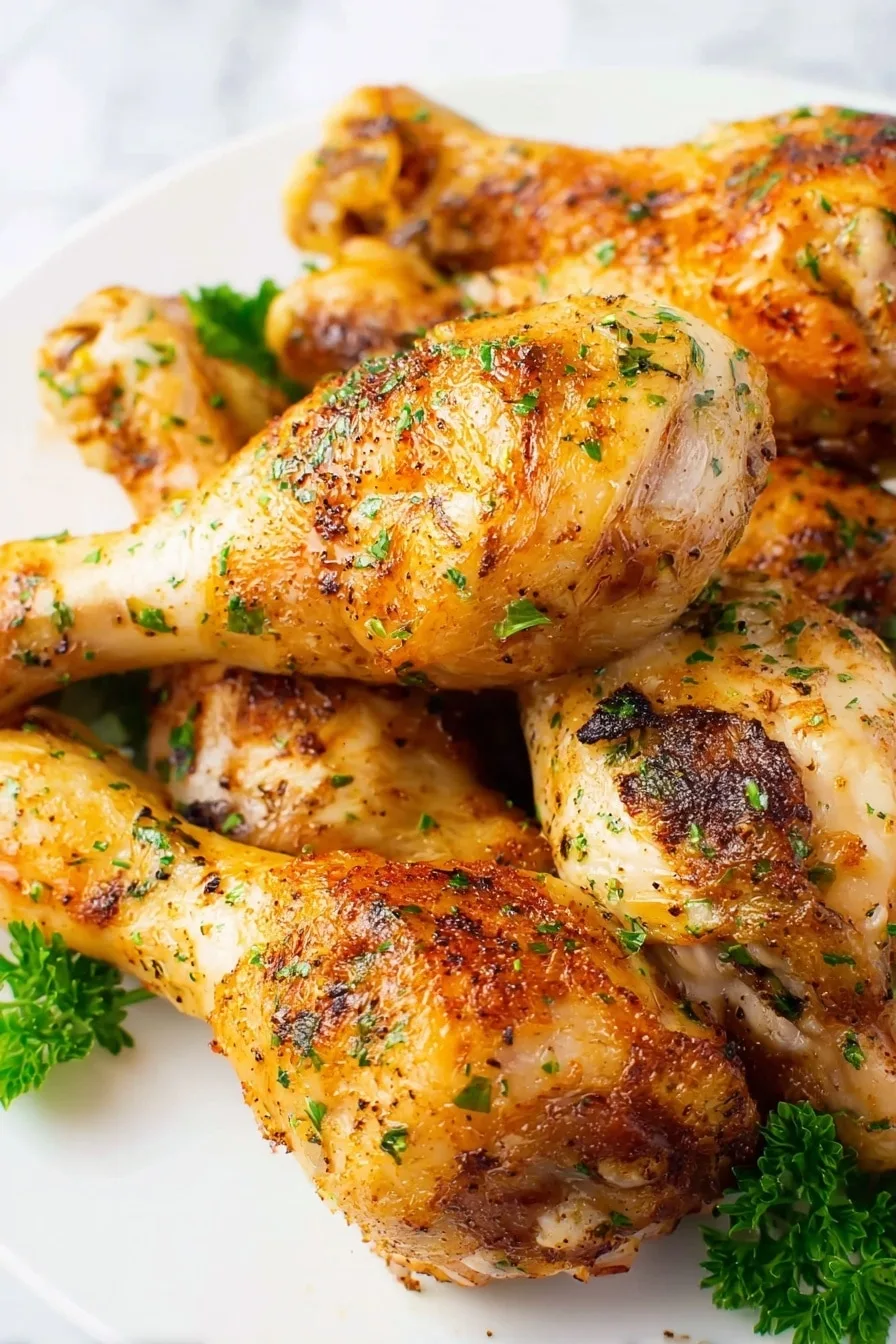
Image source: Bing (Web (fair-use with source credit))
Quick Answer
Preheat oven to 400°F. Pat chicken legs dry. Season with salt and pepper.
Place on a wire rack over a baking sheet. Roast for 40 to 45 minutes. Check internal temperature at the thickest part.
Let rest 5 minutes before serving.
Why Getting Oven-Cooked Chicken Legs Right Actually Matters
Cooking chicken legs isn't just about following a timer. Undercooked poultry can carry salmonella or campylobacter, which cause real foodborne illness. According to the CDC, about 1 in 6 Americans get sick from foodborne diseases each year, with poultry being a common source.
So temperature accuracy isn't optional, it's safety.
But there's the other side, too. Overcooked chicken legs are dry, stringy, and disappointing. Dark meat has more fat and collagen than breasts, which means it can stay moist longer, but only if you manage heat and time correctly.
Our research shows that the most common reason home cooks fail with chicken legs is simply guessing doneness by color or time rather than using a thermometer. A $10 digital instant-read probe eliminates the guesswork and guarantees consistent results.
Getting this right matters because chicken legs are one of the most budget-friendly cuts of protein. A pound of legs often costs less than half the price of breasts. When you know how to cook them perfectly every time, you save money and avoid waste.
That's a win for your wallet and your dinner table.
The Core Facts: Temperature, Time, and the Right Tools
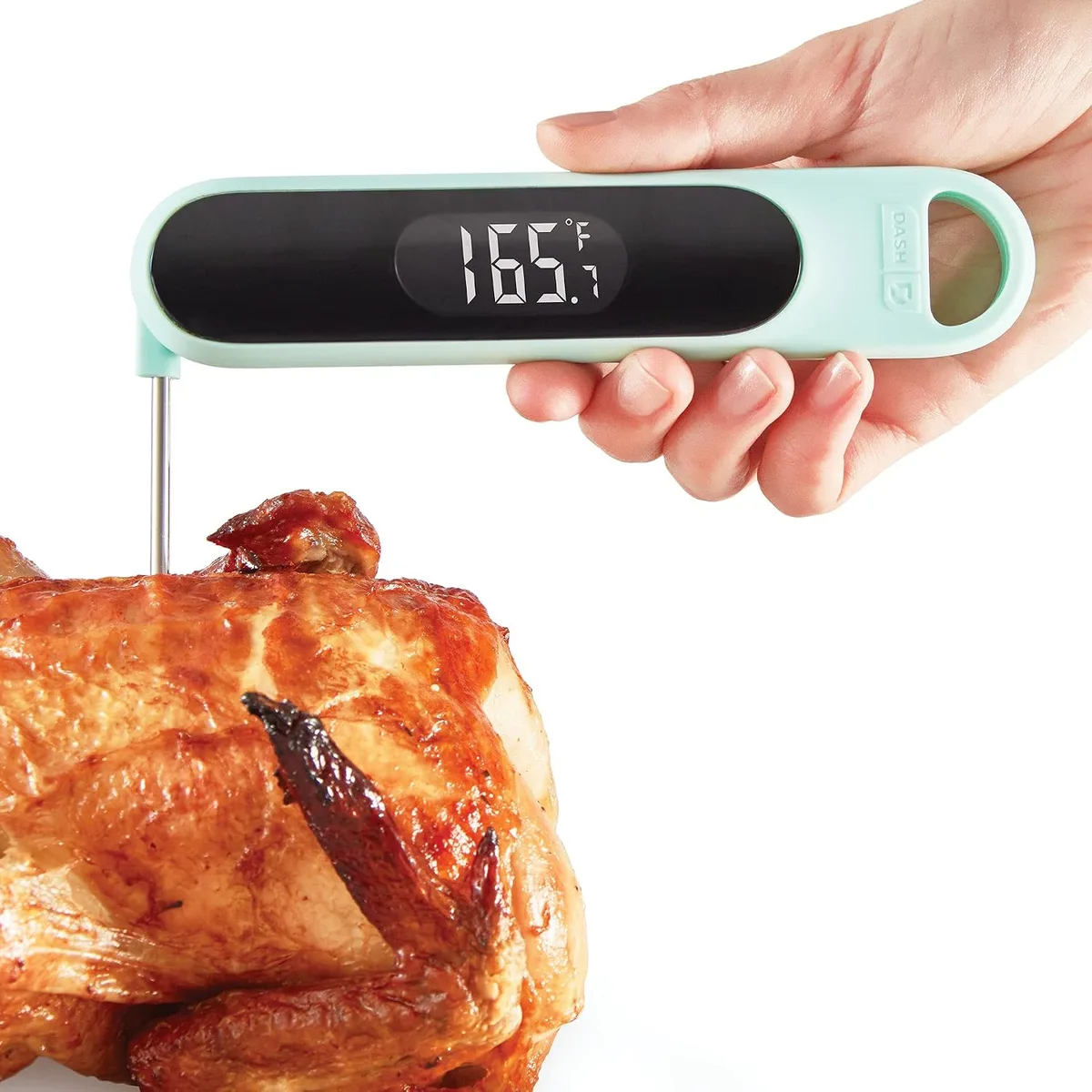
Image source: Bing (Web (fair-use with source credit))
What temperature should chicken legs reach?
The USDA sets the floor at 165°F for all poultry. That's the temperature at which harmful bacteria are killed within seconds. But dark meat tastes better when cooked higher.
The collagen in legs and thighs breaks down between 175°F and 185°F, turning tough connective tissue into rich, silky gelatin. So target 175°F to 185°F for the best texture.
How long does it take?
At 400°F, average drumsticks (4 to 6 ounces each) take 40 to 45 minutes. Leg quarters (thigh and drumstick together) may need 45 to 55 minutes. Convection ovens cook about 25% faster, so start checking 10 minutes early.
Always rely on the thermometer, not the clock.
The essential tool
You need an instant-read digital thermometer. Dial thermometers are slow and less accurate. A probe-style model with a thin tip gives you a reading in 3 to 5 seconds.
Insert it into the thickest part of the leg, avoiding the bone. This single tool eliminates the risk of serving unsafe or overcooked chicken.
Other helpful gear: a wire rack (allows hot air to circulate under the legs), a rimmed baking sheet (catches drips), and a pair of tongs for handling hot meat. Aluminum foil on the sheet makes cleanup easier.
Step-by-Step: How to Cook Chicken Legs in the Oven Safely
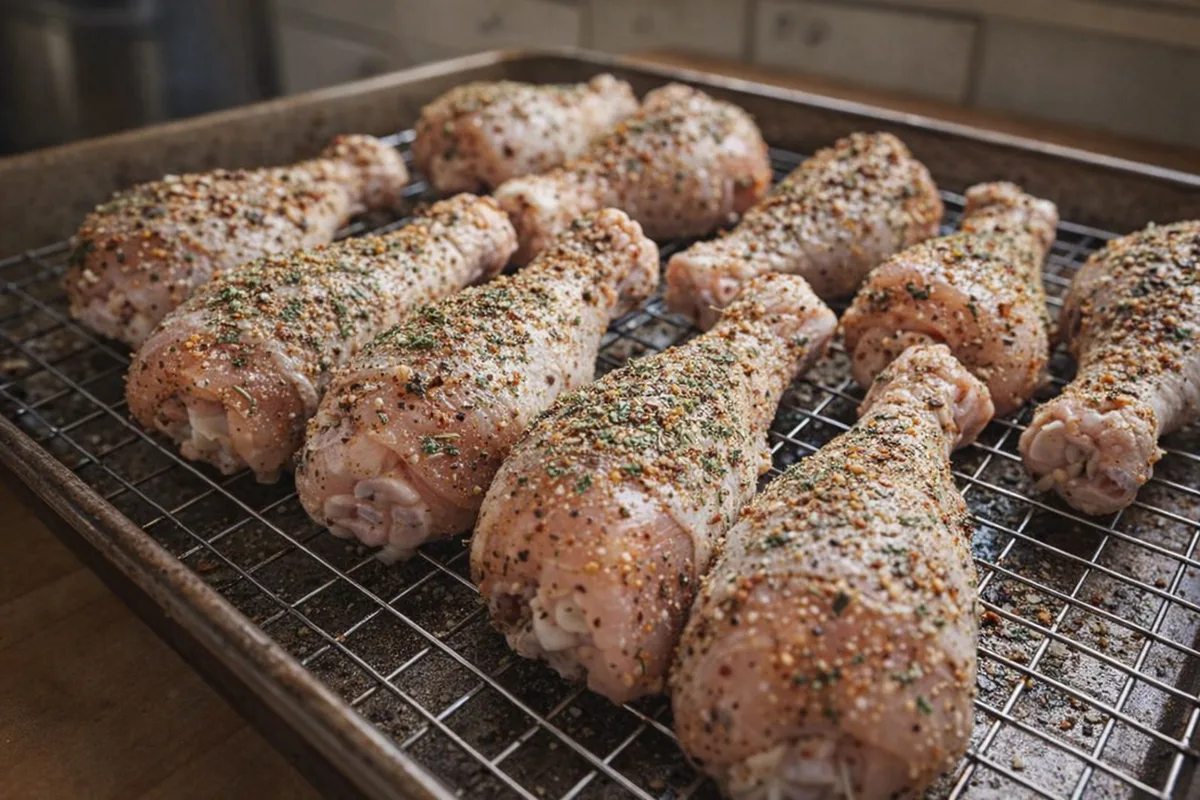
Image source: Bing (Web (fair-use with source credit))
Step 1: Preheat and prep
Set your oven to 400°F. Place a rack in the middle position. While it heats, pull the chicken legs from the fridge.
Let them sit at room temperature for 15 to 20 minutes. This reduces the temperature difference between the cold meat and hot oven, helping them cook more evenly.
Step 2: Dry and season
Pat each leg dry with paper towels. Removing surface moisture is the single biggest factor in getting crispy skin. Season generously with salt and pepper.
You can add garlic powder, paprika, onion powder, dried herbs, or any rub you like. For best flavor, season at least 30 minutes ahead and refrigerate uncovered, or even overnight.
Step 3: Arrange on a wire rack
Place a wire rack inside a rimmed baking sheet. Lay the chicken legs on the rack, skin side up, with space between each piece. Overcrowding traps steam and prevents the skin from crisping.
If you don't have a rack, you can use a lightly greased baking sheet, but flip the legs halfway through for even browning.
Step 4: Roast and check temperature
Place the sheet in the preheated oven. Roast without opening the door for 30 minutes. Then start checking.
For drumsticks, insert the thermometer into the thickest muscle near the bone. For leg quarters, test the thigh part. When the internal temperature hits 170°F, start monitoring closely.
Pull the legs at 175°F to 185°F.
Step 5: Rest before serving
Transfer the chicken legs to a cutting board or platter. Let them rest uncovered for 5 to 10 minutes. Carryover cooking will raise the temperature another 5°F.
Resting lets the juices redistribute evenly. Serve right away or hold in a warm oven (200°F) for up to 30 minutes.
Common Mistakes That Ruin Chicken Legs (and How to Fix Them)
Even experienced cooks run into problems. Here are the most frequent errors and the simple fixes.
Mistake 1: Not using a thermometer
You can't judge doneness by color. Chicken cooked to 165°F can still look pink near the bone due to myoglobin. A thermometer is the only reliable test. Fix: Buy a digital instant-read thermometer.
Use it every time.
Mistake 2: Overcrowding the pan
Packing legs close together traps steam, which makes the skin soggy and slows cooking. Fix: Leave at least 1 inch of space between each leg. Use two baking sheets if needed, or roast in batches.
Mistake 3: Skipping the drying step
Wet skin steams instead of crisping. Fix: Pat the chicken thoroughly dry with paper towels before seasoning. For extra crispiness, let the seasoned legs sit uncovered in the fridge for 1 to 2 hours.
Mistake 4: Cooking at too low a temperature
Baking at 350°F or lower leads to longer cooking times and less browning. The skin turns soft, not crispy. Fix: Use 400°F to 425°F. The high heat renders fat quickly and gives you golden, crunchy skin.
Mistake 5: Guessing the cooking time
Every oven runs differently. A leg that's 5 ounces cooks faster than one that's 8 ounces. Fix: Forget the timer. Cook by temperature alone.
Start checking at 30 minutes, then every 5 minutes until you hit your target.
Mistake 6: Not resting the meat
Cutting into a hot leg right out of the oven causes juices to spill onto the cutting board. Fix: Let the chicken rest for 5 minutes. The meat relaxes and reabsorbs the juices, giving you a moist final bite.
Expert Tips for Crispy Skin and Juicy Meat Every Time
You've nailed the basics. Now let's take it further.
Dry brine for deeper flavor and crunch
Salting the legs and leaving them uncovered in the fridge for 4 to 24 hours does two things: the salt penetrates the meat, seasoning it from the inside, and the dry fridge air dries out the skin surface. The result is seasoned, crispy perfection. Use about 1 teaspoon of salt per pound.
Use baking powder for extra crisp
Mix 1 teaspoon of baking powder (aluminum-free) with your dry rub for every 2 pounds of chicken. Baking powder raises the skin's pH, which helps it brown faster and become crunchier. Do not use baking soda, it alters the taste.
Flip or don't flip?
If you use a wire rack, no flipping needed. The rack allows hot air to circulate under the legs, cooking the bottom evenly. If you bake directly on a sheet, flip the legs halfway through to ensure both sides brown.
Glaze in the final 5 minutes
If you like a sticky, sweet glaze (honey, barbecue sauce, teriyaki), apply it during the last 5 minutes of roasting. Sugar burns at high heat. Glazing too early creates a charred, bitter crust.
Rest under foil? No.
Resting uncovered keeps the skin crisp. Covering with foil traps steam and softens the crust. If you need to hold them for serving, place them in a warm oven (200°F) uncovered.
Save the drippings
After roasting, pour the pan juices into a small saucepan. Skim off excess fat, then simmer with a splash of chicken broth and a squeeze of lemon for a quick, flavorful pan sauce.
Frequently Asked Questions
Can I cook frozen chicken legs in the oven?
Yes, but it takes longer and the skin won't crisp well. Bake at 400°F for 50 to 60 minutes. Always check internal temperature.
Add 10 to 15 minutes over the normal time. Thawing in the fridge overnight gives better results for texture and browning.
How do I reheat leftover chicken legs without drying them out?
Place legs on a wire rack over a baking sheet. Reheat at 350°F for 10 to 15 minutes. Check internal temperature reaches 165°F.
Avoid the microwave, it makes the skin rubbery. For extra moisture, brush with a little broth or oil before reheating.
Do I need to flip chicken legs halfway through cooking?
If you use a wire rack, no flipping is needed. Air circulates under the legs and cooks them evenly. If you bake directly on a pan, flip halfway through for even browning.
A rack saves effort and gives better skin texture.
Why is my chicken leg skin not crispy?
Most likely too much moisture or too low a temperature. Pat the legs very dry before seasoning. Cook at 400°F or higher.
Use a wire rack, not a solid pan. For extra crunch, add a small amount of baking powder to the dry rub.
How long can I marinate chicken legs safely?
Up to 24 hours in the refrigerator for an acid-based marinade. Longer than that can break down the meat and make it mushy. For dry rubs or dry brines, 4 to 24 hours is ideal.
Always keep raw chicken below 40°F.
What is the difference between drumsticks and leg quarters?
Drumsticks are just the lower leg. Leg quarters include the thigh and drumstick attached. Quarters take longer to cook, about 45 to 55 minutes at 400°F.
Drumsticks cook faster, about 35 to 45 minutes. Both benefit from higher final temperatures.
The Bottom Line: A Quick Reference Summary
Here is the cheat sheet for perfect oven chicken legs every time.
| Factor | Recommendation |
|---|---|
| Oven temperature | 400°F (convection: 375°F) |
| Internal target | 175°F to 185°F |
| Cooking time | 40 to 45 minutes (drumsticks), 45 to 55 minutes (quarters) |
| Essential tool | Digital instant-read thermometer |
| Prep step | Pat dry, season, use a wire rack |
| Rest time | 5 to 10 minutes uncovered |
| Common fix | Thermometer over timer |
| Crispy skin trick | Dry brine or baking powder |
That's really all there is. Cook by temperature, not time. Give the legs a good dry before seasoning.
Use a rack for airflow. And let them rest before serving. Follow those steps and you'll get juicy, tender, golden chicken legs every single time.