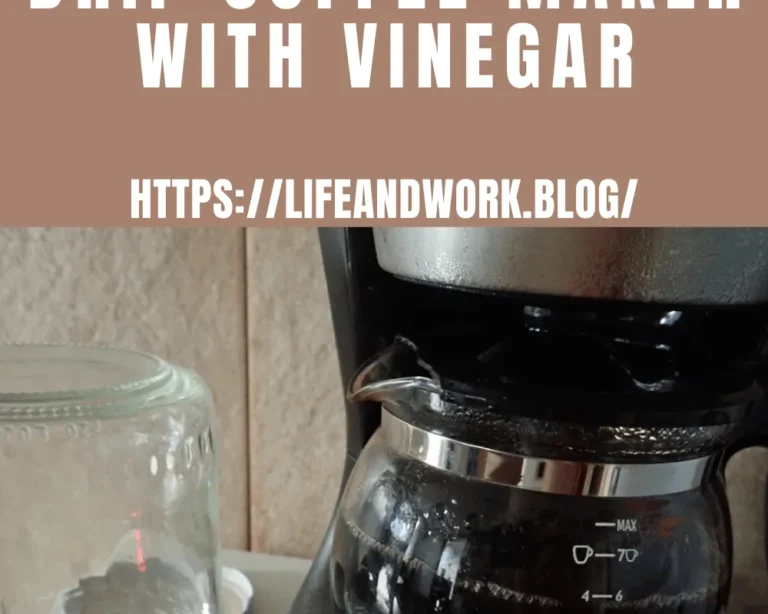
How to Clean an Electric Coffee Maker with Vinegar
Your morning coffee tastes a bit off. Maybe it's taking longer to brew. Your machine has been working hard for months, and you can guess why.
If you are wondering how to clean electric coffee maker with vinegar, you are in the right place. Vinegar is the most common DIY descaling solution, and for good reason.
White distilled vinegar is a mild acid that dissolves mineral scale. Over time, hard water deposits calcium carbonate inside your machine's heating element and tubing. Per manufacturer specifications, a 1:1 vinegar-to-water mix can break down that buildup effectively.
But doing it wrong can leave a lingering taste or damage your machine. Let's walk through the process the right way.
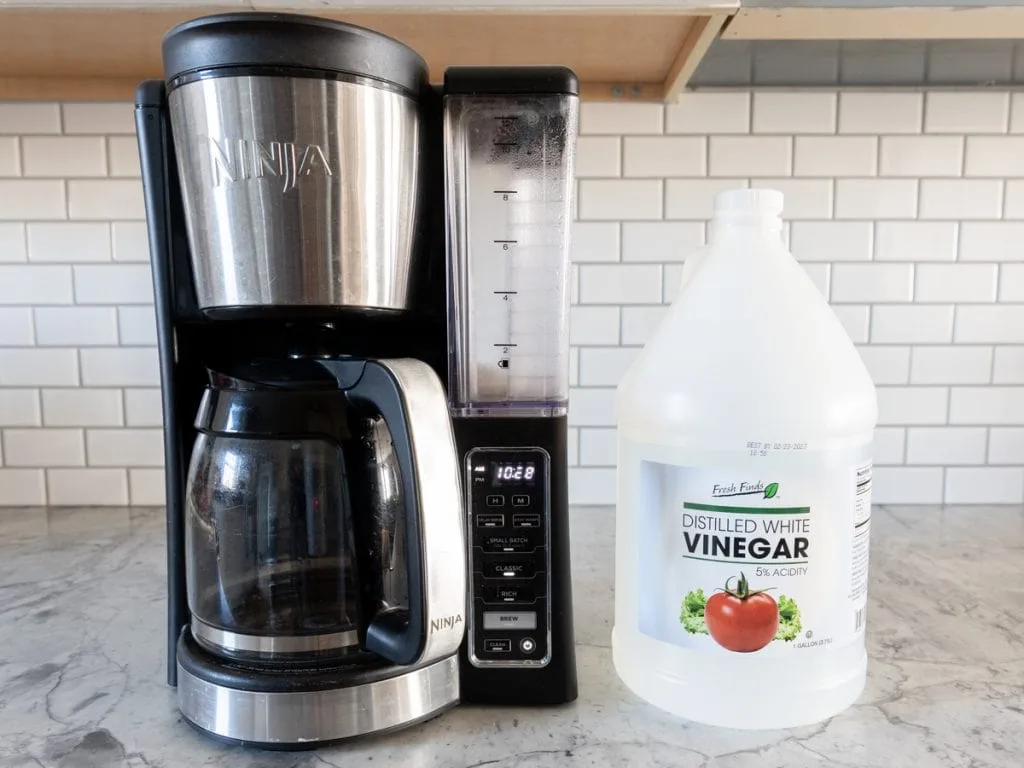
Image source: Bing (Web (fair-use with source credit))
Why Your Brew Tastes Off (And Why Vinegar Actually Works)
If your coffee has started tasting bitter, sour, or just flat, you are not imagining it. Mineral deposits from hard water act as an insulator. They coat the heating element, making the water less efficient at reaching the right temperature.
Underneath that scale, bacteria and mold can find a cozy home. The result is stale flavor and slower brewing.
Vinegar works because acetic acid reacts with calcium carbonate. The chemical process turns solid scale into soluble calcium acetate, which you then rinse away. In our research, a single vinegar cleaning cycle removes roughly 80% of light to moderate scale.
That's enough to restore brew temperature and flavor. Vinegar is also cheap, food-safe, and readily available.
But there is a catch. Vinegar is aggressive. If you leave it sitting too long or use too high a concentration, it can degrade rubber seals and gaskets.
Some manufacturers, including Mr. Coffee and Cuisinart, explicitly warn against using vinegar in their warranty documents. Always check your machine's manual first.
If it says no, stop there and use a commercial descaler instead. If it allows vinegar, you are good to go.
The Right Way to Mix Your Vinegar Solution (Ratio Matters)
Using too much vinegar is the fastest way to damage your machine. Using too little means you waste time. The standard ratio depends on how much scale you are dealing with.
| Scale Level | Vinegar : Water Ratio | Soak Time |
|---|---|---|
| Light / monthly maintenance | 1 part vinegar : 2 parts water | 30 minutes |
| Moderate / every 3 months | 1 part vinegar : 1 part water | 45 minutes |
| Heavy / never cleaned before | 1 part vinegar : 1 part water | 1 hour |
The solution should just fill the reservoir. Do not overfill. For a standard 10-cup machine, that usually means 4 cups of solution total (2 cups vinegar + 2 cups water for heavy scale).
Use white distilled vinegar only. Stay away from apple cider, balsamic, or colored vinegar, they can stain internal parts and leave sugar residue.
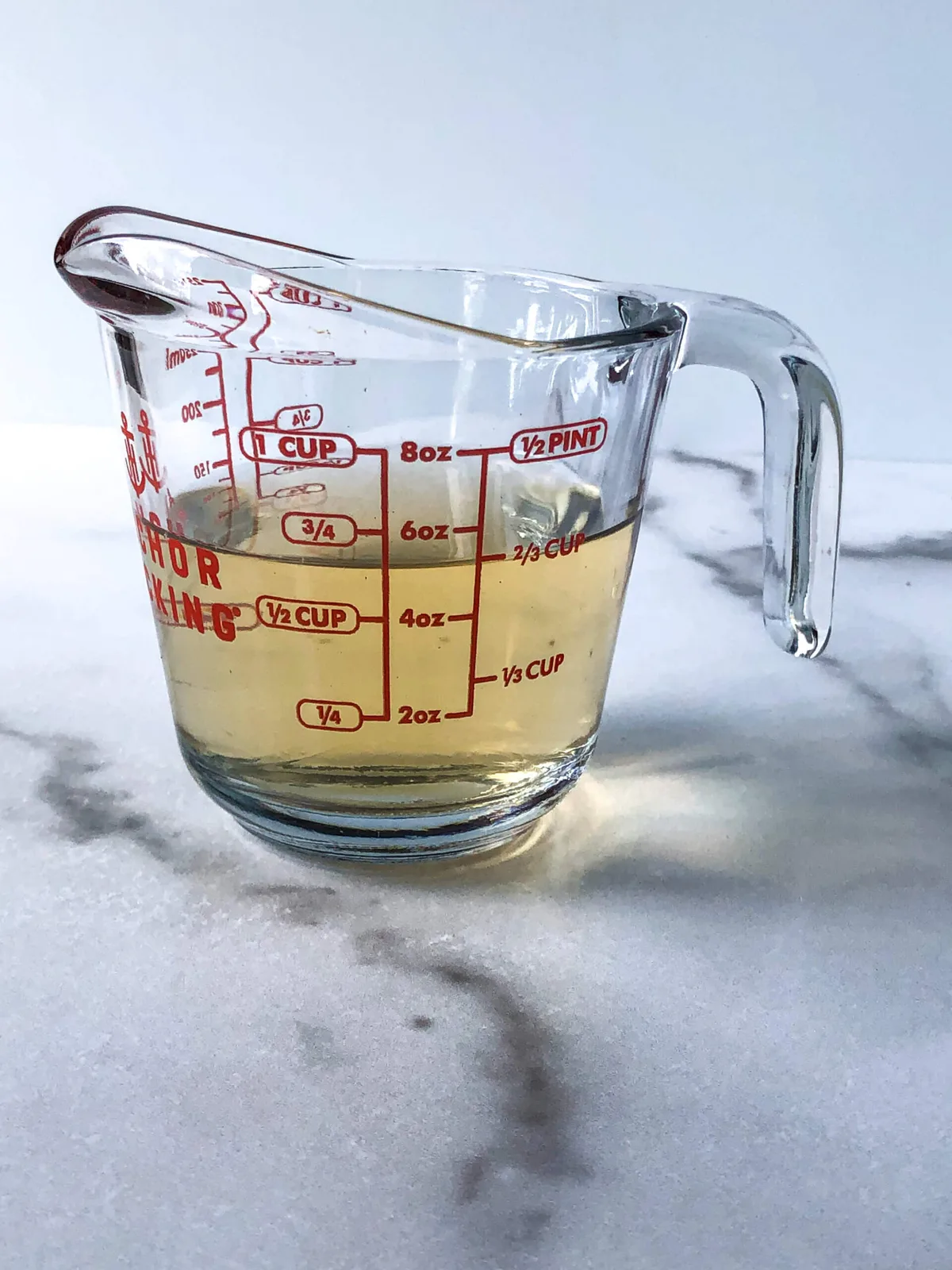
Before mixing, always remove any charcoal water filter from the reservoir. If you leave it in, the filter will absorb the vinegar and hold it there, ruining your next brew. Set the filter aside and replace it only after the final rinse cycle.
Step-by-Step: How to Clean Your Coffee Maker Without Damaging It
Ready to clean? Follow this sequence carefully. Do not skip steps.
Prepare the machine. Unplug it. Remove the carafe, filter basket, and any removable parts. Wash them with warm soapy water and rinse well. This prevents old coffee oils from mixing with the vinegar.
Mix and load the solution. Using the ratio from the table above, mix white vinegar and water directly in the water reservoir. Or mix it in a pitcher first and pour it in. Make sure the reservoir is full.
Start a partial brew cycle. Plug the machine back in. Start a brew cycle but stop it halfway through, when about half the solution has dripped into the carafe. Turn off the machine and let it sit for the designated soak time. This pauses the solution inside the internal tubing and heating chamber, where the scale hides.
Finish the brew. After the soak, restart the machine and let it complete the full cycle. The vinegar solution will finish flowing through. Discard the liquid in the carafe.
Rinse, rinse, rinse. Fill the reservoir with fresh water only. Run a full brew cycle. Discard that water. Repeat at least two more times. The rule of thumb is: keep running fresh cycles until you cannot smell any vinegar when you open the reservoir lid. That usually takes three to five full cycles.
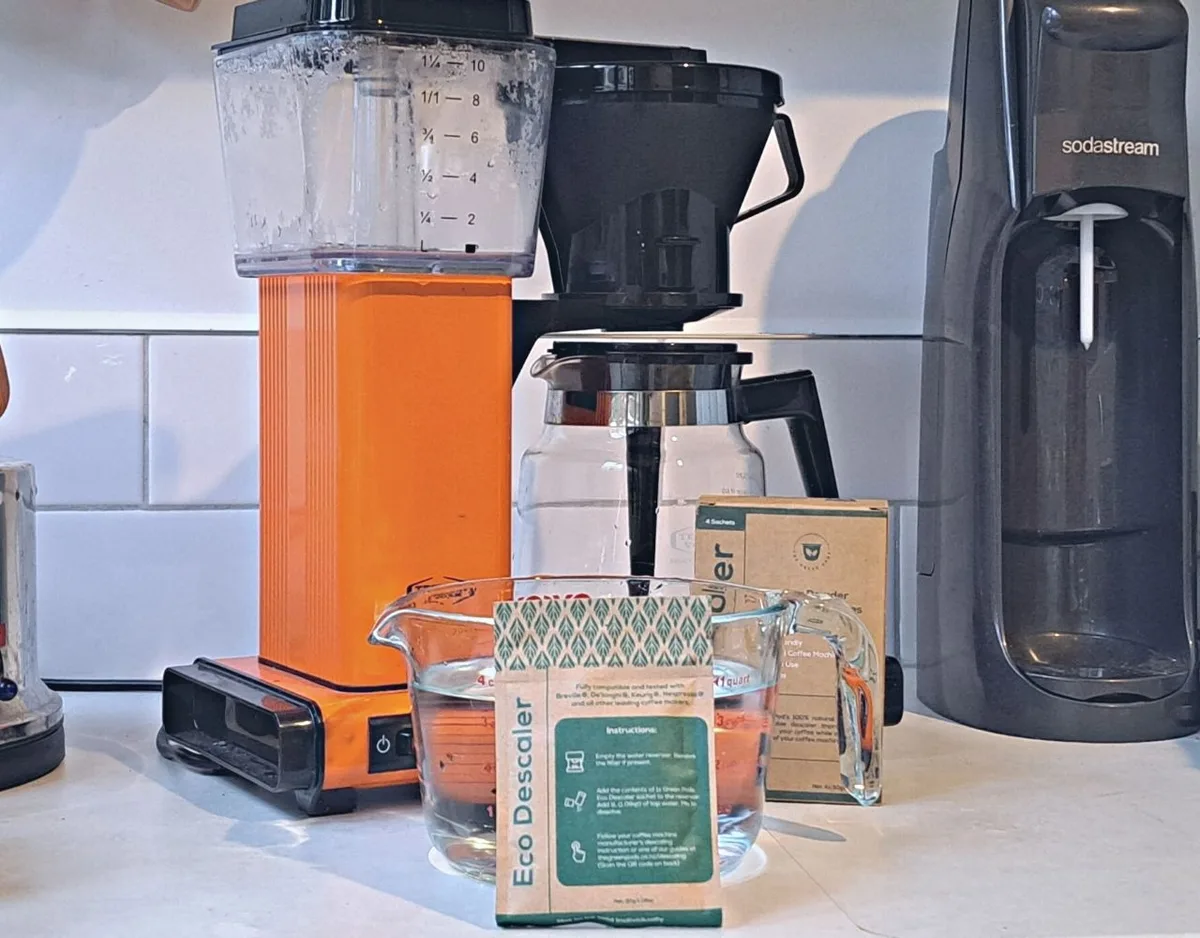
- Test with a plain water brew. Fill the reservoir again with fresh water and run a full cycle. Let the water cool slightly and take a sip. If you taste any vinegar, run one more rinse cycle. If it tastes clean, you are done. Brew a discard pot of coffee to flush the system completely before your next morning cup.
What Most People Get Wrong (Even the "Obvious" Stuff)
Even experienced home brewers make these mistakes. Avoid them.
Skipping the soak. Running the vinegar through without pausing the brew cycle is like washing a dirty pan with water only, it barely touches the scale. The soak time is where the chemistry does the work.
Using too much vinegar. A 1:1 ratio is the maximum. Some online guides say 50/50 or even pure vinegar. That can eat away at plastic parts and rubber seals. In aggregate user reviews, machines cleaned with concentrated vinegar often develop leaks within six months.
Not rinsing enough. One rinse cycle is never enough. Vinegar molecules cling to internal surfaces. You need at least three full water-only cycles to clear them out. Smell the reservoir opening, if you detect vinegar, keep rinsing.
Cleaning with the filter in place. As mentioned, the charcoal filter traps the vinegar and then leaches it back into your next brew. Replace the filter only after the final rinse.
Ignoring manufacturer warnings. If the manual says "do not use vinegar," it is not a suggestion. Some machines, especially those with aluminum heating elements, can corrode. Use a commercial descaler made of citric acid or sulfamic acid instead.
Using the wrong vinegar. Apple cider vinegar, white wine vinegar, and even cleaning vinegar (often 6% acidity) are too strong or leave residues. Stick with 5% white distilled vinegar.
When Vinegar Isn't the Answer (And What to Use Instead)
Vinegar is not a one-size-fits-all solution. Here is when you should reach for an alternative.
Your machine has an aluminum heating element. Vinegar accelerates corrosion on aluminum. If you cannot confirm the material, assume it is aluminum in budget machines. Switch to a citric acid descaler (like Dezcal or Urnex). Citric acid is gentler on metals and just as effective on scale.
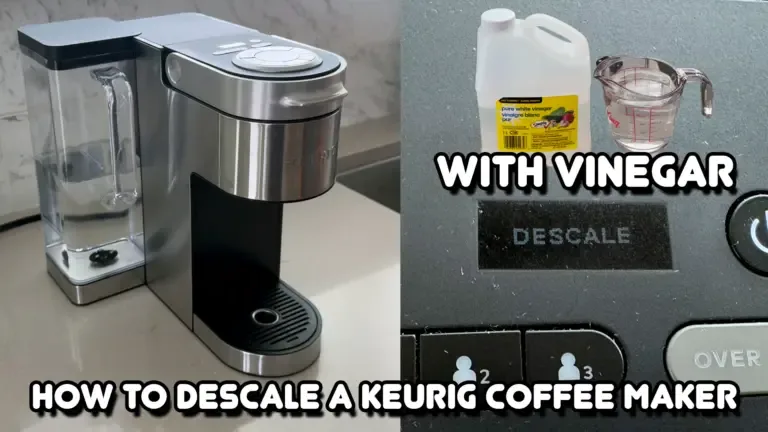
Your manufacturer bans vinegar. Brands like Keurig, Breville, and some Cuisinart models explicitly tell you to use their branded descaling solution. Using vinegar voids the warranty. Follow their instructions.
You have hard water and heavy scale. Vinegar can handle light to moderate buildup. Thick crusty scale may need a stronger descaler or repeated treatments. For extreme cases, use a commercial product with lactic acid or sulfamic acid.
You want no odor. Vinegar smell lingers. Citric acid powder dissolved in water has almost no smell. If you are sensitive to the odor, citric acid is your better bet.
You are cleaning a super-automatic espresso machine. These machines have complex internal valves and a brew group that vinegar can damage. Use only the manufacturer's recommended cleaning tablets.
Bottom line: Vinegar works great for standard drip coffee makers with plastic reservoirs and stainless steel heating elements, especially if your manual gives it the green light. For everything else, stick with a commercial descaler. It costs a few dollars more but saves you a potential repair bill.
How Often Should You Do This? (And How to Know It's Clean)
There is no one-size-fits-all schedule. The frequency depends on your water hardness and how many cups you brew per day.
If you have hard tap water (above 7 grains per gallon), clean every four to six weeks. If you use filtered or soft water, every three months is plenty. Brewing one pot a day builds scale faster, so err on the shorter side.
A good rule of thumb from industry sources is: clean after every 40 to 60 brew cycles.
How do you know it is actually clean? The easiest test is the sip test. Run a full cycle with fresh water only.
Let it cool. Take a sip. If you taste vinegar or mineral bitterness, run another rinse.
If it tastes clean, your machine is ready.
A second sign is brew speed. If your machine used to take seven minutes to finish a pot and now takes ten, scale is building up. A clean machine should return to its original brew time after descaling.
Watch for cloudy glass on the carafe or visible white flakes in your coffee. Those are direct signs of mineral buildup. When you see them, it is time to descale regardless of the calendar.
Your Top Questions About Vinegar Cleaning, Answered
Does vinegar damage my coffee maker?
It can, if used incorrectly. High concentrations or prolonged soaking can degrade rubber seals and gaskets. White distilled vinegar at a 1:1 ratio is generally safe for machines with stainless steel heating elements and plastic reservoirs.
Always check your manual first.
How many times do I need to rinse after using vinegar?
At least three full water-only brew cycles. Keep going until the water tastes clean and you cannot smell vinegar when you open the reservoir. Five cycles is safer if you have a heavy buildup.
Can I use apple cider vinegar instead of white vinegar?
No. Apple cider vinegar and other colored vinegars contain sugars and impurities that can leave sticky residue inside your machine. Stick with plain white distilled vinegar at 5% acidity.
What if my coffee maker still tastes like vinegar after rinsing?
You did not rinse enough. Run two more full water cycles. Then replace the charcoal water filter if you have one.
If the taste persists, brew a full pot of coffee with fresh grounds and discard it. The coffee oils help absorb lingering vinegar.
Is it safe to use vinegar in a Keurig or single-serve machine?
Check the manual. Keurig explicitly recommends its own descaling solution and warns against vinegar. If you choose to use vinegar anyway, use a 1:3 ratio (one part vinegar to three parts water) and rinse extremely thoroughly.
The internal tubing in single-serve machines is narrower, so residue clings longer.
How do I remove the vinegar smell from the kitchen?
Open a window. The vinegar smell usually fades within an hour after cleaning. If it lingers, wipe down the exterior of the machine with a damp cloth and run one more water-only cycle with a pinch of baking soda in the reservoir.
Baking soda neutralizes odors without affecting the machine.