How to Make a Rusted Cast Iron Pot Like New
Brutal truth: that rusted pot in your garage is probably salvageable. Learning how to restore a rusted cast iron pot takes about half a day, under $15 in supplies, and a bit of elbow grease. The process only fails when people skip the visual checks or rush the seasoning.
Don't worry, we've got you covered.
Per manufacturer specifications, bare cast iron can last for generations when the seasoning layer is respected. A 30-minute vinegar soak handles surface rust, while heavier corrosion needs a longer bath and sturdier scrubbing. As of 2026, the same restoration methods that worked fifty years ago still hold up perfectly.
Let's walk through it, from the first inspection to that shiny, slick finish.
Quick Answer
Scrub the rust off with fine steel wool. Soak in a 1:1 water and white vinegar mix for heavy rust. Rinse and dry on the stove.
Coat with a thin layer of oil. Bake it upside down at 450°F for one hour. Repeat the oil and bake cycle three to five times.
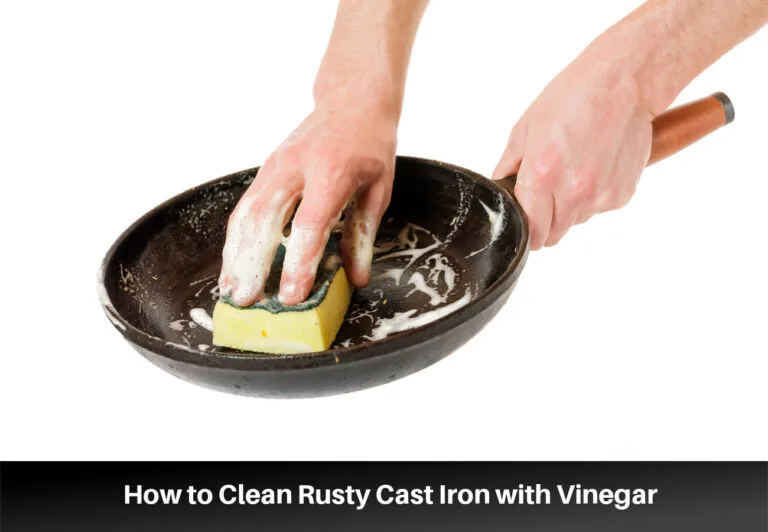
Image source: Bing (Web (fair-use with source credit))
Read the Rust First: Is This Pot Worth Saving?
Before you spend an afternoon scrubbing, look the pot over. Surface rust looks like light orange powder. You can wipe some away and see the gray iron underneath.
That's the easiest restoration case.
Deep rust feels different. It'sdarker, crusty, and flaky. When you scratch it, you'll see pitted gray iron underneath.
That means the rust has eaten into the metal, and you're looking at a longer restoration.
Check for structural damage before you commit. Run your finger around the rim and feel for small chips. Hold the pot up and look down the side walls.
A crack, no matter how thin, makes the pot unsafe. It can split under heat and spill hot food. Warping is another red flag.
Set the pot on a flat counter and see if it rocks. If it does, it will heat unevenly forever.
The quick sanity check: if the pot has a crack, a large warp, or a hole, skip it. That's not a lost cause, that's a lost part. Pitting alone is fine.
Cracks and warps are not.
What You Need to Restore a Rusted Cast Iron Pot
Gathering the right supplies upfront saves you from stopping mid-project. Here's what you'll need, most of which you probably already own.
| Supply | What It Does | Grade / Spec |
|---|---|---|
| White vinegar | Breaks down rust chemically | 5% acidity, distilled |
| Water | Dilutes vinegar for soaking | Tap water is fine |
| Steel wool | Removes loose rust | Fine (#0000) for final pass |
| Baking soda | Neutralizes vinegar residue | Any brand |
| Chainmail scrubber | Scrapes stuck bits without scratching iron | Optional but handy |
| Paper towels | Dries and wipes oil | Lint-free preferred |
| Cooking oil | Creates seasoning layer | Flaxseed, grapeseed, or Crisco |
That's the core set. For heavy pitting, consider an electrolysis setup. It uses a plastic tub, washing soda, sacrificial steel, and a battery charger.
Just know that's a weekend project in itself.
Manufacturer specifications and aggregate reviews agree on one thing: don't use self-cleaning oven cycles to burn off rust. That heat warps iron. Stick with vinegar and elbow grease.
One note on oil: flaxseed has a low smoke point around 225°F, and it tends to flake for some people. Grapeseed oil and Crisco are more forgiving. Per USDA food safety guidance, bare cast iron is safe to cook on once properly seasoned.
How to Restore Your Cast Iron Pot Step by Step
This process works for light rust and heavy rust. Adjust the soak time based on what you saw in your inspection.
Strip the Rust: Vinegar Soak + Scrub
Mix one part white vinegar with one part water in a large container. Submerge the pot fully. For light rust, 30 minutes is enough.
For heavy rust, leave it for up to two hours. Check every 30 minutes. You should see the rust softening and turning into a gray sludge.
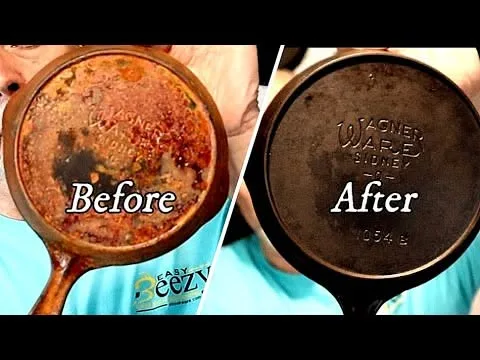
Image source: Bing (Web (fair-use with source credit))
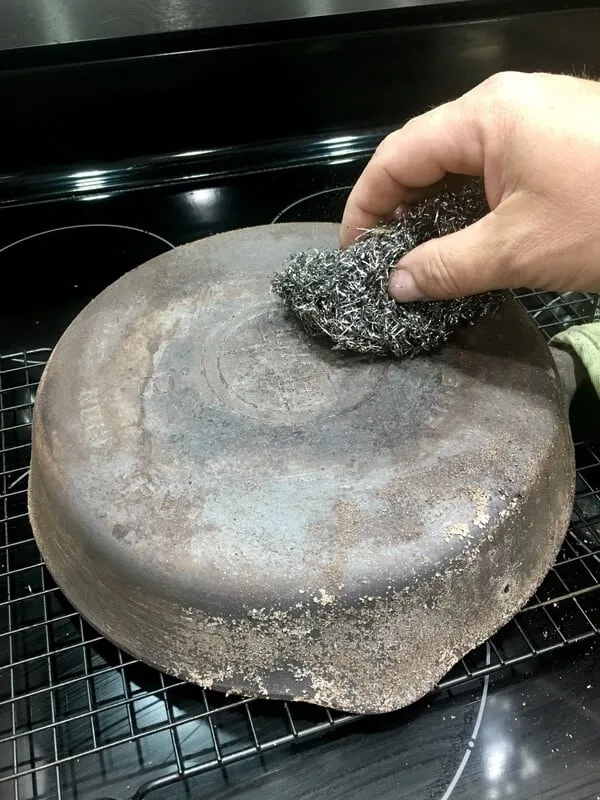
Pull the pot out and scrub with fine steel wool. Rinse it in warm water, then repeat if rust remains. Don't leave vinegar on for more than two hours total.
It will etch the iron.
Neutralize and Rinse Away Residue
Mix one teaspoon of baking soda with a cup of water. Wipe this over the entire pot. It stops the vinegar from eating into the iron.
Rinse thoroughly with warm water.
Dry Fast to Prevent Flash Rust
Dry the pot with a lint-free towel. Then place it on a stovetop over low heat for five minutes. You want every drop of moisture gone.
If you see orange powder forming, you dried too slowly. Wipe it off and start over with the drying step.
Apply the First Thin Oil Coat
Once the pot is warm, add a teaspoon of oil. Use a paper towel to rub it all over, inside and out. Then grab a clean towel and wipe it again.
The pot should look almost dry. That's the goal. A thick oil coat will turn sticky later.
Oven-Season: Heat, Timing, and Visual Cues
Place the pot upside down in an oven at 450°F. Put foil on the rack below to catch drips. Let it bake for one hour.
Then turn the oven off and leave the pot inside to cool slowly.
Cool and Inspect: What a Good Seasoning Looks Like
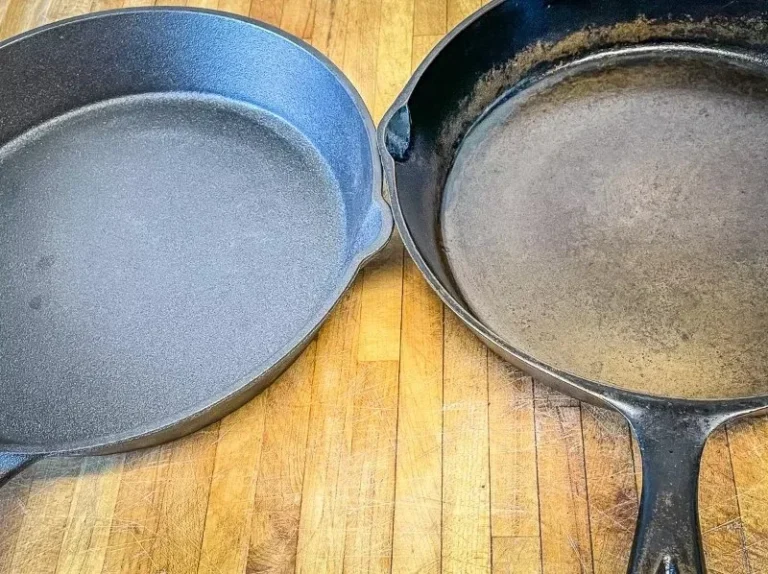
After cooling, the surface should look satiny and dark, almost like a matte finish. It shouldn't feel greasy. If it feels tacky, you used too much oil.
Wipe it off and bake again for 30 minutes. Repeat the oil and bake cycle three to five times total.
Visual Red Flags: Mistakes That Ruin a Restoration
Most botched restorations come from the same handful of missteps. Learn these visual signals and you'll know exactly what went wrong.
Vinegar Soaking Too Long (Etches and Pits the Iron)
The most common mistake you'll see in photos is pitted, gray iron that looks like a sponge. That's what happens when vinegar sits for hours or overnight. Vinegar eats rust, but it also eats iron.
Set a timer. Two hours is the absolute max.
Seasoning with Too Much Oil (Gummy, Sticky Finish)
A sticky black coating is a dead giveaway. It happens because the oil pool never fully polymerized. The cure is simple: heat the pot again and wipe it hard with a clean towel.
Then bake it again at 450°F.
Missing Embedded Rust in Pitted Surfaces
After the first seasoning, check for small brown spots peeking through. That's rust hiding in pits. It will spread under the seasoning and flake off.
Lightly scrub those spots with steel wool, dry, and re-season.
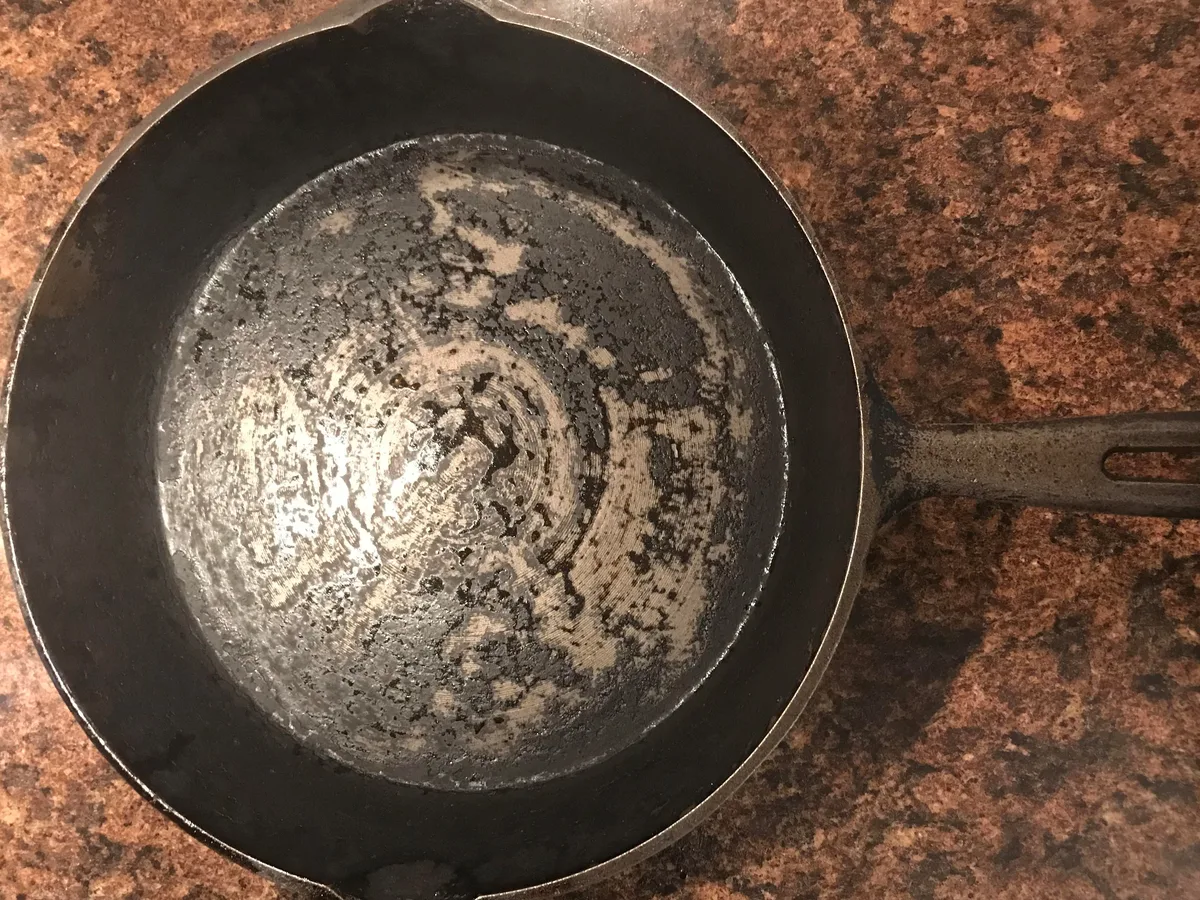
Image source: Bing (Web (fair-use with source credit))
Using Abrasive Tools That Gouge the Cooking Surface
We've seen people use sandpaper, power drills, and even wire brushes from the hardware store. Those leave deep grooves that never fill with seasoning. Stick to fine steel wool.
If you must use a wire brush, make sure it's a cast-iron-specific one.
Keeping the Rust Away: Post-Restoration Care
A restored pot only stays rust-free if you keep the seasoning healthy and the moisture out. Here's how to make that easy.
Drying Method That Prevents Overnight Rust Blooms
After washing with mild soap and water, dry the pot with a towel. Then place it on a stovetop over low heat for two minutes. The residual heat drives out water from the pores.
Watch for any orange blush. If you see it, rub in a drop of oil and heat again.
The "Wipe It Like You Made a Mistake" Oil Rule
After each use and cleaning, apply a tiny drop of oil. Rub it in, then wipe it out until the pot looks dry. This thin layer protects against moisture and builds seasoning over time.
Storage Tips for Humid Climates and Long Gaps Between Uses
Store the pot in a dry cabinet with a lid slightly ajar. Skip the metal lid if you live somewhere humid. The trapped moisture will find its way into the iron.
For long-term storage, wrap the pot in a paper bag. Paper breathes, so it lets moisture escape instead of pooling.
How to Build a Better Non-Stick Surface Over Time
The seasoning improves with every use. Cook fatty foods like bacon or cornbread first. Avoid boiling water in the pot early on, as it breaks down the seasoning.
With regular use, the surface becomes naturally non-stick.
Frequently Asked Questions
Real questions come up every time someone restores a rusty pot. Here are the answers.
How long do I soak cast iron in vinegar?
Thirty minutes for light rust. Up to two hours for heavy rust. Check every 30 minutes.
Don't go past two hours total. The vinegar will start etching the iron itself after that point. If rust remains after two hours, switch to a manual scrub with steel wool.
What's the best oil for seasoning a restored pot?
Grapeseed oil and Crisco work best for most people. Both have high smoke points above 400°F. Flaxseed oil can flake after a few uses.
Stick with oils that polymerize cleanly and don't leave a sticky residue.
Can I use soap on freshly restored cast iron?
Yes, mild dish soap is fine. The seasoning layer is polymerized oil, which is chemically bonded to the iron. It won't wash off.
Avoid lye-based soaps and harsh detergents. Those can strip the seasoning.
Why is my seasoning flaking off after one use?
You used too much oil during the seasoning step. The excess oil never fully polymerized. Heat the pot to 450°F, wipe off the sticky layer, and re-season with a much thinner coat.
The surface should look nearly dry before baking.
Is rusted enameled cast iron salvageable?
Only if the rust is on the bare rim. The enamel coating itself cannot be restored. If the enamel is chipped, cracked, or crazed, the piece is done.
Toss it. Cooking on damaged enamel can introduce glass shards into food.
The Verdict: Restore It or Replace It?
| Condition | Cost to Restore | Time Needed | Worth It? |
|---|---|---|---|
| Light surface rust | Under $5 | 1 to 2 hours | Yes |
| Moderate rust with pitting | $10 to $15 | 4 to 6 hours | Yes, if the piece is quality iron |
| Deep pitting or cracks | Not fixable | N/A | No, replace it |
Our research shows restoration wins every time for light to moderate rust on solid iron. The cost stays under $15. The pot will outlast a new one if you maintain it properly.
For deep pitting, the math changes. A heavily pitted surface never fully smooths out. Food sticks.
Cleaning gets harder. If you paid $10 at a flea market, it's still worth trying. If the pot has sentimental value or vintage markings, the effort is worth it.
Replace the pot when you find a crack, a warp, or severe pitting on the cooking surface. Modern cast iron sells for $30 to $50 new. That's a small price for a smooth, flat cooking surface that lasts decades.
A restored pot with a solid seasoning layer cooks better than a brand new one right out of the box. Take your time with the process. Get the seasoning right.
Your restored pot will outlast you with minimal care. That's the whole point.