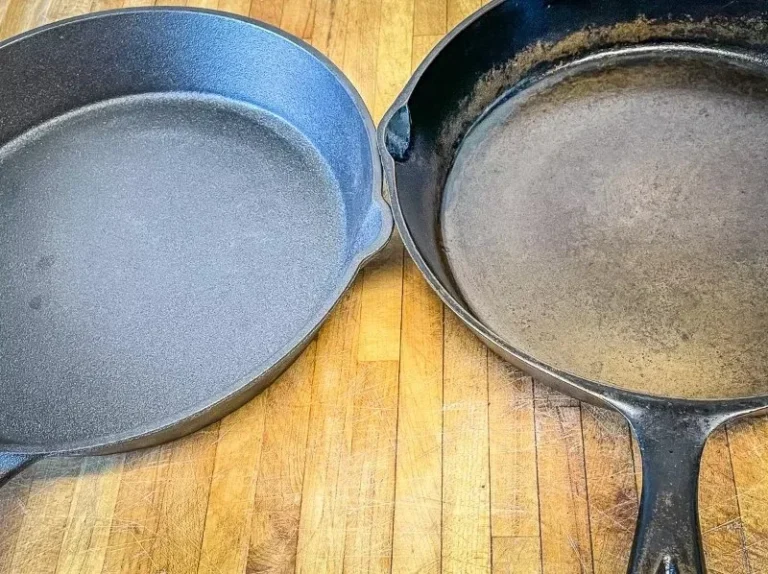
How to Remove Rust from Cast Iron Pan in Minutes
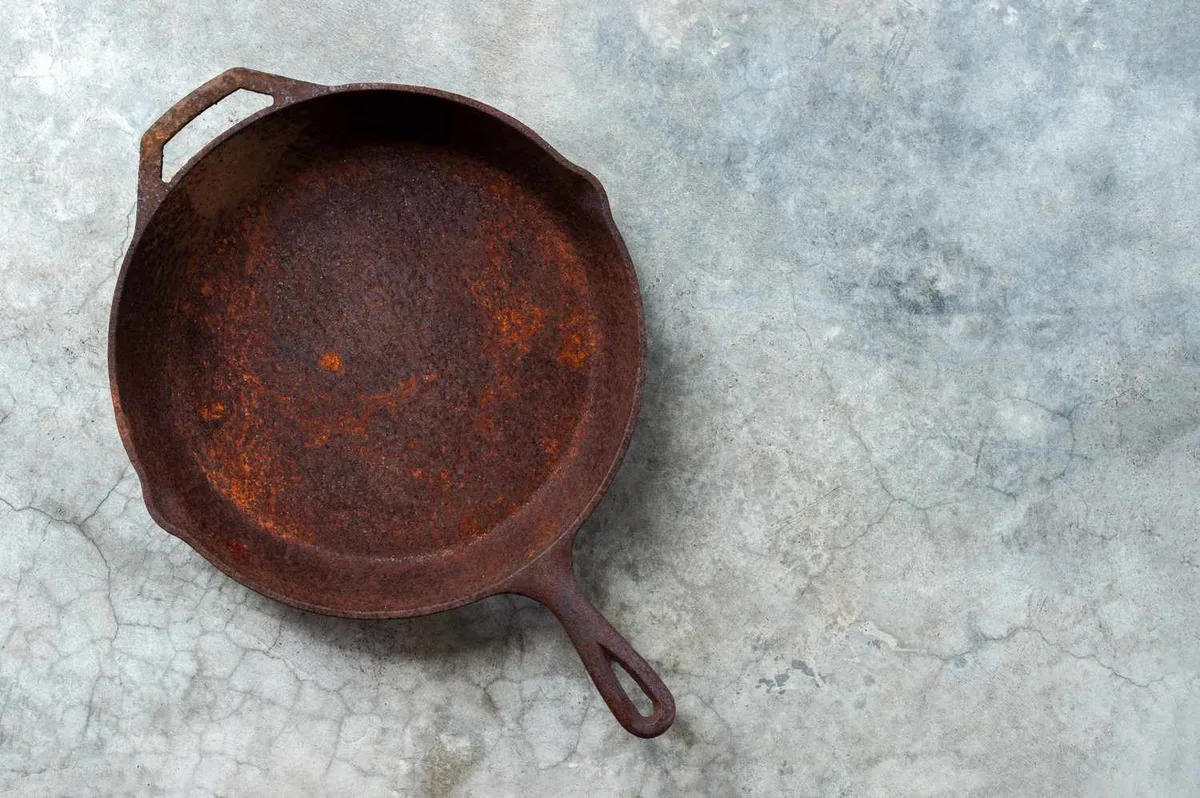
So your cast iron pan has seen better days. Maybe you left it in the sink overnight. Maybe it sat in a damp garage through a rainy season.
Whatever happened, you're now staring at orange-brown patches wondering if the pan is ruined. Here's the good news: learning how to remove rust in cast iron pan is simple and almost always successful. With the right tools and a little patience, that skillet will be back on your stove cooking eggs like nothing happened.
According to manufacturer specifications from Lodge, the leading cast iron cookware producer, even heavily rusted pans can be restored in a single afternoon. The process takes about two to three hours total, with most of that time being passive seasoning time in the oven. Rust is just iron oxide on the surface, and it hasn't eaten through the metal unless pitting has formed.
We'll cover how to tell the difference and what to do in either case.
Quick Answer
Scrub off loose rust with steel wool or a chainmail scrubber. Soak in equal parts white vinegar and water for 30 minutes if rust remains. Scrub again until bare gray iron shows.
Rinse and dry immediately. Wipe with a thin layer of oil. Bake at 450°F for one hour.
Repeat oiling and baking two to three times.
How to Tell If Your Pan Has Rust (Visual Guide)
Not every orange or brown spot on a cast iron pan is rust. Sometimes it's just uneven seasoning burning off in patches. Knowing the difference saves you from stripping a perfectly good pan for no reason.
Visual inspection is your first and most important diagnostic tool.
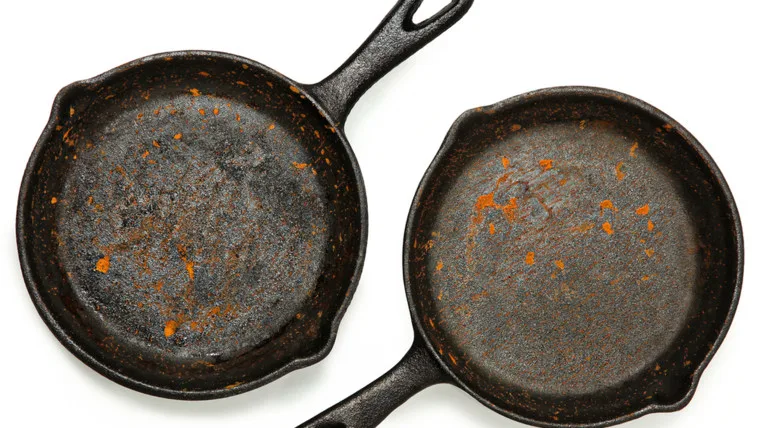
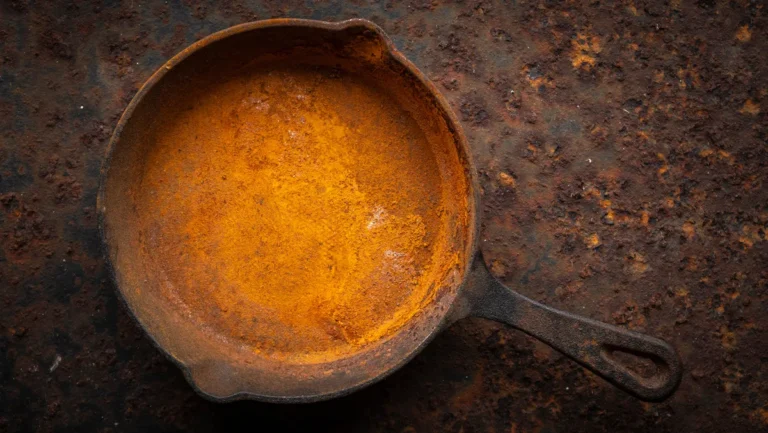
What rust looks like. Real rust has a dry, powdery, or flaky texture. It feels rough to the touch and comes off on your finger or a paper towel. Seasoning is smooth and feels like hard plastic or glass.
Rub the suspect area with a dry paper towel. If orange powder transfers, that's rust.
Surface rust vs deep rust. Light surface rust looks like a faint orange dusting. It's common on pans that were washed but not dried properly. Deep rust appears as dark reddish-brown patches with visible scale or flaking.
If you run your fingernail across it and feel a groove, the rust has started pitting the metal.
The water test. Wet a paper towel and wipe the area. If the orange color intensifies dramatically, that's active rust. Seasoning won't react to water this way.
This test is especially helpful on older pans where the seasoning has darkened to near-black and the rust is harder to spot.
What about black rust? Some pans develop a dark gray or black patina that looks alarming. This is usually carbon buildup or old burnt-on oil, not rust. It scrubs off with steel wool and reveals good iron underneath.
If you're unsure, treat it as rust and proceed with the restoration steps. You won't hurt the pan by cleaning it.
What You'll Need: Tools and Materials for Rust Removal
You probably have most of these items already. The total cost for everything runs under ten dollars if you need to buy from scratch. No specialty tools required.
| Item | Purpose | Alternative |
|---|---|---|
| Fine steel wool (0000 grade) | Scrubbing away rust without gouging iron | 00 grade steel wool for tougher rust |
| White distilled vinegar (5% acidity) | Chemical rust removal through mild acid reaction | Lemon juice (weaker, slower) |
| Dish soap | Cleaning grease and residue before seasoning | Any mild detergent |
| Paper towels or lint-free cloth | Drying and applying oil | Old clean cotton t-shirt |
| Vegetable shortening or canola oil | Creating new seasoning layer | Flaxseed, grapeseed, or avocado oil |
| Salt (coarse kosher) | Abrasive scrub for light rust without water | Baking soda paste |
| Chainmail scrubber | Removing stuck-on food and light rust | Stiff nylon brush |
Why 0000 steel wool matters. Coarser grades like 00 or 0 remove metal along with the rust. Cast iron is soft enough that aggressive abrasion can leave visible scratches and thinned spots. The 0000 grade is the only one we recommend for final polishing.
Use coarser grades only on thick, flaking rust and switch to fine as soon as the orange layer breaks.
Vinegar concentration. Household white vinegar at 5% acidity is the standard. Do not use cleaning vinegar at 6% or higher, which can etch the iron faster than you can control. Do not use apple cider vinegar or balsamic vinegar, which leave sugar residue that burns during seasoning.
Oil selection. Vegetable shortening (Crisco) is the most reliable for new seasoning. It polymerizes evenly and produces a hard, non-stick surface. Flaxseed oil produces a beautiful finish but flakes off after repeated use.
Canola oil is a solid middle ground. Avoid olive oil, which has a low smoke point and leaves a sticky surface.
Step by Step: Removing Rust and Reseasoning
This process assumes you have a bare iron pan. If your pan still has seasoning over the rust, skip to the last section of this guide. You need to strip the seasoning first.
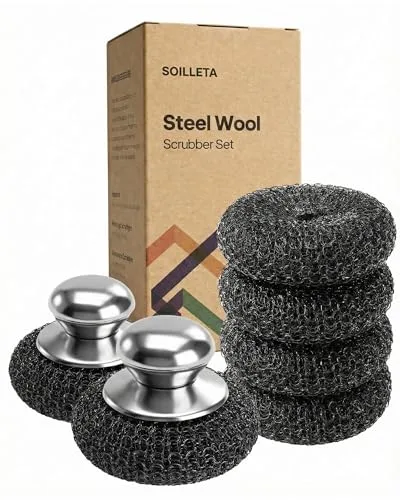
Step 1: Dry scrub. Start with dry steel wool. Scrub the rusted areas vigorously. You are removing loose rust and evaluating how deep the damage goes.
After one to two minutes, wipe with a dry paper towel. If the pan looks mostly gray with only faint orange patches, you can skip the vinegar soak. If heavy orange remains, proceed to step 2.
Step 2: Vinegar soak. Fill a container large enough to hold your pan flat. Mix equal parts white vinegar and water. Submerge the pan completely.
Check at 15-minute intervals. Standard soak time is 30 minutes for moderate rust. The chemical reaction between vinegar and iron oxide turns the rust into a water-soluble compound that wipes away easily.
Warning on soak times. Do not exceed one hour total soak time. Vinegar is acidic enough to begin eating into good iron after about 45 minutes. This causes pitting and a rough surface that never smooths out.
If rust remains after one hour, drain the vinegar, scrub the pan with steel wool, and repeat for another 30 minutes. Never let it soak unattended overnight.
Step 3: Final scrub and rinse. After the vinegar soak, scrub the pan with steel wool and warm soapy water. The rust should come off easily now, revealing bare gray iron. Rinse thoroughly.
Look for any remaining orange spots and spot-treat them with more scrubbing.
Step 4: Immediate drying. This is the most critical step. Wet cast iron begins flash rusting within 30 to 60 seconds. Dry the pan with a paper towel immediately after rinsing.
Then place it on a stove burner over low heat for two to three minutes to drive off any moisture trapped in the metal's pores. The pan should be hot to the touch but not smoking.
Step 5: Apply oil. Put one teaspoon of your chosen oil into the warm pan. Wipe it over the entire surface, including the handle and the outside. Then take a clean paper towel and wipe the pan again, removing as much oil as possible.
The surface should look dry and barely sheeny, not wet. Excess oil causes a gummy, sticky finish that never hardens properly.
Step 6: Oven seasoning. Preheat your oven to 450°F. Place the pan upside down on the middle rack. Put a sheet of aluminum foil or a baking sheet on the rack below to catch drips.
Bake for one hour. After one hour, turn off the oven and let the pan cool inside. This slow cooling prevents thermal shock that can warp the pan.
Step 7: Repeat coats. A single seasoning layer is thin and wears off quickly. Plan for three to five coats. After the pan cools, reapply oil from step 5 and repeat the oven cycle.
Each coat adds hardness and improves nonstick performance. Test the surface after three coats by frying an egg in butter. If it sticks, add one or two more coats.
Common Mistakes That Ruin Cast Iron (And How to Spot Them)
Even experienced cooks make these errors. Catching them early prevents you from having to restart the restoration process.
Using too much oil. This is the number one mistake people make when seasoning. A thick layer of oil never polymerizes fully. It stays tacky, attracts dust, and burns unevenly during cooking.
The fix requires stripping the pan back to bare iron and starting over. The correct amount is less than you think. Wipe the oil on, then try to wipe it all off.
What remains is exactly the right amount.
Skipping the dry step. Pouring oil onto a damp pan traps moisture under the seasoning layer. During baking, that moisture turns to steam and creates bubbles in the seasoning that later flake off. You can spot this mistake by looking for tiny pinholes or raised bumps in the new seasoning.
Oven temperature too low or too high. At temperatures below 400°F, the oil does not polymerize properly. It stays soft and wipes off during cooking. At temperatures above 500°F, the oil burns into carbon dust that never bonds to the iron.
The target range is 450°F to 475°F. Use an oven thermometer to confirm your oven's actual temperature, because many run hot or cold.
Not cooling the pan in the oven. Removing a hot pan from the oven and placing it on a cold countertop causes rapid temperature change. Cast iron expands and contracts unevenly, which can crack the pan. Let it cool completely inside the turned-off oven.
This takes about one to two hours. Plan accordingly.
Scrubbing with soap after seasoning. This is a myth that refuses to die. Modern dish soap does not damage cast iron seasoning. The old warning comes from the days of lye-based soaps that stripped oil.
As of 2026, every major cast iron manufacturer confirms that mild soap is safe on seasoned pans. Wash your pan. Dry it.
Oil it lightly. Move on with your life.
Keeping Rust Away: Maintenance After Restoration
You have restored your pan to bare iron and built up three to five layers of seasoning. The goal now is to never have to do this again. Proper maintenance makes rust a non-issue.
Dry immediately after washing. Water is the enemy. After washing with soap and a stiff brush, dry the pan with a paper towel. Then put it on a stove burner over medium heat for one to two minutes until the last traces of steam disappear.
This step takes 60 seconds and prevents 90 percent of rust problems.
Apply a maintenance coat. After drying the hot pan, add a drop of oil and wipe it over the cooking surface. Buff it dry with a clean towel. This thin layer protects the iron between uses and reinforces the seasoning gradually.
Storage matters. Do not store your cast iron with the lid on. Trapped moisture creates a perfect environment for rust. Store it on a dry shelf or hanging on a wall.
If you must stack pans, place a paper towel between them to absorb any condensation and prevent metal-on-metal scratches.
Avoid the dishwasher forever. The dishwasher's detergent is too harsh for seasoning. The high heat and prolonged moisture exposure guarantee rust within hours. Hand wash only.
This is not negotiable.
Oil after acidic cooking. Tomato sauce, wine-based braises, and citrus dishes can strip seasoning from the cooking surface. After cooking acidic foods, wash the pan, dry it, and apply a maintenance oil coat before storing. This rebuilds the protection you lost during cooking.
Check monthly. Rust starts small. A monthly visual inspection catches flash rust before it becomes a problem. Look at the cooking surface and the bottom of the pan.
If you see the faintest orange, scrub it with steel wool and apply a maintenance coat. Thirty seconds of prevention saves two hours of restoration.
When Nothing Works: When to Strip Everything and Start Over
Sometimes the rust is hiding under old seasoning. Sometimes you used too much oil and the gummy layer won't fix itself. In those cases, spot treatment won't cut it.
You need a full reset.
How to know it's time. If you see orange bleeding through black seasoning, the rust is underneath, not on the surface. If your pan feels sticky after three seasoning rounds, the oil layer is too thick to cure. If the cooking surface has visible pitting or uneven patches, old seasoning is masking damage.
Each of these situations calls for a complete strip.
The easiest stripping method. Spray the pan with oven cleaner containing sodium hydroxide (lye). Place it in a sealed plastic bag for 24 to 48 hours. The chemical dissolves seasoning without damaging the iron.
Wear gloves and work in a ventilated area. After the soak, scrub with steel wool and warm soapy water. The pan will emerge as bare gray iron, ready for the full restoration process from step one.
The vinegar method for stubborn rust. If the pan is covered in deep rust with visible scale, skip the oven cleaner. Soak in equal parts vinegar and water for one hour. Scrub, repeat if needed.
Do not exceed two total soak hours or the iron will pit.
What about electrolysis? This method uses a low-voltage electrical current to pull rust off the iron. It is the gentlest method for vintage pans with fragile surface details. Our research shows it takes 8 to 12 hours but causes zero metal loss.
You need a plastic bucket, a battery charger, a sacrificial steel rod, and washing soda. It works beautifully but requires setup time and space.
After the strip. Once the pan is bare, dry it immediately. Apply the first oil coat within 60 seconds to prevent flash rust. Then follow the seasoning steps from section three.
Three to five coats rebuild the pan into a better state than it was in before.
Frequently Asked Questions
Can I use sandpaper to remove rust from cast iron?
No. Sandpaper removes too much metal and leaves deep scratches that never smooth out. Use steel wool or a chainmail scrubber instead.
These remove rust without damaging the iron surface underneath.
How long does vinegar take to remove rust?
Light rust needs 15 to 30 minutes. Moderate rust needs 30 to 45 minutes. Do not exceed one hour per soak.
Check every 15 minutes by scrubbing with steel wool. If rust remains, drain, scrub, and repeat for another 30 minutes.
Is it safe to cook in a pan that had rust?
Yes once the rust is fully removed and the pan is reseasoned. Rust itself is iron oxide, which is not toxic. But it tastes metallic and flakes into food.
Remove all rust before cooking, then season the pan properly.
How do I prevent flash rust after cleaning?
Dry the pan immediately with a paper towel. Then heat it on the stove for two minutes to evaporate trapped moisture. Apply a thin oil coat while the pan is warm.
Flash rust forms in under a minute on wet iron. Speed matters.
Can I use Bar Keepers Friend on cast iron?
Bar Keepers Friend is too abrasive for cast iron. It contains oxalic acid and pumice that remove seasoning and etch the metal. Stick to vinegar soaks and steel wool for rust removal.
Save Bar Keepers Friend for stainless steel.
Why does my seasoning look patchy after rust removal?
Patchy seasoning usually means the oil layer was uneven or the pan had residue before seasoning. Strip the pan and start over. Wipe oil on, then wipe it off as if you made a mistake.
The thin layer that remains will cure evenly.