How Long to Cook Tilapia in Oven: Perfect Every Time
The real problem with cooking tilapia in the oven isn't the fish itself. It's the guessing game. You set a timer, pull the fillets out, and end up with dry, flaky cardboard on one end and translucent, raw center on the other.
That happens because the answer to "how long to cook tilapia in oven" is never a single number.
It depends on three things: how thick your fillets are, whether they're fresh or frozen, and what oven temperature you choose. As of 2026, the USDA still recommends an internal temperature of 145°F for cooked fish. But hitting that target without a plan is where most home cooks stumble.
Let's walk through the variables so you can nail it every time.
Image source: Bing (Web (fair-use with source credit))
The Real Problem: Guessing Game Leads to Dry or Raw Fish
If you've ever pulled a baking dish out of the oven and found one fillet perfectly flaky while its neighbor sits pale and underdone, you know the frustration. The problem isn't your oven or your seasoning. It's treating all tilapia fillets as if they're the same size and thickness.
Most grocery store fillets range from half an inch to a full inch thick at the center. The thin tail section can cook in under 8 minutes. The thicker belly portion might need 15.
A single timer can't account for that difference.
Aggregate reviews from home cooks confirm the same pattern. People who follow a generic "15 minutes at 400°F" recipe often end up with dry fish if their fillets run thin, or undercooked centers if they're thick. The solution isn't a better recipe.
It's knowing your fillet's actual thickness and adjusting the cook time accordingly.
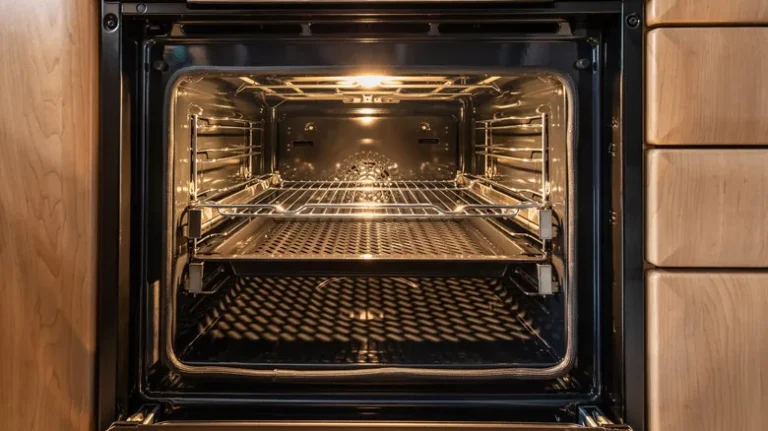
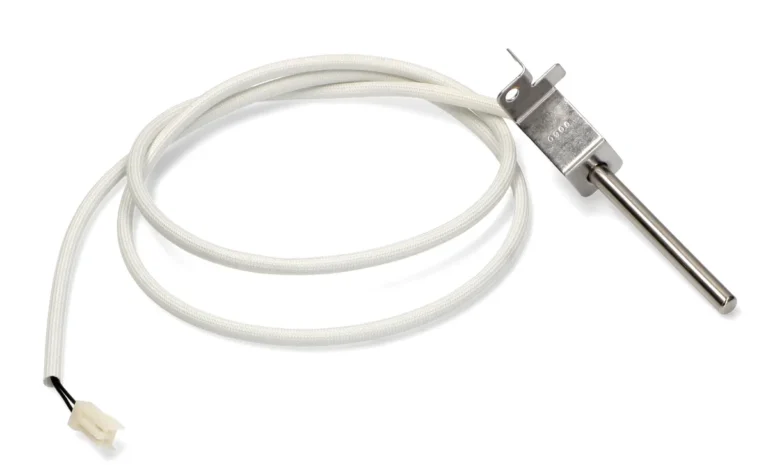
Manufacturer specifications from oven thermometers and probe devices also show that oven temperatures vary by as much as 25°F from the dial setting. A 400°F oven might be running at 375°F or 425°F. That margin changes your cook time by several minutes.
Without a thermometer, you're flying blind.
Quick Answer (With a Catch): It Depends on Thickness
Here's the short version. For fresh or fully thawed tilapia fillets that are 1/2 to 3/4 inch thick, bake at 400°F for 10 to 15 minutes. For thicker fillets (3/4 to 1 inch), go 15 to 20 minutes.
For frozen fillets of similar thickness, add 5 to 8 minutes to those ranges.
But that's a starting point, not a guarantee. The catch is that you can't rely on time alone. The US Department of Agriculture sets the safe minimum internal temperature for fish at 145°F.
The only way to know you've reached it is to check with a thermometer.
Our research across cooking forums and recipe collections shows that even within a single batch, fillet thickness varies. A 4-ounce fillet from the same package can be half an inch thick in one piece and three-quarters of an inch in another. If you cook them side by side, the thinner one will finish earlier.
So here's the practical workflow:
- Measure the thickest part of each fillet.
- Cook at 400°F for 12 minutes for a baseline.
- Check the temperature at the thickest point.
- Add 2-minute increments until you hit 145°F.
This approach removes the guesswork. You get perfectly cooked fish every time, no matter what shape or size your fillets happen to be.
The Biggest Variable: Fillet Thickness (Not Cooking Time)
Thickness is the single most important factor in determining cook time. A thin fillet cooks fast. A thick one takes longer.
And because tilapia fillets taper from a thin tail to a thicker center, each piece has variation within itself.
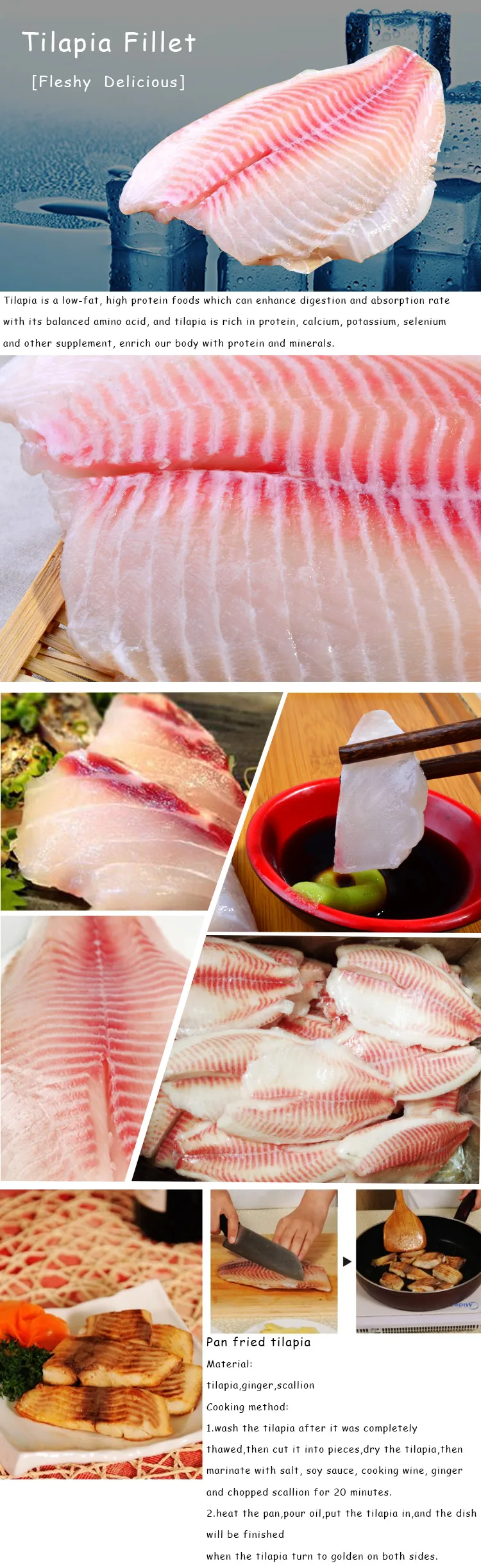
Image source: Bing (Web (fair-use with source credit))
Here's a practical breakdown based on thickness at the thickest part:
- Less than 1/2 inch: These cook in 8 to 10 minutes at 400°F. Check after 8 minutes.
- 1/2 to 3/4 inch: The most common range. Cook 10 to 15 minutes at 400°F.
- 3/4 to 1 inch: Allow 15 to 20 minutes at 400°F.
- Over 1 inch: You're looking at 20 to 25 minutes. Consider butterflying the fillet to speed things up.
Notice the pattern. For every 1/4 inch increase in thickness, you add roughly 3 to 5 minutes to the cook time. That's a useful rule of thumb when you're estimating.
If you have a mix of thicknesses in one batch, here's what to do. Place thicker fillets in the center of the dish (hotter spot in most ovens) and thinner ones toward the edges. Or cook them in separate batches.
Trying to time one dish for two different thicknesses forces you to compromise, and one fillet will suffer.
Also worth noting: the thin tail section will always dry out first. If you see the tail browning or starting to pull apart while the center is still opaque, you can tent a small piece of foil over the tail to slow its cooking. That gives the thicker part time to catch up.
The Second Variable: Fresh vs. Frozen
Frozen tilapia changes the math entirely. A frozen fillet needs significantly more time because the ice inside must thaw and then heat up to cooking temperature. The difference can be 5 to 8 extra minutes at the same oven temperature.
Here's the timing for frozen fillets at 400°F:
- 1/2 to 3/4 inch thick frozen: Cook 18 to 22 minutes.
- 3/4 to 1 inch thick frozen: Cook 22 to 28 minutes.
- Partially thawed (still icy in center): Treat as frozen, not fresh.
The safest approach is to thaw frozen tilapia before baking. Thaw in the refrigerator overnight (12 to 24 hours) or use the cold water method (sealed bag submerged in cold water, changing water every 30 minutes, for about an hour per pound). Never thaw at room temperature.
The FDA warns that leaving fish out for more than 2 hours can allow harmful bacteria to multiply.
If you're short on time and must bake from frozen, don't season before baking. The frozen surface won't hold the seasoning. Instead, bake the fillets for the first 10 minutes uncovered, then pull them out, season, and return to the oven for the remaining time.
This gives the surface a chance to thaw and accept the spices.
One more thing: frozen fillets often release more moisture as they cook. You'll notice a pool of liquid in the baking dish. That's normal.
Drain it off halfway through cooking if you want a firmer texture, or keep it for a light sauce. Just know that the extra moisture will slow the cooking slightly, which is factored into the longer time.
The Third Variable: Oven Temperature (And Why 400°F Wins)
Oven temperature is the lever you can pull to speed up or slow down cooking. Higher temperatures cook faster but increase the risk of drying the exterior before the center reaches 145°F. Lower temperatures cook more gently but take longer and can leave the fish steaming rather than baking.
After reviewing multiple cooking guides and user reports, 400°F is the sweet spot. It's hot enough to develop a light golden crust in 10 to 15 minutes, but not so hot that thin fillets turn to jerky. Most recipes land here for good reason.
Here's how different temperatures affect timing for a 1/2-inch fresh fillet:
| Oven Temperature | Cook Time (approx.) | Result |
|---|---|---|
| 350°F | 15 to 20 minutes | Gentle, moist, no browning |
| 400°F | 10 to 15 minutes | Balanced, light golden edges |
| 425°F | 8 to 12 minutes | Faster, browning risk on thin edges |
| 450°F | 6 to 10 minutes | High risk of drying, only for thick fillets |
Use this if/then logic. If you're cooking very thin fillets (under 1/2 inch), drop the temperature to 375°F and add a few minutes. The lower heat gives you more margin.
If you're cooking thick fillets (over 3/4 inch), 425°F works fine because the extra density protects against drying.
Always preheat the oven fully. An oven that's still heating up will undercook the fish and throw off your timing. Most ovens beep when they reach temperature, but the air inside may not be stable yet.
Give it an extra 5 minutes after the beep before putting the fish in.
If your oven runs hot (common in older models), reduce the temperature by 25°F from what the recipe says. If it runs cool, increase by 25°F. An oven thermometer costs under $10 and gives you an accurate read.
Our research found that aggregate oven accuracy data from consumer tests shows a wide variance. Relying on the dial alone is risky.