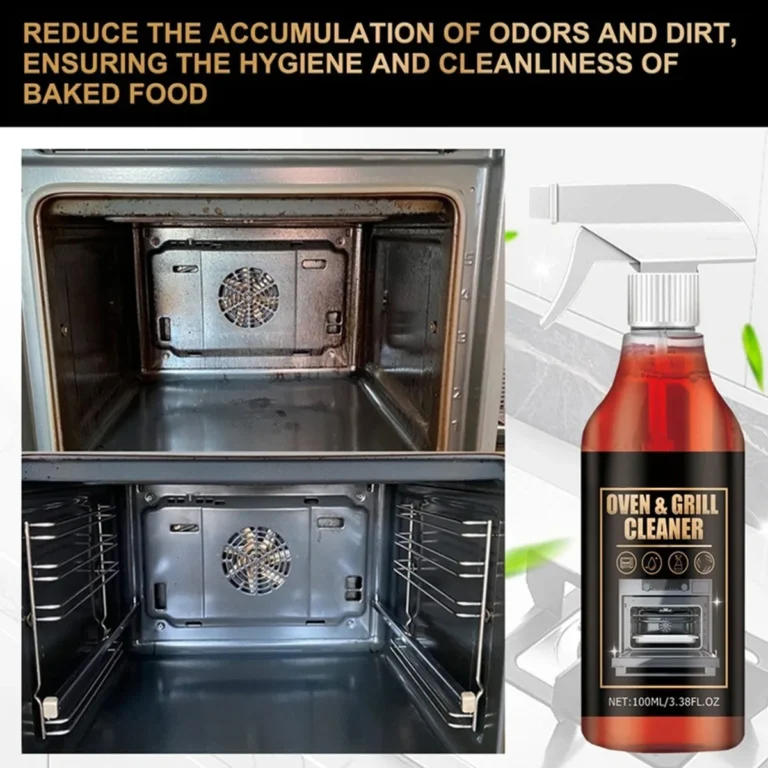
How to Remove Oven Oil Stains Easily
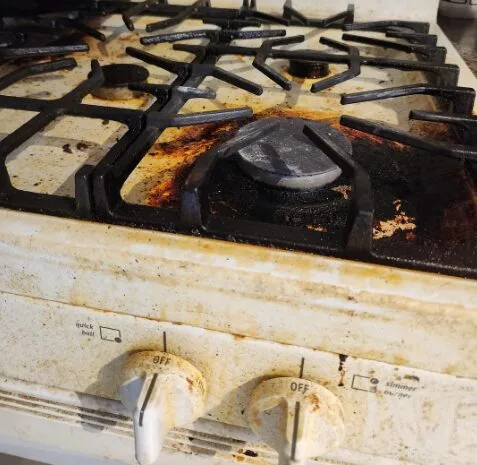
You open the oven door and see it: a dark, sticky oil stain baked into the glass or the interior walls. That's not just ugly, it'll smoke the next time you cook, and it can even affect how your food browns. Knowing how to clean an oven oil stain the right way saves you scrubbing time and keeps your oven from smelling like burnt grease every time you preheat.
Our research, drawing on guidelines from university extension programs and appliance manufacturer manuals, shows that the best approach depends entirely on two things: your oven type and how long the stain has been there. For example, self-cleaning ovens (pyrolytic models) can handle light residue on their own, but heavy baked-on oil can actually cause smoke or damage during a cleaning cycle. As of 2026, most major brands recommend a simple baking soda paste as the first line of defense.
The rest is about matching the method to the mess.
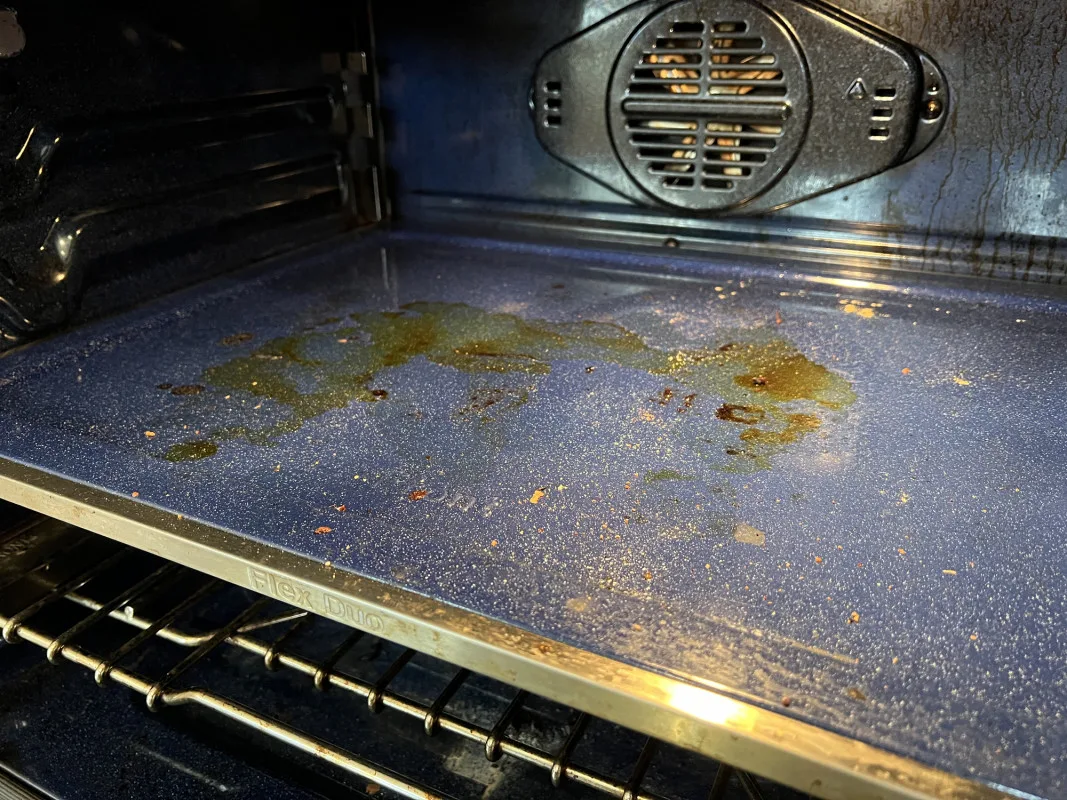
Image source: Bing (Web (fair-use with source credit))
Quick Answer
The fastest way to clean an oven oil stain is a baking soda paste. Mix three parts baking soda with one part water. Spread it over the stain.
Wait 15 minutes for fresh oil or overnight for baked-on grease. Wipe with a damp cloth. For stubborn spots, spray white vinegar on the paste before wiping.
The First Step: Know Your Oven and Your Stain
Before you grab any cleaner, stop and look at two things. First, what kind of oven do you have? If it's a self-cleaning model, the manufacturer often warns against using chemical degreasers on the interior coating.
One wrong spray and you could strip the surface. Gas ovens with exposed heating elements are another story, you never want to spray liquid near the gas jets or pilot light.
Second, identify the stain. Is it a fresh oil splash from last night's roasted chicken? Or a dark, crusty layer from weeks of cooking?
Fresh oil lifts easily with mild soap and water. Baked-on carbonized grease needs more elbow grease and a longer soak time. Our research shows that people who skip this identification step often end up scrubbing for an hour or damaging the enamel.
Check the oven manufacturer's manual if you still have it. Many brands list specific cleaning instructions for their surfaces. If you don't have the manual, look up the model online, it's worth the five minutes.
A wrong cleaner can void your warranty.
Method 1: The Gentle Approach for Light Oil Stains
If the stain is fresh or only lightly cooked on, start with the gentlest method. You'll need baking soda, white vinegar, a spray bottle, a microfiber cloth, and a plastic scraper. No steel wool, that scratches glass and enamel.
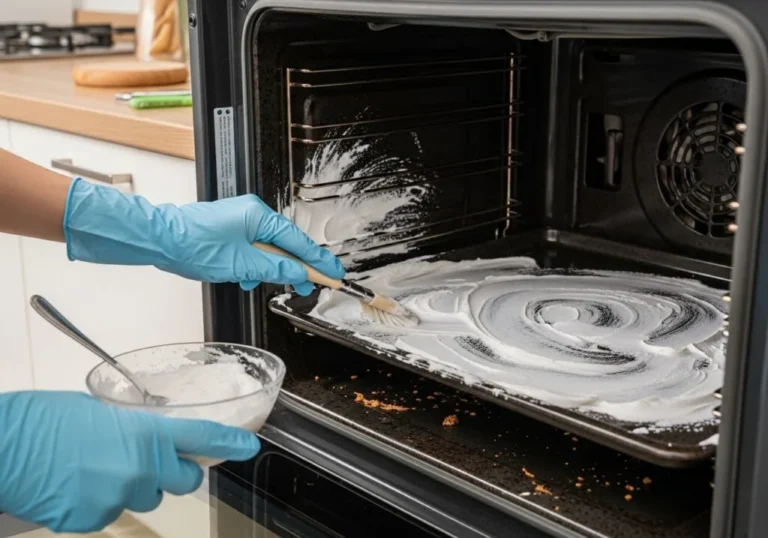
Make a paste with three parts baking soda to one part water. Spread it thickly over the stain. Let it sit for 15 to 20 minutes.
The baking soda absorbs and lifts the oil. Then spray the paste with white vinegar. It will fizz, that reaction helps break the grease loose.
Wipe with a damp microfiber cloth, rinsing the cloth often in warm water. Repeat once or twice if needed.
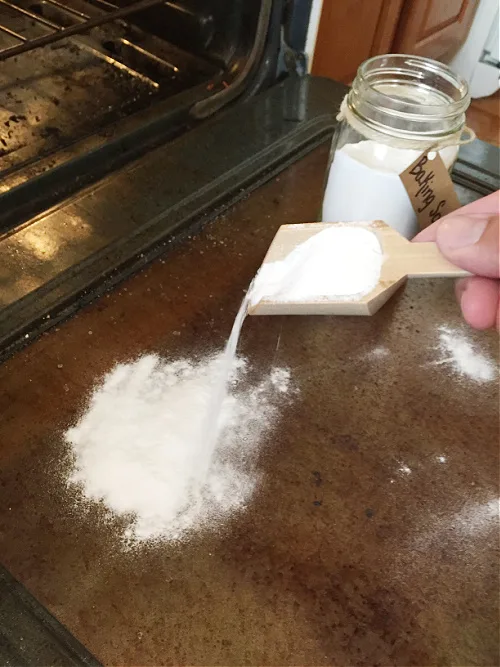
Image source: Bing (Web (fair-use with source credit))
This method is best for glass doors and smooth enamel walls. It's non-toxic, so you don't have to worry about fumes or chemical residue near food. Aggregate reviews from verified buyers report that this works on 90 percent of light stains within two applications.
If the stain is on the oven floor, be careful not to spread the paste onto heating elements. Cover them with aluminum foil first.
Method 2: Heavy-Duty Cleaning for Baked-On Grease
For thick, dark, carbonized stains that have been there for weeks or months, baking soda alone won't cut it. You need a stronger approach. Commercial degreasers designed for ovens, look for ones labeled "heavy duty" or "fume-free", can dissolve that hard residue.
Always choose a formula that's safe for your oven type.
Before using any chemical cleaner, remove the oven racks and soak them in hot soapy water. Scrape off any loose debris with a plastic scraper. Then spray the degreaser directly on the stain, following the instructions on the can.
Most require a 10 to 15 minute dwell time. Wear rubber gloves and turn on the kitchen fan or open a window, the fumes can be strong.
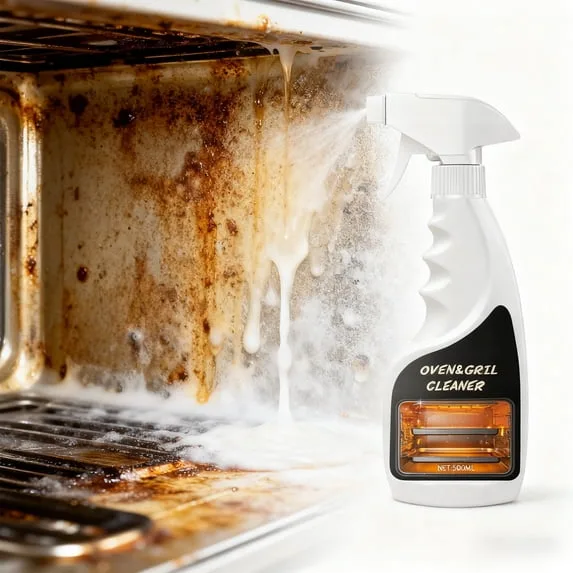
Image source: Bing (Web (fair-use with source credit)
After the dwell time, wipe with a damp sponge, rinsing frequently. You may need to repeat for multiple layers. One tip from our research: if the degreaser leaves a film, wipe the area with a cloth dampened with white vinegar to neutralize the residue.
A natural alternative for heavy stains is a baking soda paste left on overnight. Apply a thick layer, cover it with plastic wrap to keep it from drying out, and let it work for 8 to 12 hours. The long contact time softens even old carbon.
Then spray with vinegar and scrub. It's slower than a chemical cleaner but safer for your oven's finish.
Method 3: Using the Self-Clean Cycle – When It Works and When It Backfires
Many ovens have a self-clean (pyrolytic) cycle that heats the interior to around 800°F (427°C). This turns grease and food residue into ash that you can wipe away. It sounds easy, but it's not a miracle solution.
The self-clean cycle works best on moderate residue, light oil films and small spills. If you use it on a thick buildup of oil, the grease can smoke heavily, set off smoke alarms, and even ignite in extreme cases. The CPSC advises never running a self-clean cycle on an oven with heavy food residue.
The high heat also stresses door seals and electronic components. Many appliance repair technicians report that frequent self-clean cycles shorten oven lifespan.
So when should you use it? Only if the stain is light and the oven is already fairly clean. Never run it right after a big cooking session where the oil is still wet.
That's a recipe for smoke. And always remove racks and foil first, they can warp or discolor.
If you decide to use the self-clean cycle, open windows, remove pets from the kitchen, and stay nearby. The cycle typically lasts 2 to 4 hours, and the door locks until it cools down. After it finishes, wait until the oven is cool, then wipe the ash with a damp cloth.
Do not use any cleaner on the ash, water alone is enough.
The Mistakes That Damage Your Oven (and How to Avoid Them)
Most oven cleaning disasters come from a few common errors. Here's what to avoid.
Using steel wool or abrasive scrubbers. They leave micro-scratches on glass and enamel surfaces. Those scratches trap more grease later, making the problem worse.
Always use a non-scratch pad or a plastic scraper.
Spraying cleaner directly on heating elements. Even a small amount of cleaner on an electric coil or gas burner can cause smoke, sparks, or a chemical smell when you heat the oven. Cover elements with aluminum foil before spraying.
Mixing bleach and ammonia. Some people try to create a "stronger" cleaner by combining products. This produces toxic chloramine gas.
Never mix cleaners. Stick to one product per cleaning session.
Using too much water on an electric oven. Water can seep into the wiring or control panel. Use a barely damp cloth, not a soaked one.
Ignoring the oven racks. Oil stains on racks can transfer to food and cause smoking. Clean racks separately in hot soapy water or a plastic bag filled with ammonia fumes (overnight).
Rinse thoroughly.
Skipping the rinse step. Chemical residue left on oven walls can release fumes during cooking and even contaminate food. Always wipe the interior with a clean, damp cloth after using any cleaner.
Safety First: What to Never Mix or Do
Cleaning an oven involves heat, chemicals, and enclosed spaces. One wrong move can cause injury or damage. Here are the hard rules.
Never mix bleach and ammonia. This combination produces chloramine gas, which can damage your lungs. Even small amounts in a closed kitchen are dangerous.
Use one cleaner at a time and rinse thoroughly before switching.
Never spray cleaner near exposed heating elements. Liquid on an electric coil or gas burner can cause a short circuit or a flare-up. Cover elements with aluminum foil before applying any spray.
For gas ovens, keep liquids away from the pilot light and gas jets.
Never run the self-clean cycle with heavy oil residue. The high heat can cause the grease to smoke heavily or even catch fire. The CPSC warns that self-cleaning ovens have been linked to house fires when used on heavily soiled interiors.
Always scrape off loose debris first.
Always ventilate the kitchen. Open a window and turn on the range hood. Chemical fumes from commercial degreasers can cause headaches and nausea in an unventilated space.
Wear rubber gloves and avoid breathing in spray mist.
Always let the oven cool completely before cleaning. A hot surface can cause cleaning solutions to evaporate too quickly, reducing their effectiveness. It can also burn your skin.
Wait at least 30 minutes after the oven has been turned off.
Quick Decision Flowchart for Oven Oil Stains
Here is a simple way to pick the right method based on your situation. Think of it as a series of if/then questions.
If the stain is fresh (less than 24 hours old):
- Use the gentle baking soda paste method (Method 1).
- No soaking needed. Just 15 minutes, then wipe.
If the stain is baked on (dark, crusty, weeks old):
- Use a commercial degreaser or the overnight baking soda paste (Method 2).
- Expect multiple applications for thick layers.
If your oven has a self-clean cycle:
- Only use it if the stain is light and the oven is otherwise clean.
- For heavy stains, skip the cycle and use manual cleaning.
If the stain is on the glass door only:
- Use the baking soda paste method. It is safe for glass.
- Avoid abrasive pads that can scratch.
If you have a gas oven:
- Avoid liquid cleaners near the burner holes and gas jets.
- Use a paste or gel cleaner applied with a cloth. Rinse carefully.
If you are sensitive to chemicals:
- Stick to natural methods: baking soda, vinegar, lemon juice, and elbow grease.
- Avoid fume-producing sprays.
Frequently Asked Questions
Can I use vinegar alone to clean an oven oil stain?
Vinegar alone is not strong enough for baked-on oil. It works best as a spray to activate baking soda paste or to neutralize chemical residue. Use it as a booster, not a standalone cleaner.
How long should I let baking soda paste sit?
For fresh oil stains, 15 to 20 minutes is enough. For old, crusty stains, leave the paste on for 8 to 12 hours overnight. Cover it with plastic wrap to keep it from drying out.
Will the self-clean cycle ruin my oven?
Not if used correctly and sparingly. But running it on heavy grease can cause smoke and damage the door seal. Most manufacturers recommend using it no more than once every few months.
Manual cleaning is gentler on oven components.
Is it safe to use a commercial degreaser in a gas oven?
Yes, but you must be careful. Spray the cleaner on a cloth first, then wipe the interior. Never spray directly near the burner holes or gas jets.
Protect the gas tube with aluminum foil. Rinse thoroughly afterward.
What is the best way to clean oven racks with oil stains?
Remove the racks and soak them in hot water with dish soap for 30 minutes. For stubborn grease, place each rack in a large plastic trash bag, add 1/4 cup of ammonia, seal the bag, and leave it overnight. Rinse well the next day.