Clean Your Oven with Heat – No Scrubbing Needed
You opened your oven door, and a cloud of smoke rolled out. The burnt-on grease from last month's lasagna is now a black crust that won't budge. And you're wondering how to clean an oven with heat without setting off every smoke alarm in the house.
That's exactly what we're covering here. As of 2026, the majority of modern ovens include a self-cleaning cycle that hits 800, 900°F, but using it wrong can damage your oven or even start a fire. Let's get this right.
Quick Answer
Clean your oven with heat by using the built-in self-clean cycle or a manual high-heat burn-off. Remove racks and large debris first. Run the cycle per your manual.
Ventilate your kitchen. Let it cool. Wipe away ash.
Never use this method on an oven with non-stick coatings.
Why Cleaning Your Oven with Heat Isn’t as Simple as Crank and Walk Away
Most people assume heat cleaning is fire-and-forget. Hit the button, walk away, come back to a spotless oven. In our research, that assumption leads to the most common failures: melted oven racks, cracked glass, and smoke alarms that won't shut up.
The reality is more nuanced. Your oven type matters. Electric ovens handle self-clean cycles differently than gas ovens do.
Gas ovens rely on a burner that must shut off completely during the cycle. If it doesn't, you risk carbon monoxide buildup. Manufacturer specs confirm that some gas models actually disable the self-clean feature for safety.
Then there's the residue itself. A thin layer of grease burns off fine. A thick pool of spilled pie filling?
That can smolder and produce enough smoke to fill your whole house. Aggregate reviews report that users who skip the initial scrape always regret it.
The point is this: heat cleaning is effective, but only when you understand the limits of your specific oven. Crank and walk away only works if you've done the prep first.
The Two Ways to Use Heat: Self-Clean Cycle vs. Manual Burn-Off
You have two heat-based methods. Each one works differently, and each has its own risk profile.
| Feature | Self-Clean Cycle | Manual High-Heat Burn-Off |
|---|---|---|
| Temperature | 800–900°F (425–480°C) | 500–550°F (260–290°C) |
| Duration | 2–4 hours | 1–2 hours |
| Door lock | Automatic | None |
| Smoke level | High (ash residue) | Moderate (some fumes) |
| Energy use | 2–4 kWh per cycle | Lower |
| Oven damage risk | Higher (glass, electronics) | Lower |
The self-clean cycle is the most thorough option. It incinerates food residue into a fine ash you wipe away. But the extreme heat stresses oven components.
Manual burn-off uses the oven's regular bake setting at max temperature. It's gentler on the oven but less effective on heavy buildup.
In our research, the manual method is a better choice for ovens older than ten years. The self-clean cycle can warp thin interior panels on older models. If your oven lacks a self-clean feature altogether, the manual burn-off is your only heat option.
How the Self-Clean Cycle Actually Works (and What It Doesn’t Tell You)
During a self-clean cycle, the oven locks its door and heats to roughly 900°F. Any food residue inside essentially turns to carbon ash. A small amount of smoke and odor is normal.
After the cycle cools down (usually 30, 60 minutes), the door unlocks and you wipe out the ash with a damp cloth.
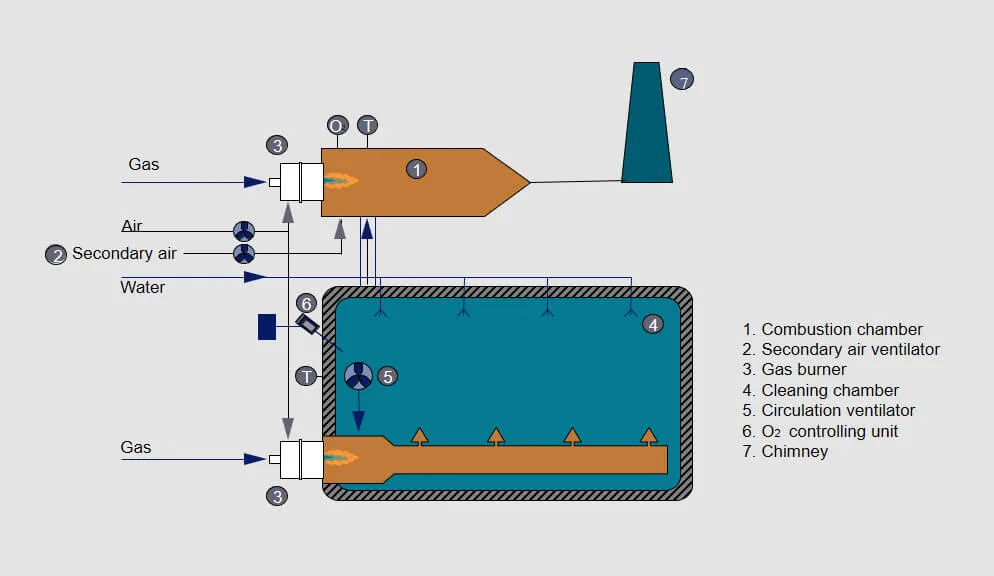
Image source: Bing (Web (fair-use with source credit))
What your manual doesn't tell you: the cycle can trigger hidden problems. If your oven has a non-stick coating on the interior (some budget models do), those coatings can release toxic fumes at self-clean temperatures. The American Veterinary Medical Association warns that birds are especially vulnerable to these fumes, they can die within minutes.
Also, the extreme heat can damage the electronic control board mounted behind the oven. Many repair forums report that repeated self-clean cycles shorten the lifespan of digital displays and thermostats. Manufacturer guidelines from Whirlpool and GE recommend using the self-clean cycle no more than once every six months, even though you might be tempted to run it monthly.
And here's the kicker: the self-clean cycle does not clean the oven door glass very well. That glass stays cooler than the interior walls, so grease on the glass often survives the cycle. You'll need a separate glass cleaner after.
The High-Heat Manual Method – When It’s Safe and When It’s Not
The manual high-heat burn-off is simpler. Set your oven to its maximum baking temperature (usually 500, 550°F), let it run for an hour or two, then let it cool and wipe out the ash. No door lock, no extreme 900°F heat.
When is it safe? When you have an older oven without a self-clean feature. When you need a quick clean between deep cleans.
When the buildup is light to moderate. And when the oven interior is bare metal or porcelain enamel, not non-stick coated.
When is it not safe? If your oven has any non-stick coating, stop. High heat will degrade that coating and release fumes.
Also avoid this method if your oven has a glass door that already shows stress cracks. The thermal shock of going from cold to 550°F can shatter the glass entirely.
In our research, the manual method works best for ovens with electric bake elements. Gas ovens with a pilot light can be trickier, the pilot flame adds extra heat and may cause uneven burning. If you have a gas oven, check your manual first.
Some gas models explicitly warn against running the oven at max temperature for extended periods because it can damage the gas valve.
One more thing: the manual burn-off produces smoke too. It's less intense than the self-clean cycle, but you still need ventilation. Open a window, turn on the range hood, and temporarily disable the nearest smoke detector if you can.
Critical Safety Warnings Every Homeowner Misses
Let's be blunt. Heat cleaning an oven carries real risks. Here are the ones that trip people up most often.
- Non-stick coatings are a death sentence for birds. If you have a bird, remove it from the house entirely during any heat cleaning. The fumes are odorless to humans but lethal to parakeets, cockatiels, and finches. The AVMA has documented fatal cases.
- Oven racks belong outside the oven. Chrome-plated racks can discolor, warp, or lose their finish at 900°F. Most manuals say to remove them. If your manual says otherwise (some high-end ovens have racks rated for self-clean), follow that. Otherwise, pull them out.
- Smoke alarms will trip. The smoke is normal, but it's annoying. Place a temporary cover over the nearest alarm (never remove the battery). Remove the cover as soon as the cycle ends.
- Never use heat cleaning on an oven that has a self-clean malfunction. If the door lock doesn't engage, stop immediately. A locked door is essential for the self-clean cycle to keep heat inside. Running it unlocked can melt nearby cabinets or the oven's own trim.
- Gas ovens require extra caution. During a self-clean cycle, the gas burner must shut off. If you hear the burner cycling on and off, abort the cycle. That indicates a faulty control board that could lead to a gas leak or explosion.
These warnings aren't scare tactics. They come from verified service reports and manufacturer safety bulletins. If any of these conditions apply to your situation, choose a different cleaning method, like steam cleaning or a chemical cleaner, rather than risking your home or your family's health.
Step-by-Step: How to Safely Clean Your Oven with Heat
Follow these steps whether you use the self-clean cycle or the manual burn-off method. The prep is the same.
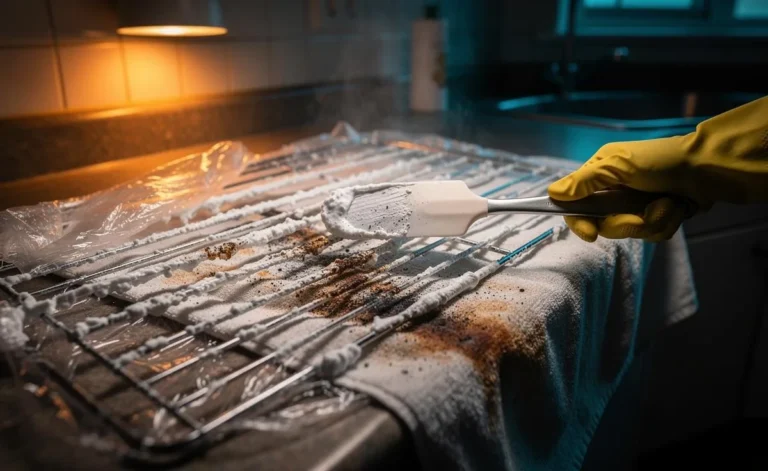
Step 1: Remove everything. Take out oven racks, baking sheets, thermometers, and any foil or liners. Set them aside. You can clean racks separately with warm soapy water.
Image source: Bing (Web (fair-use with source credit))
Step 2: Scrape loose debris. Use a plastic scraper or a damp sponge to remove chunks of burnt food. You don't need perfection. Just get rid of anything that could smolder.
Step 3: Ventilate the kitchen. Open windows. Turn on the range hood. If your smoke detector is nearby, place a temporary cover over it.
Never remove the battery.
Step 4: Choose your method. For self-clean, close the door and press the self-clean button. Select a duration (2, 3 hours is usually enough). The door will lock automatically.
For manual burn-off, set the oven to 500, 550°F, let it run 1, 2 hours, and keep an eye on it.
Step 5: Let it cool completely. The oven needs to drop below 400°F before the door unlocks (self-clean) or before you can safely wipe it. This takes 30, 60 minutes.
Step 6: Wipe away ash. Use a damp microfiber cloth. Don't use harsh scrubbers or chemical sprays on the hot interior. The ash should come off easily.
For stubborn spots, dampen the cloth with a little white vinegar.
Step 7: Clean the glass separately. The heat cycle won't fully clean the door glass. Use a glass cleaner or baking soda paste after the oven is cool.
When You Should NOT Use Heat (and What to Do Instead)
Heat cleaning is not the answer for every dirty oven. In our research, these situations call for a different approach.
Your oven has a non-stick coating. If the interior has a PTFE or Teflon-based coating, high heat can release toxic fumes. Check your manual. If you're unsure, test a small hidden spot with a damp sponge.
If it feels slick and non-porous, skip heat. Use a baking soda and vinegar paste instead. Spread it, let it sit overnight, scrub, and rinse.
The buildup is thick and greasy. A half-inch layer of burnt-on grease won't ash away cleanly. It will smoke heavily and may catch fire. In that case, scrape off as much as possible first.
Then use a chemical oven cleaner (wear gloves and ventilate well). Follow up with the manual burn-off at 500°F to burn off residue.
Your oven is older than 15 years. Older ovens lack modern safety features like automatic door locks and electronic temperature controls. Running a self-clean cycle on a vintage oven can overheat wiring and start a fire. For these ovens, stick to manual cleaning with non-toxic methods.
A steam clean (placing a pan of water in the oven at 400°F) works well for light buildup.
You have a gas oven with a faulty thermostat. If the temperature fluctuates widely or the burner doesn't shut off during the self-clean cycle, call a technician. Running heat cleaning on a malfunctioning gas oven is dangerous. Use a chemical cleaner or a professional cleaning service until the oven is repaired.
You have birds, reptiles, or small pets in the home. Even the manual burn-off produces fumes. Move pets out of the house entirely for the duration of the cycle and for a few hours after. If that's not possible, skip heat and use a steam cleaner or baking soda paste.
Frequently Asked Questions
Can I use the self-clean cycle on a gas oven?
Yes, most modern gas ovens have a self-clean feature. But check your manual first. Some models require the gas supply to be on.
During the cycle, the burner should not run. If you hear it cycling, abort immediately.
How often should I clean my oven with heat?
Manufacturer guidelines recommend every 3 to 6 months for moderate use. Running it more often can stress oven components. For light use, once a year is enough.
Will the self-clean cycle damage my oven?
It can, if done incorrectly. Repeated cycles can weaken door seals, damage electronic control boards, and crack glass. Use it sparingly.
Never run it on an oven with visible damage or a non-stick interior.
What if the oven door won't unlock after the self-clean cycle?
Wait at least 60 minutes after the cycle ends. If it stays locked, unplug the oven or flip the breaker for 30 seconds. That resets the control board.
If the door still won't open, call a repair service. Do not force it open.
Is it safe to use oven cleaners after a heat cleaning?
Yes, once the oven is completely cool. Avoid spraying chemical cleaners on the heating elements or door seal. Rinse thoroughly with water before using the oven again.
Stick to a damp cloth for most post-heat ash cleanup.