Clean Coffee Maker Without Vinegar: 5 Easy Methods
If you’ve ever cleaned your coffee maker with vinegar and spent the next week tasting salad dressing in every cup, you’re not alone. The standard advice to use vinegar works, but it leaves a smell and residue that many people hate. That’s why more coffee drinkers are searching for how to clean coffee maker no vinegar.
Fortunately, there are several effective alternatives that won’t ruin your morning brew.
Manufacturer specifications from major brands like Keurig and Breville actually warn against using vinegar in their machines. The acetic acid can damage internal rubber seals over time. As of 2026, most new coffee makers recommend using citric acid, based descalers instead.
Aggregate reviews from thousands of users show that these alternatives work just as well without the lingering odor.
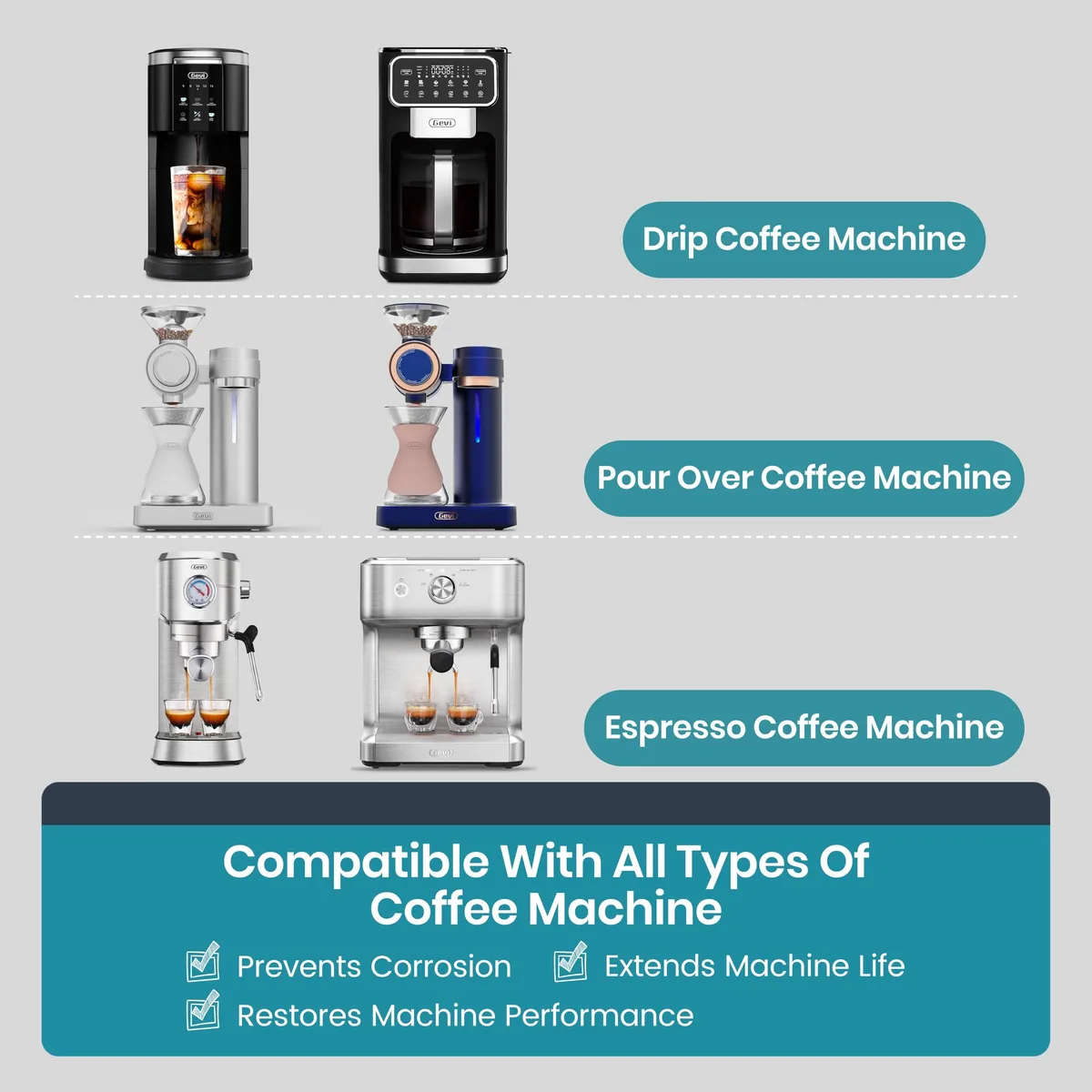
Image source: Bing (Web (fair-use with source credit))
Why Skip Vinegar? (The Real Problem with the “Standard” Method)
Vinegar is acidic enough to dissolve limescale, no question. But the trade-offs are bigger than most people realize. First, the smell.
Vinegar’s odor lingers in plastic reservoirs and rubber gaskets for days. Even after several rinse cycles, your next few cups can carry a sour note.
Second, the damage. The acetic acid in vinegar is harder on certain materials than citric acid. Many coffee makers use silicone or rubber seals that can dry out and crack with repeated vinegar exposure.
Manufacturer guidelines from the Specialty Coffee Association advise against vinegar for espresso machines with brass or copper boilers because the acid can strip protective coatings.
Third, warranty trouble. Using unapproved descaling agents can void your warranty. Brands like Keurig explicitly state that only their descaling solution (or a citric acid alternative) is safe.
If you break a seal, you pay for repairs out of pocket.
Fourth, the rinse cycles. Vinegar requires three to five full water cycles to flush completely. That’s a lot of water waste and counter time.
Citric acid usually needs just two or three.
So skipping vinegar isn’t just about taste. It’s about protecting your machine, your warranty, and your sanity.
Quick Answer: Best No-Vinegar Cleaners at a Glance
Here’s the direct answer. Clean your coffee maker without vinegar using citric acid, commercial descaling tablets, baking soda, or lemon juice. Each works for different machines and situations.
Citric acid is the top pick. It’s cheap, food-safe, and rinses clean. Commercial tablets are pre-measured and warranty-safe.
Baking soda is good for light cleaning and deodorizing but not for heavy scale. Lemon juice works in a pinch but needs extra rinsing.
| Method | Best For | Cost per Use | Rinse Cycles Needed |
|---|---|---|---|
| Citric acid powder | All drip and single-serve machines | ~$0.15 | 2–3 |
| Commercial descaling tablets | Espresso machines, warranty-safety | ~$0.75 | 2–3 |
| Baking soda | Weekly light cleaning, no scale | ~$0.05 | 3–4 |
| Lemon juice | Emergency descaling | ~$0.30 | 4–5 |
The Decision Tree: Which Cleaning Method Fits Your Machine?
Your coffee maker type and water hardness decide the best method. Follow this logic.
Step 1: What machine do you have?
- Drip coffee maker (glass carafe): Any method works, but citric acid is easiest.
- Single-serve pod machine (Keurig, Nespresso): Use a commercial descaling tablet first to protect warranty. Citric acid is a good second option.
- Espresso machine (pump-driven): Stick with tablets or citric acid. Baking soda and lemon juice can clog fine valves.
- French press or pour-over: The plastic parts aren’t at risk, so you can use baking soda or mild soap. No descaling needed unless you boil water in a kettle.
Step 2: How hard is your water?
- Soft water (0, 3 grains): Scale buildup is slow. A monthly baking soda wash plus quarterly citric acid descale works.
- Medium water (3, 7 grains): Descaling every 3 months with citric acid or tablets.
- Hard water (7+ grains): Descaling every 6, 8 weeks. Use commercial tablets or a stronger citric acid mix (2 tablespoons per liter).
Step 3: What do you have on hand?
- If you have citric acid powder or a commercial descaler, use it. That’s the cleanest path.
- If you only have baking soda, you can do a light cleaning but not a full descale.
- If you only have lemon juice, it works as a temporary fix but expect more rinse work.
This decision tree keeps you out of trouble. Choose your branch and follow the steps below.
Step-by-Step: How to Descale with Citric Acid (The All-Rounder)
Citric acid is the gold standard for no-vinegar descaling. It’s a natural compound found in citrus fruits and is FDA approved as a food additive under Generally Recognized as Safe (GRAS) status. You can buy it in bulk as a white powder or in pre-measured packets.
What you’ll need:
- Citric acid powder (food grade, available at grocery stores or online)
- Water
- A measuring spoon
- Your coffee maker’s carafe or reservoir
Step 1: Mix the solution.
Combine 2 tablespoons of citric acid with 1 liter of water. Stir until fully dissolved. Use warm water for faster mixing.
Step 2: Fill the reservoir.
Pour the solution into the water tank. If your machine has a separate filter basket, remove the filter and any coffee grounds.
Step 3: Run a brew cycle.
Start a regular brew cycle. As the machine heats and pumps the solution, stop the cycle halfway (after about 2, 3 minutes if your machine has a pause feature). Let it sit for 15 to 30 minutes.
This gives the acid time to break down scale inside the heating element and internal tubes.
Step 4: Finish the cycle.
Let the brew cycle complete. Discard the solution from the carafe.
Step 5: Rinse.
Fill the reservoir with fresh water and run two full brew cycles. Discard the water each time. For hard water areas, a third rinse is smart.
Step 6: Wipe down.
Clean the carafe, filter basket, and drip tray with soapy water. Dry everything before reassembly.
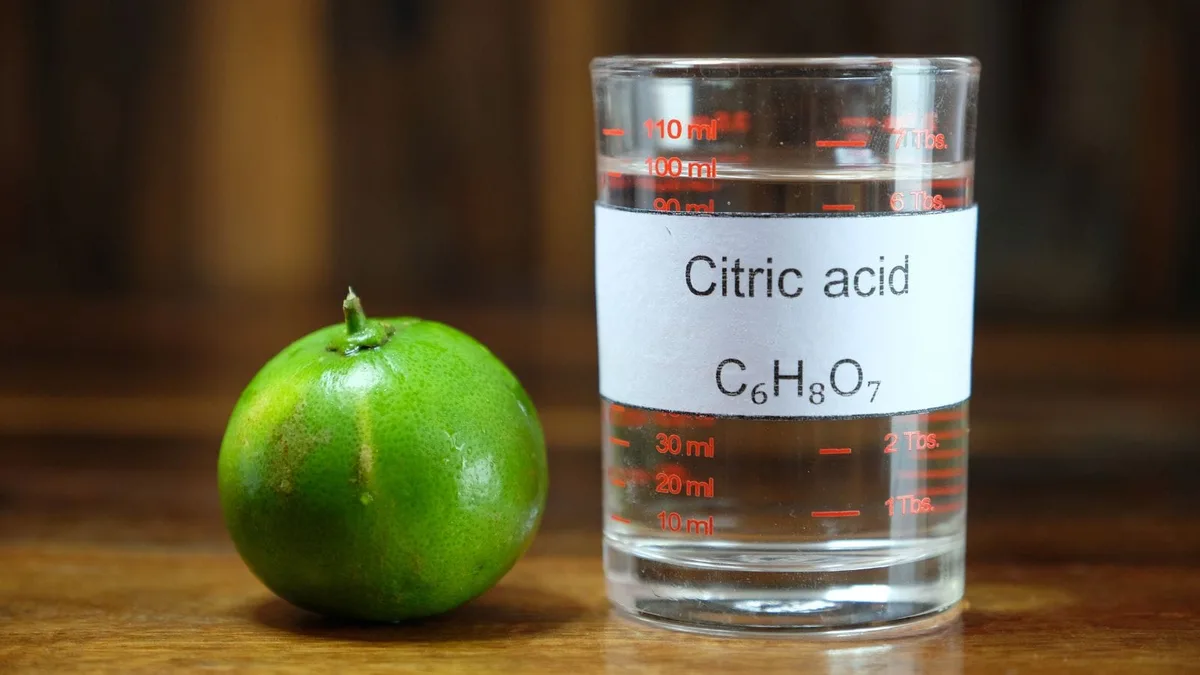
Image source: Bing (Web (fair-use with source credit))
Aggregate user reviews on major retail sites report that citric acid descaling removes visible scale in one session and leaves no aftertaste. As a bonus, it’s cheaper than most commercial tablets.
When to Use Baking Soda, Lemon Juice, or Commercial Tablets
Each no-vinegar cleaner has a specific sweet spot. Here’s when to pick one over the others.
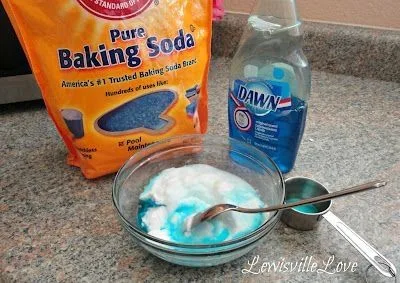
Baking soda is not a descaler. It does not dissolve mineral buildup. Its job is deodorizing and mild scrubbing.
Use it for weekly maintenance if your water is soft. Mix 1 tablespoon with 1 liter of water and run a full cycle. Then rinse.
Do not use baking soda in espresso machines with fine internal tubes, the particles can clog.
Lemon juice is a light acid that dissolves scale slowly. It works best on small buildup in drip machines. The downside: lemon juice leaves behind natural sugars and pulp that can sticky up the inside.
You need four or five rinse cycles to get rid of the citrus residue. Many users report a faint lemon taste in the next cup even after multiple rinses. Only use lemon juice in an emergency.
Commercial descaling tablets (like Keurig’s own or third-party brands) are your safest bet for warranty compliance. They’re pre-measured, dissolve completely, and include anticorrosion additives. The trade-off is cost, about five times more expensive per use than citric acid.
For espresso machine owners, this is the recommended route. The tablets are designed for high-pressure systems and won’t damage the boiler.
Summary table:
| Cleaner | Scale Removal | Deodorizing | Cost | Rinse Effort | Warranty Safe |
|---|---|---|---|---|---|
| Citric acid | Excellent | Moderate | Low | Low | Yes (check brand) |
| Commercial tablets | Excellent | Good | High | Low | Yes |
| Baking soda | Poor | Excellent | Very low | Moderate | Yes |
| Lemon juice | Fair | Good | Low | High | Generally no |
5 Mistakes That Wreck Your Coffee Maker (And How to Avoid Them)
These mistakes are common. They shorten your machine’s life and make every cup taste off. Avoid them.
Mistake 1: Using too much cleaner.
More isn’t better. Doubling the citric acid concentration can corrode aluminum heating elements. Stick to 2 tablespoons per liter.
Always measure.
Mistake 2: Skipping the rinse cycle.
Residual cleaner ruins your next brew. Even a faint trace of lemon juice or citric acid leaves a sour note. Run at least two full water cycles.
If in doubt, run a third.
Mistake 3: Cleaning the carafe in the dishwasher every time.
The heat and detergent can cloud glass and fade markings. Hand wash the carafe and filter basket with mild soap. Reserve the dishwasher for occasional deep cleaning only.
Mistake 4: Ignoring the drip tray and water reservoir.
These parts collect mold and bacteria even if the internal plumbing is clean. Wash them weekly with soapy water. A dark slime in the reservoir is a sign you’re overdue.
Mistake 5: Letting hard water sit in the tank between brews.
Standing water evaporates and leaves concentrated minerals. Empty the reservoir after each use. This single habit cuts descaling frequency in half.
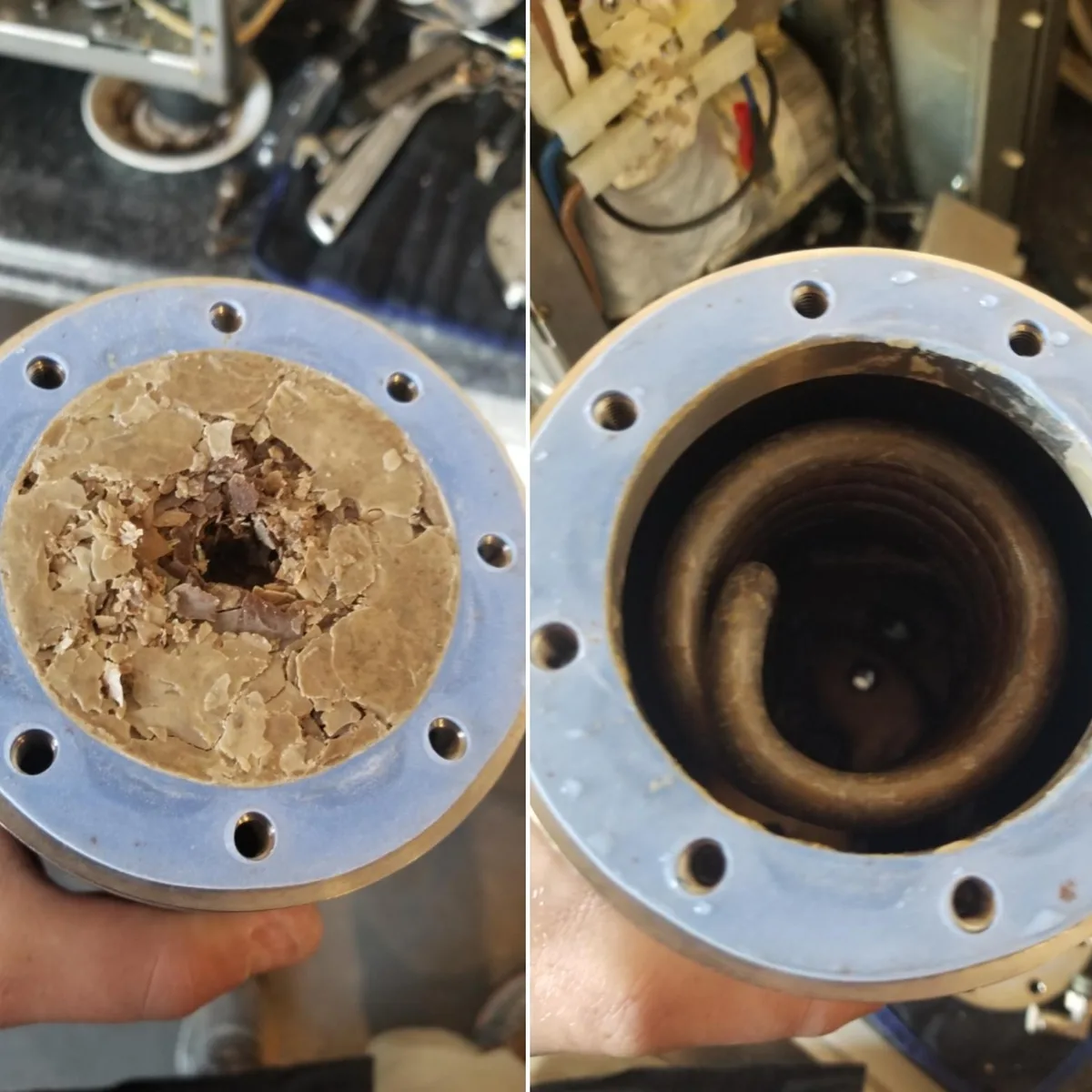
Image source: Bing (Web (fair-use with source credit))
How Often to Descale + Long-Term Maintenance Routine
Frequency depends on your water hardness and how many cups you brew. Here’s a simple schedule.
Light use (1, 2 cups per day, soft water): Descale every 6 months. Do a baking soda wash monthly to remove oils.
Moderate use (3, 5 cups per day, medium water): Descale every 3 months. Rinse the reservoir weekly.
Heavy use (6+ cups per day, hard water): Descale every 6, 8 weeks. Clean the drip tray and filter basket weekly.
A quick weekly maintenance routine:
- Rinse the carafe and filter basket with hot soapy water.
- Wipe the drip tray and exterior.
- If you have a removable water reservoir, wash it with mild soap once a week.
- For any machine, run a water-only cycle once a week to flush out stale water and coffee oils.
This routine prevents buildup before it starts. You’ll notice fewer descaling sessions and better-tasting coffee year-round.
Frequently Asked Questions
Can I use baking soda instead of vinegar to descale?
No. Baking soda does not dissolve mineral scale. It works as a deodorizer and mild cleaner for light oil removal.
For descaling, use citric acid, commercial tablets, or lemon juice.
Is citric acid safe for all coffee makers?
Most manufacturers approve citric acid descaling. Check your manual. Keurig, Breville, and Cuisinart explicitly allow citric acid solutions.
Avoid it in machines with aluminum boilers if the manual warns against acids.
How many times should I rinse after descaling with lemon juice?
Lemon juice needs four to five rinse cycles to remove all residue. Run two cycles, empty, then run two more. If you still smell lemon, run a fifth.
Citric acid needs only two to three.
Can I clean a Keurig without vinegar?
Yes. Keurig’s official descaling solution is citric acid based. You can also use a food-grade citric acid mix at 2 tablespoons per liter.
Follow the same steps as a drip machine.
What happens if I never descale my coffee maker?
Scale builds up on the heating element. The machine takes longer to heat. Your coffee brews at a lower temperature and tastes flat.
Over time, the heating element can fail. Descaling every 3, 6 months is cheap insurance.
Is lemon juice as effective as commercial descaler?
No. Lemon juice is weaker and leaves more residue. It works for light scale but takes more rinsing.
Commercial descalers and citric acid are stronger, faster, and cleaner. Use lemon juice only in a pinch.