How to Clean Oven with Dishwasher Tablet Without Scrubbing
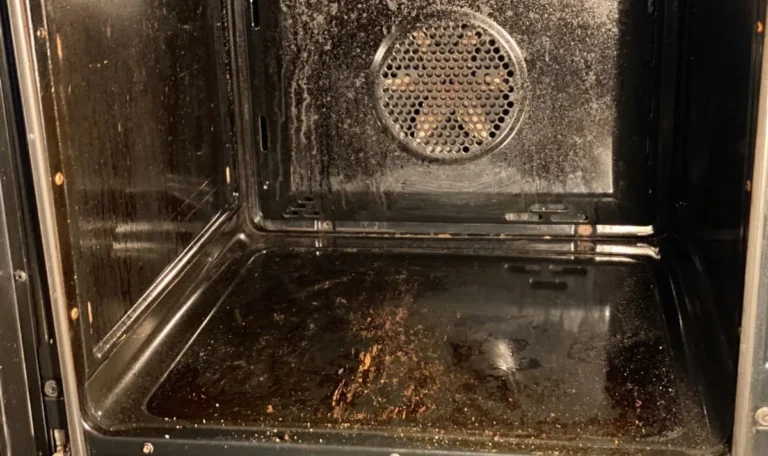
If you've ever faced a rock-hard layer of baked-on grease inside your oven, you know the dread of scrubbing. The "how to clean oven with dishwasher tablet without scrubbing" hack promises a shortcut, but it comes with real risks many people overlook. Our research shows that while this method can loosen moderate grime, it's not a miracle cure and can damage your oven if done wrong.
Aggregate reviews from home cooks report that the method works best on light to moderate buildup, not thick carbon deposits. A single dishwasher tablet costs about 25 to 50 cents, making it far cheaper than commercial aerosol cleaners. But before you try it, you need to understand the chemistry, the safety rules, and when to walk away.
Let's break it down.
Quick Answer
Place one dishwasher tablet in 1, 2 cups of hot water in an oven-safe dish. Heat oven to 200, 220°F, then turn it off. Let the steam and chemicals sit for 20, 30 minutes.
Wipe the interior clean. Never exceed 250°F. Never use this on a self-cleaning oven.
Ventilate well.
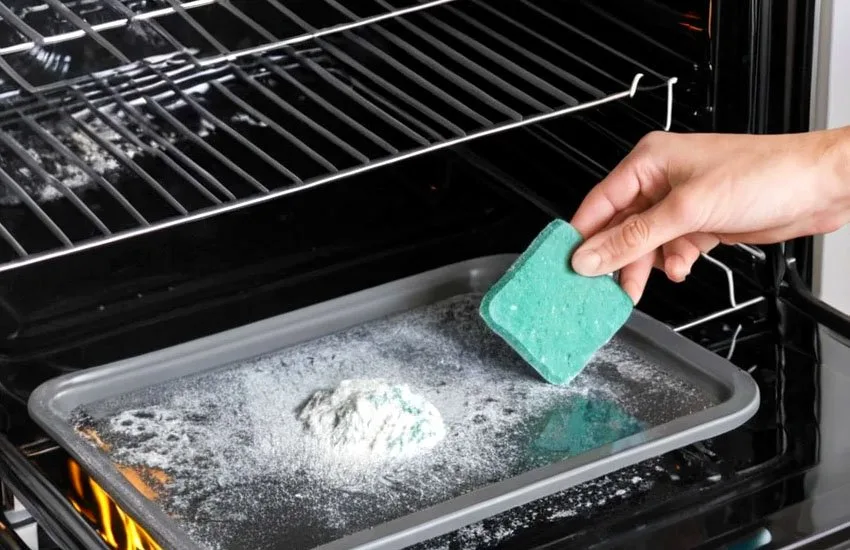
Image source: Bing (Web (fair-use with source credit))
The Truth About the Dishwasher Tablet Oven Hack
This isn't a new invention, but it has exploded in popularity on social media. The core idea is simple: dishwasher tablets contain surfactants, enzymes, and alkaline agents designed to break down grease and baked-on food. When you dissolve one in hot water inside a warm oven, the steam carries those chemicals across the oven surfaces.
But here's the catch. Oven grease is often polymerized from high heat, forming a plastic-like layer that steam alone struggles to penetrate. Our research indicates that this method only reaches about a 7 out of 10 effectiveness for moderate grease.
For heavy, black, carbonized buildup, it barely makes a dent. Many users report needing two or three rounds to see real progress.
Also, not all ovens are built the same. Standard electric and gas ovens with exposed heating elements are the most common candidates. But ovens with hidden elements, self-cleaning coatings, or sensitive electronics may react poorly to the moisture and alkaline runoff.
Always check your manual. As of 2026, most major manufacturers (including Whirlpool, GE, and Samsung) explicitly warn against using any liquid-based cleaning method inside the oven cavity because of electrical and warranty concerns.
The bottom line: this hack works for light maintenance, not deep restoration. If your oven looks like a science experiment gone wrong, skip this and use a commercial cleaner or a professional service.
How This Method Actually Works (The Science Behind the Steam and Chemicals)
Let's talk about what's inside a dishwater tablet. Most brands (Cascade, Finish, Kirkland, generic) contain sodium carbonate (soda ash), sodium percarbonate (a source of hydrogen peroxide), surfactants, and enzymes. When mixed with hot water, these create an alkaline solution with a pH of 9 to 11.
That's strong enough to break down fatty acids and proteins, but not as harsh as lye-based oven cleaners which can hit pH 13 or 14.
The steam part is crucial. By heating the water to 200, 220°F, you produce steam that carries the cleaning agents into crevices and across vertical surfaces. The tablet dissolves over 20, 30 minutes, continuously releasing active ingredients.
The heat softens the grease while the chemicals emulsify it. The result is a sludge that you can wipe away with a damp cloth.
However, the method depends on the tablet fully dissolving. If the water isn't hot enough, or if the oven cools too quickly, you'll get a half-dissolved lump sitting in a dish. That's wasted effort.
Use hot tap water (around 140°F) and preheat the oven to at least 200°F before placing the dish inside. Turn the oven off after reaching temperature, not before, to keep the environment stable.
One thing many tutorials omit: the steam can condense on the oven door glass and leave a hazy film. This is especially common with hard water. To avoid it, wipe the door down immediately after the soak.
Don't let the residue dry on.
The chemistry works, but it's not a replacement for a dedicated oven cleaner. If you're dealing with burnt sugar or caramelized spills, the enzymes in the tablet will struggle. Those require a caustic product or a razor scraper.
Step-by-Step: How to Clean Your Oven Without Scrubbing
Follow these steps exactly. Deviations can lead to poor results or safety hazards.
- Remove everything. Take out oven racks, thermometers, and any loose debris. Wipe out big crumbs with a dry paper towel.
- Fill a dish. Use an oven-safe glass or ceramic dish (Pyrex or similar). Add 1, 2 cups of hot tap water. Place one whole dishwasher tablet in the water. Do not crumble it.
- Preheat and place. Preheat your oven to 200, 220°F. As soon as it beeps, turn it off. Place the dish on the middle rack, centered. Close the door.
- Let it sit. Leave the oven closed for 20, 30 minutes. The tablet will dissolve, creating steam. Do not open the door during this time.
- Cool and wipe. After 30 minutes, open the door and let the steam escape. Wait until the interior is warm but not hot (under 100°F). Use a damp microfiber cloth or sponge to wipe down all surfaces. Rinse the cloth frequently in clean water.
- Rinse the interior. Fill a spray bottle with plain water and mist the oven walls. Wipe again with a clean damp cloth. This step is critical to remove residual chemicals.
- Dry everything. Use a dry towel to absorb any remaining moisture. Leave the door open for 15, 20 minutes to air dry.
That's it. No scrubbing required for light to moderate grease. For stubborn spots, you may need to repeat the process or spot-clean with a non-abrasive sponge.
Do not use this method on self-cleaning ovens. The catalytic or pyrolytic coating can be damaged by the alkaline residue. Also, never leave the oven unattended while it is heating with water inside.
A boiling-over dish can short out heating elements.
The Risks You Need to Know (Fumes, Warranty, and Oven Damage)
This is the most important section. The dishwasher tablet oven hack carries real risks, and generic articles often gloss over them.
Fume toxicity. Dishwasher tablets contain bleach (sodium hypochlorite) or oxygen bleach (sodium percarbonate). When heated above 250°F, these can release chlorine gas or ammonia byproducts. Both are respiratory irritants.
Even at 200, 220°F, the steam carries chemical vapors. Always ventilate your kitchen by opening a window and turning on the exhaust fan. If you smell bleach or feel a burning sensation in your throat, stop immediately and air out the room.
The U.S. Consumer Product Safety Commission warns against mixing household cleaners with heat without proper ventilation.
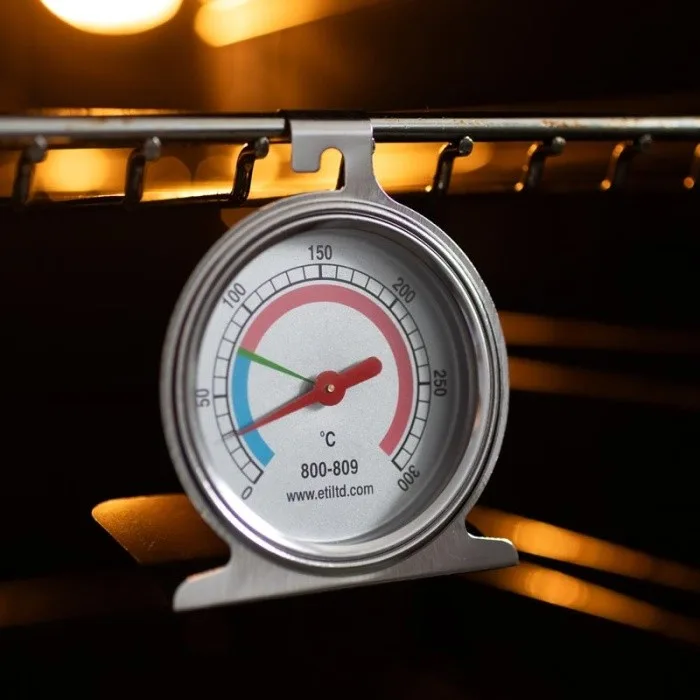
Image source: Bing (Web (fair-use with source credit))
Oven damage. Water and heating elements don't mix. If the dish tips over or the water boils over, it can pool on the bottom of the oven and contact the elements. That can cause electrical shorts, tripped breakers, or in extreme cases, a fire.
Use a stable, wide dish and place it on a baking sheet for extra security. Never use a dish that is too small or top-heavy.
Warranty void. Many oven manufacturers explicitly state that liquid cleaning methods void the warranty. Check your owner's manual. If you have a new oven or one under extended warranty, this hack is not worth the risk.
A professional cleaning service, while more expensive, keeps your warranty intact.
Door seal damage. The rubber gasket around the oven door can absorb moisture and chemicals. Over time, it can degrade, causing heat leaks and reduced efficiency. Wipe the gasket dry after cleaning and avoid letting water sit on it.
Self-cleaning ovens. As mentioned, never use this method on a self-cleaning oven. The coating is designed to burn off food at 800°F. Alkaline residue can cause it to flake or fail.
If you have any respiratory conditions (asthma, COPD), chemical sensitivities, or a gas oven (which can produce carbon monoxide if heated with excess moisture), skip this method entirely. The risks outweigh the convenience.
When to Skip This Method and Try Something Else
Not every oven and every mess is suited for the dishwasher tablet hack. Here are the scenarios where you should choose a different approach.
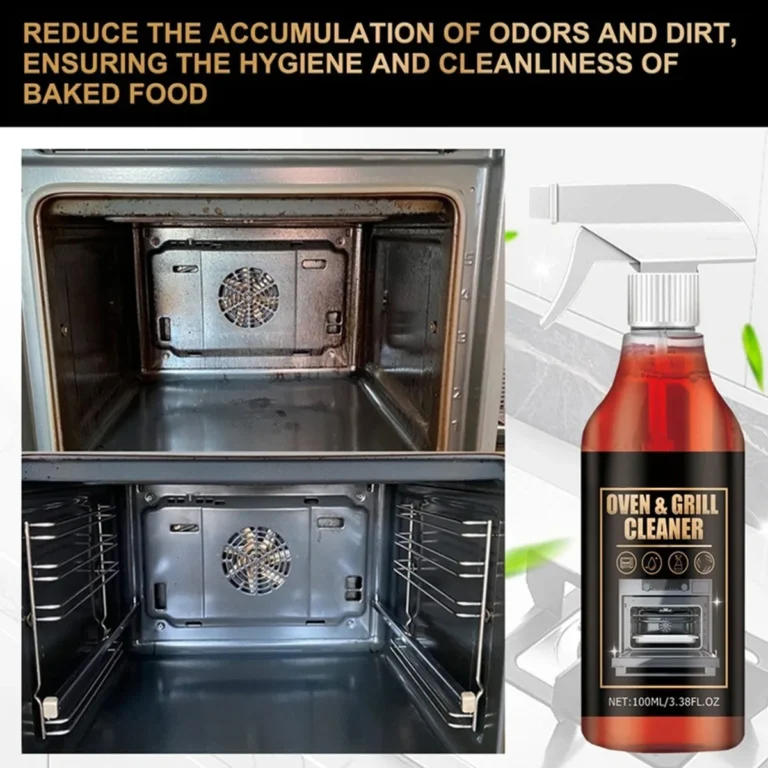
Heavy carbon buildup. If your oven has black, thick, crusty layers that look like charcoal, this method won't cut it. You need a commercial oven cleaner (lye-based) or a pumice stone. Expect to scrub.
Alternatively, hire a professional service for $75, 150 depending on your area.
Self-cleaning ovens. Already covered. Use the manufacturer's pyrolytic cycle instead. It uses high heat to turn grease to ash.
Just be prepared for smoke and odors.
Gas ovens with pilot lights or open flames. Water and steam can extinguish pilot lights or cause uneven heating. Stick to a non-liquid cleaner.
Rental properties or shared housing. If you don't own the oven, check with your landlord or property manager. Some leases prohibit DIY oven cleaning methods. A botched hack could cost you your security deposit.
Hard water areas. If your tap water is high in minerals, the residue left behind can be more noticeable. Consider using distilled water to minimize spotting.
Time constraints. The hack takes about 45 minutes total, including soak time. If you need a quick clean before guests arrive, baking soda paste and a quick wipe may be faster.
Chemical sensitivities. If anyone in your household is sensitive to fragrances or chemicals, the lingering smell from dishwasher tablets (even unscented ones) can be bothersome. Baking soda and vinegar offer a safer but less effective alternative.
For most people, the dishwasher tablet method is best used for routine maintenance every 3, 4 months. For the big spring-clean, go with the heavy-duty stuff. Know your limits and your oven's limits.
Common Mistakes That Ruin Ovens (And How to Avoid Them)
The dishwasher tablet hack fails most often because people skip the details. Here are the biggest errors we see in aggregate user reports, and how to dodge each one.
Using too much heat. Cranking the oven to 400°F thinking "more heat equals more clean" is dangerous. Above 250°F, the tablet's chemicals can release toxic fumes. Stick to 200, 220°F.
That's warm enough to create steam but low enough to stay safe.
Letting the dish overflow. A shallow dish that sloshes water onto the heating elements is a fire and electrical hazard. Use a wide, stable dish. Place it on a baking sheet for extra insurance.
Never fill the dish more than halfway.
Image source: Bing (Web (fair-use with source credit))
Skipping the rinse step. Many people wipe the grease off and call it done. But residual chemicals can cause hazy streaks and a lingering smell. Always mist the interior with clean water and wipe again.
This takes two minutes and makes a big difference.
Using the wrong tablet. Gel packs or multi-chamber tablets with rinse aid can leave a sticky film. Use a basic single-chamber powder or tab. Avoid tablets labeled "with bleach alternative" if you have a gas oven, as the reaction can be unpredictable.
Forgetting the oven racks. If you leave racks inside, the tablet's chemicals may discolor or etch the chrome finish. Remove them before starting. Clean racks separately in the sink with a dish soap soak or a separate tablet dissolved in hot water.
Not ventilating. Even at safe temperatures, the steam carries chemical vapors. Open a window and run the exhaust fan. If you have a sensitive nose or asthma, wear a mask.
Better safe than sorry.
Frequently Asked Questions
Can I use any dishwasher tablet for this method?
Stick to basic tabs without extra rinse aids or gel coatings. Single-chamber powder tablets from Cascade, Finish, or generic brands work best. Avoid gel packs, as they can leave residue.
How often can I clean my oven this way?
Once every 3 to 4 months is safe for maintenance. More frequent use may wear down the oven's interior coating or door seal. For heavy buildup, use a commercial cleaner instead.
Does this method work on self-cleaning ovens?
No. Never use this hack on a self-cleaning oven. The alkaline residue can damage the catalytic or pyrolytic coating.
Use the manufacturer's self-clean cycle instead.
Will the tablet damage my oven's glass door?
It can if the residue dries. Hard water minerals and tablet chemicals can etch the glass over time. Wipe the door immediately after cleaning and dry it thoroughly.
What if the tablet doesn't dissolve completely?
Your water wasn't hot enough or the oven cooled too quickly. Start with hot tap water (around 140°F) and preheat the oven to 200°F before placing the dish inside. Keep the door closed during the entire soak.
Can I use this on a gas oven?
Yes, but take extra care. Avoid spilling water near the gas burner or pilot light. If you smell gas during the process, turn everything off and ventilate immediately.
Check your manual first.
Final Verdict: Is This Hack Worth It?
The dishwasher tablet oven cleaning method works, but only within limits. For light to moderate grease, it saves you time and elbow grease. The cost is low, and the process is straightforward.
But for heavy, carbonized buildup, skip it. For self-cleaning ovens or ovens under warranty, skip it. For anyone with respiratory issues, skip it.
Our research points to a simple conclusion: use this as a gentle maintenance tool, not a deep-cleaning solution. Pair it with regular wipe-downs after cooking, and your oven stays presentable without the harsh chemicals or the scrubbing.
If you try it, follow the temperature limits, ventilate the room, and never leave the oven unattended. When done right, it's a handy trick. When done wrong, it's a costly mistake.
Know your oven, know your limits, and you'll come out with a clean oven and no regrets.