How to Scrub Rust Off Cast Iron Easily
If you've ever pulled a cast iron skillet out of storage only to find a patch of orange rust staring back at you, you already know the feeling. It's frustrating, but it's also fixable. Learning how to scrub rust off cast iron is one of those skills that saves you money and keeps a great pan in your kitchen for decades.
Manufacturer specifications from major cast iron brands indicate that most surface rust responds to gentle mechanical scrubbing within 30 minutes. Deeper rust requires chemical assistance, but the process stays straightforward. Let's walk through exactly how to assess your pan and choose the right removal method.
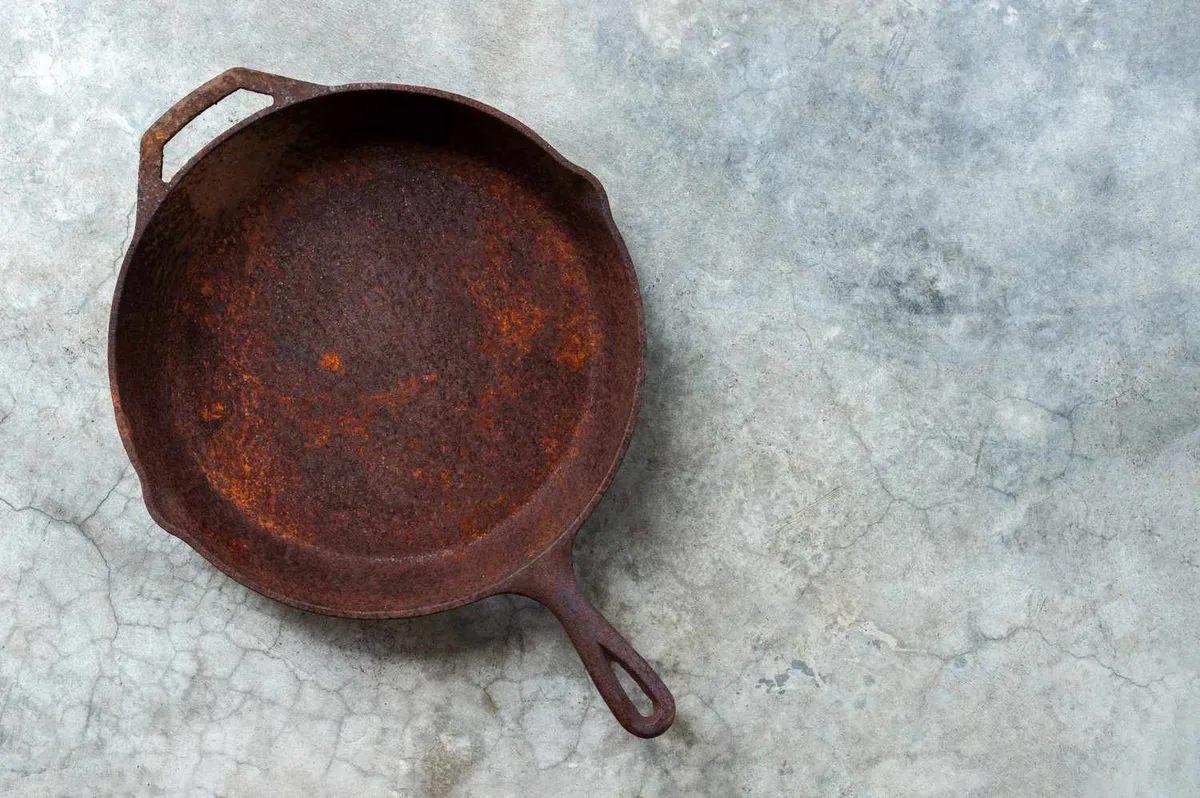
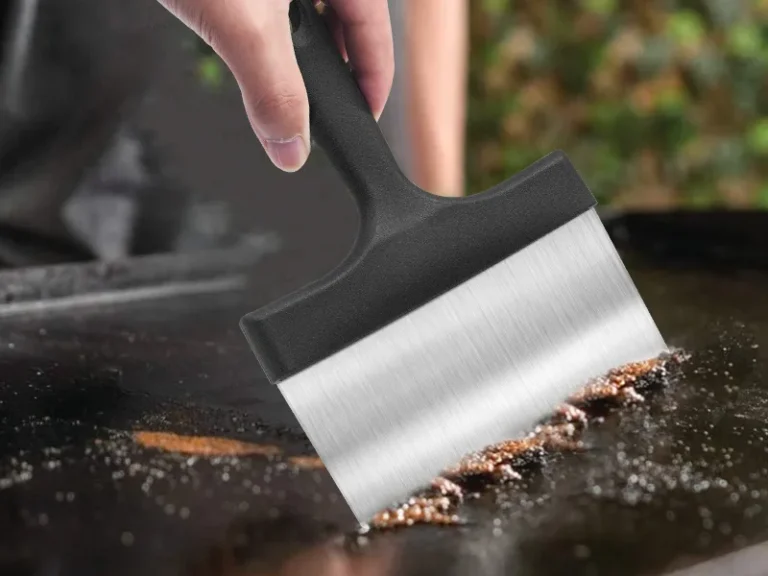
Image source: Web (Bing) / southernliving.com (Web image (fair-use with source credit))
Quick Answer
Scrub light rust with hot water and a chainmail scrubber. Soak moderate rust in diluted vinegar for 30 minutes. Strip heavy rust with electrolysis or sanding.
Dry the pan immediately. Reseason with a thin layer of oil at 450°F. Never soak enameled cast iron in vinegar.
First, What Kind of Cast Iron Do You Have?
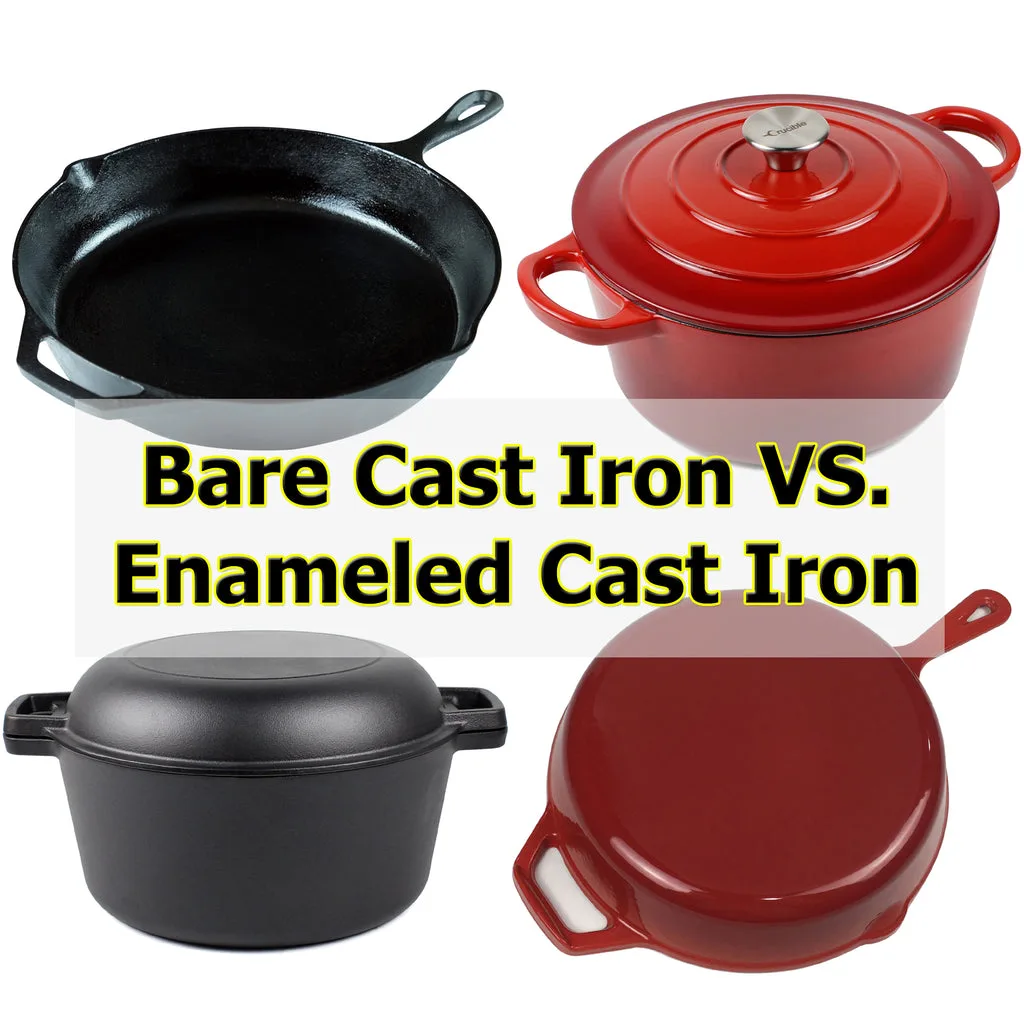
Image source: Bing (Web (fair-use with source credit))
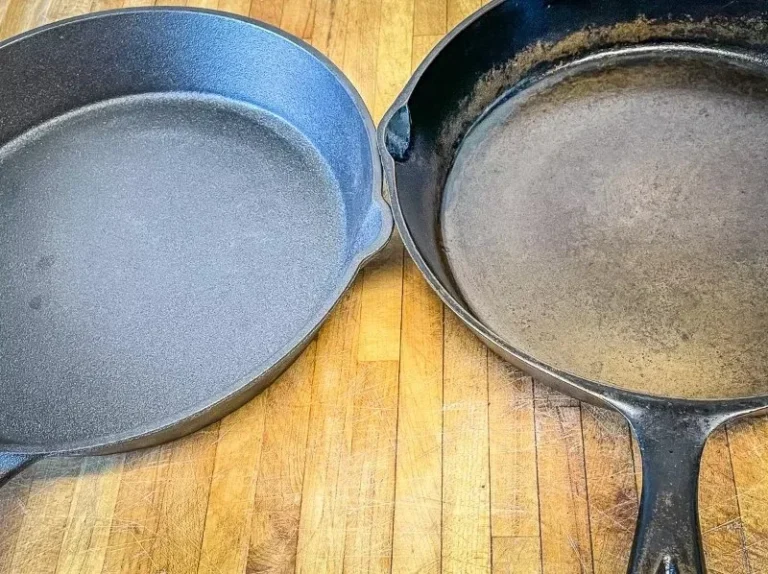
Before you grab any vinegar or steel wool, you need to answer one question. Is your pan bare cast iron or enameled cast iron? The wrong method on the wrong type can ruin the piece.
Bare cast iron is the classic black or dark grey pan you see in most kitchens. It has a rough, matte surface when unseasoned and a slightly shiny, black surface after seasoning. It needs oil to stay nonstick, and it will rust if left wet.
Enameled cast iron has a smooth, glass-like coating on the interior and exterior. It comes in many colors. Brands like Le Creuset and Staub use enamel.
This coating does not rust, but it can chip if you hit it with metal tools. You can tell enameled cookware by its glossy, even finish. No bare iron is visible anywhere.
Here is a quick way to tell them apart:
| Feature | Bare Cast Iron | Enameled Cast Iron |
|---|---|---|
| Surface feel | Rough or matte, sometimes slightly pebbled | Smooth, glossy, glass-like |
| Color inside | Black or grey | Usually a light cream or beige, sometimes black |
| Rust possible | Yes | No (the enamel protects the iron) |
| Can use vinegar soak | Yes | No (vinegar damages the enamel) |
| Can use steel wool | Yes | No (scratches the enamel) |
| Can use chainmail scrubber | Yes | No |
If you bought the pan from a thrift store or inherited it and you are not sure, look for chips. Enamel that has chipped shows raw cast iron underneath. If the interior has a small chip, the pan is still usable but needs careful cleaning to prevent rust at that spot.
If you see no chips and the whole surface looks like smooth ceramic, treat it as enameled.
For bare cast iron, proceed with any of the rust removal methods below. For enameled, your only safe option for rust removal is baking soda paste and a gentle scrub, and even then, the rust is usually coming from exposed iron at a chip, not from the enamel itself.
The Light Rust Fix (30 Minutes or Less)
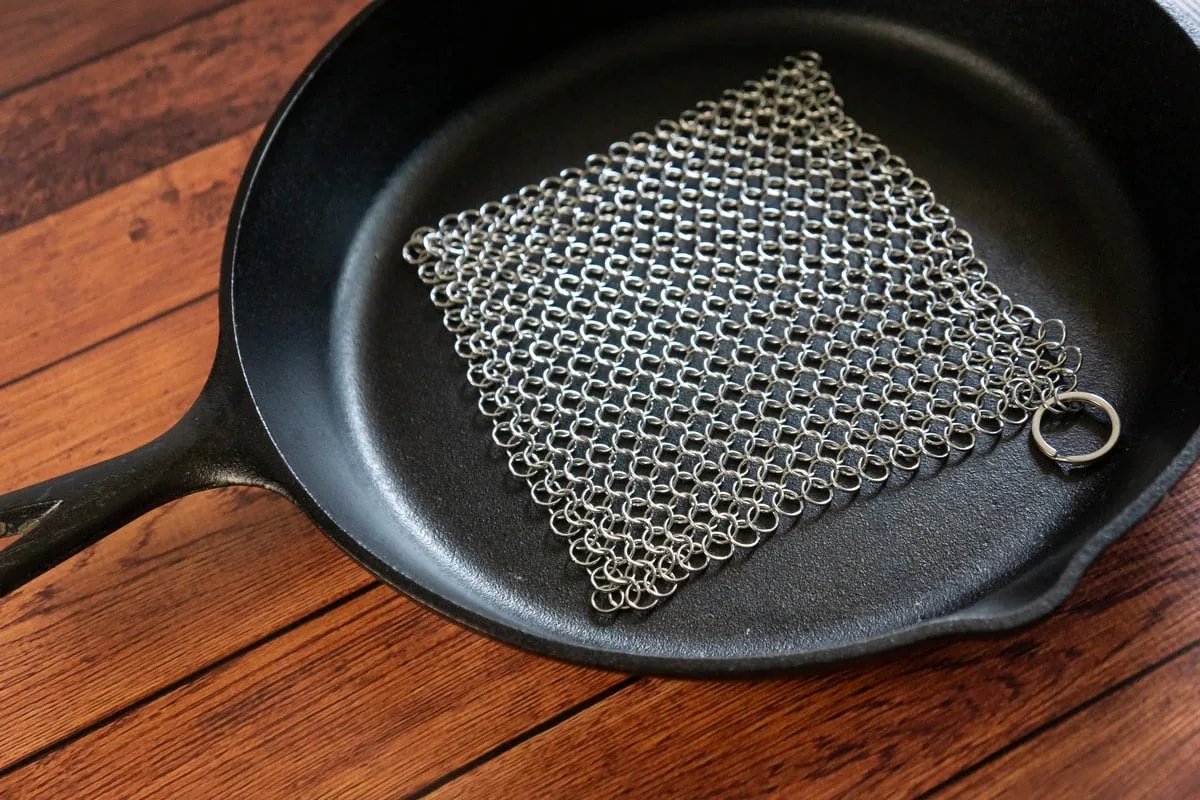
Image source: Bing (Web (fair-use with source credit))
If your pan has a few orange spots or a light haze of rust, you do not need vinegar or stripping. Light surface rust comes off with nothing more than hot water, a gentle abrasive, and some elbow grease.
Here is the step-by-step process for light rust on bare cast iron:
- Rinse the pan under hot tap water. Get the rust area wet. Hot water helps loosen the oxidation.
- Sprinkle a tablespoon of coarse salt or baking soda onto the pan. Both work as mild abrasives. Salt is better for scrubbing; baking soda is better for neutralizing any remaining acid.
- Scrub with a chainmail scrubber or a stiff nylon brush. The chainmail scrubber is ideal because it knocks off rust without removing good seasoning underneath. Scrub in small circles for about two minutes. You should see the rust lift onto the scrubber.
- Rinse again and inspect. If you still see rust, repeat.
- Dry the pan immediately. Put it on the stove over low heat for two to three minutes. Every drop of water must evaporate.
- Apply a thin layer of oil. Use a paper towel to wipe vegetable oil, canola oil, or flaxseed oil onto the entire interior surface. Then wipe it off again so only a whisper-thin film remains.
- Heat the pan until it just starts to smoke. This sets the oil into a fresh protective layer. About five minutes on medium heat is enough.
This whole process takes under 30 minutes. It works because light rust has not bonded deeply to the iron. The abrasive lifts the oxidized particles, and the heat-and-oil step seals the freshly exposed iron from moisture.
If you scrub and the rust stays, you have moderate to heavy rust. Move to the next section.
When You Need the Full Stripping Workflow
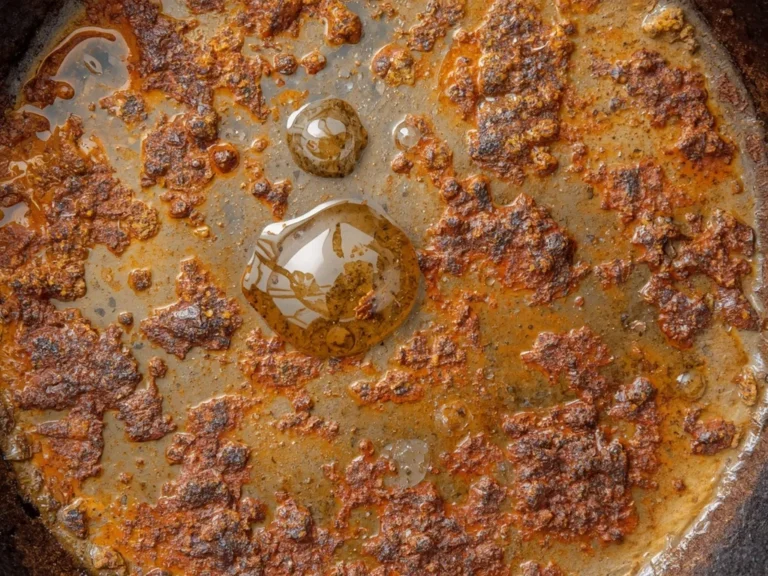
Moderate rust does not lift with a scrubber alone. You will see patches of orange or dark brown that look embedded in the iron. The rust has eaten into the surface enough that you need a chemical soak to dissolve the oxidation.
This method is for bare cast iron only. Never do this to enameled cookware.
Here is the workflow for moderate to heavy rust removal:
| Step | Action | Time |
|---|---|---|
| 1 | Mix equal parts white vinegar and water in a container large enough to submerge the pan | 5 minutes |
| 2 | Submerge the pan completely | 30 minutes |
| 3 | Check the pan every 15 minutes | 2 minutes |
| 4 | Remove and scrub with fine steel wool (grade 0000) | 5 minutes |
| 5 | Rinse with water and baking soda paste to neutralize vinegar | 3 minutes |
| 6 | Dry on the stove over low heat | 5 minutes |
| 7 | Apply oil and season in the oven at 450°F for one hour | 60 minutes |
Important warnings about the vinegar soak:
- Do not soak longer than 30 minutes without checking. Vinegar is acidic. It dissolves rust, but it also eats at the iron. A soak past 60 minutes can cause pitting that damages the pan permanently.
- If the rust is deep over the entire surface, repeat the soak and scrub cycle. Two 30-minute soaks are safer than one 60-minute soak.
- Neutralize the vinegar after scrubbing. Mix two tablespoons of baking soda with enough water to make a paste. Scrub that onto the pan. The fizzing neutralises the acid.
- Rinse thoroughly. Any leftover vinegar will cause flash rust within minutes. You will see orange form right in front of you as the pan dries.
- Dry immediately and season right away. Do not let the bare iron sit exposed to air. As of 2026, the best practice among cast iron restoration communities is to oil and heat the pan within five minutes of drying.
After the full stripping and seasoning, your pan will look like new. It will have a matte grey surface before seasoning and a deep black lustre after a few coats of oil.
What NOT to Do — The Common Rust Removal Mistakes
Most ruined cast iron pans are not ruined by rust. They are ruined by the wrong removal method. Here are the mistakes people make and how to avoid them.
Using dish soap and abrasive scrubbers on enameled cast iron. Dish soap is fine for bare cast iron, but abrasive scrubbers scratch the enamel. Once scratched, the enamel can chip. Stick to soft sponges and baking soda for enameled pieces.
Soaking cast iron in vinegar overnight. This is the number one mistake. Vinegar dissolves rust, but it also dissolves iron. An overnight soak leaves the pan pitted, rough, and impossible to reseason smoothly.
Set a timer.
Putting a rusty pan in the dishwasher. The dishwasher's detergent and high heat strip seasoning aggressively. They also cause rust to form faster because the pan stays wet in a closed, humid environment. Never put cast iron in the dishwasher.
Using the self-cleaning oven cycle to strip rust. Some people put a rusty pan in the oven and run the self-clean cycle. This can warp the pan or crack it due to extreme heat cycling. It also produces smoke and odor.
It is not a safe method.
Forgetting to dry the pan after cleaning. Cast iron rusts when water sits on it. Even a few drops left in the pan can create a rust spot overnight. Always dry on the stove, not with a towel.
Using too much oil when reseasoning. Thick oil pools and turns sticky. Stickiness collects dust and food residue. It also does not form a hard seasoning layer.
A thin coat that you wipe off before heating is all you need.
Skipping the neutralization step after a vinegar soak. If you rinse with plain water, some vinegar stays in the porous iron. That residue causes flash rust within minutes. The baking soda neutralization step is mandatory.
Avoid these mistakes, and your cast iron will last longer than you will. The official care guide from Lodge Cast Iron confirms that gentle mechanical cleaning with hot water is the safest approach for routine maintenance.