How to Clean Oven Racks in a Self-Cleaning Oven
You need to decide quickly: leave the racks in and risk damage, or pull them out and clean separately. This article walks you through exactly how to clean racks in a self cleaning oven without ruining them. The answer depends on one thing, your rack material, and we’ll show you how to check that in seconds.
Manufacturer specs indicate that pyrolytic self-clean cycles reach 400, 500°C (750, 930°F). That heat alone can discolour chrome, crack porcelain enamel, and even warp lightweight racks. Knowing which material you own is the first fork in your decision tree.
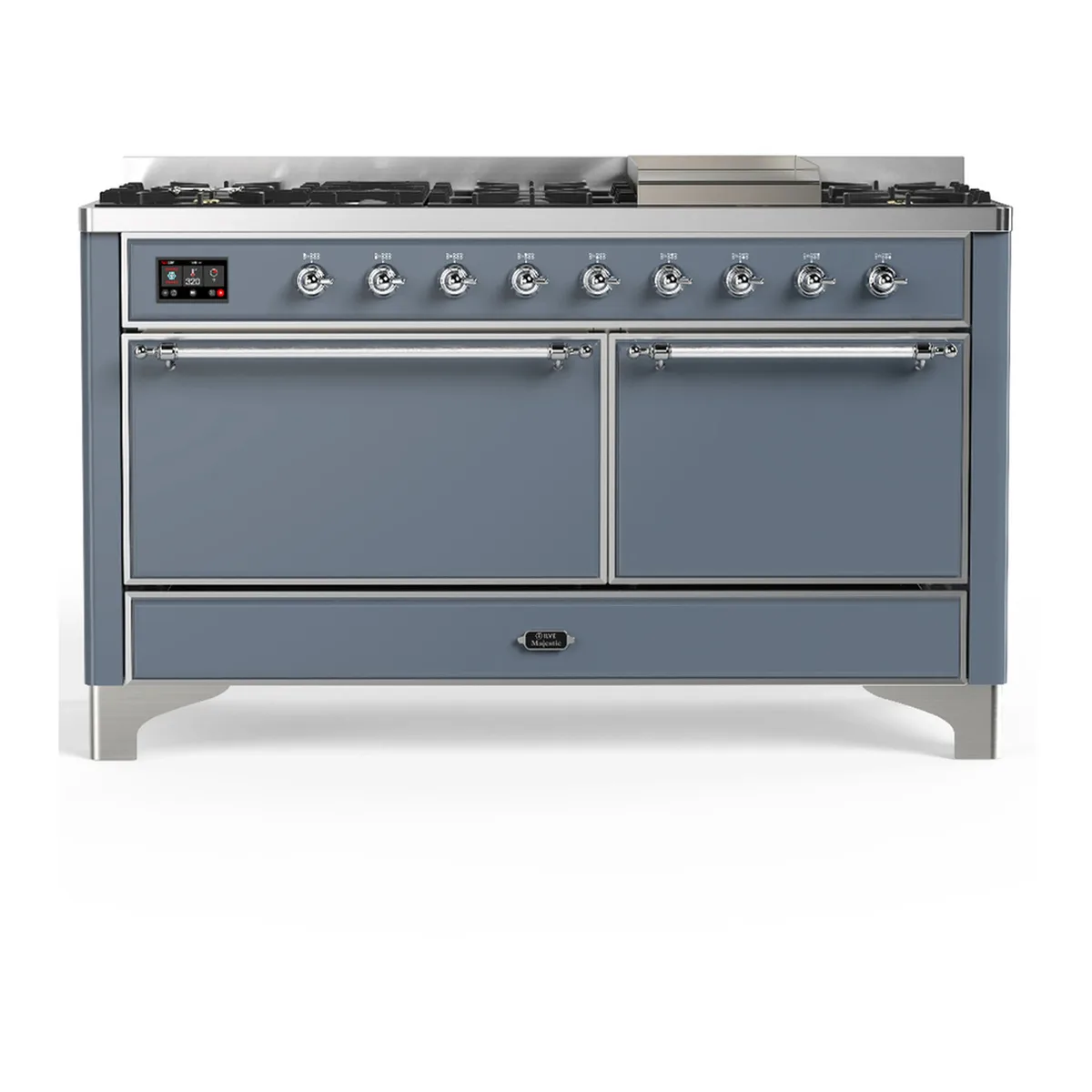
Image source: Bing (Web (fair-use with source credit))
The Real Problem: Why Your Racks Might Not Survive the Self-Clean Cycle
Here’s the hard truth: the self-clean cycle is designed for the oven interior, not the racks. The extreme heat burns off food residue inside the oven, but it does the same thing to the racks, and that’s where trouble starts.
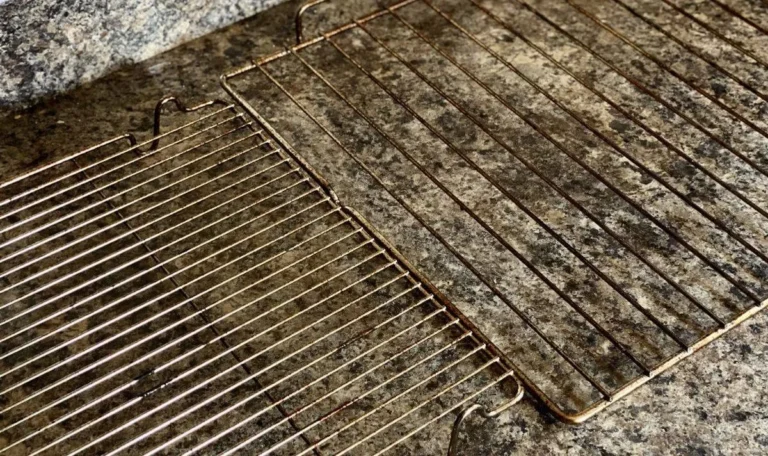
Chrome-plated racks turn an ugly bluish-grey after just one or two cycles. That’s not just cosmetic; the heat actually alters the plating, making it more brittle. Porcelain enamel racks can crack or chip because the enamel shrinks and expands at a different rate than the steel core.
Stainless steel racks handle the heat best, but even they can become discoloured or difficult to slide back in if the rails warp slightly. Aggregate reviews report that many homeowners are shocked to find their racks permanently ruined after assuming the oven would clean them too.
If you own a self-cleaning oven, the safest move is to remove the racks before starting the cycle, unless your owner’s manual explicitly says otherwise. Some brands like Miele or Bosch design certain racks to withstand the heat, but that’s the exception, not the rule.
Quick Decision: Should You Leave Racks In or Take Them Out?
The decision tree starts with one simple check: look at the underside of your rack for a manufacturer stamp, or check your manual. If neither is available, use this material-based rule.
- Chrome racks → Remove. They will discolour and may warp. Always clean separately.
- Porcelain enamel racks → Remove. The enamel can chip or crack, especially if there’s already a small nick.
- Stainless steel racks → Check manual . Many stainless racks are oven-safe, but some brands (e.g., Samsung, GE) still recommend removal. When in doubt, take them out.
- Unknown material → Assume it’s chrome and remove. Most standard racks in mid-range ovens are chrome-plated.
A quick visual test: if the rack feels smooth and cool with a slight silver sheen, it’s likely chrome. If it has a thick, glossy, white or black coating, it’s porcelain enamel. If it’s matte grey and heavier, it’s probably stainless steel.
We’ll cover more identification cues in the next section.
If you decide to leave racks in (only when the manual says it’s safe), make sure the oven is completely empty of any other items. Food residue on the racks will smoke and smell bad. Also, wipe the racks down first to remove loose carbon, it reduces smoke and prevents the oven door from locking onto a dirty rack.
How to Identify Your Rack Material (Chrome, Porcelain Enamel, or Stainless Steel)
This is the critical fork in your decision tree. Get it wrong and you could damage your racks permanently. Here’s how to tell them apart at a glance.
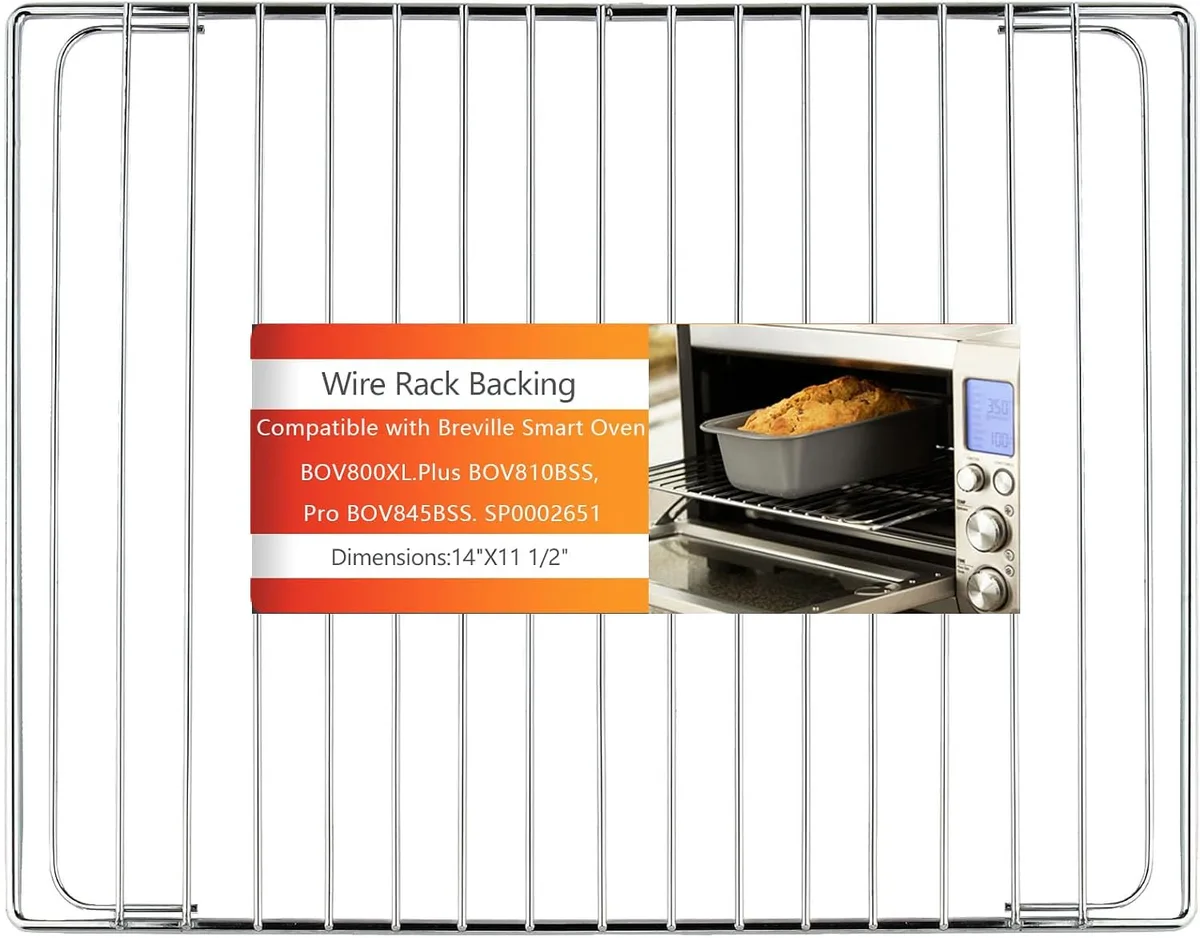
Image source: Bing (Web (fair-use with source credit))
Use the table below to match your rack:
| Material | Appearance | Feel | Weight | Magnet Test |
|---|---|---|---|---|
| Chrome-plated | Bright silver, slightly reflective | Smooth, cool to touch | Light | Mildly magnetic (thin steel core) |
| Porcelain enamel | Glossy white, black, or colored coating | Hard, glass-like surface | Moderate | Not magnetic (coated over steel) |
| Stainless steel | Matte grey, no shine | Brushed texture, heavier | Heavy | Weakly or non-magnetic (300 series) |
Chrome racks are the most common in mid-range to lower-end ovens. They’re cheap to produce but vulnerable to heat. Porcelain enamel racks are often found in European brands like Neff, Siemens, or AEG.
Stainless steel racks are typical in high-end ranges such as Wolf, Thermador, or Viking.
If you still can’t identify it, flip the rack over and look for a stamped logo or model number. A quick search online for that number will confirm the material. Or simply assume removal, it’s never wrong to be safe.
Step-by-Step: Cleaning Racks Outside the Oven (When Removal Is the Right Call)
Once you’ve removed the racks, you need to clean them manually. The process is straightforward and uses common household items.
Tools and Materials
- Large trash bag (for soaking) or a bathtub / laundry sink
- Hot water
- Baking soda
- Dish soap (preferably grease-cutting like Dawn)
- Non-abrasive scrub pad (Scotch-Brite or nylon)
- Old towel or newspaper (for drying)
Steps
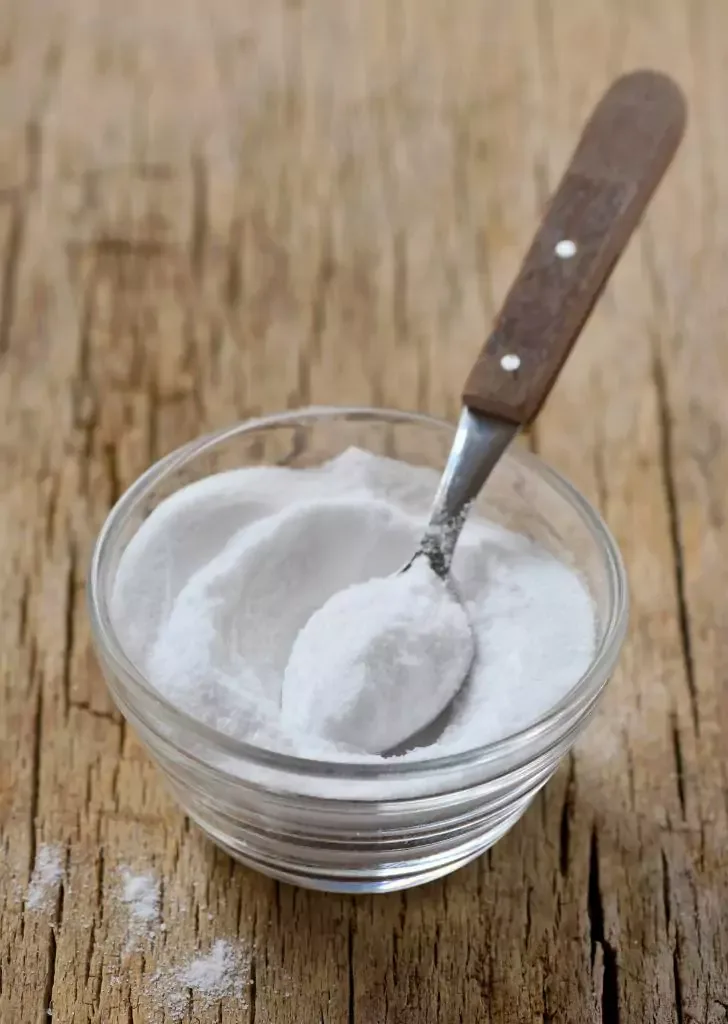
- Fill a soak container with enough hot water to fully submerge the rack. If using a trash bag, put the rack inside, pour in hot water, add 1/2 cup baking soda and a squirt of dish soap, tie the bag, and let it sit for 30, 60 minutes.
- Scrub the rack with the non-abrasive pad. For stubborn baked-on grease, make a paste of baking soda and water, apply it directly, let it sit for 10 minutes, then scrub again.
- Rinse thoroughly with hot water. Any soap residue will burn off and smell the next time you use the oven.
- Dry completely with a towel. Moisture left on chrome racks can cause rust spots over time.
- Reinsert the rack only after the oven has cooled fully from the self-clean cycle (usually 1, 2 hours).
For porcelain enamel racks, be extra gentle. Never use steel wool or metal scrapers; they will scratch the glossy finish. Use a soft sponge or cloth instead.
If the enamel is already chipped, avoid soaking for too long because water can seep into the crack and cause the coating to lift.
Common Mistakes That Wreck Oven Racks (And How to Avoid Them)
Even careful homeowners make these errors. Here are the most frequent pain points we’ve seen in aggregate user reports.
1. Assuming the self-clean cycle cleans the racks. It doesn’t. It only burns off loose debris, and the racks themselves get damaged by the heat.
Remove them every time unless the manual says otherwise.
2. Using harsh chemical oven cleaner on racks. Many spray-on oven cleaners contain lye or caustic soda, which will etch chrome and dull porcelain enamel. Stick to baking soda and dish soap.
3. Scrubbing porcelain enamel with abrasive pads. Steel wool or scouring pads leave permanent scratches that trap grease. Use a nylon scrub pad or soft cloth only.
4. Putting chrome racks in the dishwasher. The high heat and aggressive detergents will accelerate chroming deterioration. Hand-wash only.
5. Reinserting racks while the oven is still warm. They can expand and become stuck once the oven cools. Always wait until the oven is completely cool (below 50°C / 120°F).
6. Skipping the dry step. Damp racks can develop surface rust, especially chrome ones. Wipe them dry immediately after rinsing.
If you’ve already made any of these mistakes, all is not lost. Slight discolouration can be polished with a baking soda paste. Deep scratches or chips may require professional refinishing or replacement, but most racks are affordable to replace (£30, £80 each).
Your Decision Tree Flowchart: A Quick Reference Guide
This flowchart helps you decide what to do with your racks in under 30 seconds. Follow the path based on your rack material and your oven model.

Image source: Bing (Web (fair-use with source credit))
Start Here
- Do you know your rack material? If yes, go to the material guide below. If no, flip the rack over and check for a stamped logo or model number. If you still can’t identify it, assume chrome and remove.
Material Branches
Chrome or unknown material → Remove the racks before the self-clean cycle. Clean them manually using the soak and scrub method covered in section four. Never leave chrome racks in the oven during a pyrolytic cycle. The heat will cause permanent discolouration and possible warping.
Porcelain enamel → Remove the racks. Even if the coating looks intact, the extreme heat can cause micro-cracks that worsen over time. Hand-wash gently. Never use abrasive pads or steel wool.
Stainless steel → Check your owner’s manual. Some brands (like Miele, Bosch, or Wolf) approve stainless racks for self-clean cycles. If the manual says it’s safe, leave them in. But wipe off any loose food first to minimise smoke. If you don’t have the manual, remove them to be safe.
If You Already Left Racks In
Check for visible damage: discolouration (chrome turning blue or grey), warping (rack no longer sits flat), or chipped coating (porcelain). If the rack is only slightly discoloured, it’s still usable. If it’s warped or chipped, replace it.
A warped rack can slide unevenly and tip pans.
For detailed guidance on self-cleaning oven safety, refer to your oven manufacturer’s care page. Most brands publish specific rack cleaning instructions online. GE Appliances’ support section provides a good example of how different models handle rack placement during self-clean cycles.
Frequently Asked Questions
Can I leave oven racks in during a self-cleaning cycle?
Only if your owner’s manual explicitly says it is safe. Most manufacturers recommend removing racks, especially chrome and porcelain enamel types. Stainless steel racks are sometimes approved, but always verify first.
Why do my chrome oven racks turn blue after self-cleaning?
The intense heat (400, 500°C) alters the chrome plating. This is called heat tinting. It is cosmetic damage and does not affect function, but it is permanent.
The only way to prevent it is to remove the racks before the cycle.
How do I clean oven racks without damaging them?
Remove them first. Soak in hot water with baking soda and dish soap for 30, 60 minutes. Scrub gently with a non-abrasive pad.
Rinse and dry thoroughly. Never use steel wool, chemical oven cleaners, or the dishwasher for chrome racks.
Can I put porcelain enamel racks in the dishwasher?
No. The high heat and harsh detergents can dull the glossy finish and cause micro-cracks. Hand-wash only with a soft sponge and mild soap.
How often should I clean my oven racks?
Clean them whenever you run the self-clean cycle on the oven interior, or every 3, 6 months depending on use. Heavy roast sessions may require more frequent cleaning.
What should I do if my rack gets stuck after self-cleaning?
Wait for the oven to cool completely. The rack may have expanded slightly from the heat. Once cool, try sliding it out gently.
If it’s still stuck, use a cloth and gently wiggle it back and forth. Do not force it; you could bend the runners. If it doesn’t come free, contact a service technician.