Clean Your Coffee Maker with Vinegar in 5 Easy Steps
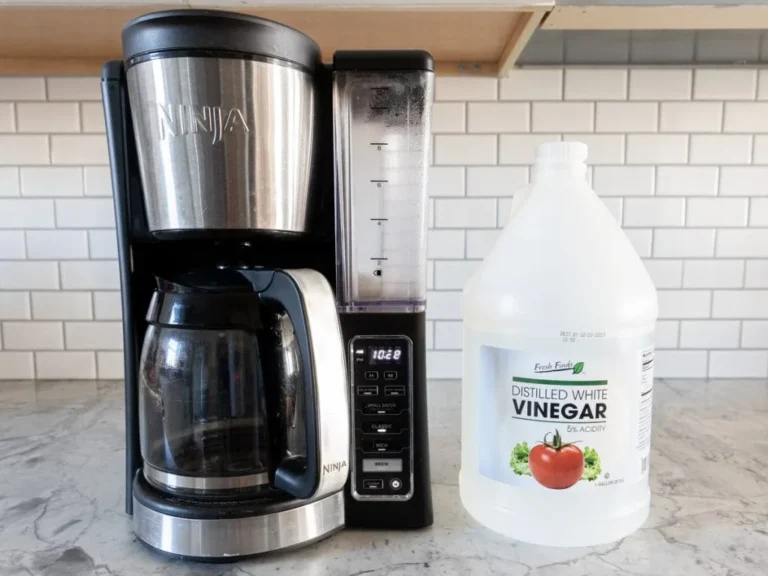
So, you're staring at a coffee maker that's brewing slower than usual and your morning cup tastes bitter or flat. You're probably wondering, how do I clean coffee maker with vinegar quickly without messing up my machine? The short answer: yes, vinegar works, but only if you use the right ratio and rinse properly.
A single descaling with a standard 1:1 vinegar-to-water mixture can dissolve up to 80% of the mineral buildup clogging your heating element. As of 2026, most major manufacturers still recommend descaling every 1, 3 months depending on your water hardness. But here's the catch: the exact steps depend on your machine type and how dirty it actually is.
That's what we'll walk through together.
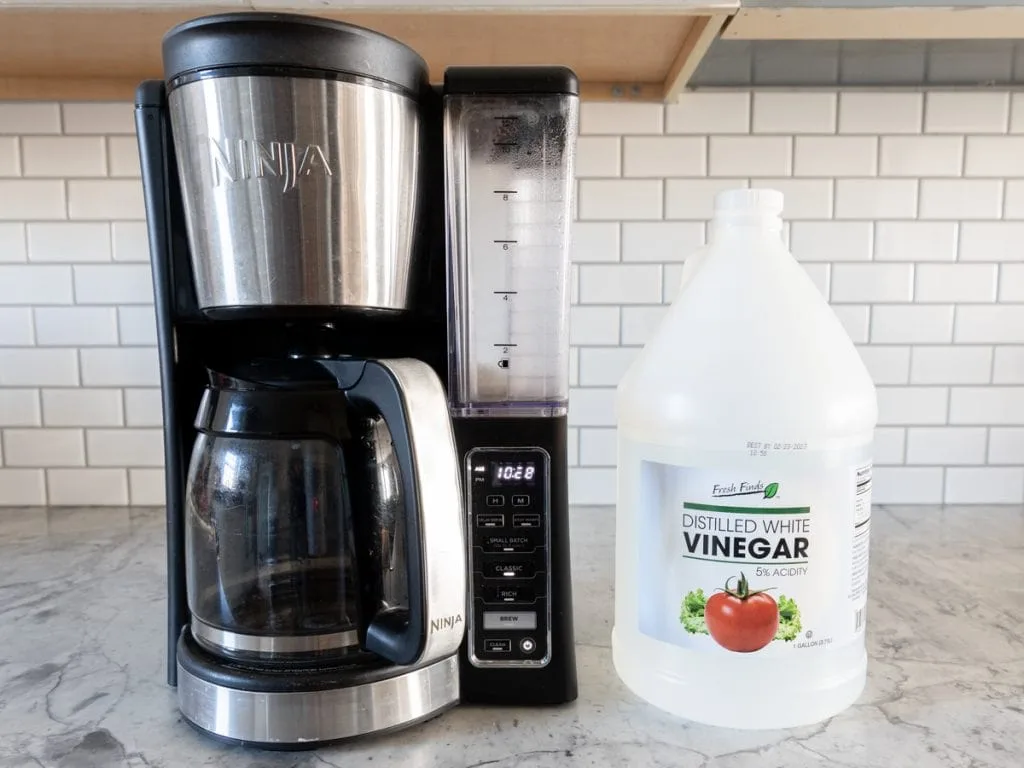
Image source: Bing (Web (fair-use with source credit))
Quick Answer
Mix equal parts white vinegar and water. Fill the reservoir. Run a brew cycle.
Let it sit 30 minutes. Run another half cycle. Empty.
Refill with fresh water. Run two full rinse cycles. That's the core process.
Adjust ratios based on buildup severity. Always check the manual first.
Why Your Coffee Maker Needs This Clean
That white crust you see inside the water reservoir? That's limescale. It's calcium carbonate left behind by hard water.
Over time, it coats the heating element and internal pipes. A layer of scale just 1/16 inch thick reduces heating efficiency by about 20%. That means your machine works harder, uses more energy, and actually underheats the water.
But the real problem is taste. Scale traps old coffee oils and bacteria. You're brewing fresh coffee through a film of stale residue.
No wonder the flavor turns sour or metallic. Descaling with vinegar restores both temperature and taste. It's the cheapest, most effective way to reset your machine.
Manufacturer specifications from Cuisinart and Mr. Coffee explicitly state that regular descaling extends the life of the machine by preventing thermal damage. A well-maintained drip coffee maker can last 5, 7 years instead of quitting at 2, 3.
That alone is worth the 45 minutes this whole process takes.
What You'll Need (Including What to Remove)
Gather these before you start. Nothing worse than realizing you're out of vinegar mid-cycle.
| Item | Purpose |
|---|---|
| White distilled vinegar | Descaler (do not use apple cider or balsamic) |
| Fresh water | For the mixture and rinse cycles |
| Measuring cup | To get the ratio right |
| Clean dish towel | For wiping down exterior and drip tray |
| The coffee maker’s user manual | To confirm your machine allows vinegar (most do, but some espresso machines forbid it) |
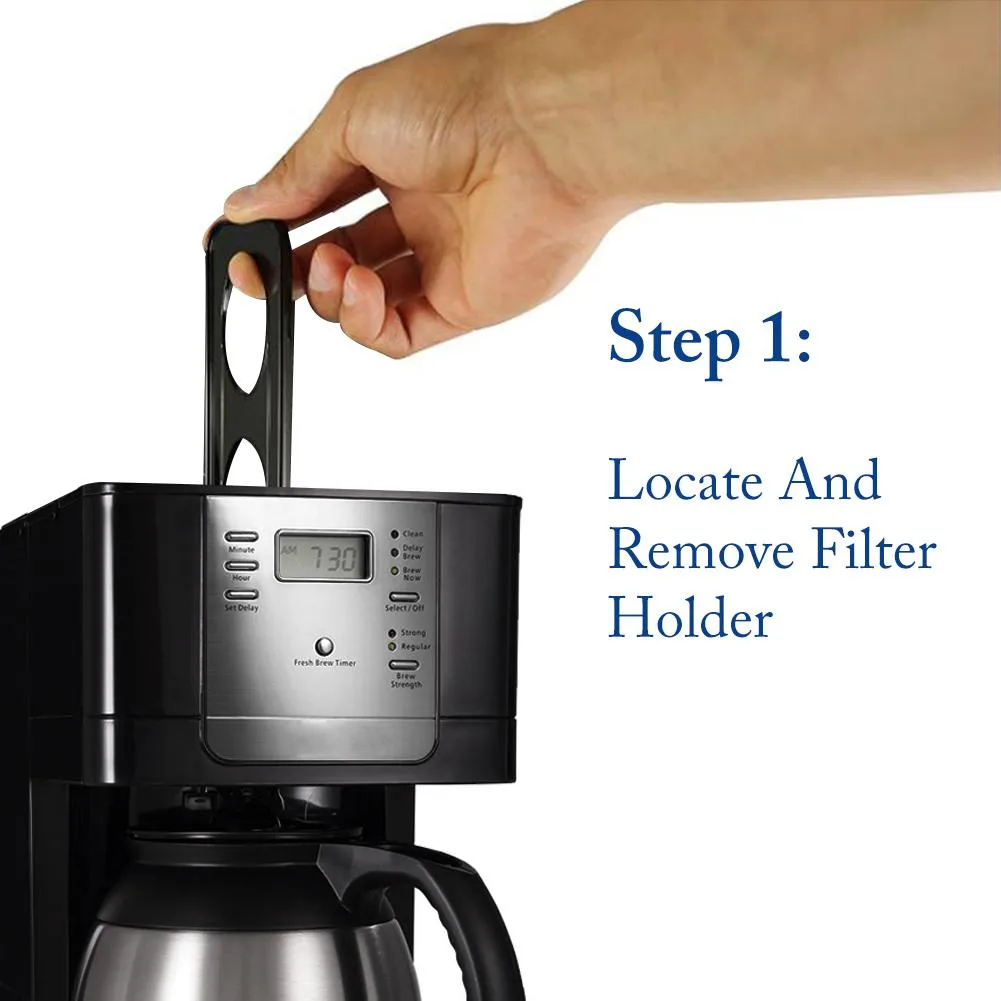
Image source: Bing (Web (fair-use with source credit))
Before you do anything, remove the charcoal water filter if your machine has one. That little cylindrical or disc-shaped filter sits in the reservoir or in a dedicated slot. Vinegar will destroy the activated carbon and release those particles into your brew.
So pull it out, rinse it, and set it aside. You won't reinstall it until after the final rinse cycle.
Also take out the brew basket and wash it separately with warm soapy water. Same goes for the carafe, especially if it's a glass pot that can go in the dishwasher. You want all loose grounds and oils gone before you descale, so the vinegar hits only the mineral scale.
The Step-by-Step Decision Tree
Here's where the condition variables come in. Your exact situation changes the process. Follow the branch that matches your machine and scale level.
If you have a standard drip coffee maker:
- Fill the reservoir with a 1:1 vinegar-water mixture for heavy buildup (white flakes or slow brew) or 1:2 for maintenance.
- Start a brew cycle. Let about half the water run through, then turn off the machine (or unplug it). Let it sit for 30 minutes (heavy) or 15 minutes (light).
- Restart the cycle and let the rest run through. Empty the carafe.
- Fill reservoir with fresh water and run a full cycle. Repeat 2, 3 times until you smell no vinegar.
If you have a single-serve pod machine (Keurig, Ninja, etc.):
- Same mixture, but stop the cycle after the first 4, 6 ounces. Let it sit 30 minutes. Then run the rest. Some models require three full tank runs with vinegar, then five rinse cycles. Check the manual.
If you have an espresso machine with a steam wand:
- You'll need to also run the mixture through the steam wand for 30 seconds to descale the boiler. Most espresso machines require a commercial descaler, vinegar can damage rubber seals in the boiler. Better to use a citric-acid descaler. If you're set on vinegar, dilute it 1:4 and run only the hot water outlet, not the steam wand.
If you haven't cleaned in over 6 months (heavy scale):
- Run the first cycle with undiluted vinegar (1:1 is already strong enough, do not use full strength vinegar). Let it soak for a full hour. Then run a second vinegar cycle. Rinse aggressively with 4, 5 fresh water cycles. Expect the water to spit and sputter during the first rinse as loosened scale dislodges.
If it's only been 1, 2 months (light maintenance):
- 1:2 ratio, 15 minute soak, two rinse cycles. Done in under 30 minutes.
How to Rinse Properly (No Aftertaste)
This is where most people mess up. They skimp on rinse cycles and end up with a lingering vinegar smell in their coffee for weeks. That's not just unpleasant, it also ruins the flavor of your beans.
The rule: run fresh water through the machine until you can't smell vinegar anymore. For a standard 12-cup drip machine, that's at least 2 full reservoirs. For a smaller 5-cup model, plan for 3 to 4 reservoirs.
For a single-serve pod machine, it takes 6, 8 full tank cycles (about 60 ounces total).
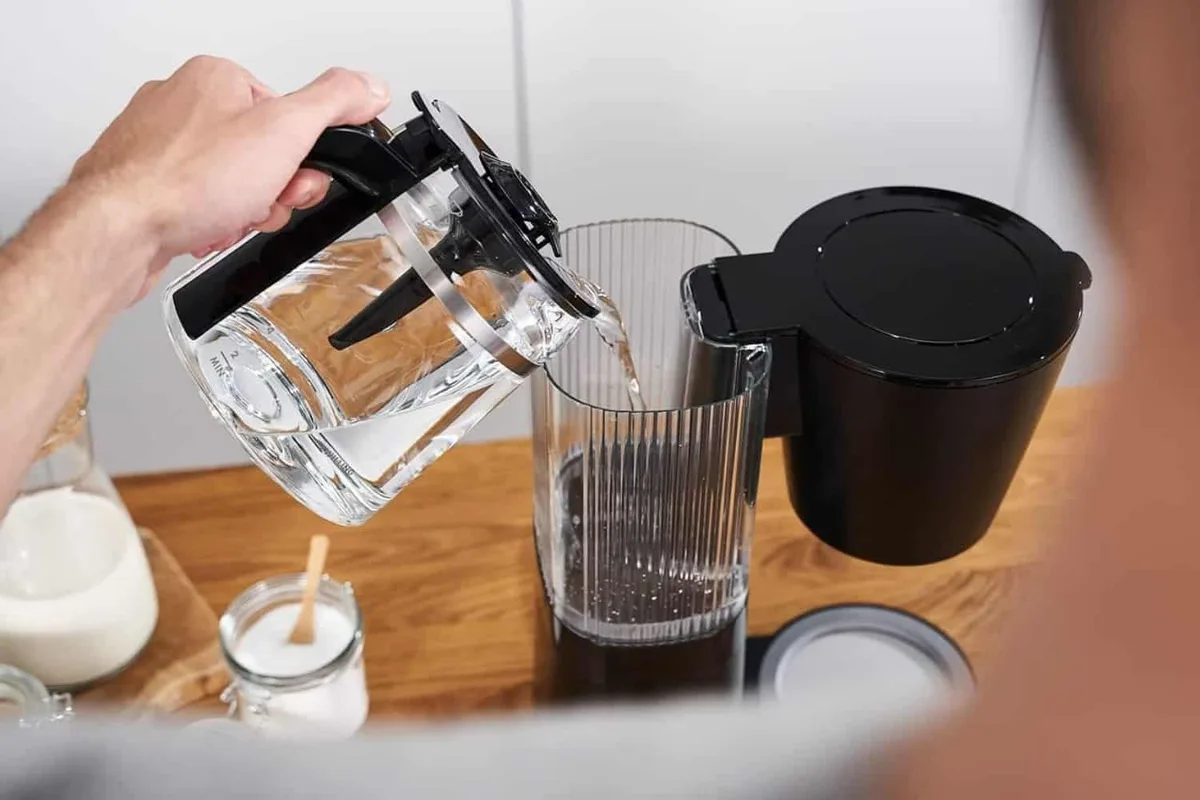
Image source: Bing (Web (fair-use with source credit))
Here's a simple test: after each rinse cycle, open the lid and sniff the reservoir. If you detect any sharp acetic smell, keep going. Also taste a drop from the carafe spout, if it's sour, run another cycle.
You want it to taste like plain tap water, nothing else.
Do not use soap or detergent for rinsing. Soap bubbles can get trapped in the internal tubing and cause foaming during the next brew. Fresh water only.
Once you're satisfied, wipe down the exterior and drip tray with a damp cloth. Then reinstall the charcoal water filter (if you removed one). Brew one full pot of fresh water and discard it before making your first real coffee.
That final flush removes any last traces from the brew basket and filter area.
How Often Should You Descale?
The answer depends on two things: your water hardness and how many pots you brew per week.
Water hardness: If you're on municipal hard water (over 7 grains per gallon), descale monthly. The U.S. Geological Survey provides water hardness maps by region, check yours.
Soft water (under 3.5 grains) means you can stretch to every 3, 4 months.
Brewing frequency: A household that brews 2 pots a day will accumulate scale faster than one that uses it twice a week. For a heavy usage scenario (10+ cycles per week), descale every 6 weeks. For moderate usage (5, 10 cycles per week), every 2, 3 months.
For occasional use (under 5 cycles per week), every 3, 4 months.
Visual signs it's time: Brewing takes noticeably longer than when the machine was new. The coffee tastes flat or bitter despite fresh beans. You see white flakes floating in your cup.
Steam comes out erratically during brewing. Any one of these means descale now.
Manufacturer guidelines from major drip coffee maker brands (e.g., Bunn, Hamilton Beach) recommend descaling every 40, 60 brew cycles, which aligns closely with a 2, 3 month schedule for average users.
5 Common Mistakes That Ruin Your Machine
Even a simple vinegar descaling can go wrong fast. Here are the most common errors people make and how to avoid each one.
Using apple cider or white wine vinegar. These contain sugars and organic acids that leave sticky residue inside your machine. Only white distilled vinegar works for descaling. It's 5% acetic acid with no additives.
Skipping the charcoal filter removal. That little filter is designed to absorb impurities. Vinegar will saturate the carbon and release it into your brew. You effectively drink vinegar-soaked carbon particles.
Always pull it before you pour in the mixture.
Running only one rinse cycle. This is the top complaint in aggregate user feedback across major appliance forums. A single fresh water pass does not clear the internal tubing. You need 2 to 4 full reservoir cycles minimum.
If you still smell vinegar, keep going.
Using vinegar on machines with aluminum components. Some budget drip makers use aluminum heating plates or tubing. Extended vinegar contact can corrode aluminum. Check your manual.
If it mentions aluminum, switch to a commercial citric acid descaler instead.
Descaling too often. Vinegar is mildly acidic. Running a full descale every week strips any protective mineral layer inside the boiler. Stick to the 1 to 3 month schedule based on your water hardness.
Over-descaling accelerates seal wear and can cause leaks.
| Mistake | Why It Hurts |
|---|---|
| Wrong vinegar type | Leaves sugar residue, may stain |
| Filter not removed | Destroys carbon filter, ruins taste |
| Under-rinsing | Lingering vinegar smell for weeks |
| Aluminum contact | Corrosion, pinhole leaks over time |
| Too frequent descaling | Dried out seals, shortened lifespan |
Vinegar vs. Other Options: When to Switch
White vinegar is the default descaling solution for most home users. It's cheap, effective, and safe for stainless steel and glass. But it has limits.
Commercial descalers (citric acid based products like Urnex Dezcal) dissolve mineral scale faster and leave no odor. They're a better choice if you hate the vinegar smell. They also work at lower concentrations, meaning fewer cycles overall.
The trade off is cost: about $8 to $12 per bottle versus $1 for a jug of vinegar.
Citric acid powder is the middle ground. Mix one to two tablespoons per liter of water. It performs similarly to white vinegar but with zero smell.
It's also gentler on rubber seals. Many espresso machine manufacturers explicitly recommend citric acid over vinegar.
When you should NOT use vinegar:
- If your manual says "do not use vinegar" (some Breville and De'Longhi espresso machines warn against it due to seal compatibility)
- If your machine has aluminum parts
- If you have an espresso machine with a brass boiler (vinegar can tarnish the metal)
- If you use well water with high iron levels (vinegar can react with iron deposits and create a metallic taste that's hard to rinse out)
When vinegar is perfectly fine:
- Standard drip coffee makers with stainless steel or plastic internals
- Single-serve pod machines (Keurig, Mr. Coffee, Hamilton Beach)
- Thermal carafe machines (just descale the brew unit, not the carafe itself)
- Machines used with softened or municipal tap water
The rule of thumb: if your machine costs under $100 and uses a standard drip design, vinegar is safe and effective. If you spent over $200 on a semi-automatic espresso machine, spend the extra money on a commercial descaler recommended by the manufacturer.
Frequently Asked Questions
Can I descale with apple cider vinegar instead of white vinegar?
No. Apple cider vinegar contains sugars and sediment that leave a sticky residue inside your machine. It can also stain plastic parts.
Stick with plain white distilled vinegar for descaling.
How many times should I rinse after vinegar?
Run at least 2 full reservoirs of fresh water through the machine. For machines with small reservoirs or heavy buildup, plan for 3 or 4 cycles. Keep going until you cannot detect any vinegar smell from the carafe or reservoir.
What if the vinegar smell won't go away after rinsing?
Run another full water cycle with a tablespoon of baking soda added to the reservoir. Let it sit 10 minutes, then flush with fresh water. The baking soda neutralizes residual acetic acid.
Follow with one final plain water cycle.
Can vinegar damage my coffee maker's rubber seals?
Yes, if left sitting too long. Acetic acid can dry out rubber gaskets over time. Never let vinegar sit in the reservoir for more than 60 minutes.
Always follow with thorough fresh water rinses. For older machines, consider using a citric acid descaler instead.
How often is too often to descale with vinegar?
Descaling more than once a month is excessive for most households. Unless you have very hard water (over 10 grains per gallon) and brew multiple pots daily, stick to every 2 to 3 months. Over-descaling accelerates wear on seals and valves.
Is it cheaper to use vinegar or commercial descaler?
Vinegar costs about $1 per cleaning. Commercial descaler runs $2 to $4 per cleaning depending on the brand. Over a year, vinegar saves you roughly $12 to $24.
For standard drip machines, the savings are worthwhile. For expensive espresso machines, the manufacturer's solution is worth the extra cost.