Remove Rust from Cast Iron Without Sanding
If you've looked up how to remove rust off of cast iron, you've likely stared at a speckled skillet and wondered whether it's trash or treasure. Most rusty cast iron is very much saveable. The trick is picking the right method for the damage in front of you.
Too rough, and you'll damage the metal. Too gentle, and rust will win.
Cast iron rusts when moisture hits bare metal and the seasoning layer breaks down. Manufacturer specifications indicate that a 1:1 white vinegar solution can lift light rust in about 15 minutes, but anything over 30 minutes risks etching the iron. As of 2026, the same restoration logic holds: check the damage, choose the right branch, and re-season before cooking.
Let's figure out which situation you're in.
Quick Answer
To remove rust off of cast iron, scrub it with steel wool and re-season. For heavier rust, soak in a 1:1 vinegar-water mix for 15 to 30 minutes. Rinse, dry completely, then coat with a thin layer of oil.
Re-season at 400°F to 450°F for one hour.
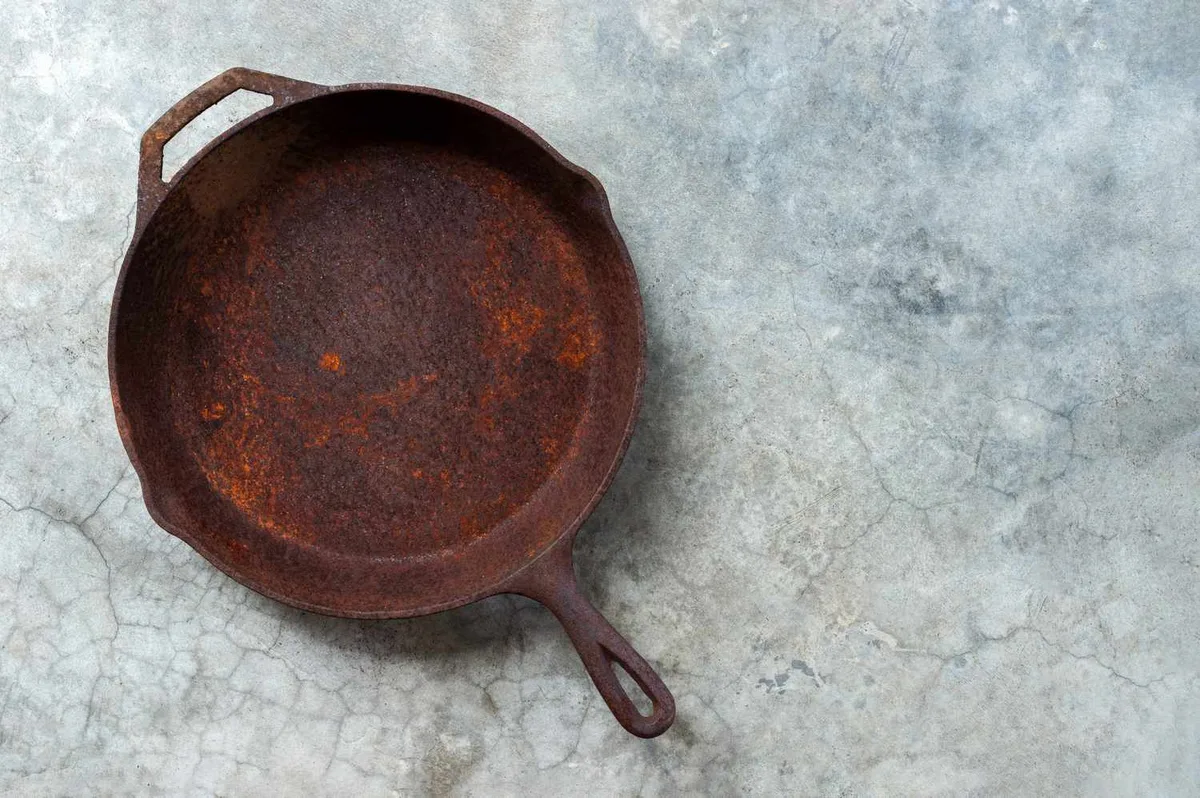
Image source: Web (Bing) / southernliving.com (Web image (fair-use with source credit))
First, Check What You're Working With
Bare cast iron vs. enameled: why it matters first
Flip the pan over. Bare cast iron feels rough and looks matte gray. Enameled cast iron has a smooth, glassy coating.
One difference changes everything.
Rust on bare iron is easy to fix. Rust on enameled cookware needs a gentler touch. You can't scrub enamel with steel wool or soak it in vinegar.
Both will scratch the coating.
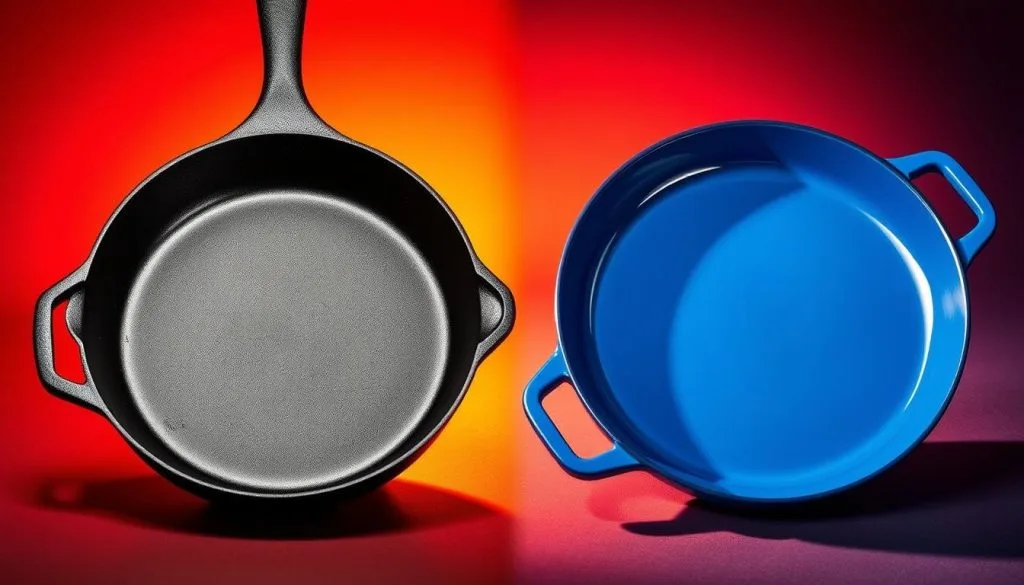
Image source: Bing (Web (fair-use with source credit))
Lodge, the largest U.S. cast iron manufacturer, says the same thing. Know your pan type before cleaning. The official Lodge care center is a solid reference.
Surface rust vs. deep pitting: how to tell the difference
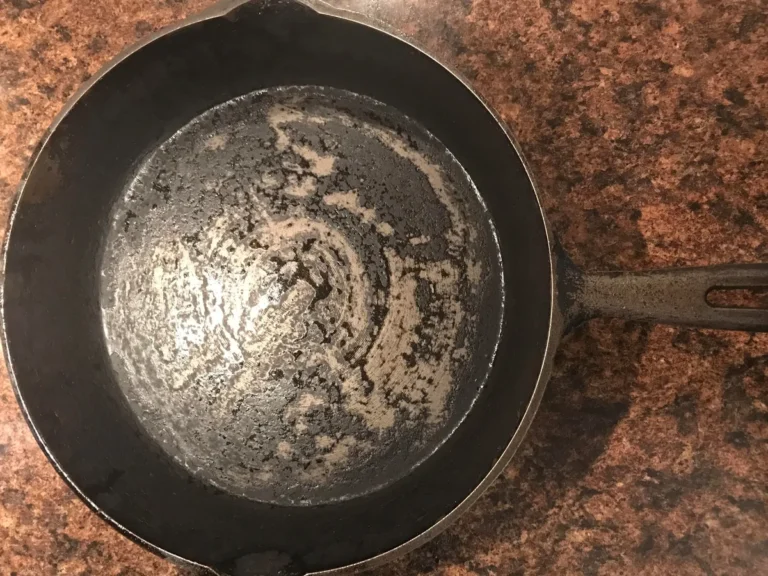
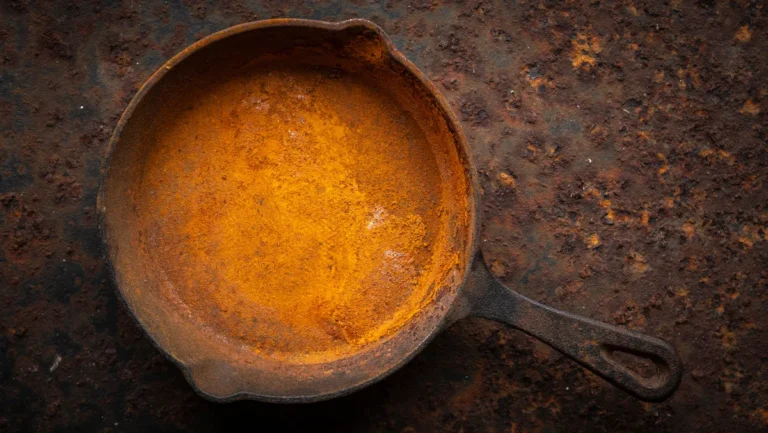
Surface rust looks like orange powder that sits on top. It often wipes off with a paper towel. Deep pitting looks like dark craters or rough black-brown holes.
Run your finger over it. Rough means rust has eaten below the surface.
The is-it-salvageable test
Rust alone is almost never fatal. Cracks and warps are different. Cracks can split under heat.
Warped pans wobble on the stove. Those are the only reasons to replace the pan.
The Decision Tree: Which Method Fits Your Rust Level?
Here's the short version. Light rust needs elbow grease. Moderate rust needs a soak.
Heavy rust needs electrolysis or a chemical stripper.
| Rust Level | What It Looks Like | Best Method | Time Needed |
|---|---|---|---|
| Light | Orange dust, smooth | Steel wool or chainmail | 10 to 20 minutes |
| Moderate | Brown-orange patches, texture | Vinegar or citric acid soak | 30 to 60 minutes |
| Heavy | Deep pits, dark craters | Electrolysis or chemical remover | Several hours to overnight |
Light surface rust: the scrub-and-season shortcut
If the rust is just a haze, skip the vinegar. Grab steel wool or a chainmail scrubber. Add warm water and a drop of dish soap.
Scrub in circles, rinse, and dry well.
Moderate rust: the vinegar soak or citric acid bath
Mix equal parts white vinegar and water. Submerge the pan and check it every 10 minutes. Scrub gently with steel wool.
The rust should lift within 15 to 30 minutes. If not, try citric acid powder. Dissolve one tablespoon per quart of warm water and soak 30 to 60 minutes.
Heavy or neglected rust: electrolysis or chemical stripper
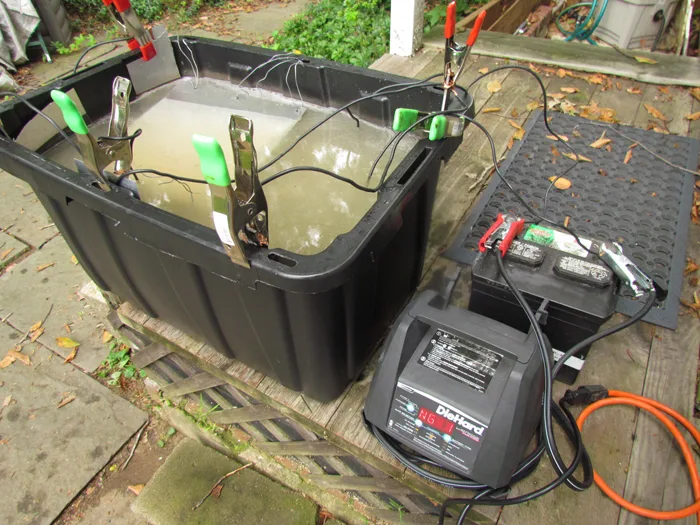
Image source: Bing (Web (fair-use with source credit))
Electrolysis uses a 12-volt battery charger, a plastic tub, and a scrap steel anode. It pulls rust off without scrubbing and works best on antique or deeply pitted pans. You need space and patience.
Chemical rust removers also work, but they cost more and leave a residue you must rinse off.
The Workflow: Step-by-Step for Each Situation
Light rust: scrub, dry, oil, season
- Wash with warm water and a few drops of dish soap.
- Scrub rusted spots with steel wool or chainmail.
- Rinse and check for remaining orange.
- Dry with a towel, then heat over low heat for 2 to 3 minutes.
- Rub in a thin layer of vegetable oil.
- Heat at 400°F for one hour, upside down, with a tray below.
Let it cool inside the oven. That seals the metal.
Moderate rust: soak, neutralize, dry, re-season
- Mix a 1:1 vinegar-water solution.
- Submerge the pan for 15 minutes.
- Scrub with steel wool. Rinse once the rust lifts.
- Soak another 10 minutes if needed, but never past 30 total.
- Rinse, then wipe with a baking soda paste.
- Dry completely and re-season.
The baking soda neutralizes the acid and helps prevent flash rust.
Heavy rust: electrolysis setup, removal, final prep, multi-layer seasoning
Set up a plastic tub, a 12-volt battery charger, and a scrap steel anode. Attach the pan to the negative lead. Attach the steel to the positive lead.
Do not let the clamps touch the water. Run it 12 to 24 hours.
After the bath, scrub off the loose residue. Season two or three times, one hour each at 400°F to 450°F. Let the pan cool between coats.
Never run electrolysis near open flames. It releases hydrogen gas.
Common Restoration Mistakes That Ruin a Pan
Over-soaking in vinegar
Vinegar eats rust, but it also eats iron. Leave a pan in for more than 30 minutes and you'll see gray etching. That damage is permanent.
Set a timer and check every 10 minutes.
Using the wrong tool on enameled pans
Steel wool scratches enamel. Those scratches become places where food sticks. On enameled pans, use a soft sponge or a baking soda paste.
If the enamel is chipped, stop using it. The USDA's food safety guidance recommends discarding chipped enamel cookware.
Skipping the drying step (flash rust)
Rinse a bare pan and walk away. Five minutes later, it's orange again. That's flash rust.
Always towel dry, then heat the pan over low heat for a few minutes. Then oil it right away.
Applying too much oil before seasoning
Seasoning is a thin layer, not a coating. Thick oil turns sticky and gummy. Use a paper towel to rub oil in, then try to wipe it all off.
The invisible film left behind is exactly the right amount.
How to Keep Rust Off for Good
Drying habits that matter
Make drying a ritual. After washing, towel dry the pan, then set it on the stove over low heat until it just starts to smoke. That takes two minutes and prevents flash rust.
In humid climates, rust can appear in under five minutes if you skip this.
The right storage environment
Store bare cast iron in a dry cabinet, away from the sink. If you stack pans, put a paper towel between them. Avoid the dishwasher completely.
Dishwasher detergent strips seasoning and leaves iron vulnerable.
When to re-season proactively
Don't wait for rust. If the pan looks dull, gray, or sticky, do a quick stovetop oil-and-heat treatment. Rub in a thin layer of oil, heat until it smokes, cool, and wipe again.
Five minutes of upkeep beats a full restoration.
FAQs: What People Actually Ask About Cast Iron Rust
Can I use sandpaper or a wire brush on cast iron?
Yes, but only on bare cast iron. Sandpaper works well for stubborn rust spots. Start with 80-grit and move to 120-grit for a smoother finish.
A wire brush attachment on a drill speeds up the job. Just avoid wire brushes on enameled surfaces. They leave permanent scratches.
Is the pan ruined if rust caused pitting?
Not usually. Pitting looks alarming, but it rarely affects how the pan cooks. The pits fill in over time as you build new seasoning layers.
Deep pitting on the cooking surface might cause food to stick. You can smooth it with sandpaper before re-seasoning.
Can I still cook in the pan while it has rust?
No. Rust flakes are iron oxide, and they contain no nutritional value. Cooking on a rusty surface also ruins the flavor of food.
The rust can flake off into whatever you're making. Clean the rust first and re-season before you cook again.
Does vinegar damage the seasoning underneath?
Vinegar targets rust, not seasoning. A healthy layer of black seasoning resists short vinegar soaks. But vinegar can soften weak spots or thin seasoning.
That's why you limit the soak to 30 minutes max. After removing rust, you always re-season the exposed bare spots anyway.
Why does my pan flash rust after I clean it?
Flash rust happens when bare iron meets oxygen and water at the same time. The reaction takes only a few minutes. Towel dry the pan immediately.
Then heat it on the stove to evaporate any leftover moisture. Oil the pan while it's still warm to seal the surface.
How often should I re-season my cast iron?
Most people re-season once or twice a year. The real signal is the pan's appearance. If the surface looks dull, gray, or sticky, it needs a new layer.
If food starts sticking more than usual, add a stovetop season. You do not need to strip the pan every time.
Final Word: Which Path Is Right for Your Pan
Quick decision recap based on rust level and pan type
Here is the simple version. For light surface rust on bare iron, scrub and re-season. For moderate rust on bare iron, soak in vinegar for 15 to 30 minutes.
For heavy rust on bare iron, set up electrolysis or use a chemical rust remover. For any rust on enameled pans, use a baking soda paste and a soft sponge. Never soak or scrub enamel.
One-sentence takeaway for each scenario
Light rust on a seasoned pan fixes in under 20 minutes with steel wool and oil. Moderate rust needs a short vinegar soak and fresh seasoning. Heavy rust with pitting responds best to electrolysis but requires patience.
Enameled pan rust wipes away with baking soda and gentle scrubbing. Your pan is almost never beyond saving.