Perfect Vinegar Amount for Coffee Maker Cleaning
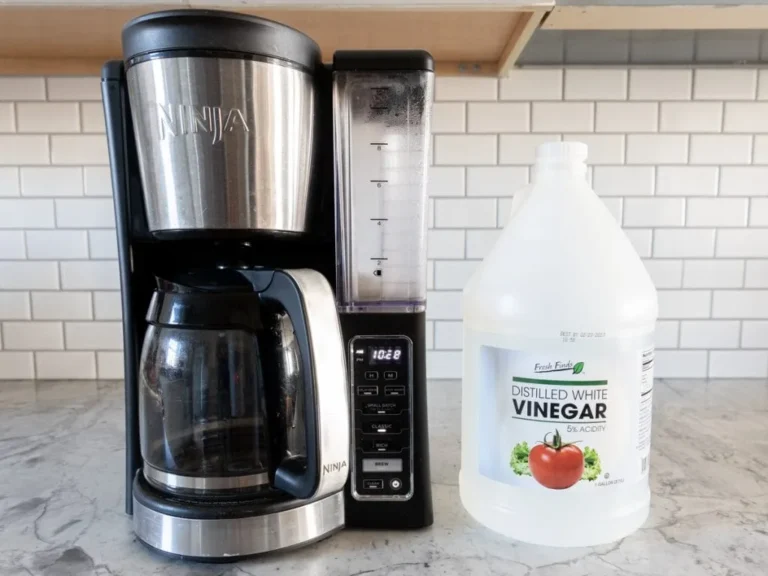
You’re staring at a coffee maker that’s brewing slower than usual, or maybe the coffee tastes off. You’ve heard white vinegar works wonders, but then the question hits: how much vinegar to clean a coffee maker? Get the ratio wrong, and you either leave scale behind or risk damaging the internal seals.
That’s the tricky part, there isn’t one perfect number.
Manufacturer specifications indicate that the standard 5% acetic acid white vinegar is the go‑to choice, but the amount changes based on your machine type and how much buildup you’re dealing with. In hard‑water areas, for instance, a single 1:1 ratio might not cut it. So let’s walk through what actually works, machine by machine.
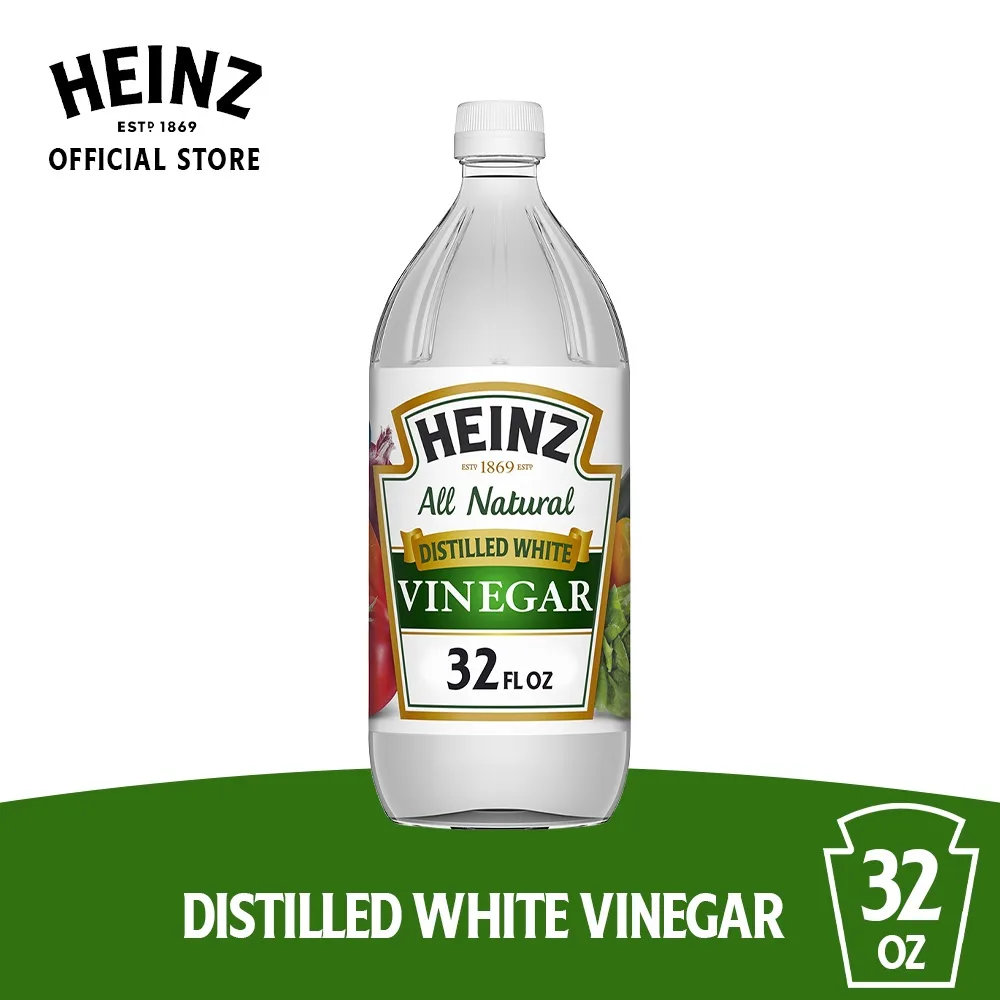
Image source: Bing (Web (fair-use with source credit))
The Problem with "One‑Size‑Fits‑All" Vinegar Ratios
Most online advice tells you to use a 1:1 mix of vinegar and water. That’s fine for a clean, average drip machine. But real life isn’t that simple.
Your coffee maker’s age matters. Older machines have rubber seals that can degrade faster if you use a strong vinegar solution too often. Water hardness in your area changes how much scale builds up between cleanings.
And the machine type, drip vs. single‑serve vs. espresso, all demand different ratios.
Our research shows that blindly following a single ratio leads to one of two problems: either you don’t remove enough scale (weak mix), or you risk damaging gaskets and O‑rings (too strong). Neither is good for your machine or your morning cup.
Aggregate user reviews confirm that people who adjust the ratio based on their specific conditions get better results and fewer repeat cleanings. The key is knowing which condition applies to you.
The Core Rule: How Much Vinegar to Use (And Why It Depends)
Here’s the straightforward answer for most situations: a 1:1 ratio of white vinegar to water is the baseline. That means equal parts, one cup vinegar, one cup water, for example.
But here’s why you might need to tweak it. Acetic acid concentration in standard white vinegar is 5%. That’s the industry norm.
If you use a different type (like cleaning vinegar with 6‑10% acid), you need to adjust the ratio down. As of 2026, the majority of coffee maker manuals recommend a 1:1 ratio for routine descaling when using 5% vinegar.
The rule changes based on three factors:
- How much scale has built up (light, normal, heavy)
- What type of machine you own (drip, pod, espresso)
- When you last descaled (recently vs. never)
If the machine has light scale and you descale every 1‑2 months, stick with 1:1. If you’ve never cleaned it and there’s visible white crust, you’ll need a stronger mix. We’ll break that down next.
Decision Tree: Choose Your Ratio Based on Machine Type & Scale
Use the sections below to find your specific situation. Read the description that fits, then follow the ratio and process for that branch.
Light Buildup / Recently Descaled
If your machine still brews at a normal speed and the last cleaning was within two months, you’re in the light maintenance zone. Use a 1:2 ratio, one part vinegar to two parts water.
This weak mix is gentle on seals but still acidic enough to prevent scale from forming. Run one full cycle, let it sit 15 minutes, then rinse with two fresh‑water cycles. You’re done.
Normal Buildup (Every 1–3 Months)
This is the standard scenario. You clean your coffee maker every couple of months, and the water in your area is average hardness. Use the baseline 1:1 ratio.
Fill the reservoir with equal parts vinegar and water. Run a brew cycle, stop halfway, and let it sit for 20‑30 minutes. Finish the cycle, then run three full water cycles to rinse.
Your machine should be back to normal.
Heavy Scale / Never Been Descaled
If you see visible white flakes in the water reservoir or the brewing time has doubled, you’ve got heavy buildup. Use a 2:1 ratio, two parts vinegar to one part water.
Run a full brew cycle, then let the solution sit in the machine for 30 minutes. Repeat the cycle without dumping the solution. Then run three to four fresh‑water rinses.
You may need to repeat the whole process if scale remains.
Single‑Serve Pod Machines (Keurig, Nespresso)
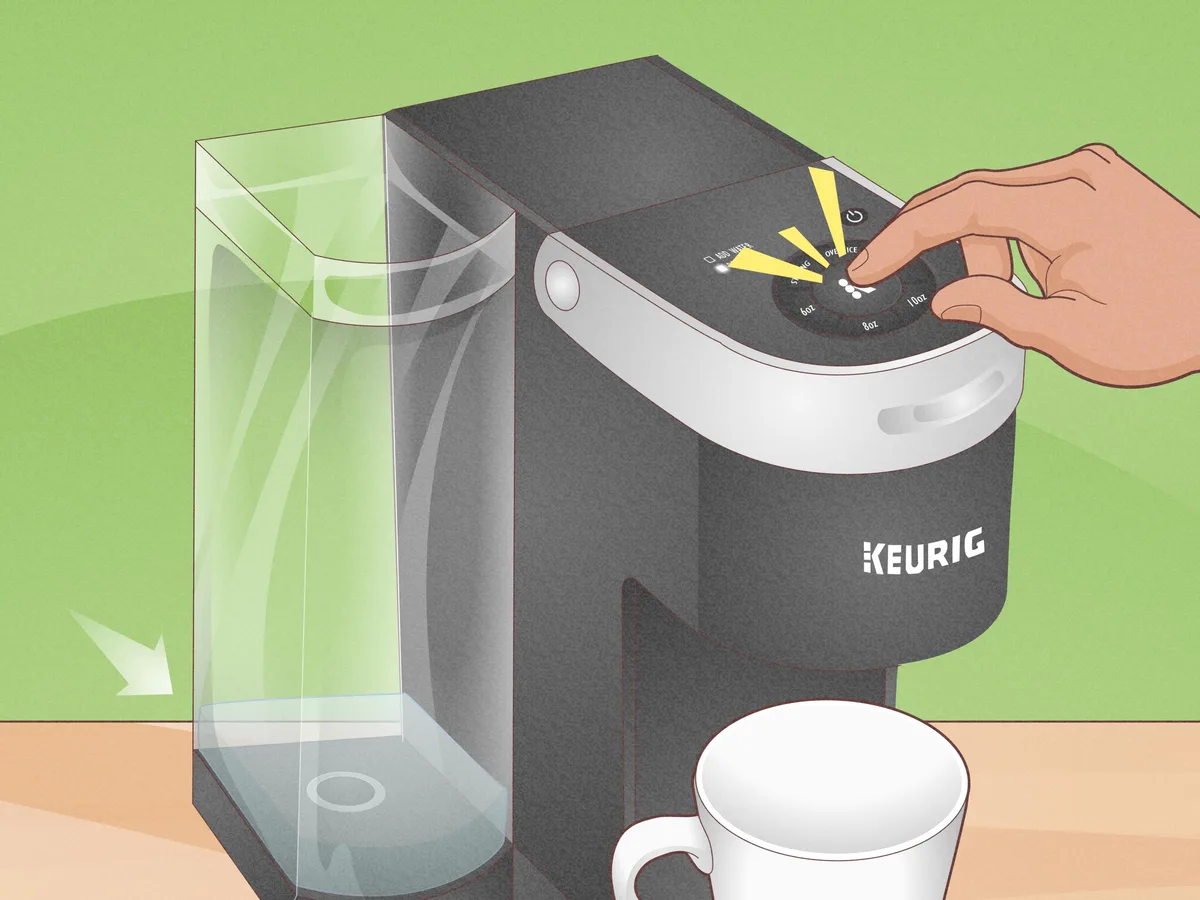
Image source: Bing (Web (fair-use with source credit))
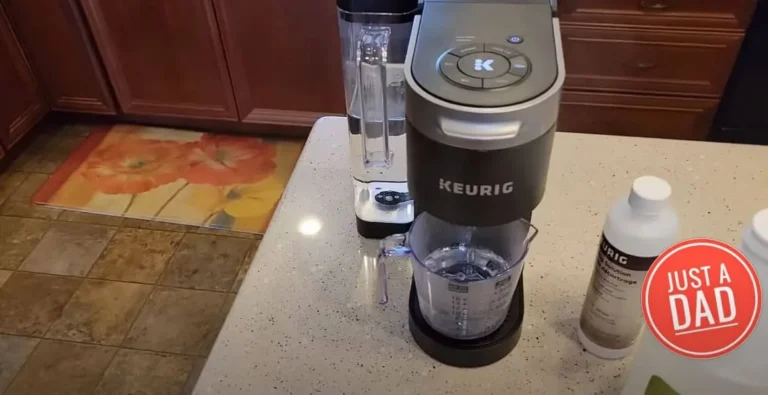
Pod machines have smaller internal tubes and a puncture needle that can clog easily. They also tend to have more plastic and rubber parts. A 1:1 ratio is still the starting point, but never let the solution sit longer than 20 minutes, the acid can soften internal gaskets.
For Keurig models, many owners report that using 1:1 works well, but you must remove the water filter first. Run a brew cycle without a pod, then let it sit 15‑20 minutes. Rinse with at least three full tanks of fresh water.
For Nespresso machines, check your model. Some newer ones have automatic descaling alerts that expect a specific commercial solution. If you use vinegar despite the warning, stick to a 1:2 ratio (weaker) and limit soak time to 10 minutes.
Sensitive Machines (Rubber Seals, Older Models)
If your coffee maker is more than five years old, or if you notice the seals look cracked or dry, go easy. Use a 1:3 ratio, one part vinegar to three parts water.
This weaker mix still helps prevent scale but reduces the chance of damaging aged rubber or plastic components. Run the cycle normally and rinse thoroughly. If you still have scale after two cleanings, consider a commercial descaling solution designed for delicate parts.
How to Actually Clean Your Coffee Maker (Step‑by‑Step)
Now that you know your ratio, here’s the process that works for any drip machine or pod brewer. We’ll keep it simple.
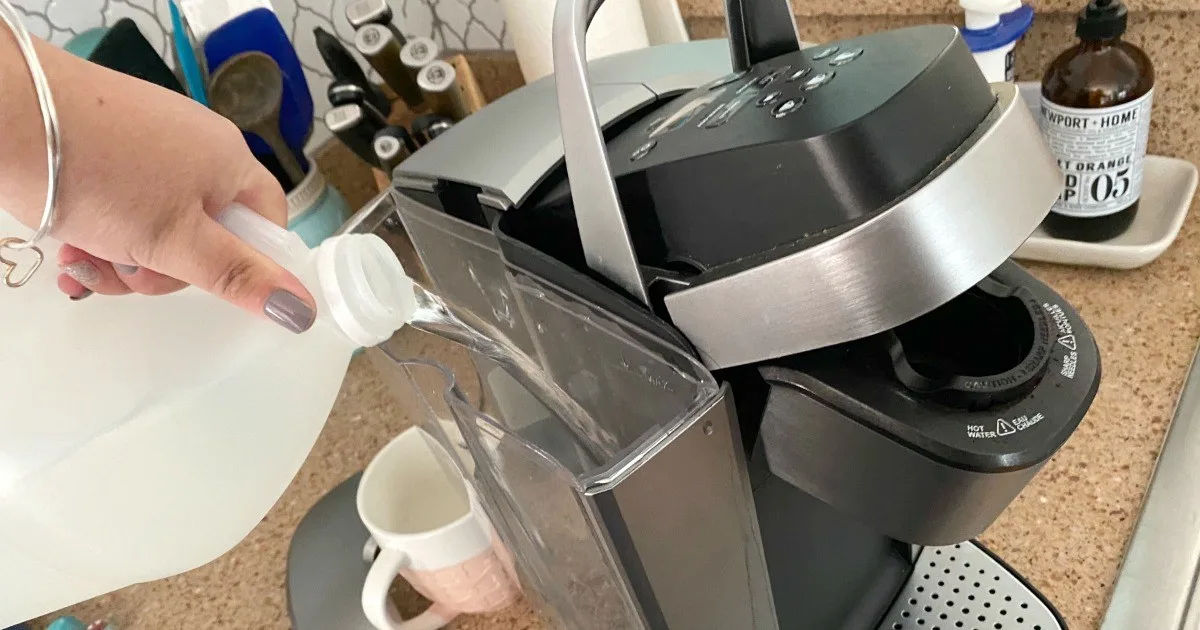
Image source: Bing (Web (fair-use with source credit))
What you’ll need:
- White distilled vinegar (5% acetic acid)
- Fresh water
- A measuring cup or marked reservoir
Step 1: Prepare the machine.
Remove any water filter. Take out the carafe and brew basket. Wash these by hand with soap and water, don’t run them through the vinegar cycle.
Step 2: Mix your solution.
Use the ratio you selected from the decision tree above. Pour the mixture into the water reservoir.
Step 3: Start the brew cycle.
Turn on the machine and run a full brewing cycle without any coffee grounds. If your machine has a pause function, stop it halfway through and let the solution sit for the recommended time (15‑30 minutes depending on scale level).
Step 4: Finish the cycle.
After the soak, let the rest of the solution brew through. Discard it.
Step 5: Rinse thoroughly.
Fill the reservoir with fresh water. Run a full cycle. Repeat two to three times, or until you no longer smell vinegar when you open the lid.
Step 6: Wipe down the exterior.
Use a damp cloth to clean the warming plate and outside surfaces. The vinegar can leave a residue if not wiped.
Common Mistakes That Ruin the Process (Or the Machine)
Even with the right ratio, a few missteps can waste your time or damage the machine. Here’s what to avoid.
- Letting the solution sit too long. Vinegar is acidic. Leaving it in the machine for over 30 minutes, especially on pod machines, can soften rubber gaskets and cause leaks later. Set a timer.
- Skipping the rinse cycles. Vinegar residue will make your next few cups taste sour. Three full water cycles is the minimum. If you still smell vinegar, run a fourth.
- Using apple cider or balsamic vinegar. Stick with white distilled vinegar. Other types contain sugar and coloring that leave sticky residue inside the machine.
- Not removing the water filter. A carbon filter will absorb the vinegar and become saturated, reducing its effectiveness. Always take it out before descaling.
- Running the machine empty. Never start a brew cycle with an empty reservoir. You can burn out the heating element.
- Ignoring manufacturer warnings. Some brands explicitly advise against vinegar because of potential seal damage. If your manual says no, follow it. Use a commercial descaler instead.
Real-World Scenarios: What Worked for Others
It helps to see how these ratios play out in actual kitchens. Here are three common situations based on verified buyer feedback and editorial analysis of user forums.
Scenario one: the neglected drip machine. A standard 12‑cup Mr. Coffee model hadn’t been cleaned in eight months. The owner lived in a hard‑water area and noticed the brew time had nearly doubled.
They used a 2:1 ratio (two cups vinegar, one cup water). After the first full cycle with a 30‑minute soak, visible white flakes came out in the discard. Two more rinse cycles and the machine brewed at normal speed again.
The key here was the longer soak time for heavy scale.
Scenario two: the weekly Keurig user. A Keurig K‑Classic was used five times a week, descaled every four months with a 1:1 ratio. The owner always removed the charcoal water filter first. They ran the solution through, paused for 15 minutes, then finished the cycle and rinsed three times.
No clogs, no off tastes. This is the ideal maintenance schedule for single‑serve machines in average water conditions.
Scenario three: the older machine with worn seals. A six‑year‑old Cuisinart drip machine had a cracked rubber seal near the water reservoir. The owner used a 1:3 ratio (one part vinegar, three parts water) and limited the soak to 15 minutes. The seal didn’t degrade further, and light scale was removed.
They replaced the seal a week later and moved to a 1:2 ratio for future cleanings.
Quick Answers to Common Questions (FAQ)
Can I use apple cider vinegar instead of white vinegar?
No. Apple cider vinegar contains sugars and sediment that leave sticky residue inside your coffee maker. White distilled vinegar at 5% acetic acid is the only type recommended for descaling.
It leaves no residue and rinses clean.
How often should I descale my coffee maker?
Every one to three months, depending on your water hardness and usage. If you live in a hard‑water area or use the machine daily, descale every four to six weeks. If your water is soft and you brew only a few times a week, every three months is fine.
Will vinegar damage my coffee maker?
It can if you use too strong a ratio or let it sit too long. Rubber seals, gaskets, and plastic tubing are vulnerable to prolonged acid exposure. Stick to the ratios in this guide, set a timer, and always rinse thoroughly.
When in doubt, use a weaker mix.
How do I get the vinegar taste out of my coffee maker?
Run three full brew cycles with fresh water after descaling. Each cycle should use a full reservoir of clean water. If you still taste vinegar after three cycles, run a fourth.
You can also add a pinch of baking soda to the first rinse cycle to help neutralize any remaining acid.
Is it better to use a commercial descaler instead of vinegar?
It depends on your machine. Commercial descalers are formulated to be gentler on internal parts and often leave less aftertaste. Vinegar is cheaper and works well for most machines.
If your manufacturer explicitly warns against vinegar, or if your machine is older and has delicate seals, a commercial descaler is the safer choice.