30 Minute Diabetic Recipes

Eating well doesn’t have to take hours in the kitchen—especially when you’re managing diabetes. These 30 minute diabetic recipes are crafted to be quick, nutritious, and satisfying, helping you maintain stable blood sugar without sacrificing taste or time. Whether you’re meal prepping or whipping up a last-minute dinner, these dishes prove that healthy eating can be fast, flavorful, and full of variety.
Living with diabetes doesn’t mean giving up flavor or convenience. In fact, it’s entirely possible to enjoy hearty, satisfying meals that support your health goals—even when you’re short on time. That’s where 30 minute diabetic recipes come in. These meals are thoughtfully designed to balance nutrition, speed, and taste, making them ideal for anyone managing blood sugar levels without spending hours in the kitchen.
Whether you’re cooking for one or feeding a family, these recipes offer practical solutions for real life. From quick stir-fries to one-pan dinners, each dish is built around whole foods that help stabilize glucose levels. Plus, they’re flexible enough to accommodate common dietary preferences like gluten-free, low-sodium, or vegetarian diets. Let’s dive into how you can create delicious, diabetes-friendly meals in half an hour or less.
Key Takeaways
- Balanced Nutrition: Each recipe focuses on lean proteins, healthy fats, and complex carbohydrates to support steady blood glucose levels.
- Time-Saving Meals: Designed for busy schedules, these recipes require 30 minutes or less from prep to plate.
- Low Glycemic Index Ingredients: Carefully selected foods like quinoa, leafy greens, and non-starchy vegetables help prevent blood sugar spikes.
- Flavor Without Sugar: Delicious seasonings, herbs, and spices replace added sugars while enhancing taste.
- Portion Control Friendly: Recipes include portion suggestions to help manage calorie intake and promote weight management.
- Easy Substitutions: Swap ingredients based on dietary needs—gluten-free, dairy-free, or low-sodium options available.
- Meal Prep Ready: Many recipes can be doubled and stored for convenient, repeatable diabetic-friendly meals.
📑 Table of Contents
Why 30 Minute Diabetic Recipes Work
Time is often the biggest hurdle when trying to eat healthy. Between work, errands, and family responsibilities, finding time to cook can feel impossible. But with 30 minute diabetic recipes, you don’t have to choose between health and convenience.
These meals are engineered to minimize prep and cook time without cutting corners on nutrition. Think pre-chopped veggies, one-pot methods, and ingredients that cook quickly together. For example, a simple grilled chicken breast and sautéed spinach can be ready in under 20 minutes. By focusing on efficient techniques—like batch cooking or using a microwave—you save time while still nourishing your body with the right balance of protein, fiber, and healthy fats.
Moreover, quick doesn’t mean bland. With bold spices, fresh herbs, and smart ingredient swaps, these recipes prove that healthy food can be exciting. You’ll find yourself reaching for lemons, garlic, turmeric, and chili flakes instead of sugary sauces or processed seasonings.
Essential Ingredients for Diabetic-Friendly Cooking
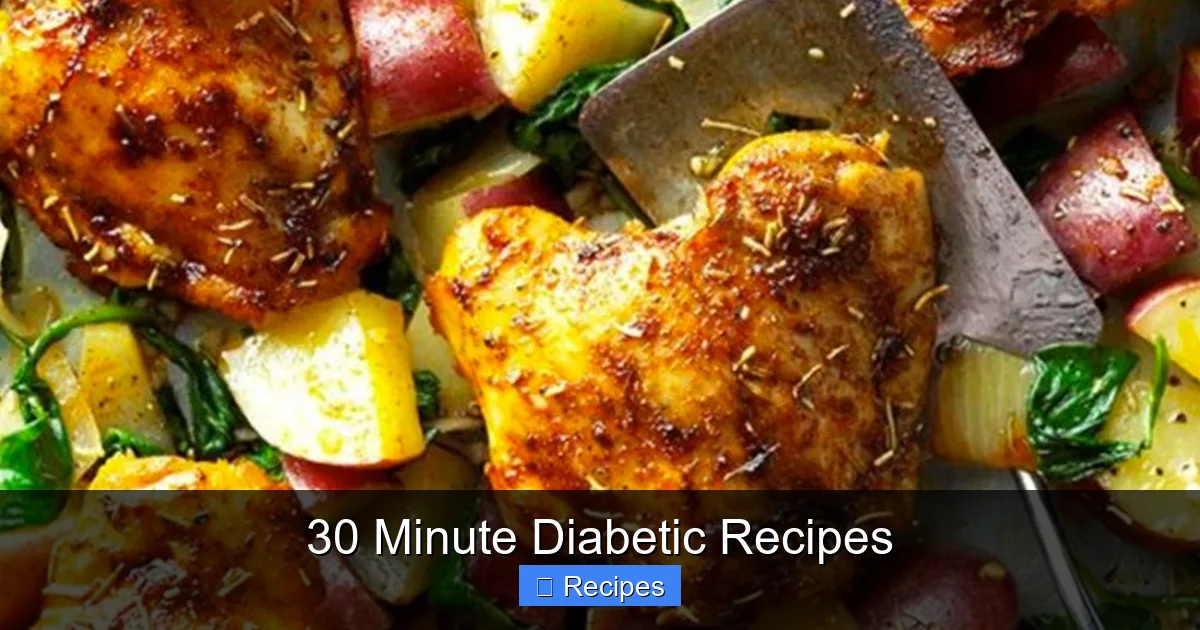
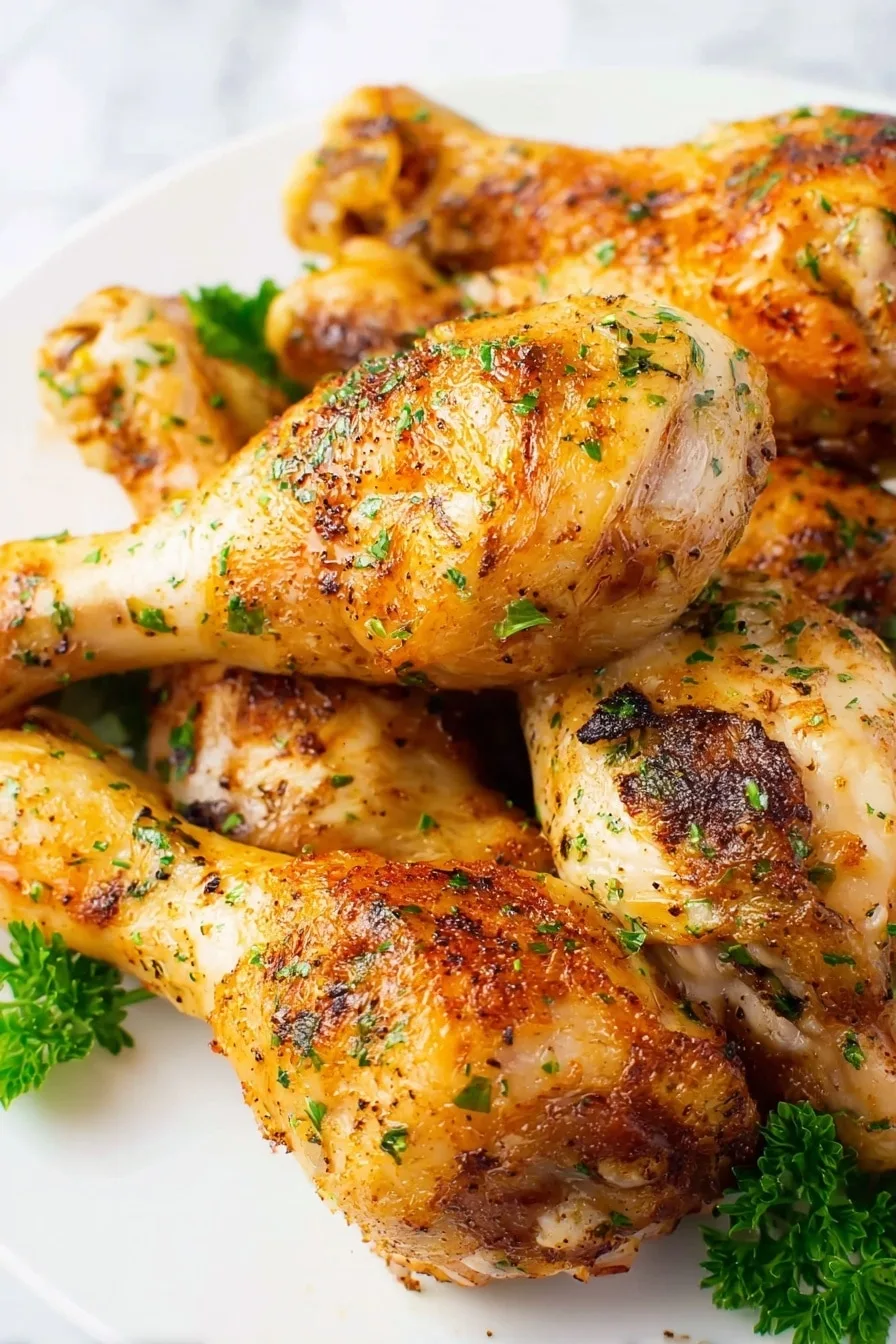
Visual guide about 30 Minute Diabetic Recipes
Image source: i.pinimg.com
To make the most of your 30 minute diabetic recipes, it helps to stock your pantry and fridge with the right ingredients. Focus on whole, unprocessed foods that are naturally low in sugar and high in nutrients.
Proteins
Include lean sources like skinless chicken, turkey, fish, tofu, tempeh, and legumes such as lentils and black beans. These provide satiating protein without spiking blood sugar.
Healthy Fats
Avocados, nuts, seeds, olive oil, and fatty fish like salmon are excellent choices. They support heart health and help slow carbohydrate absorption.
Low-Carb Vegetables
Leafy greens (spinach, kale, arugula), broccoli, zucchini, bell peppers, and cauliflower are ideal. They’re filling, nutrient-dense, and virtually carb-free.
Complex Carbs
When needed, opt for small portions of low-glycemic grains like quinoa, farro, or brown rice. Pair them with protein and fat to balance the meal.
Natural Flavor Enhancers
Skip the sugar and artificial sweeteners. Instead, use vinegar, citrus juice, garlic, ginger, and spices like cinnamon and cumin to add depth.
By keeping these staples on hand, you’ll be able to throw together a healthy, balanced meal in no time—perfect for those days when you need something fast but nutritious.
Top 5 30 Minute Diabetic Recipes
Here are five delicious, easy-to-make recipes that fit the 30 minute diabetic recipes criteria. Each one supports stable blood sugar and tastes great.
1. Lemon Herb Grilled Chicken with Sautéed Spinach
This light, zesty dish comes together in just 25 minutes. Marinate chicken breasts in lemon juice, garlic, and oregano for 10 minutes, then grill or pan-sear. Serve with a side of sautéed spinach cooked in olive oil and garlic.
2. Spicy Black Bean and Sweet Potato Tacos
Swap white tortillas for lettuce wraps or low-carb corn tortillas. Fill them with roasted sweet potato cubes, black beans, avocado slices, and a sprinkle of red pepper flakes. Top with a dollop of plain Greek yogurt instead of sour cream.
3. Baked Salmon with Asparagus and Quinoa
Place salmon fillets and trimmed asparagus on a baking sheet. Drizzle with olive oil, salt, and dill. Bake at 400°F for 15–20 minutes. Serve over a bed of cooked quinoa for a complete, balanced meal.
4. Zucchini Noodle Stir-Fry
Use a spiralizer to turn zucchini into noodles. In a hot pan, toss them with shrimp or tofu, bell peppers, snap peas, and a splash of low-sodium soy sauce or tamari. Cook for 8–10 minutes until tender-crisp.
5. Turkey and Veggie Skillet
Brown ground turkey with onions, carrots, and celery. Add tomato sauce (low-sugar) and let simmer. Stir in spinach until wilted. Serve with a side of steamed broccoli or a small portion of brown rice.
Each of these recipes uses simple tools and ingredients, ensuring you can make them anytime—no special equipment required.
Tips for Success with Quick Diabetic Meals
Making 30 minute diabetic recipes work consistently starts with planning and preparation. Here are some practical tips to keep you on track.
Prep Ahead When Possible
Chop vegetables, cook grains, or marinate proteins the night before. This reduces stress during the day and speeds up cooking time.
Use One-Pot or Sheet Pan Methods
Baking multiple components together saves cleanup and cuts down on active cooking time. Try roasting chicken and vegetables together.
Keep Healthy Snacks Handy
Having nuts, hard-boiled eggs, or sliced veggies ready prevents impulsive, sugary snack choices.
Read Labels Carefully
Even “diabetic” products can contain hidden sugars. Always check the nutrition facts for added sugars and sodium.
Adjust Portions Wisely
Use measuring cups or a food scale to control carb portions. A typical serving might be ½ cup of cooked quinoa or one medium sweet potato.
Stay Hydrated
Drink water throughout the day to support metabolism and help manage hunger.
With these strategies, you’ll find that eating well fits seamlessly into your lifestyle.
Common Mistakes to Avoid
Even with the best intentions, it’s easy to slip up when rushing through meals. Be mindful of these pitfalls.
Skipping Protein or Fat
Meals heavy in carbs alone can cause blood sugar spikes. Always pair carbs with protein or healthy fat.
Using High-Sugar Sauces
Avoid ketchup, barbecue sauce, and teriyaki unless you confirm they’re low-sugar. Opt for homemade versions instead.
Relying on Processed “Health” Foods
Just because a product says “low-fat” or “sugar-free” doesn’t mean it’s good for you. Read labels carefully.
Overcooking Vegetables
While not harmful, overcooking reduces nutrient content. Aim for slightly crisp-tender textures.
Not Monitoring Portions
Even healthy foods can raise blood sugar if eaten in excess. Stick to recommended serving sizes.
Avoiding these mistakes ensures your meals stay both safe and effective for diabetes management.
How to Adapt Recipes for Different Needs
One of the best things about 30 minute diabetic recipes is their flexibility. They can easily be modified for various dietary requirements.
Gluten-Free
Replace wheat-based grains with quinoa, rice, or certified gluten-free oats. Use tamari instead of soy sauce.
Dairy-Free
Substitute milk with unsweetened almond or oat milk. Use coconut oil or olive oil instead of butter.
Vegetarian or Vegan
Swap meat for beans, lentils, tofu, or tempeh. Ensure broth and sauces are plant-based.
Low-Sodium
Use fresh herbs and citrus instead of salt. Choose no-salt-added canned goods and rinse beans before use.
Keto-Friendly
Reduce or eliminate grains and starchy vegetables. Increase healthy fats like avocado, olive oil, and nuts.
These adaptations make the recipes accessible to a wide range of people, all while maintaining their core benefits.
Frequently Asked Questions
Can I really make healthy diabetic meals in 30 minutes?
Yes! With the right ingredients and techniques, you can prepare balanced, low-carb meals in half an hour. Using pre-chopped veggies, one-pot methods, and quick-cooking proteins makes it totally achievable.
Are these recipes suitable for type 1 and type 2 diabetics?
Absolutely. These recipes focus on balanced macronutrients and low glycemic impact, which benefit all types of diabetes. However, always consult your healthcare provider for personalized advice.
Do I need special equipment to make these recipes?
Nope. Most of these meals use basic kitchen tools like pots, pans, and knives. Even if you only have a stovetop and microwave, you can still create delicious, healthy dishes.
Can I meal prep these recipes?
Many of them store well for 2–3 days. Just portion out meals in containers and refrigerate. Some, like grain bowls or soups, even taste better the next day!
What should I do if my blood sugar spikes after a meal?
Consider tracking what you eat and testing your glucose afterward. It may help to adjust portion sizes or add more protein or fiber to balance the meal.
Are frozen vegetables okay for diabetic recipes?
Yes! Frozen vegetables are just as nutritious as fresh and often more convenient. Just avoid pre-seasoned or sauced varieties—opt for plain frozen veggies instead.

Similar Posts