Best Holi Recipes for a Vibrant Celebration
Planning a Holi menu is harder than it looks. You're not just picking a few good holi recipes. You're balancing tradition, guest preferences, time, and shelf life all at once.
The wrong pick can leave you stuck in the kitchen while everyone else plays with colors.
The average Holi spread includes three to five dishes across sweet and savory categories. As of 2026, home cooks increasingly look for make-ahead options that don't sacrifice authenticity. Let's walk through the trade-offs so you can build a menu that actually works.
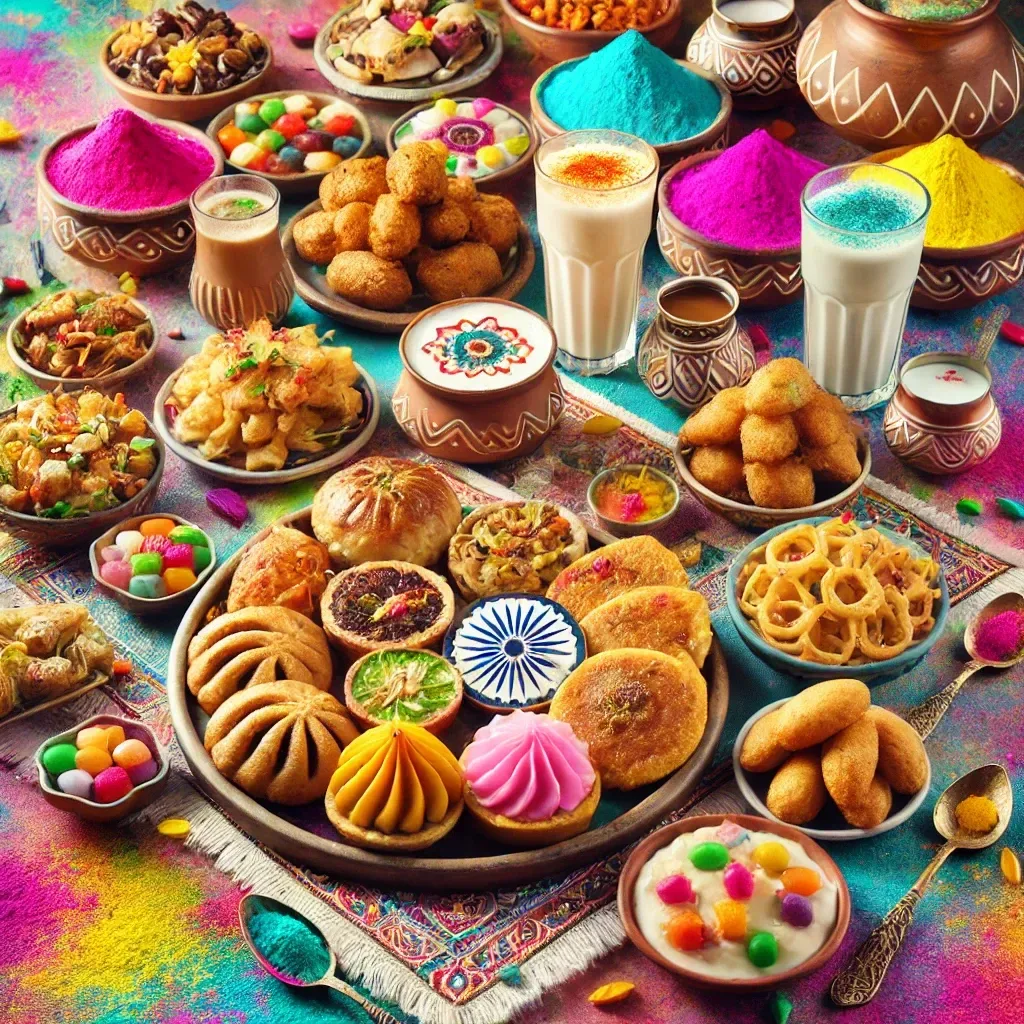
Image source: Bing (Web (fair-use with source credit))
Quick Answer
Holi recipes fall into two main groups. Sweet dishes like gujiya and malpua. Savory snacks like dahi bhalla and shakarpara.
A drink like thandai ties it together. Pair one sweet with one savory plus a drink. That gives you a balanced spread without overdoing it.
Most families serve three to five items total.
Why Your Holi Menu Choices Actually Matter
Every dish you pick changes your experience of the festival. Some recipes demand hours of prep. Others come together in under 30 minutes.
The choice affects how much time you spend in the kitchen versus with your guests.
Tradition plays a big role here. A North Indian household might insist on gujiya and thandai as non-negotiable. A Maharashtrian family may reach for puran poli instead.
Neither is wrong. But knowing your audience saves you from serving a dish nobody reaches for.
Shelf life matters just as much. Dry snacks like shakarpara stay fresh for up to two weeks. Dairy-heavy dishes like dahi bhalla need eating within hours.
If you're hosting multiple rounds of guests across the day, that difference becomes critical.
The bottom line is simple. Match your recipe choices to your schedule, your skill level, and your guests. The right menu makes Holi feel effortless.
The wrong one turns you into a frazzled host.
Sweet vs Savory: The Two Pillars of Holi Eating
A Holi spread without balance feels incomplete. Traditional menus lean sweet. Thandai, gujiya, malpua, and puran poli all land on the sugary side.
But savory snacks act as the counterweight that keeps people coming back for more.
Savory options serve a practical purpose too. They absorb the thandai and keep guests from crashing on sugar. Dahi bhalla offers cool yogurt and tangy chutney between sweet bites.
Mathri and namakpara give you something crunchy and salty to munch while you chat.
Here is how the two categories compare at a glance:
| Factor | Sweet Dishes | Savory Dishes |
|---|---|---|
| Prep time | 30 to 90 minutes | 15 to 60 minutes |
| Shelf life | 2 days to 2 weeks | Same day to 1 week |
| Crowd appeal | Universal | Slightly more adult |
| Make-ahead | Most freeze well | Best fresh or same day |
The smartest Holi menus include at least one from each column. Two sweets and one savory works for a small gathering. One sweet, two savories, and a drink covers a larger crowd.
The goal is variety without waste.
Gujiya vs Puran Poli vs Malpua – Which Sweet Steals the Show
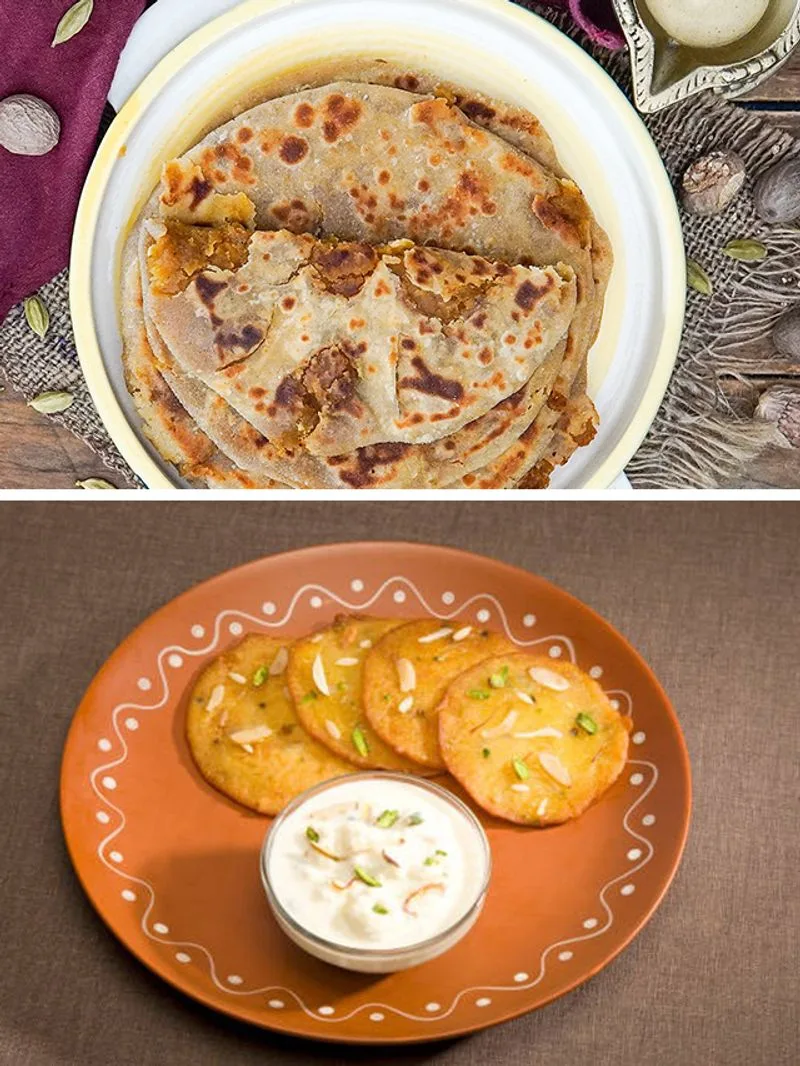
Image source: Bing (Web (fair-use with source credit))
These three sweets dominate Holi tables across India. Each one brings different strengths. Your choice comes down to time, skill, and regional preference.
Gujiya is the festival heavyweight. A crisp fried pastry stuffed with khoya, nuts, and cardamom. It takes about 90 minutes from start to finish including dough rest time.
The payoff is a shelf-stable sweet that keeps for days. Gujiya works best when you need something you can fry ahead of time and serve at room temperature.
Puran poli is faster but more delicate. A soft flatbread stuffed with chana dal and jaggery. Total time runs about 45 minutes.
The catch is that puran poli tastes best warm off the tawa. Make it fresh for a small group. Skip it if you expect twenty guests arriving at once.
Malpua sits in the middle. A saffron pancake soaked in sugar syrup. Prep takes about 30 minutes plus syrup time.
Malpua stays good for a few hours but gets soggy overnight. It works beautifully as a last-minute addition when you realize you need one more sweet on the table.
| Sweet | Prep Time | Serving | Best For |
|---|---|---|---|
| Gujiya | 90 min | Room temp | Large crowds, make ahead |
| Puran poli | 45 min | Warm | Small gatherings, fresh eating |
| Malpua | 30 min | Warm or room temp | Quick addition, moderate crowds |
Your best move depends on your setup. If you have time the day before, make gujiya. If you are cooking the same morning, go with puran poli or malpua.
Most experienced hosts pick one make-ahead sweet and one fresh one.
Thandai vs Lassi vs Kanji – Choosing Your Festival Drink
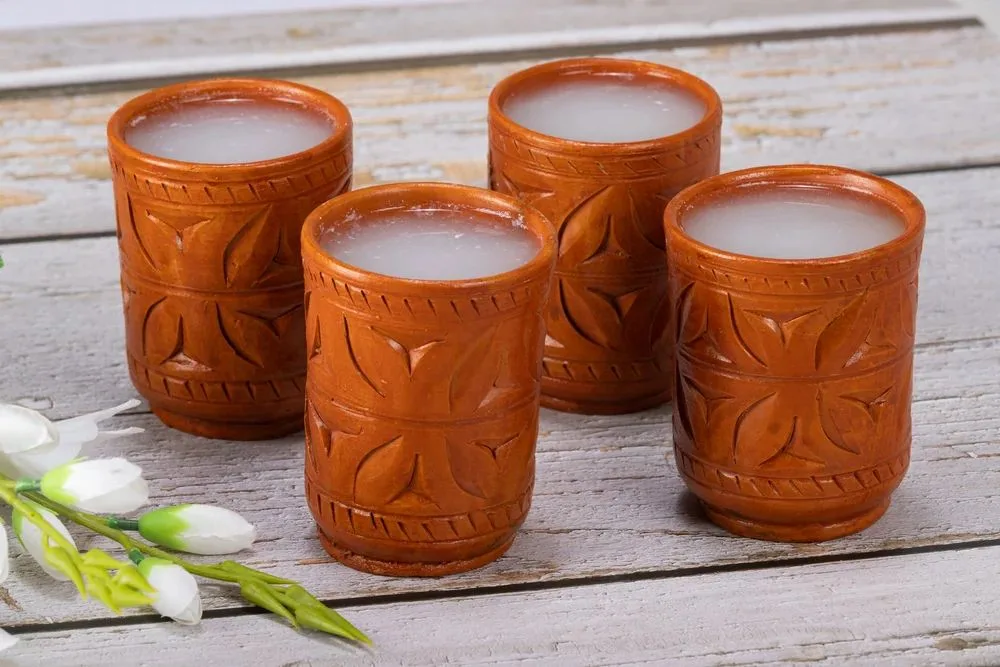
Image source: Bing (Web (fair-use with source credit))
Drinks at Holi serve more than thirst. They anchor the meal and even dictate how much food people eat. Thandai traditionally contains bhang in some regions, but most home versions skip it.
The base is milk infused with saffron, cardamom, fennel, rose petals, and nuts.
Thandai demands planning. The masala paste takes 20 minutes to grind and blend. The milk needs at least two hours of chilling, ideally overnight.
The payoff is a rich, aromatic drink that feels celebratory. Thandai suits hosts who prep the day before.
Lassi is the shortcut option. Yogurt, water, sugar, and a pinch of cardamom. Five minutes in a blender and you are done.
Make it thinner than usual so it works as a meal drink rather than a dessert. Lassi works best for surprise guests or last-minute Holi plans.
Kanji is the wild card. A fermented black carrot drink that takes three to four days to mature. The flavor is tangy, earthy, and completely different from sweet thandai.
Kanji works well if you plan a week ahead and want a probiotic option that cuts through heavy fried food.
| Drink | Prep Time | Advance Work | Best For |
|---|---|---|---|
| Thandai | 20 min + chill | Day before | Traditional spread |
| Lassi | 5 min | None | Quick, casual gathering |
| Kanji | 15 min + ferment | 3 to 4 days | Adventurous palates |
Aggregate reviews from home cooks report that thandai remains the most requested drink at Holi gatherings. Lassi wins for convenience. Kanji is for the host who wants to impress with something unusual.
The Hidden Trade-Offs Nobody Talks About (Time, Shelf Life, Effort)
Recipe blogs rarely tell you the real cost of each dish. They show the finished plate. They skip the oil splatter, the sticky counter, and the ten-minute crimping session for each gujiya.
Here is the truth about time. Deep-fried dishes tie you to the stove. A batch of gujiya requires 20 to 30 minutes of active frying time plus cooling.
Shakarpara needs the same. If you are making multiple fried items, plan for one to two hours of hot oil work. Non-fried options like puran poli or dahi bhalla free up your stove for other tasks.
Shelf life creates the biggest planning trap. Fresh dairy dishes need eating within a few hours. Yogurt-based items like dahi bhalla start weeping water after two hours on the table.
Fried snacks with no moisture content last a week or more. If you serve multiple rounds of guests across the day, prioritize shelf-stable items for the later rounds.
Effort varies wildly by dish. Gujiya demands skill with dough and crimping. Puran poli requires patience with stuffing and rolling.
Malpua is beginner-friendly but messy. Thandai needs a good blender and a fine strainer. Know your own comfort level before committing to a complicated dish.
The smartest approach is mixing high-effort and low-effort items. Make one showstopper that takes time. Fill the rest of the table with quick recipes.
Your guests will remember the variety, not how long you spent on each individual dish.
Mistakes First-Timers Make and How to Avoid Them
The most common error is picking too many fried items. Three deep-fried dishes mean you spend two hours at the stove while your guests arrive. Choose one fried showstopper and round out the menu with stove-free options like dahi bhalla or puran poli.
Oil temperature trips up almost everyone. Too low and your gujiya absorb oil turning greasy. Too high and the outside burns before the inside cooks.
Use a kitchen thermometer. Target 350°F or 175°C. Drop a small piece of dough in first to test, it should sizzle steadily and float within seconds.
Sugar syrup consistency matters more than most people realize. Gujiya needs a one-string syrup. That means dip two fingers in the syrup and pull them apart, a single thread forms between them.
Too thin and the syrup runs off. Too thick and it crystallizes into a grainy mess.
Many hosts forget to account for dietary restrictions. Nut allergies are common and thandai typically contains almonds, pistachios, and cashews. Dairy issues affect guests who cannot eat khoya or paneer.
Ask ahead or label your dishes clearly. Your research team has seen too many Holi spreads where half the food sits uneaten because nobody told the host about an allergy.
Overcomplicating the menu creates stress that shows in your cooking. Stick to three dishes and one drink. A smart first-timer menu looks like this: gujiya made the day before, dahi bhalla assembled one hour before guests arrive, mathri as a quick crunchy snack, and thandai chilled overnight.
That gives you variety without chaos.
Your Quick Holi Menu Builder (Best Pick for Every Scenario)
You need a menu that matches your actual situation. Here is a decision framework based on guest count and available time.
If you have 2 hours the night before and 10 or more guests coming:
Make gujiya and thandai the night before. Both keep well overnight. The next morning, prepare dahi bhalla and a batch of mathri.
Total active time across both days runs about 90 minutes.
If you have 30 minutes total and a small gathering of 4 to 6 people:
Skip fried items entirely. Make puran poli and a quick lassi. Prep time is under 45 minutes and you are not tied to a fryer.
Add store bought namakpara if you want crunch.
If guests have strict dietary needs:
Serve malpua made with dairy free milk and coconut oil. Use a nut free thandai made with just saffron, cardamom, and fennel seeds. Skip all fried items to keep the kitchen clean and the menu safe.
Puran poli works well here since it uses lentils and whole wheat flour.
If you want everything made ahead:
Focus on dry snacks. Shakarpara and mathri stay fresh for weeks in airtight containers. Make gujiya two days early and store in a cool dry place.
Prepare thandai masala paste a week ahead. Add milk and chill the night before serving.
| Scenario | Best Sweet | Best Savory | Best Drink |
|---|---|---|---|
| Large crowd, prep time available | Gujiya | Mathri | Thandai |
| Small, last minute | Puran poli | Dahi bhalla | Lassi |
| Dietary restrictions | Malpua (dairy free) | Namakpara | Nut free thandai |
| Maximum make ahead | Shakarpara | Mathri | Thandai masala |
FAQs – Holi Recipe Decisions, Answered
Can I make gujiya a day ahead?
Yes. Gujiya keeps well at room temperature for two to three days in an airtight container. Store them in a single layer separated by parchment paper.
Do not refrigerate, moisture softens the crust.
What is the best drink to serve at Holi?
Thandai is the traditional favorite for most gatherings. It pairs well with both sweet and savory dishes. For a faster option, lassi works.
For something unique, prepare kanji three to four days ahead.
How do I keep dahi bhalla from getting soggy?
Soak the fried lentil fritters in warm water for exactly 15 minutes. Squeeze gently to remove excess water. Arrange on a plate and refrigerate uncovered for 10 minutes.
Add yogurt only right before serving.
Can I substitute khoya in gujiya?
Yes. Use a mix of milk powder and ghee. Combine one cup milk powder with two tablespoons melted ghee.
Knead until smooth. Let it rest 10 minutes before using. The texture differs slightly but the flavor stays close.
How many dishes should I serve for Holi?
Three to five dishes total works best. Include one sweet, one savory, and one drink. Add a second sweet or savory only if you are serving more than eight people.
Too many dishes create waste and stress.